
Latest News
Iranian FM and UNHCR chief discuss Afghan refugee situation
The two sides reviewed the current level of cooperation between the Iranian government and the UNHCR, with a focus on repatriation strategies and support for returnees.


Iranian Foreign Minister Seyed Abbas Araghchi met with UN High Commissioner for Refugees Filippo Grandi in Tehran on Tuesday to discuss the situation of Afghan refugees in Iran and ongoing efforts to facilitate their return to Afghanistan.
According to a statement from Iran’s Foreign Ministry, the two sides reviewed the current level of cooperation between the Iranian government and the United Nations Refugee Agency (UNHCR), with a focus on repatriation strategies and support for returnees.
Araghchi highlighted Iran’s decades-long role as a host to millions of Afghan refugees and displaced persons, stating that Tehran remains committed to advancing a comprehensive plan for the voluntary return of refugees and the repatriation of undocumented migrants.
He urged stronger cooperation from both the Afghan authorities and the UN in accelerating return efforts and called for concrete steps to create employment and reintegration opportunities for returnees inside Afghanistan.
“After more than five decades of hosting, the voluntary and dignified return of Afghan nationals must be supported through sustainable solutions on the ground,” Araghchi said.
Grandi commended Iran’s longstanding partnership with the UNHCR and acknowledged the services provided to Afghan refugees over the years.
He briefed Araghchi on his recent visit to Afghanistan, where he held talks with officials regarding the repatriation process and the conditions required to ensure the safe return of Afghans from Iran.
Grandi emphasized the need for continued coordination between the two countries to ensure that the repatriation process is voluntary, dignified, and aligned with international humanitarian standards.
“Iran’s contribution to refugee protection is notable, and with sustained collaboration, we can work toward a durable solution that respects the rights of returnees and supports their reintegration,” he said.
The meeting comes amid a marked increase in the number of Afghan nationals returning from Iran.
On July 16, Iran’s Interior Minister Eskandar Momeni announced that nearly 800,000 Afghans had left the country since March 21, 2025, with approximately 70 percent (around 560,000 individuals) returning voluntarily, according to figures reported by the semi-official Tasnim news agency.
Iran hosts one of the world’s largest populations of Afghan refugees, many of whom fled successive waves of conflict over the past four decades. While some hold formal refugee status, a large number remain undocumented and face mounting legal and economic pressures amid Iran’s increasingly strict migration policies.
Human rights groups and international observers have urged both Iran and the UN to ensure that all returns remain voluntary and are accompanied by guarantees of safety, support, and reintegration for those returning to a country still facing deep humanitarian and economic challenges.

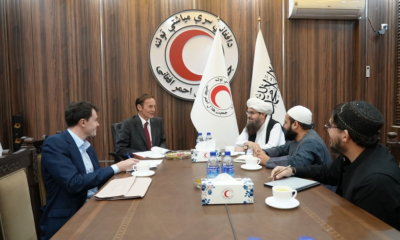



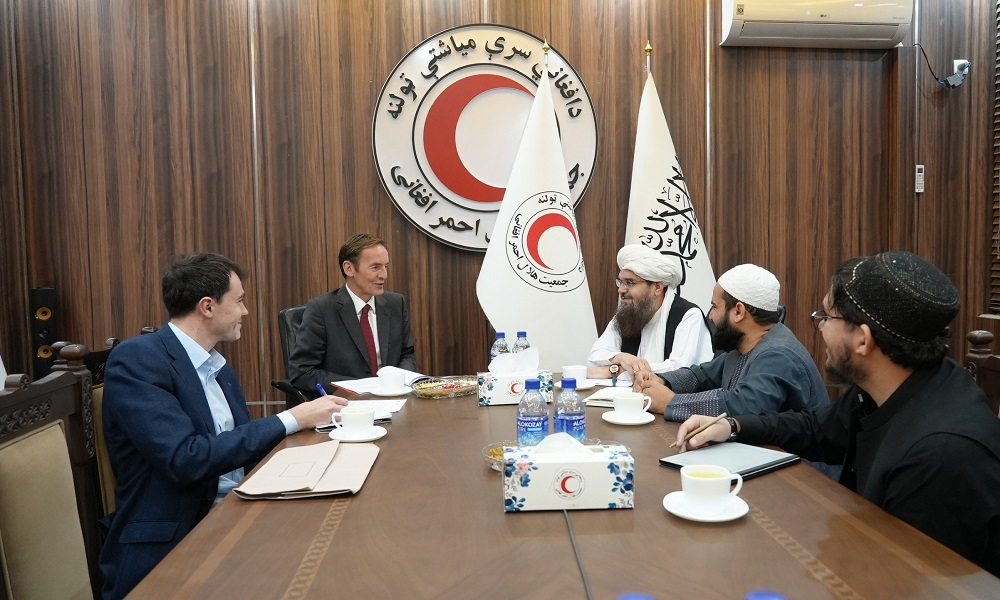
Shahabuddin Delawar, president of the Afghan Red Crescent Society (ARCS), met with Richard Lindsay, the UK’s Special Representative for Afghanistan, to discuss the country’s humanitarian situation and ways to expand assistance for vulnerable communities.
According to ARCS, the meeting focused on support for people affected by natural disasters, Afghan returnees and other vulnerable groups, particularly their urgent humanitarian and healthcare needs.
Delawar thanked the United Kingdom for its humanitarian assistance to people affected by natural disasters and briefed Lindsay on the ARCS’s humanitarian and healthcare activities.
He highlighted the society’s services for children with congenital heart defects at its cardiac hospital, vocational training and skills development programs for vulnerable women and children across seven regional zones, mental healthcare services, and assistance to communities affected by natural disasters.
Delawar said decades of hardship had left many Afghans facing mental health challenges, while vulnerable families continued to struggle with difficult living conditions. He stressed the need for expanded humanitarian assistance and healthcare support.
Referring to the return of Afghan refugees from neighboring countries, Delawar said many families urgently need shelter, food, non-food items and medical services. He called for greater UK cooperation to help meet returnees’ basic needs.
Lindsay praised the ARCS’s humanitarian work and pledged continued cooperation in supporting returnees and other humanitarian initiatives in the coming year. He also said he would seek to facilitate effective cooperation with the society in the healthcare sector.
Both sides underscored the importance of strengthening cooperation to expand humanitarian assistance, support vulnerable communities and improve healthcare services in Afghanistan.
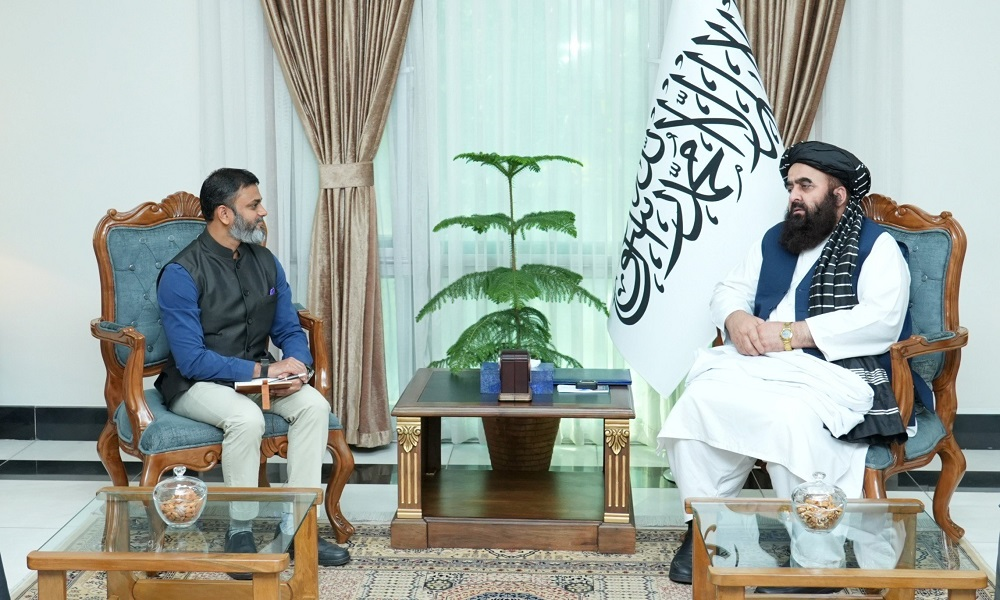
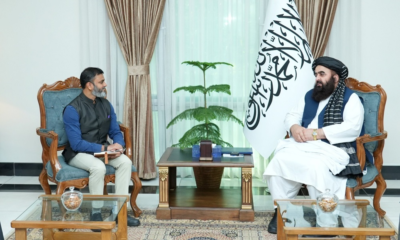
Amir Khan Muttaqi, Minister of Foreign Affairs of the Islamic Emirate of Afghanistan, met with Yatin Patel, India’s chargé d’affaires in Kabul, on Wednesday.
The Ministry of Foreign Affairs said Muttaqi emphasized that, in line with its balanced foreign policy, the Islamic Emirate attaches importance to relations with India.
Referring to the growing volume of trade between the two countries, he stressed the need to strengthen communication and cooperation between Afghanistan’s and India’s public and private sectors, adding that cooperation should be expanded to make better use of existing capacities.
Meanwhile, Yatin Patel said India seeks to expand its relations and engagement with Afghanistan in the economic, political and humanitarian fields.
Muttaqi also wished Patel success in his new assignment.
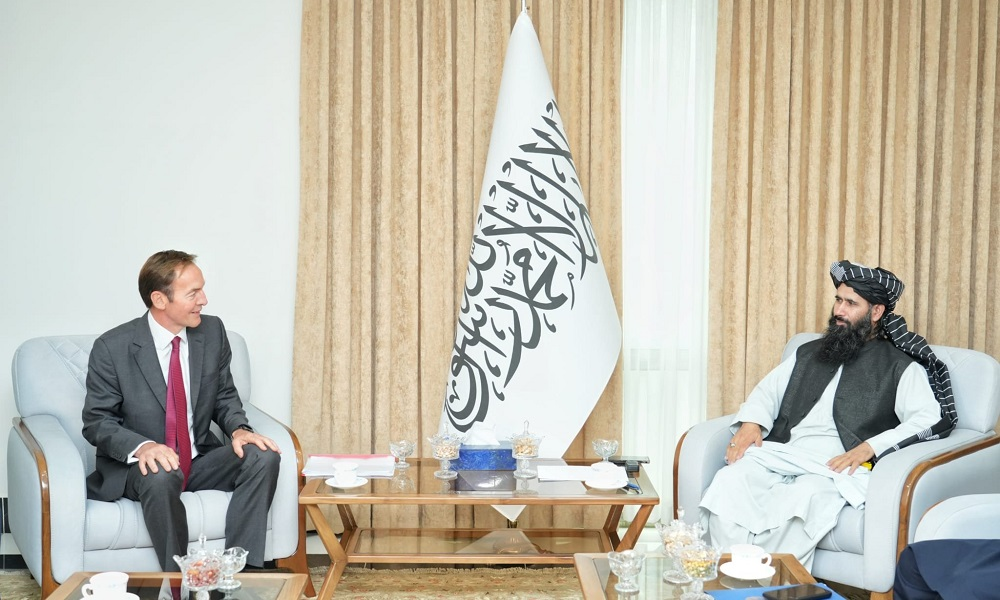
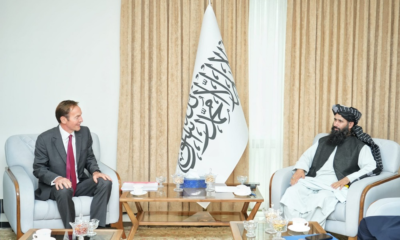
Mohammad Naeem, Deputy Minister for Finance and Administration at the Ministry of Foreign Affairs of the Islamic Emirate of Afghanistan, met on Wednesday with Richard Lindsay, the UK’s Special Representative for Afghanistan.
The Ministry of Foreign Affairs said the two sides discussed Afghanistan’s political, economic and security situation, regional stability, humanitarian assistance and consular services.
Naeem expressed appreciation for the UK’s humanitarian assistance and cooperation with Afghanistan and stressed the importance of continuing cooperation between the two sides.


Tahawol: Kyrgyzstan’s rejection of Afghan refugees discussed

Saar: Central Asia’s trade alternative to Pakistan discussed

ARCS, UK envoy discuss humanitarian needs of vulnerable Afghans

FM Muttaqi says IEA values ties with India under its balanced foreign policy

Afghanistan and UK stress expanding bilateral cooperation

Cricket Bonanza: Afghanistan set for packed international schedule

UN warns of mounting humanitarian and human rights pressures in Afghanistan

Afghanistan says 28 killed, 32 captured in Nuristan operation

CNN, MS NOW and Politico sue Trump, challenging White House ban

Silk Road highway in Wakhan corridor now reaches the China border
Tahawol: Kyrgyzstan’s rejection of Afghan refugees discussed
Saar: Central Asia’s trade alternative to Pakistan discussed

Tahawol: Warnings over worsening insecurity in Pakistan discussed

Saar: Concerns over potential return of US military bases to Afghanistan discussed

Tahawol: Kabul’s criticism of Islamabad’s policy toward Afghanistan
-
 Latest News5 days ago
Pakistan issues new directives for Afghan medical students and doctors
-
 Latest News5 days ago
Iranian lawmaker praises Afghanistan’s support, accuses Pakistan of ‘hypocrisy’
-

 Regional4 days ago
Houthis warn airlines to avoid Saudi airports after deadly Riyadh attack
-

 World3 days ago
One dead in new attack on Saudi airport, a day after Houthi strike kills 13
-
 Business5 days ago
Afghan-Austrian partnership aims to boost carpet exports to European markets
-
 Sport4 days ago
Afghanistan Champions League second half to kick off on October 16
-

 World4 days ago
14 killed in two separate mass shootings across the United States
-
 Business4 days ago
Afghanistan signs nearly $400 million in regional trade and investment deals