
Latest News
Islamic Emirate of Afghanistan ‘concerned’ over rising tensions between Pakistan and India
The IEA also urged both sides to exercise restraint and resolve their issues through dialogue and diplomacy.

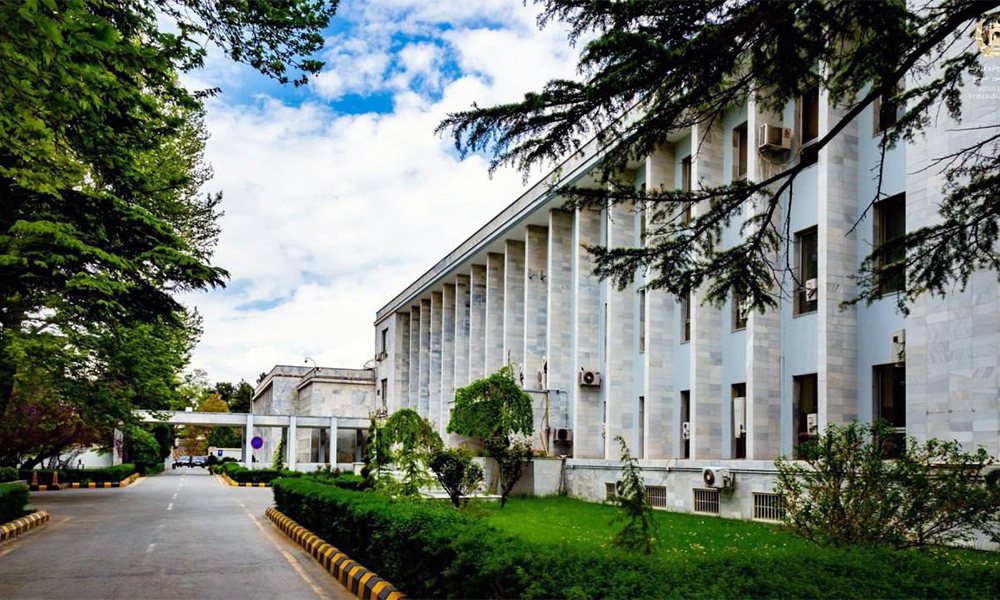
The Ministry of Foreign Affairs of the Islamic Emirate of Afghanistan (IEA) on Wednesday expressed concern over the escalating tensions between Pakistan and India and said further escalation was “not in the interests of the region”.
According to a statement issued by the Foreign Minister, the IEA stated it “reaffirms its belief that security and stability serve the collective interests of all countries in the region”.
The IEA also urged both sides to exercise restraint and resolve their issues through dialogue and diplomacy.
The IEA’s statement comes only hours after a target operation against Pakistan was carried out overnight by India in retaliation for the Kashmir terror attack last month that India has blamed on Pakistan.
Pakistan’s PM vows to avenge India’s ‘act of war’
However, Pakistan’s Prime Minister Shehbaz Sharif condemned Wednesday’s airstrikes and said his country would retaliate.
“Pakistan has every right to give a robust response to this act of war imposed by India, and a strong response is indeed being given,” Sharif said.
The country’s National Security Committee met Wednesday morning, and Pakistan summoned India’s charge d’affaires to lodge a protest.
Hope of the easing of tensions was however seen during the day Wednesday when Pakistani media reported that airports in Islamabad, Lahore and Karachi were operating again after all traffic was halted overnight.
In India, Prime Minister Narendra Modi held a special meeting of the Cabinet Committee on Security. A source told the Reuters news agency Modi postponed a trip to Croatia, the Netherlands and Norway.
Concern mounts
South Asia analyst Michael Kugelman said it was one of the highest-intensity strikes from India on its rival in years and that Pakistan’s response would “surely pack a punch as well.”
“These are two strong militaries that, even with nuclear weapons as a deterrent, are not afraid to deploy sizeable levels of conventional military force against each other,” Kugelman said.
“The escalation risks are real. And they could well increase, and quickly.”
Stephane Dujarric, the United Nations spokesperson, said in a statement late Tuesday that Secretary-General Antonio Guterres called for maximum restraint because the world could not “afford a military confrontation” between India and Pakistan.
Several Indian states planned civil defense drills later Wednesday, according to India’s home ministry, to train civilians and security personnel to respond in case of any “hostile attacks,” the ministry said in a statement.
Such drills in India are rare in non-crisis times.


Latest News
Pakistan FM urges Afghanistan to address security concerns of neighbors
Dar said Pakistan wanted Afghanistan to be fully integrated into the ECO framework and at peace with itself and its neighbours.
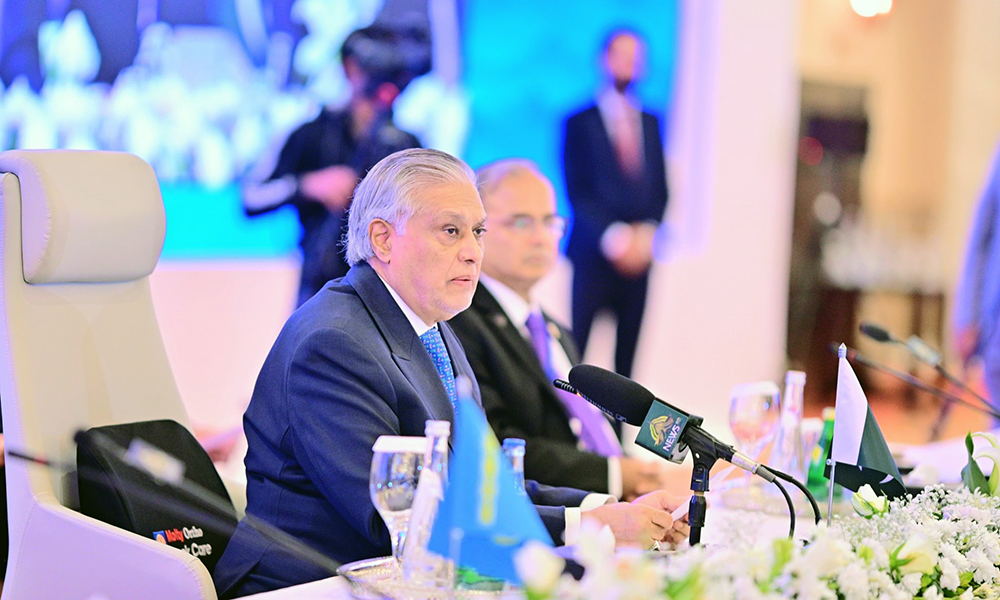
Pakistan Deputy Prime Minister and Foreign Minister Mohammad Ishaq Dar has called for a peaceful, prosperous and stable Afghanistan, while urging Afghan authorities to address the security concerns of neighbouring countries, particularly the threat of terrorism.
Dar made the remarks during the 30th meeting of the Economic Cooperation Organization (ECO) Council of Ministers in Islamabad.
Dar said Pakistan wanted Afghanistan to be fully integrated into the ECO framework and at peace with itself and its neighbours.
He added that such an outcome would benefit not only the Afghan people but also the wider region by opening important opportunities for trade, transit and economic cooperation.
The Pakistani foreign minister stressed that meaningful progress required Afghan authorities to address “the legitimate security concerns of neighbouring countries, particularly the threat of terrorism.”
He said a secure and stable environment was essential for sustained regional economic partnerships.
Pakistani officials have repeatedly claimed that attacks in their country are organized from Afghanistan. The Islamic Emirate, however, has rejected these allegations, saying Afghanistan is not responsible for Pakistan’s security failures.

Afghanistan’s state-owned Millie Bus Enterprise has held talks with Chinese bus manufacturer Higer on potential cooperation in the production and procurement of modern buses, including electric and hybrid models.
Mohammad Nabi Bahar, spokesperson for the General Directorate of State-Owned Corporations, said Abdul Baqi Muqim, General Director of the Millie Bus Enterprise, and an accompanying delegation visited Higer’s manufacturing plant in Suzhou, China.
During the visit, the Afghan delegation examined the company’s production facilities and gained first-hand insight into its manufacturing processes and product quality.
Higer officials expressed their readiness to cooperate with Afghanistan in supplying various types of buses for urban and high-speed transportation, including electric, hybrid and diesel-powered vehicles.
Higer is among China’s bus manufacturers, with its products used in several countries for passenger transportation and urban public transit.
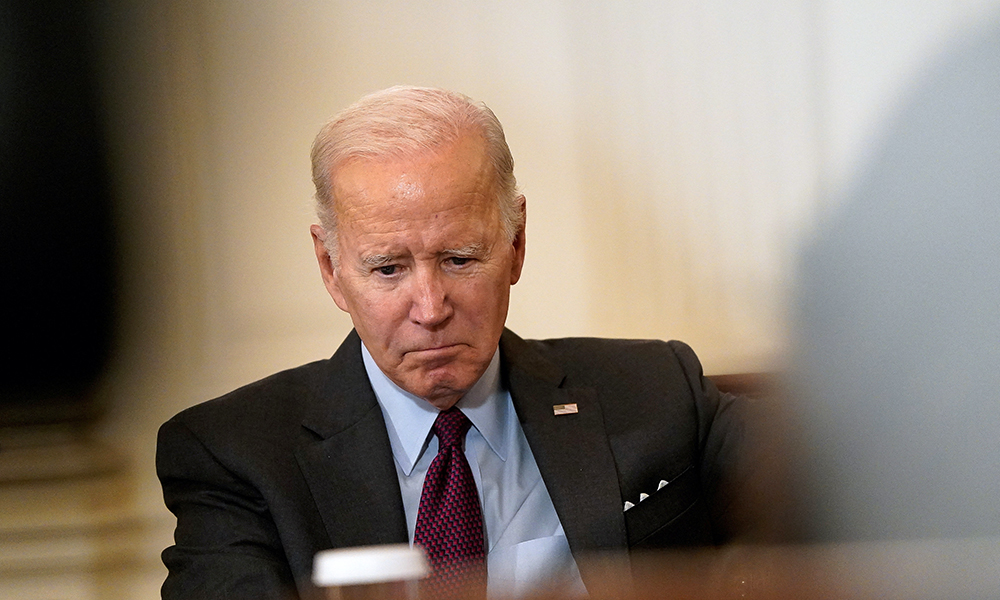
Former US President Joe Biden has defended his decision to withdraw American forces from Afghanistan in 2021, saying he believes it was the right choice and that he would make the same decision again under similar circumstances.
In his new memoir “Promise Me, America,” Biden said then-Defense Secretary Lloyd Austin and Chairman of the Joint Chiefs of Staff Gen. Mark Milley had raised concerns about the possible consequences of the withdrawal.
Biden also recalled being assured that the Afghan government could survive for at least six months after the departure of US forces. However, the government collapsed within days of the withdrawal.
The United States and the Islamic Emirate had signed an agreement in February 2020, during Donald Trump’s first presidency, setting out the withdrawal of US forces from Afghanistan.

Pakistan FM urges Afghanistan to address security concerns of neighbors
Millie Bus Enterprise discusses modern bus production with Chinese firm
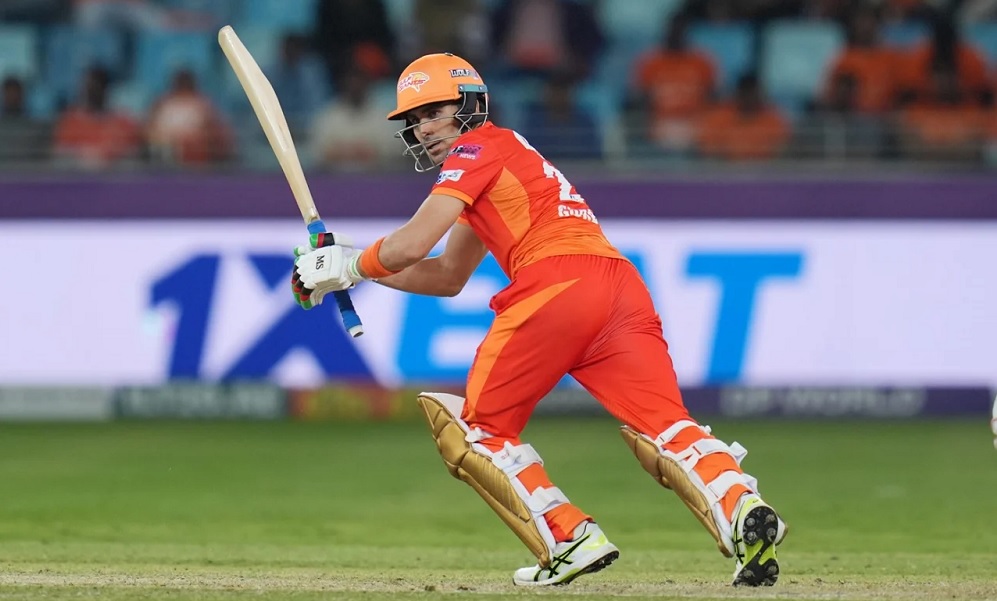
25 Afghan cricketers secure contracts for ILT20 Season 5

Biden defends 2021 Afghanistan withdrawal in new memoir
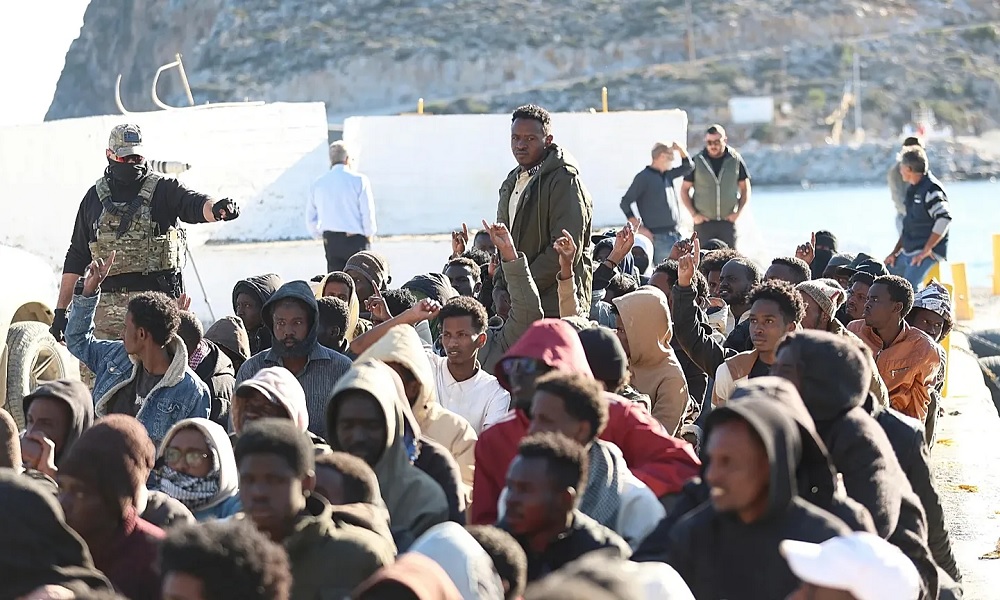
Five EU countries to announce Rwanda deportation hub scheme

Afghanistan finish runners-up after 6-0 defeat to Brazil in futsal final

Rubio heads to Central Asia while other US officials hit foreign policy hot spots

Violent protests spread across Europe as Albanian PM blames ‘foreign hand’

Governments take websites offline as critical cyber flaws trigger global alert

Afghanistan reach Brazil futsal tournament final after beating Cape Verde 4-2
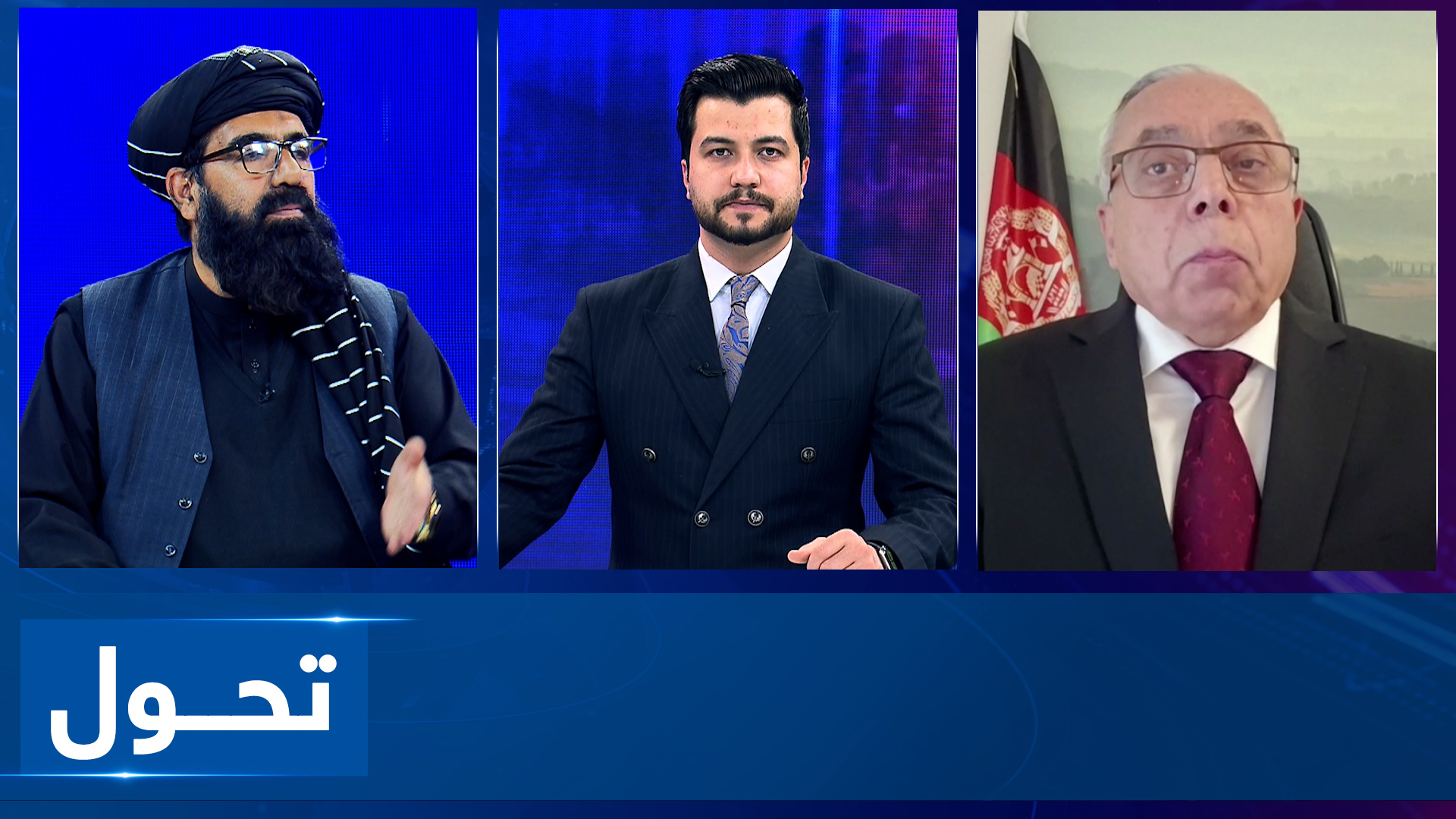
Tahawol: UK seeks to ease Kabul–Islamabad tensions
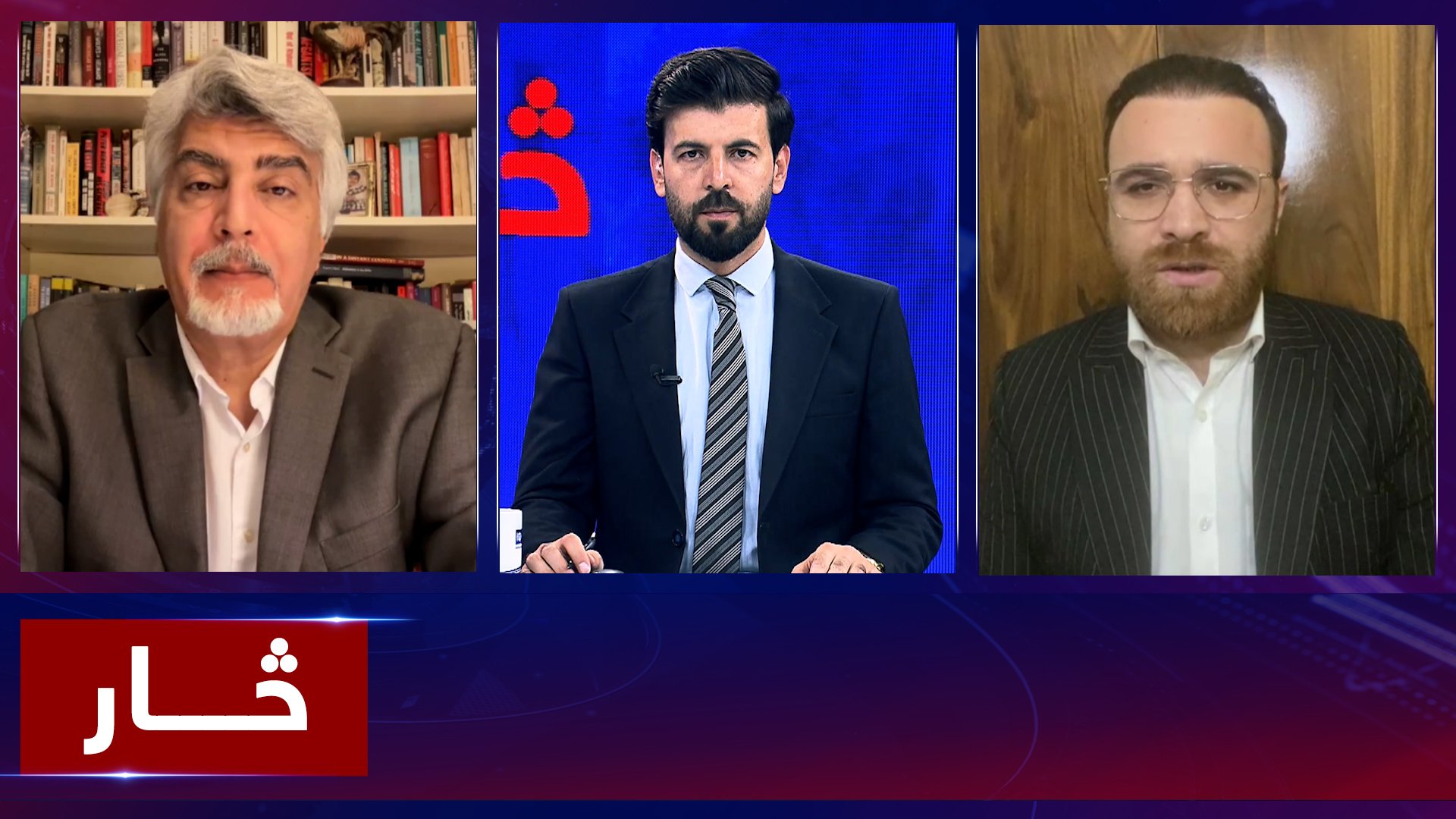
Saar: Iran–US tensions: an uncertain future
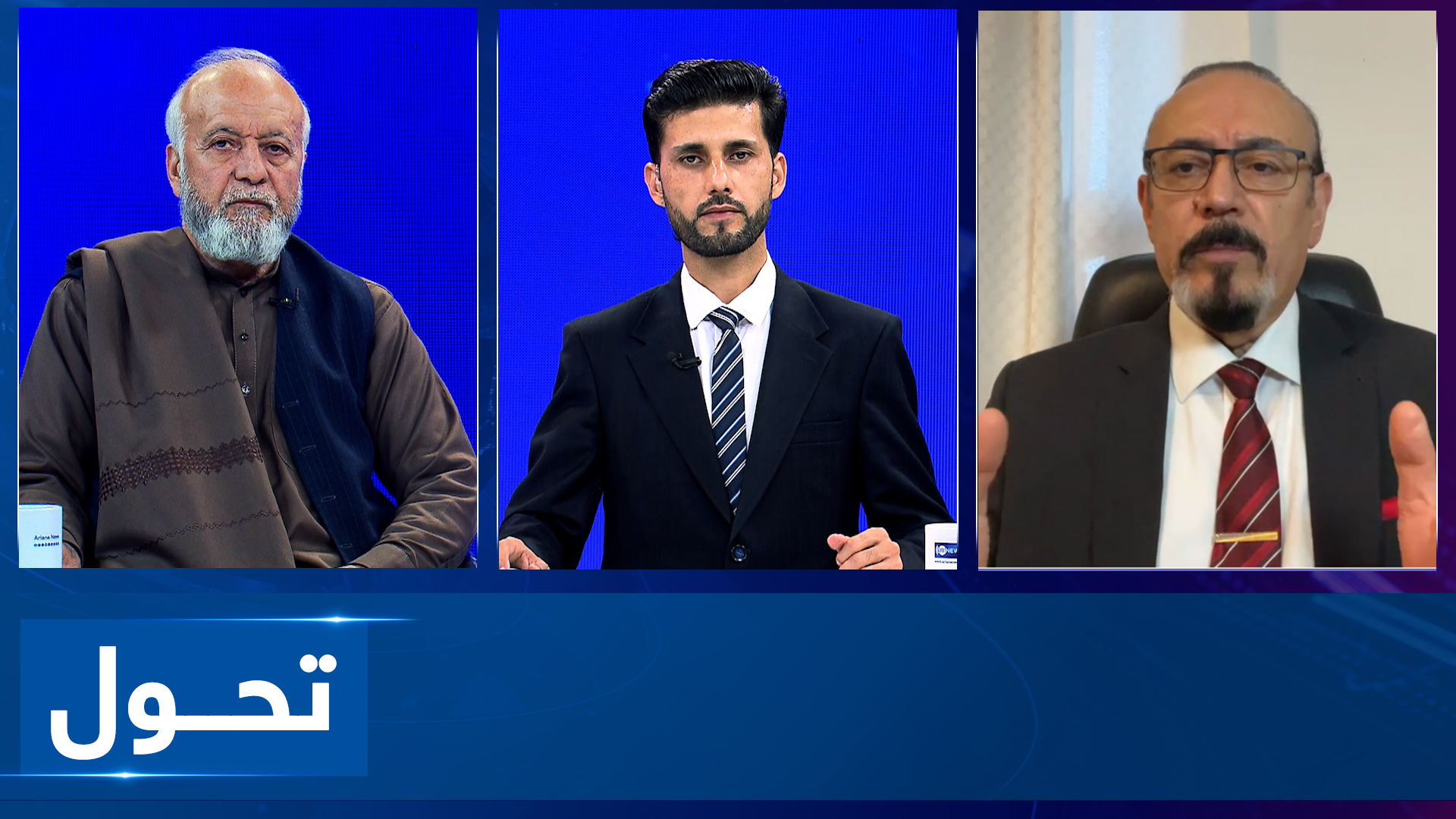
Tahawol: Concerns grow over worsening regional humanitarian crises discussed
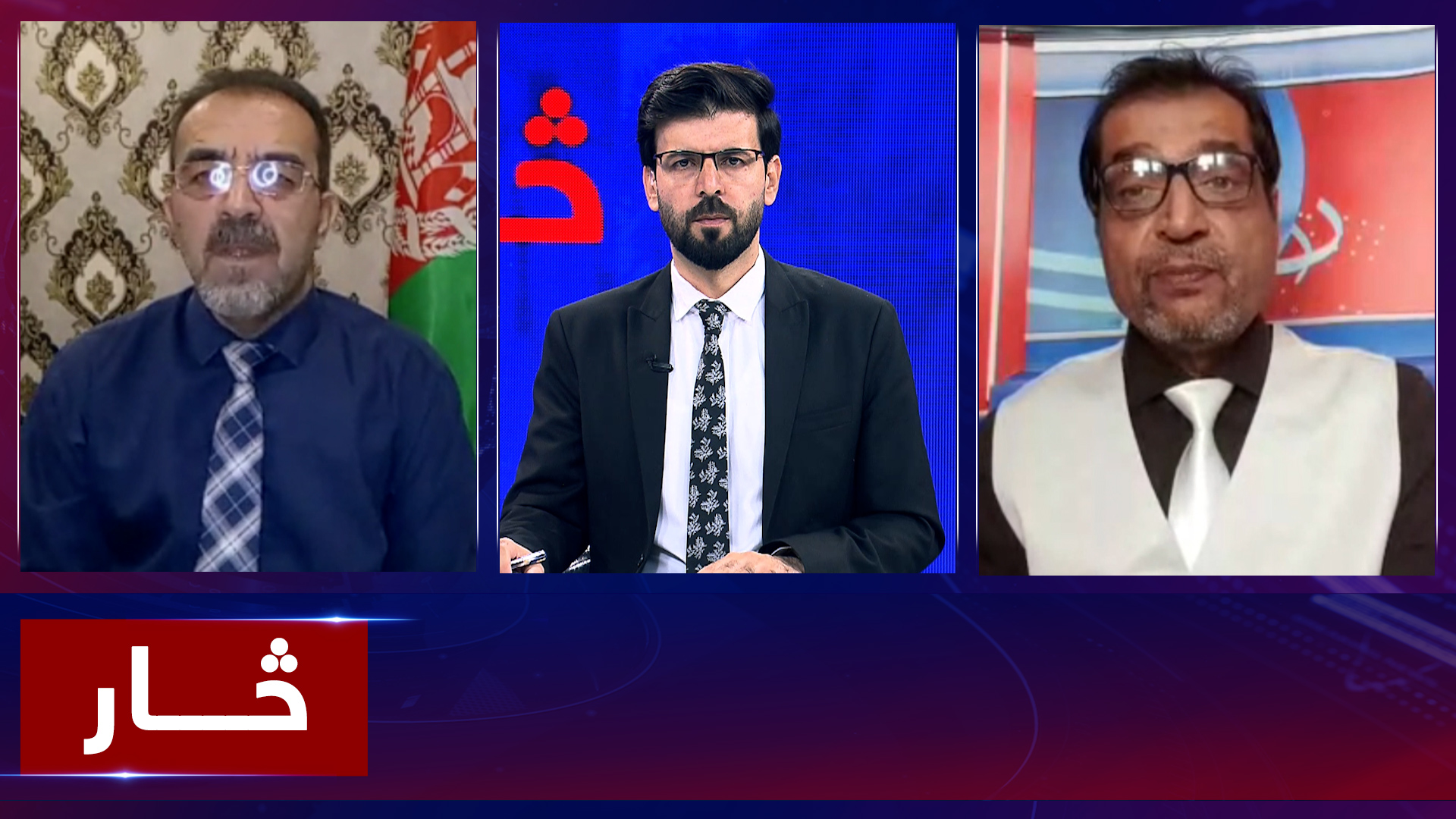
Saar: Forced deportation of Afghan refugees from Iran and Pakistan discussed
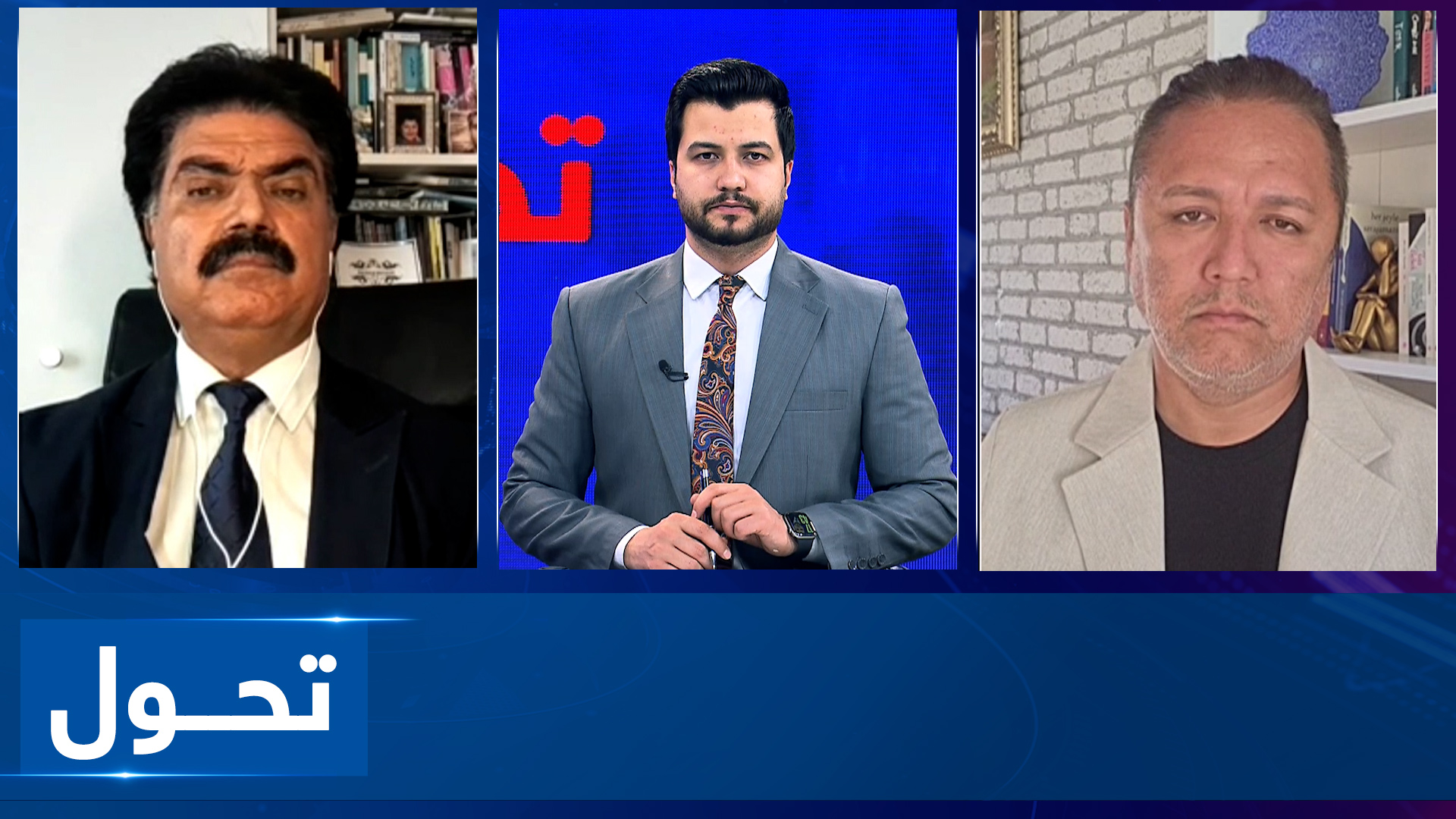
Tahawol: Russia’s special attention to situation in Afghanistan discussed
-
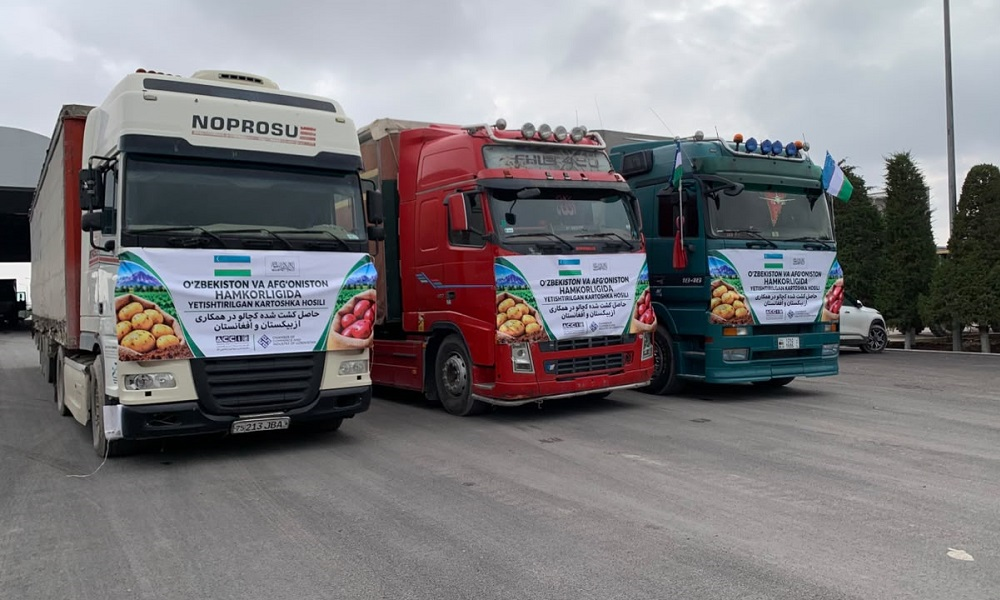 Business3 days ago
Afghanistan and Uzbekistan agree on export of 100,000 tons of Bamyan potatoes
-
 Latest News4 days ago
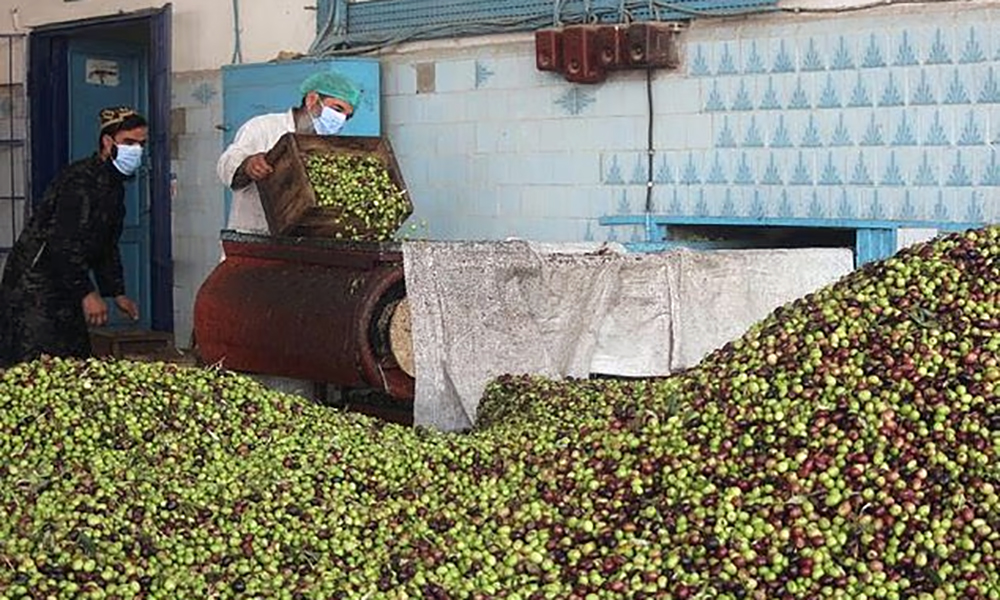
Olive farming offers new hope to Afghan farmers amid growing climate challenges
-
 Sport5 days ago
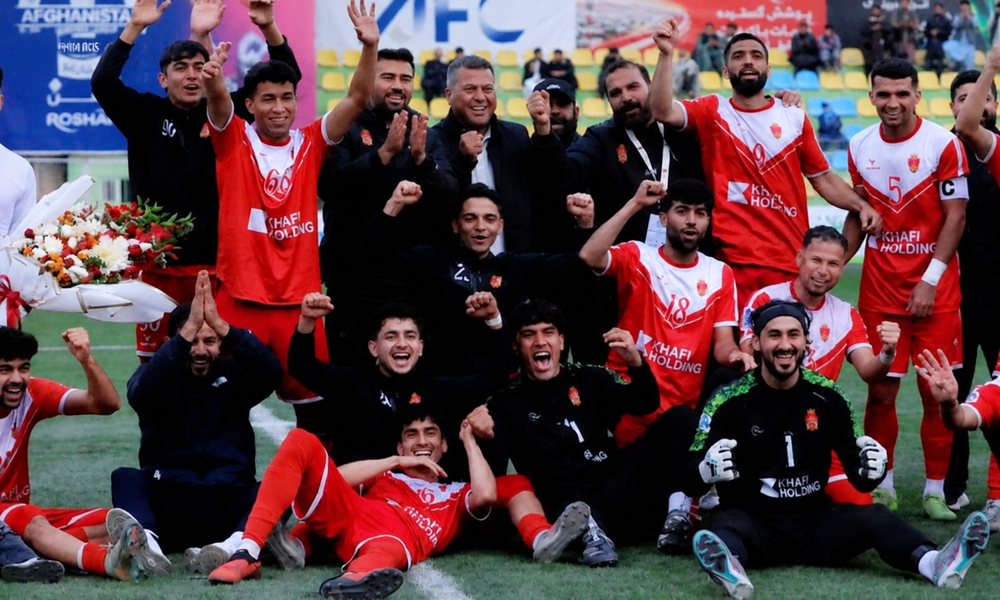
Sorkh Poshan Khafi secures ACL title with crushing 7-0 win over Khurasan Faryab
-
 Sport4 days ago
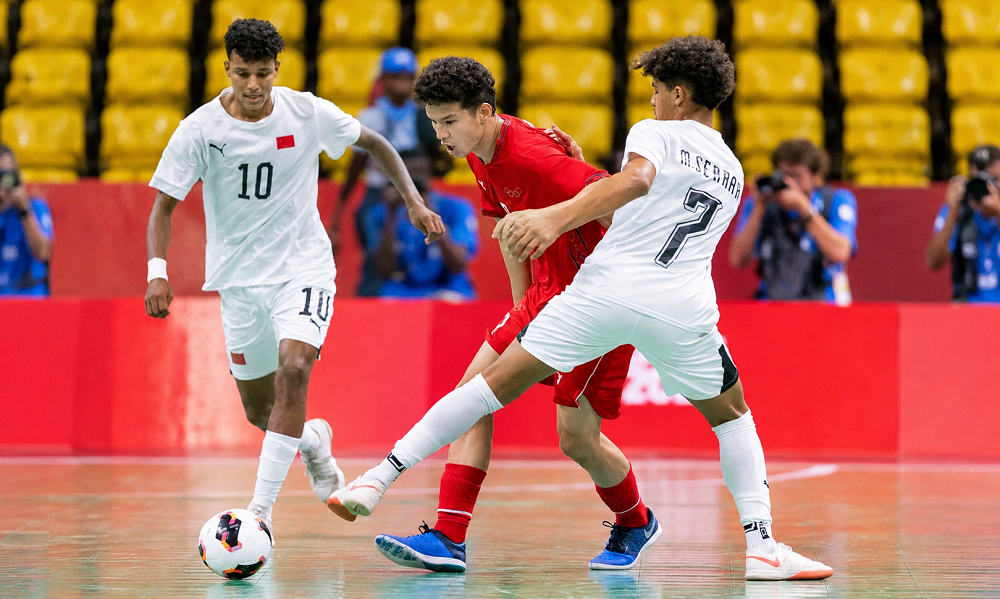
Afghanistan falls just short of Bronze at Dakar 2026 Youth Olympic Games
-
 Latest News4 days ago
Putin says CSTO closely monitoring Afghanistan’s security situation
-
 Latest News2 days ago
ICC halts probe into alleged crimes by US troops in Afghanistan
-
 Regional4 days ago
Saudi Arabia says debris from intercepted missiles falls in Mecca region
-
 Business4 days ago
Afghanistan hosts dialogue on Islamic microfinance to expand access to Sharia-compliant financial services