
Latest News
Islamic Emirate warns Pakistan over border incursions; Cancels Kabul visit
Mujahid said IEA forces carried out a “revenge operation” overnight, and gave detailed casualty figures: 58 Pakistani soldiers killed, 30 wounded, and more than 20 security posts seized.

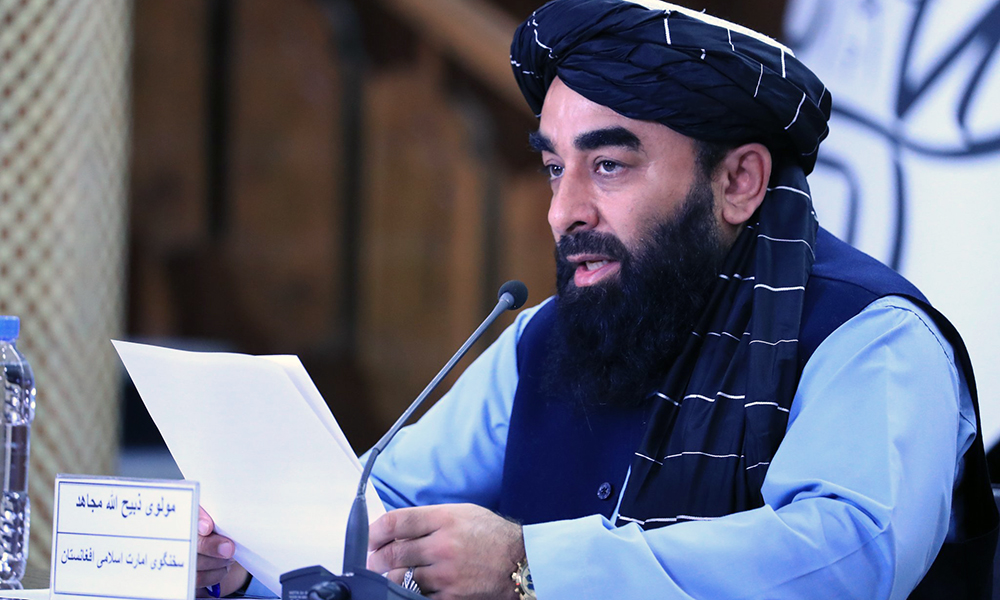
The spokesman for the Islamic Emirate of Afghanistan (IEA), Zabihullah Mujahid, issued a stern warning to Pakistan on Sunday, saying Kabul will respond firmly to what he described as repeated violations of Afghan sovereignty and airspace.
Mujahid also announced the cancellation of an upcoming Pakistani delegation visit to Kabul in protest at the alleged incursions.
Speaking at a press conference in Kabul, Mujahid said IEA forces carried out a “revenge operation” overnight, and gave detailed casualty figures: 58 Pakistani soldiers killed, 30 wounded, and more than 20 security posts seized, he said.
He added that nine IEA security personnel were killed and 16 wounded in the clashes.
Mujahid accused “elements within Pakistan’s system” of seeking to sabotage bilateral ties by spreading disinformation and allowing militant groups to operate from Pakistani soil. He alleged Pakistan was complicit in drug cultivation and had provided safe havens for ISIL-affiliated (Daesh) networks that, he claimed, had been used to plan attacks in Afghanistan and beyond.
On recent airstrikes against Afghanistan, including in Kabul, Mujahid said: “The Islamic Emirate reserves the right to defend its land and airspace and will take decisive measures to protect national sovereignty.”
He also said that the security situation along the Durand Line and in border districts was “under control.” He warned Pakistan to “halt its negative actions against Afghanistan, or it will face serious and unpredictable consequences.”
This comes amid a recent spike in cross-border incidents between the two neighbours, including reports of airspace violations and strikes that have repeatedly heightened tensions along the Afghanistan–Pakistan frontier.
Islamabad has previously accused militant groups such as the Tehreek-e-Taliban Pakistan (TTP) of using Afghan territory as a staging ground for attacks; Kabul’s authorities have denied allowing external groups to operate from their soil.
Diplomatic ties between Islamabad and Kabul have been strained for months by reciprocal accusations over security and migration issues.
International and regional actors have meanwhile urged both countries to exercise restraint and pursue dialogue to prevent escalation. The cancellation of the Pakistani delegation’s trip is likely to further complicate any immediate diplomatic channels for de-escalation.
At the time of Mujahid’s press conference, Pakistani government or military spokespeople had not issued an immediate response to the figures released by the IEA.
International observers warn however that sustained cross-border violence risks a broader regional fallout, underscoring calls for rapid diplomatic engagement, transparent investigation of incidents, and mechanisms to prevent further clashes along the frontier.
Violating Afghan airspace
Afghanistan’s Ministry of Defense said on Friday that Pakistan had again violated the country’s airspace and bombed a civilian market in Paktika province, near the Durand Line. Pakistani aircraft also violated the airspace of Kabul, the Afghan capital, the ministry said.
The Ministry of Defense described the attack in a statement as “an unprecedented, violent and heinous act in the history of Afghanistan and Pakistan.”
“We condemn this violation of Afghanistan’s airspace in the strongest terms,” the statement said. “It is our legitimate right to defend the country’s airspace and if the situation worsens after these actions, the Pakistani army will be responsible for the consequences.”





Latest News
US officials revisit Afghanistan war failures
The renewed scrutiny comes as Washington continues to maintain its highest travel warning for Afghanistan, advising American citizens against visiting the country.
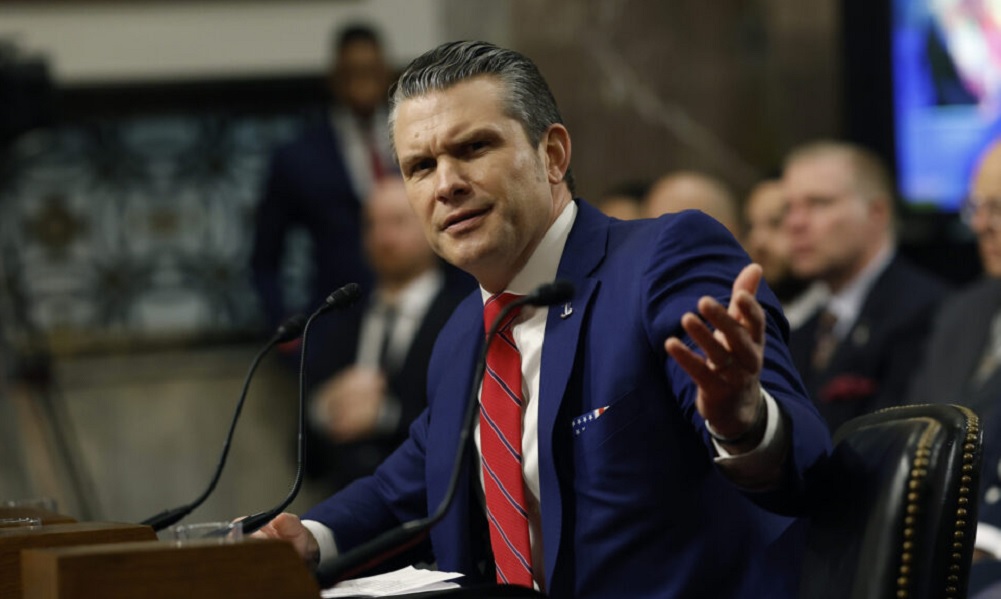
Senior US officials have renewed criticism of America’s 20-year military campaign in Afghanistan, questioning the strategy behind the intervention, the billions of dollars spent and the chaotic withdrawal of international forces in August 2021.
The latest remarks have reopened debate over one of the most costly and controversial chapters in recent US military history, with officials acknowledging serious failures in planning, leadership and the long-term objectives of the mission.
US Defence Secretary Pete Hegseth has criticised the American military establishment for failing to conduct a comprehensive examination of the Afghanistan withdrawal, arguing that the lessons of the campaign cannot be properly understood without an honest assessment of what went wrong.
He also pointed to the August 2021 suicide bombing at Kabul airport’s Abbey Gate, which killed 13 US service members, describing the incident as evidence of major operational, strategic and political failures.
Hegseth said the disorderly conclusion of America’s military involvement had also damaged the country’s international credibility.
Criticism has also come from John Sopko, the former Special Inspector General for Afghanistan Reconstruction (SIGAR), who questioned whether Washington ever had a coherent strategy for its involvement in Afghanistan.
Sopko said successive US administrations repeatedly changed the mission’s objectives without establishing a clear understanding of what they ultimately wanted to achieve.
He also raised questions about the enormous financial cost of the intervention, pointing to the collapse of the Afghan government shortly after international forces withdrew, despite years of extensive financial and military support.
The renewed scrutiny comes as Washington continues to maintain its highest travel warning for Afghanistan, advising American citizens against visiting the country.
Relations between Washington and Kabul also remain strained. The United States has not formally recognised the Islamic Emirate of Afghanistan, while Afghan authorities have repeatedly urged Washington to move beyond the legacy of the war and pursue a more constructive relationship based on diplomatic engagement and cooperation.
The latest criticism highlights continuing questions in Washington over whether the Afghanistan intervention achieved its objectives, why the Afghan government collapsed so rapidly and what lessons the United States has drawn from two decades of military involvement.
Latest News
Shoigu calls for closer cooperation with Kabul, warns of new drug trafficking threats in central Asia
Shoigu added that the meeting addressed drug trafficking within the CIS region, including the previous threat posed by opiates originating from Afghanistan.
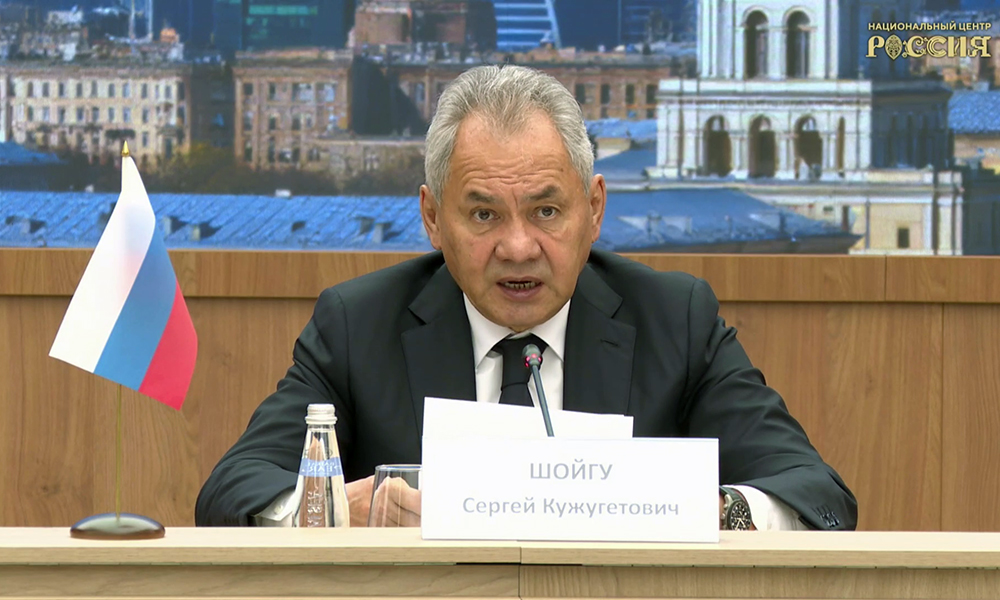
Afghanistan’s security situation and its impact on regional stability were among the issues highlighted by Russian Security Council Secretary Sergei Shoigu during a meeting of security council secretaries from the Commonwealth of Independent States (CIS).
Shoigu stressed the importance of constructive cooperation with Kabul, saying that developments in Central Asia directly affect stability in Afghanistan. He said cooperation with Afghanistan is a shared priority in the fields of security, economic development and regional cooperation.
Speaking to reporters following the meeting, Shoigu also warned about emerging threats linked to drug trafficking, particularly the spread of synthetic drugs, describing them as a serious regional challenge.
He noted that drug trafficking networks are increasingly using contactless delivery methods and alternative payment systems, including cryptocurrencies, making coordinated efforts among countries essential.
Shoigu added that the meeting addressed drug trafficking within the CIS region, including the previous threat posed by opiates originating from Afghanistan.
He called for joint regional efforts to counter new forms of drug trafficking and strengthen security cooperation among member states.
Latest News
IEA rejects US travel warning, says no threat to foreign nationals in Afghanistan
His remarks came after the US Department of State placed Afghanistan among 23 countries under its Level 4 travel advisory, urging American citizens not to travel to the country.

The Islamic Emirate of Afghanistan has rejected the US State Department’s decision to place Afghanistan under its highest travel warning, describing the advisory as unjustified and insisting that foreign nationals face no security threats in the country.
Zabihullah Mujahid, spokesperson for the Islamic Emirate, said citizens from various countries, including tourists, diplomats, journalists and businesspeople, continue to visit Afghanistan.
He added that those visitors maintain relations with various countries, including the United States, and that security forces pay special attention to protecting foreign nationals and individuals linked to international organisations and governments.
Mujahid said the reasons behind Washington’s concerns would be examined, but maintained that, from the Islamic Emirate’s perspective, no one faces a threat in Afghanistan.
His remarks came after the US Department of State placed Afghanistan among 23 countries under its Level 4 travel advisory, urging American citizens not to travel to the country.


US officials revisit Afghanistan war failures
Shoigu calls for closer cooperation with Kabul, warns of new drug trafficking threats in central Asia
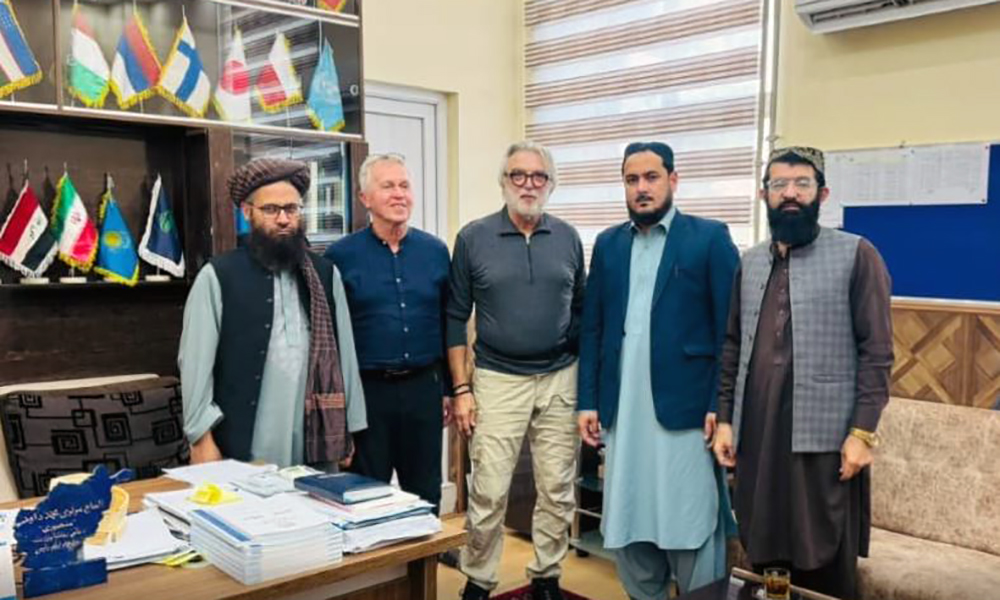
German medical team launches free surgical mission at Bamiyan provincial hospital

Trump says further US attacks on Iran ‘highly unlikely’ as peace talks gain momentum
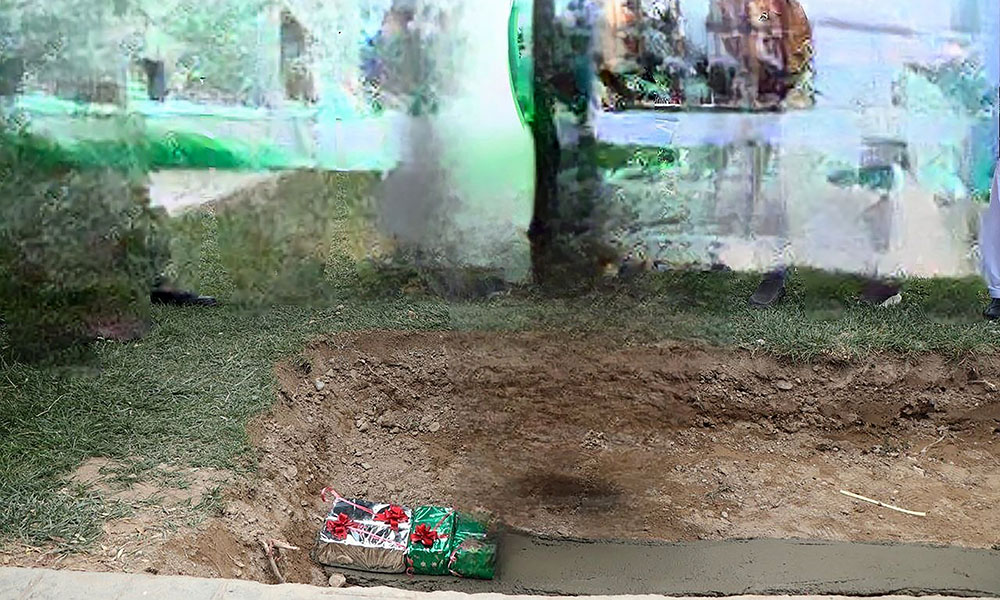
$30 million pharmaceutical investment launched in Herat as new production line opens

Afghanistan finish runners-up after 6-0 defeat to Brazil in futsal final

Trump says US may strike Iran’s ‘Pickaxe Mountain’ nuclear facility

Afghan futsal coach: Brazil tournament is first step towards new goals and World Cup

Pakistan deploys military to Peshawar after emergency rule declared

Violent protests spread across Europe as Albanian PM blames ‘foreign hand’
Trump says further US attacks on Iran ‘highly unlikely’ as peace talks gain momentum
Tahawol: Geopolitical developments in the Middle East
Saar: EU’s engagement with Afghanistan
Tahawol: Afghanistan’s participation in Shanghai Plus security meeting discussed
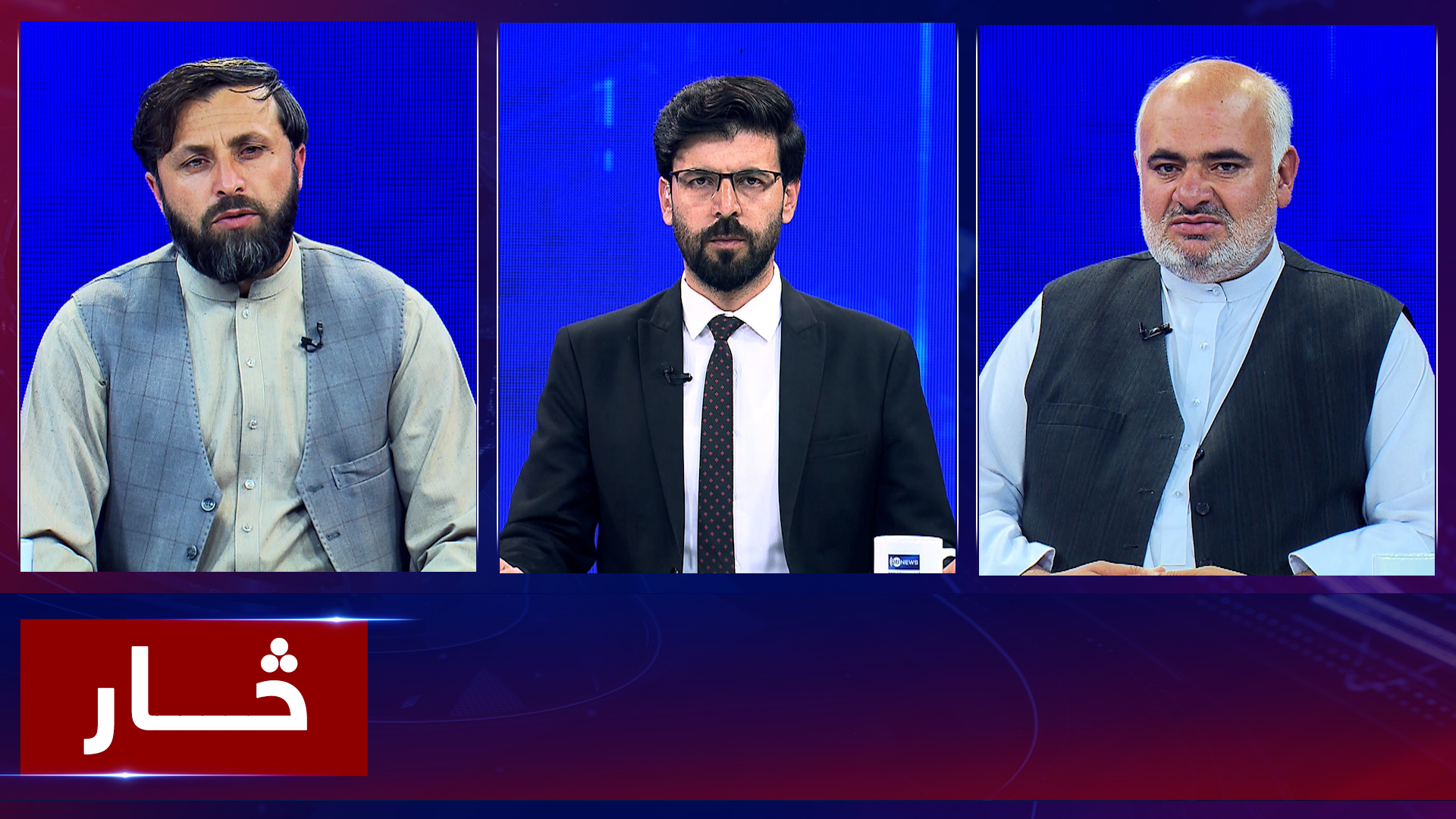
Saar: Afghanistan’s declining humanitarian aid funding discussed
-

 International Sports5 days ago
Cristiano Ronaldo announces international retirement
-
 World5 days ago
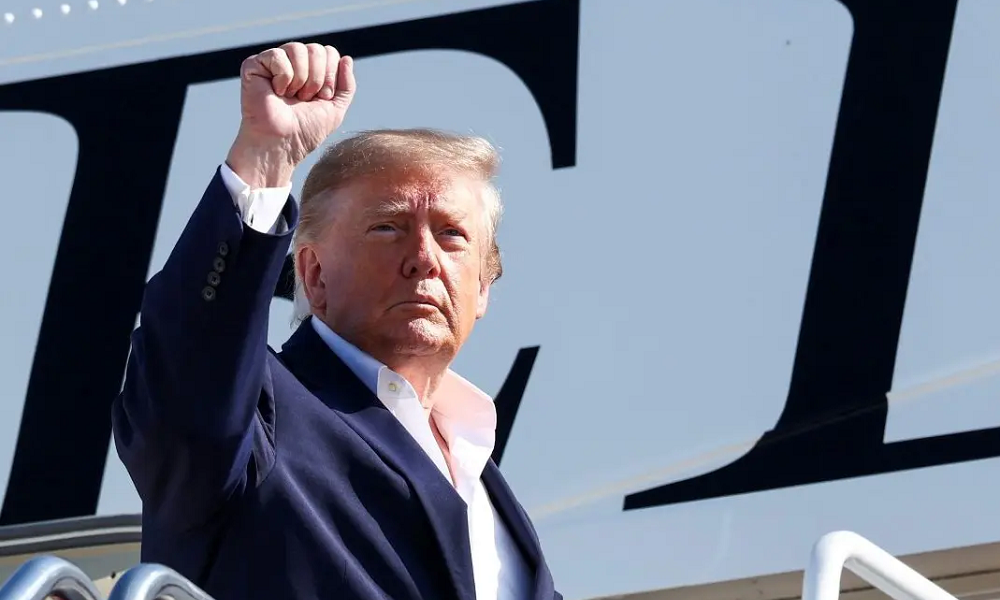
White House declares ‘Trump is still your president’ after Republicans suffer sweeping midterm defeats
-
 Regional4 days ago
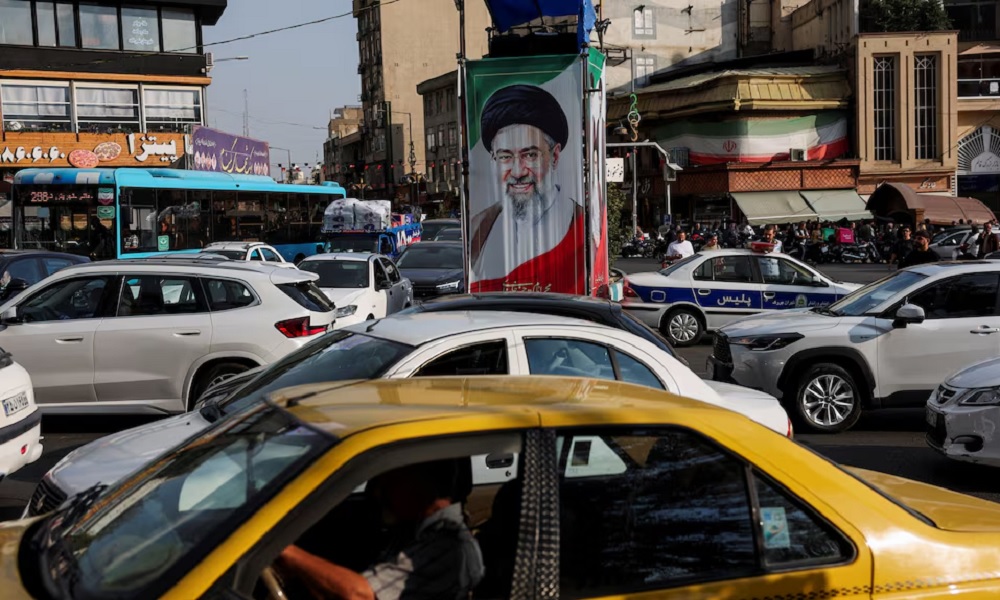
Iran sent nuclear proposal to the US via Qatar, senior Iranian official tells Reuters
-
 Latest News5 days ago
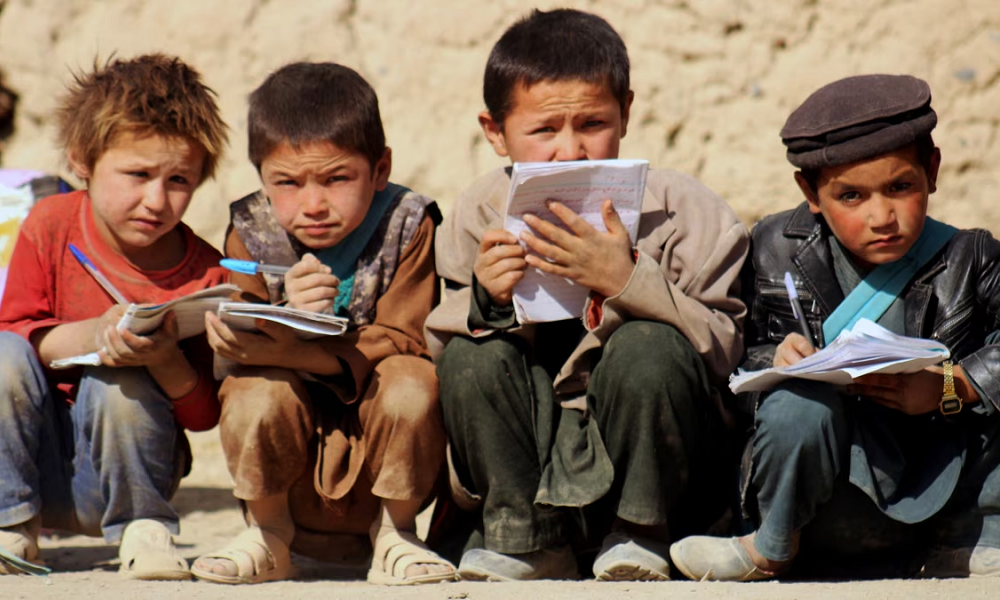
More than half of Afghan primary school-age children out of school: UN report
-
 Tahawol5 days ago
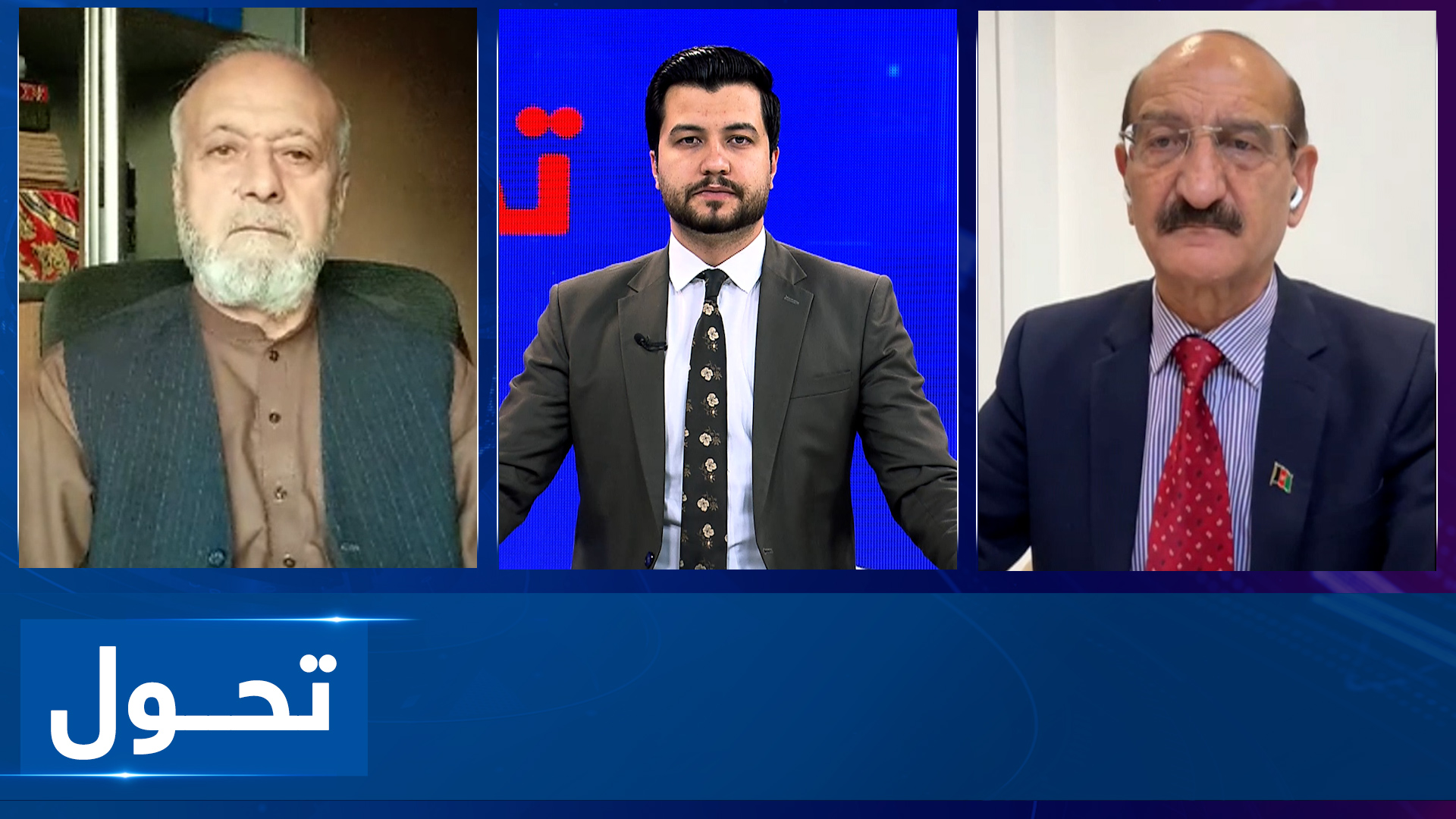
Tahawol: Calls for stronger joint action against terrorism discussed
-
 Sport2 days ago
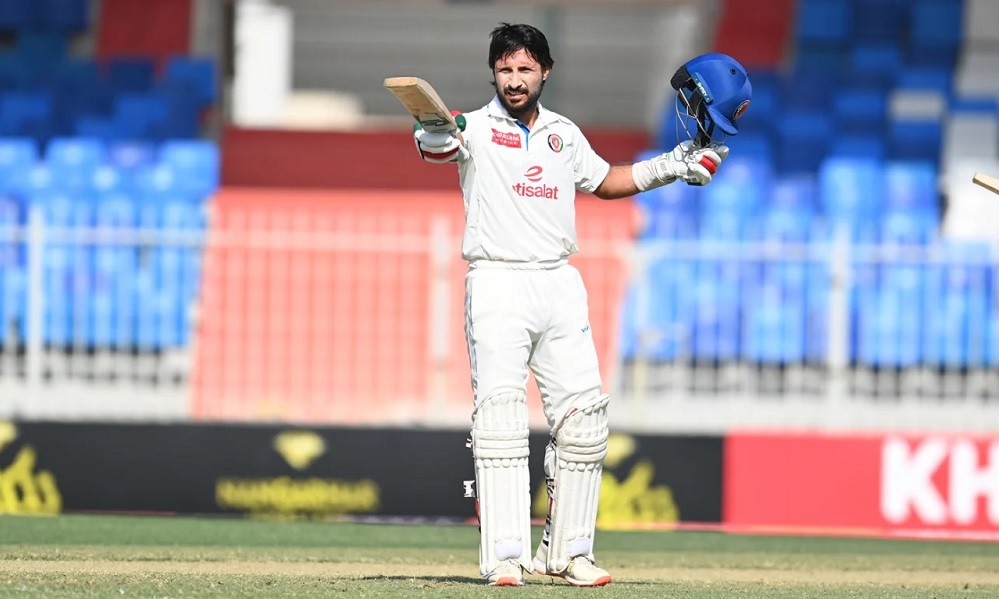
Afghanistan’s record partnership highlights fourth day of Test against Zimbabwe
-
 Sport4 days ago
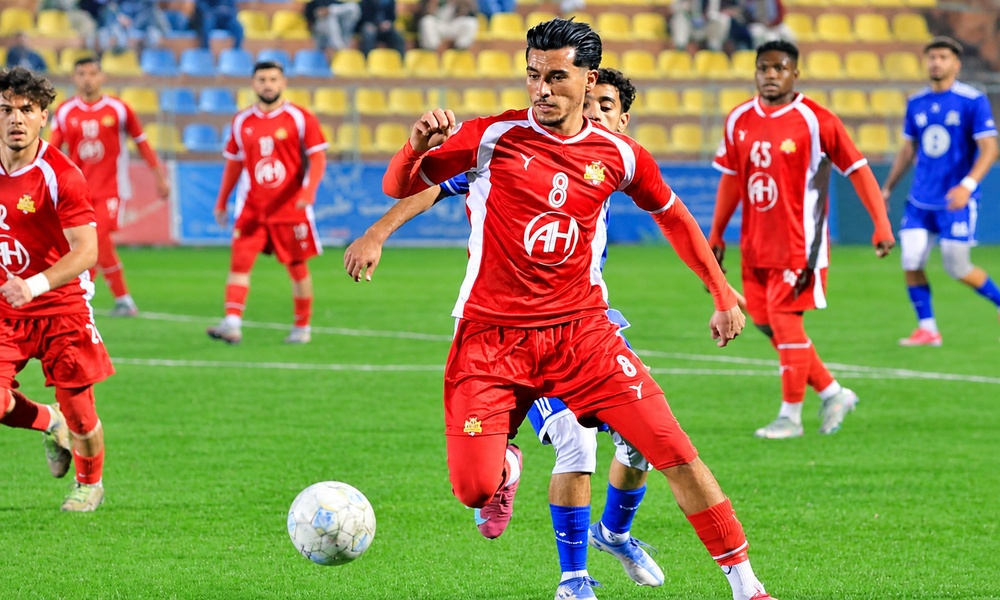
Abu Muslim Farah claim convincing 3-0 win over Omar Zawak in ACL
-
 Regional3 days ago
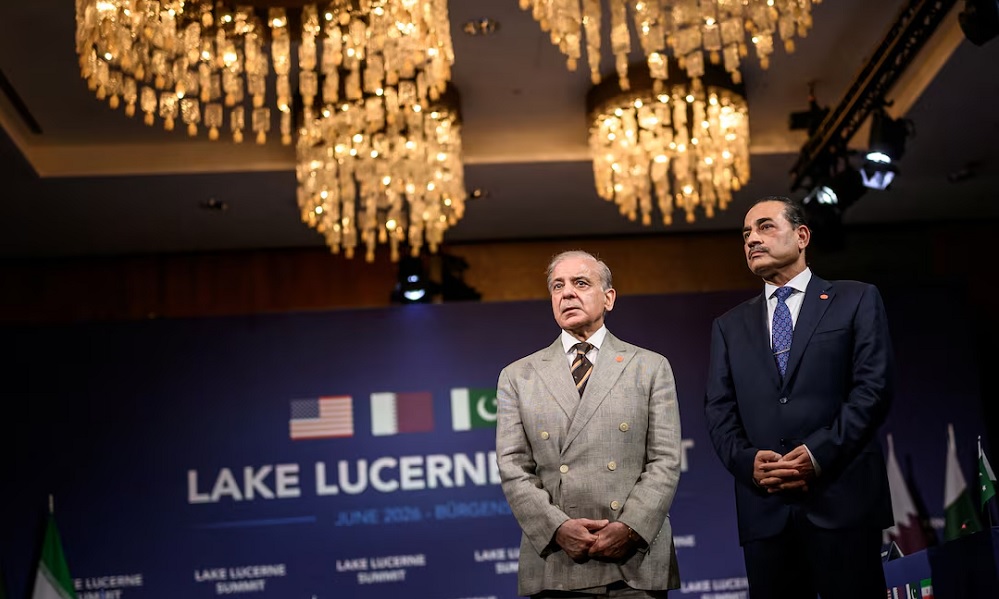
Pakistan’s leaders dread US Democrats’ win but its households are praying for it