
Latest News
Joint statement regarding the US-Taliban agreement

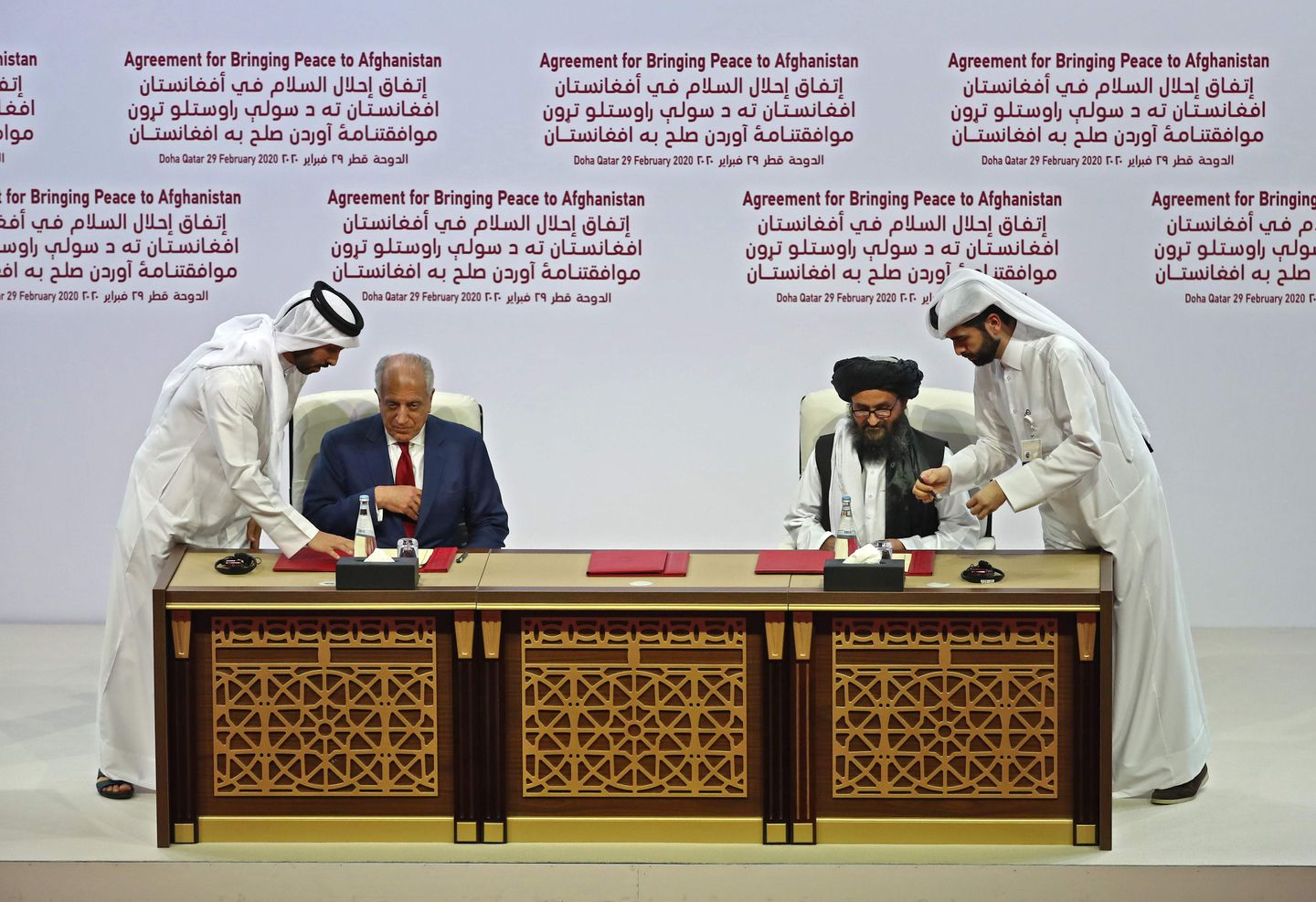
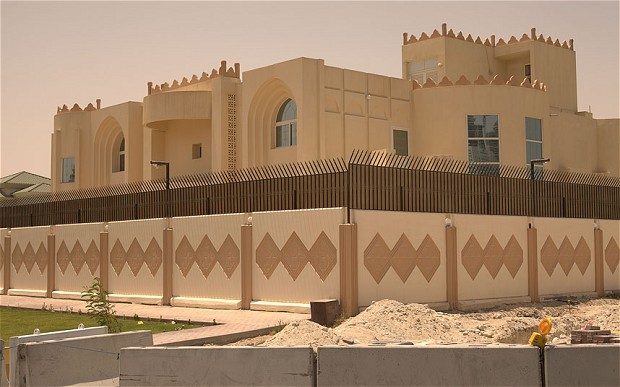 A joint statement was agreed on the occasion of the signing of the US-Taliban Agreement on February 29 in Qatar.
The representatives of the United States, France, Germany, Italy, Norway, the European Union, the United Kingdom, and the United Nations met on March 1 in Doha, Qatar and:
- Welcomed the important steps, enabled by the United States – Taliban agreement and the United States – Afghanistan joint declaration of February 29, towards ending the war and opening the door to intra-Afghan negotiations scheduled for March 10.
- Expressed their readiness to work towards a comprehensive and sustainable peace agreement that ends the war, contributes to regional stability and global security, respects the internationally-recognized rights of all Afghans also reflected in the Afghan Constitution and is honored by all Afghans, including the Government of the Islamic Republic of Afghanistan, political leaders, civil society and the Taliban.
- Reiterated that a comprehensive and sustainable peace can be achieved only through an inclusive negotiated political settlement among Afghans, in which, notably, women participate meaningfully, and by respecting Afghanistan’s integrity and sovereignty.
- Reaffirmed that the Islamic Emirate of Afghanistan is not recognized by the international community, and furthermore, the international community will not accept or support the restoration of the Islamic Emirate of Afghanistan.
- Welcomed the Taliban committing to join a political process and their prospective role in a new post-settlement Afghan Islamic government as determined by the intra-Afghan negotiations.
- Appreciated the February 22-28 reduction of violence and urged all sides to further decrease violence in order to create an environment conducive to intra-Afghan negotiations.
- Called on the Taliban and other Afghan armed groups to take concrete steps to ensure that the territory of Afghanistan should not be used by either them or al-Qa-ida, Daesh, or other international terrorist groups to threaten or attack other countries.
- Stated their expectations that all sides will observe a ceasefire for the duration of intra-Afghan negotiations to enable participants to reach agreement on a political roadmap for Afghanistan’s future and the modalities of a permanent and comprehensive ceasefire.
- Called on all Afghans to begin discussions immediately on issues of mutual concern, such as prisoner releases and a ceasefire.
- Reaffirmed existing commitments to provide political support and economic and development assistance to a future Afghan government, provided that it preserves and respects the internationally-recognized rights of all Afghans also reflected in the Afghan Constitution, including for women, youth and minorities, and responds to the desire of Afghans to build on the gains achieved since 2001.
- Reaffirmed existing commitments to continue assistance to the Afghan National Defense and Security Forces on a sustainable basis.
- Took note of the readiness of the United States upon the commencement of the intra-Afghan negotiations to engage with other members of the United Nations Security Council and Afghanistan to review the status of sanctions designations in order to support the peace process, noting that Taliban action to further reduce violence, make sustained efforts to advance intra-Afghan negotiations and otherwise cease to engage in or support activities that threaten the peace, stability, and security of Afghanistan or other countries will affect the review.
- Encouraged all countries to support the Afghan people and contribute to a lasting peace settlement in the interest of all.
- Welcomed all international efforts that support the Afghan peace process.
Source: https://eeas.europa.eu/headquarters/headquarters-homepage_en/75807/Afghanistan:%20Joint%20Statement%20on%20the%20Signing%20of%20the%20U.S.-Taliban%20Agreement?fbclid=IwAR380MGQG8Ldyr27YIWoRnmXCJ5b6oFyHbCsyjYMTzkei1JgRLfPQwd_NWc

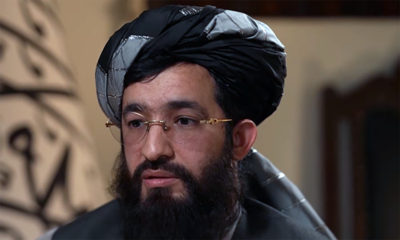








Kazakhstan’s Foreign Minister Mukhtar Tileuberdi has called for pragmatic and coordinated international engagement with Afghanistan, saying the country’s long-term stability is closely linked to the security and sustainable development of Central Asia.
Speaking during the general debate of the 81st session of the United Nations General Assembly in New York on Friday, Tileuberdi said humanitarian assistance to Afghanistan remains essential but alone cannot break the cycle of poverty, displacement and dependency.
He said Kazakhstan supports a “pragmatic, coordinated and step-by-step” approach to international engagement with Afghanistan, with the United Nations playing a central role.
Tileuberdi also said Kazakhstan is working with the UN to operationalize the United Nations Regional Centre for the Sustainable Development Goals for Central Asia and Afghanistan in Almaty.
He said the success of the centre should be measured by the results and assistance it delivers to the region.


Abu Muslim Farah defeat Khurasan Faryab 2-0 in ACL season six

Saar: Concerns over Pakistan’s political crisis discussed

Afghanistan Champions League: Omar Zawak Herat beat Toofan Herat 1-0

Blast in Pakistan’s Dera Ismail Khan kills 11, injures 30

Ariana Afghan Airlines increases Kabul-Delhi cargo flights

Saudi energy group signs major Afghanistan deals covering gas exploration and pipeline plans

Trump floats idea of renaming Atlantic or Pacific Ocean

US hits Egyptian bank branches with Iran sanctions as war marks six months

Nepal flood rescue mission enters critical phase as thousands remain missing

Iranian clubs to face Gulf opponents at neutral venues in Asian Champions League Elite
Saar: Concerns over Pakistan’s political crisis discussed

Exclusive interview with Abdul Latif Mansoor, Minister of MRRD

Tawsia: Overview of Afghanistan’s iron mines

Tahawol: Discussion on fresh Pakistani airstrikes on Afghanistan

Saar: Calls for international support for Afghanistan discussed
-

 World5 days ago
CNN, MS NOW and Politico sue Trump, challenging White House ban
-

 Latest News3 days ago
Ariana Afghan Airlines ranks seventh among 45 Central Asian airlines
-

 Latest News4 days ago
UN reiterates call for respect for international law after Kunar airstrikes
-

 Regional3 days ago
US and Iran hold first talks since June after Trump’s ‘annihilation’ threat
-

 Latest News3 days ago
Silk Road highway in Wakhan corridor now reaches the China border
-

 Latest News4 days ago
Afghan Official: Pakistan’s airstrikes will not go unanswered
-

 Sport4 days ago
Afghan boxing referee heads to China for international festival
-
 Regional5 days ago
G7 foreign ministers call on Iran to stop arming Houthis