
Latest News
Officials criticize Biden vetting, but Afghan shooting suspect was granted asylum under Trump

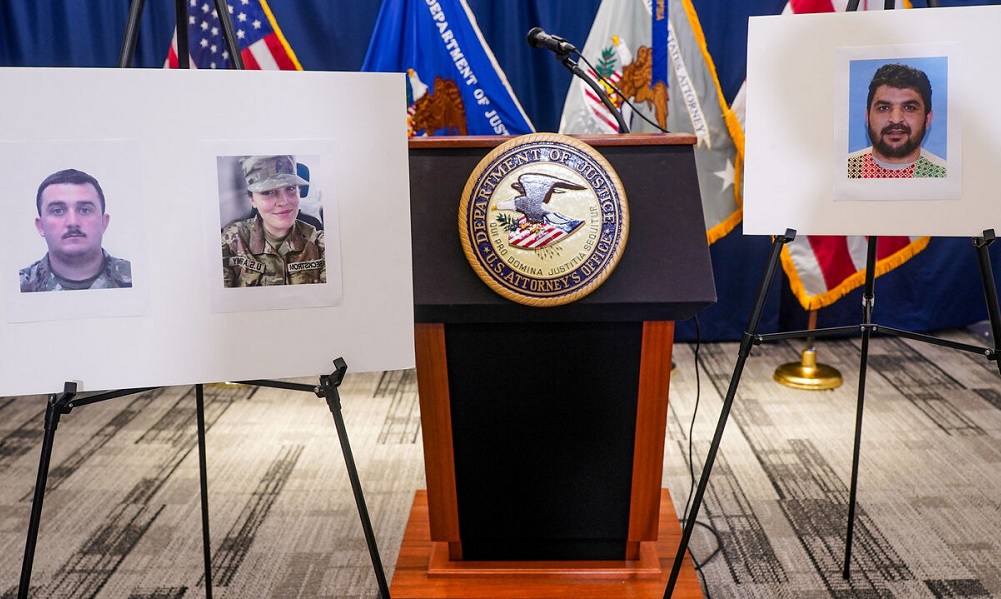
The Trump administration on Thursday blamed Biden-era vetting failures for the admission of an Afghan immigrant suspected of shooting two National Guard members in Washington, D.C., but the alleged gunman was granted asylum this year under President Donald Trump, Reuters reported citing a U.S. government file.
Rahmanullah Lakanwal, a 29-year-old Afghan national, entered the U.S. on September 8, 2021, under Operation Allies Welcome. The resettlement program was set up by former Democratic President Joe Biden after the U.S. military withdrawal from Afghanistan in August 2021 that led to the rapid collapse of the Afghan government and the country’s takeover by the Islamic Emirate.
FBI Director Kash Patel and Jeanine Pirro, the U.S. Attorney for the District of Columbia, both Trump appointees, said during a press conference on Thursday that the Biden administration had failed to conduct adequate background checks or vetting on Lakanwal before allowing him to enter the U.S. in 2021.
Neither official provided any evidence to support their assertion.
Patel said Lakanwal, who had worked with U.S. government forces during the U.S. war in Afghanistan, was improperly allowed to enter the U.S. because “the prior administration made the decision to allow thousands of people into this country without doing a single piece of background checking or vetting.”
The program, which allowed more than 70,000 Afghan nationals into the U.S., according to a congressional report, was designed with vetting procedures, including by U.S. counter-terrorism and intelligence agencies. But the large-scale and rushed nature of the evacuations led critics to say the background checks were inefficient.
AFGHAN SUSPECT HAD WORKED WITH CIA
Under the Operation Allies Welcome program, Afghans evacuated to the U.S. were granted a two-year “parole” that allowed them to live and work legally and then apply for a more permanent status.
The document reviewed by Reuters said Lakanwal applied for asylum in December 2024 and was approved on April 23 of this year, three months after Trump took office. Lakanwal, 29, who resided in Washington state, had no known criminal history, the official said.
The government file on Lakanwal said he had been vetted by the U.S. because of his work with U.S. government partners during the war in Afghanistan, and no potentially disqualifying information had been found.
“This animal would’ve never been here if not for Joe Biden’s dangerous policies which allowed countless unvetted criminals to invade our country and harm the American people,” said Abigail Jackson, a White House spokeswoman.
CIA Director John Ratcliffe said in a statement that Lakanwal had worked with CIA-backed local units in Afghanistan.
“The Biden Administration justified bringing the alleged shooter to the United States in September 2021 due to his prior work with the U.S. Government, including CIA, as a member of a partner force in Kandahar, which ended shortly following the chaotic evacuation,” Ratcliffe said. “This individual – and so many others – should have never been allowed to come here.”
The shooting of U.S. troops on American soil by an immigrant is likely to reverberate across the American political landscape. Trump has already ordered the deployment of 500 more troops to Washington.
While Lakanwal was in the country legally, the incident plays directly into Trump’s narrative on immigration. He has made cracking down on both legal and illegal immigration a centerpiece of his presidency, and this case may give him an opening to broaden the debate beyond legality to include closer scrutiny of the vetting of immigrants.
In a video message posted by the White House on Wednesday, Trump called Lakanwal an “animal” and the shootings “an act of terror.”
Trump called for a “re-examination” of all Afghan nationals who entered the U.S. during the Biden administration. All immigration applications by Afghan nationals were suspended by the Trump administration on Wednesday night.
U.S. Department of Homeland Security spokesperson Tricia McLaughlin said in a statement that the Trump administration would review all Biden-era asylum cases, expanding on a review of Biden-era refugees reported by Reuters earlier this week.
A source familiar with the matter said the suspension included applications by Afghans who had worked with the CIA.
The attack has also revived Trump administration criticism of the chaotic U.S. withdrawal from Afghanistan in 2021.
The withdrawal led to a collapse of the Afghan government that was much quicker than expected. The evacuation of thousands of Afghans fueled concerns by Republicans that potential terrorists could sneak into the U.S.

Latest News
ASQA holds talks with Iranian trade and standards institutions
In a meeting with members of the Iran Chamber of Commerce, the delegation discussed bilateral trade relations, standardization and ways to address existing challenges affecting commercial exchanges between the two countries.
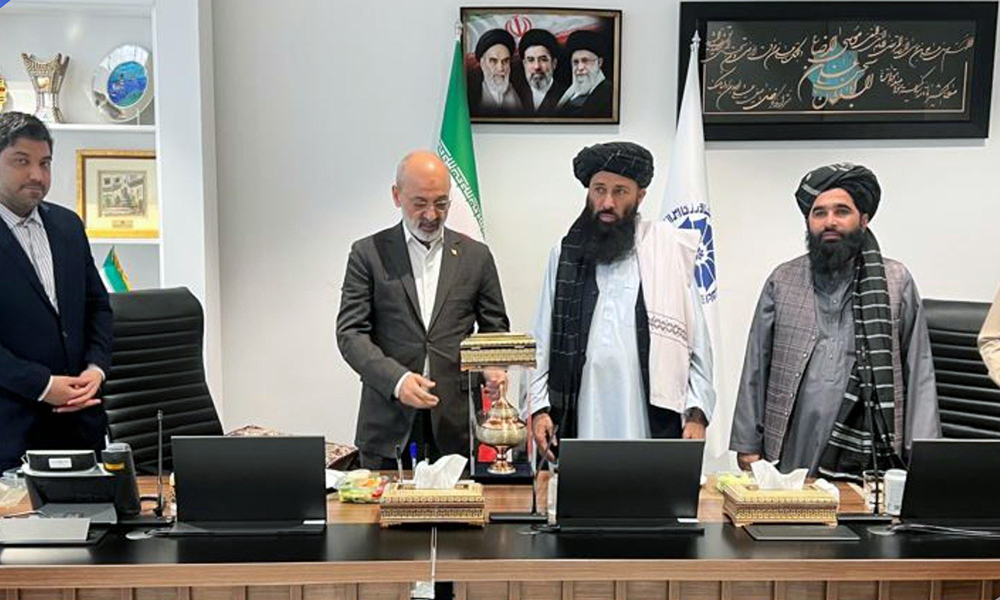
Afghanistan’s Standard and Quality Authority (ASQA) has held a series of meetings with key Iranian trade, accreditation and petroleum export institutions to strengthen bilateral cooperation and address technical barriers to trade.
The delegation, led by ASQA Director General Mullah Abdullah Haji Bashir and Director of Planning and Policy Mufti Mohammad Hamid, held separate discussions with representatives of several Iranian institutions during their ongoing official visit to the country.
In a meeting with members of the Iran Chamber of Commerce, the delegation discussed bilateral trade relations, standardization and ways to address existing challenges affecting commercial exchanges between the two countries.
Talks with the head of Iran’s National Accreditation Center focused on accreditation procedures and the possibility of mutually recognizing conformity assessment results, a move that could help facilitate trade by reducing duplication in testing and certification.
The ASQA delegation also met with officials from Iran’s Oil, Gas and Petrochemical Products Exporters’ Union to discuss challenges facing the export of Iranian petroleum products to Afghanistan and explore practical solutions to address them.
The latest meetings follow discussions held a day earlier between ASQA’s director general and representatives of Iran’s Standards Organization, focusing on strengthening cooperation in the field of standardization.
ASQA said the visit forms part of its efforts to remove technical barriers to trade, improve cooperation with international standards institutions and facilitate more efficient and mutually beneficial commercial exchanges.
Latest News
Islamic Finance Innovation and Knowledge Hub of Afghanistan inaugurated
Da Afghanistan Bank also highlighted the importance of such institutions in supporting the development and stability of Islamic banking in the country, saying it supports their activities.
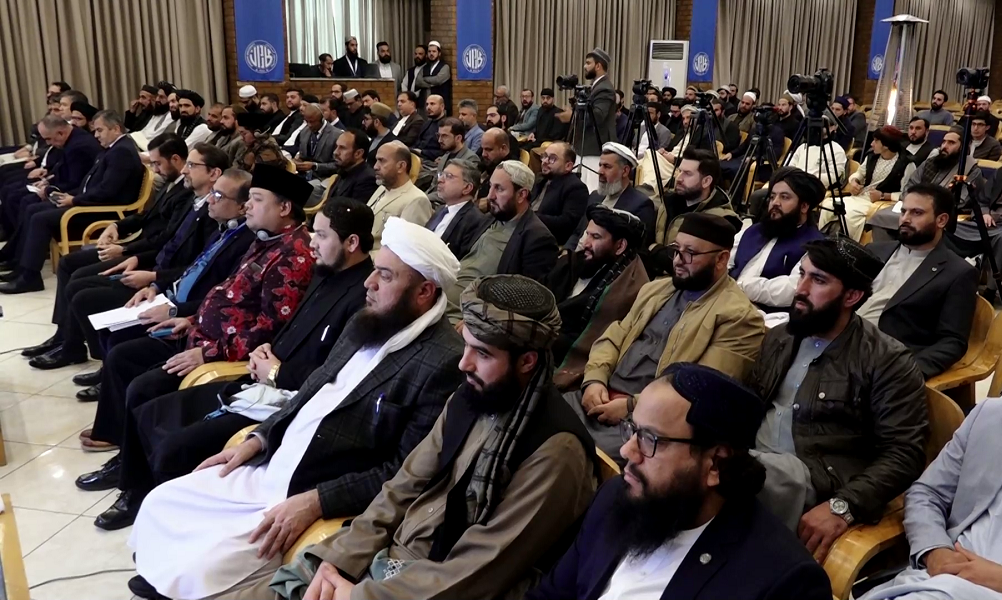
A new research hub dedicated to advancing Islamic banking and finance has been inaugurated in Afghanistan, with officials highlighting its potential role in strengthening the country’s financial system and supporting the transition from conventional to Islamic banking.
Officials from the United Nations Development Programme (UNDP) in Afghanistan said an active research institution dedicated to Islamic finance is particularly important as the country seeks to transition from conventional banking to an Islamic banking system.
Turan Saleh, head of UNDP in Afghanistan, said the country faces several economic challenges, including limited access to international markets, population growth, restricted access to financing for small businesses and electricity shortages. He said establishing such an institution under the current circumstances could play an important role in strengthening the country’s financial and banking system.
Saleh added that UNDP, on behalf of the United Nations family, supports the hub and hopes it will carry out systematic and sustainable research on Islamic finance.
Meanwhile, officials from the Ministry of Economy said Afghanistan holds significant economic potential, particularly in regional investment opportunities involving mining, electricity, transit and other development projects. They stressed that the country needs scientific and research institutions to help advance its financial programmes.
Abdul Latif Nazari, deputy minister of economy, said development models successfully implemented in other countries could also be considered in Afghanistan, particularly through institutions such as the new hub, with a focus on strengthening the country’s infrastructure, including financial infrastructure.
Da Afghanistan Bank also highlighted the importance of such institutions in supporting the development and stability of Islamic banking in the country, saying it supports their activities.
Lutfullah Khairkhwah, head of banking supervision at Da Afghanistan Bank, said Islamic finance remains a relatively underdeveloped field in Afghanistan, with limited research and discussion conducted on the subject.
The Islamic Finance Innovation and Knowledge Hub of Afghanistan is expected to work with banking and financial institutions to promote Islamic finance in the country’s financial transactions. It will also conduct research to support the development of structured policies and scientific studies aimed at strengthening Afghanistan’s Islamic financial system.
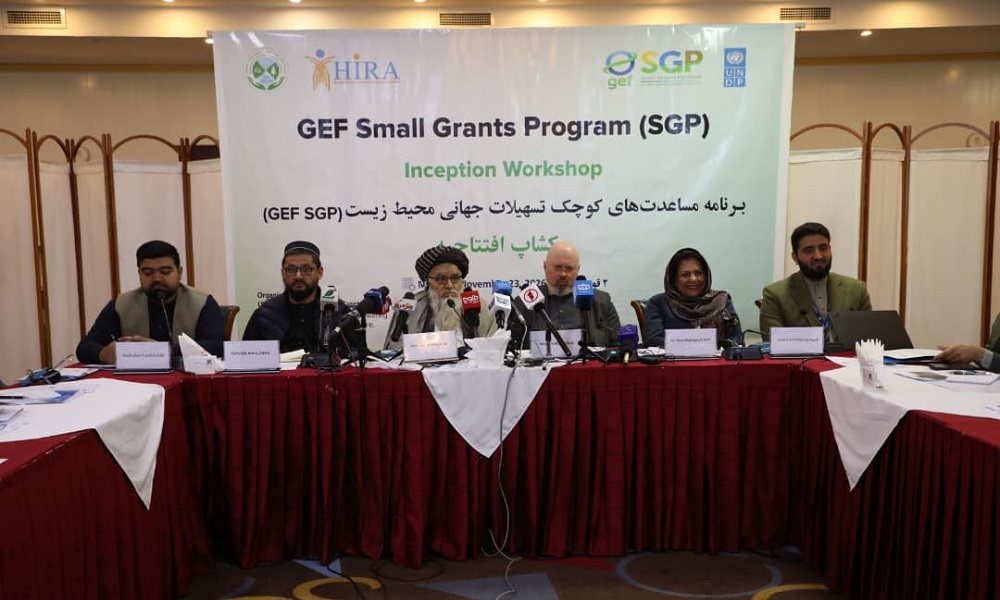
The Global Environment Facility (GEF) has resumed its Small Grants Programme in Afghanistan, reopening opportunities for community-led environmental projects and initiatives aimed at tackling climate change.
Speaking at the programme’s launch ceremony in Kabul, Matiul Haq Khalis, Director General of the National Environmental Protection Agency, described the initiative as an important source of support for local solutions to environmental challenges and greater public participation in conservation efforts.
Khalis said non-governmental organizations could play a key role in protecting natural resources, restoring forests and rangelands, managing water and soil resources, and mitigating the effects of climate change.
He noted that although Afghanistan contributes little to global greenhouse gas emissions, it is among the countries most vulnerable to climate change.
He also called for international environmental assistance to continue without political considerations.
Doel Mukerjee, UNDP Deputy Resident Representative for Afghanistan, also stressed the need for stronger international support, saying the country’s climate conditions had changed significantly since his first visits in 2008 and 2009.
He warned that the pace of climate-related changes demands faster and more decisive action.
The GEF and several other international organizations suspended environmental assistance and projects in Afghanistan in 2021, following the Islamic Emirate’s return to power. The decision drew criticism and prompted continued calls for the resumption of environmental cooperation.
The revival of the Small Grants Programme is expected to create new opportunities for local organizations and communities to implement environmental protection projects and help Afghanistan respond to the growing threats posed by climate change.

ASQA holds talks with Iranian trade and standards institutions
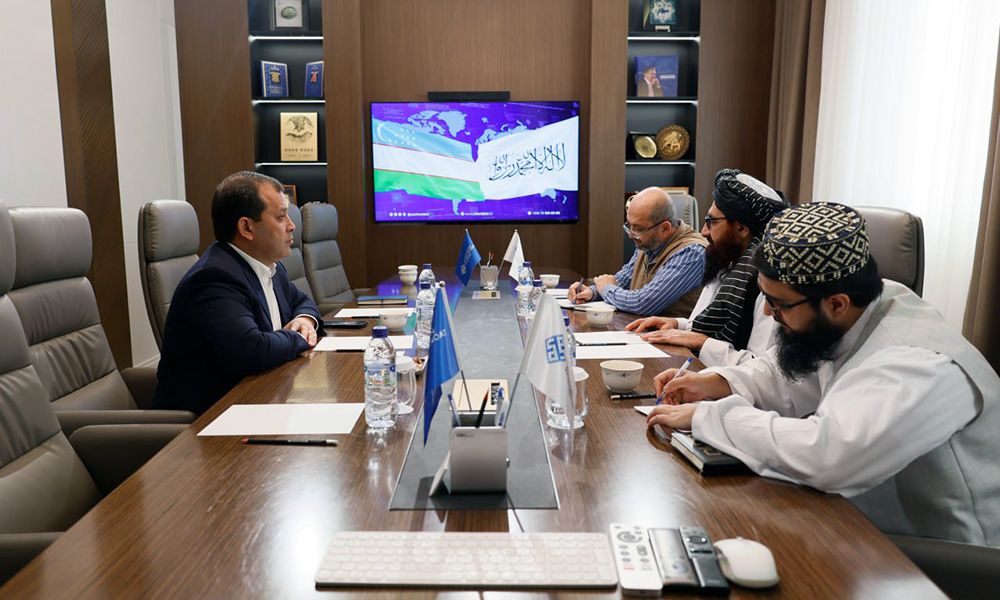
Uzbekistan and Afghanistan seek to expand trade and regional export links
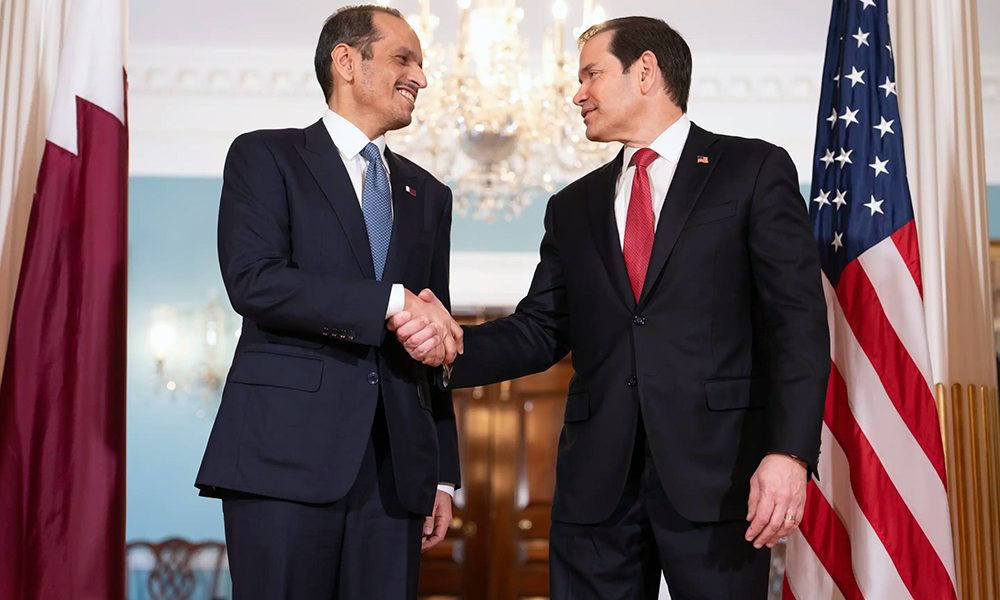
Qatar warns Middle East cannot afford renewed US-Iran escalation
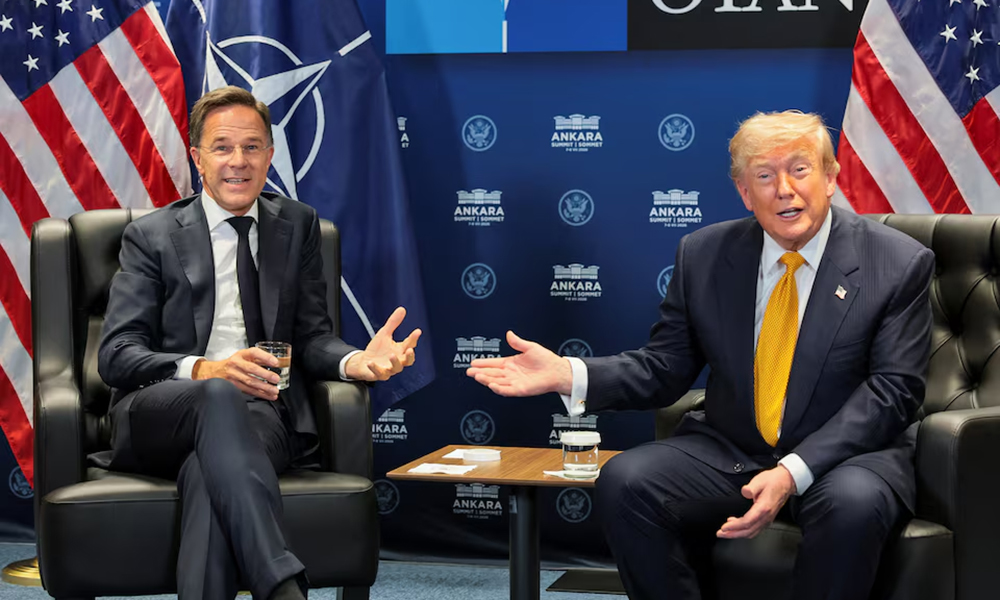
Trump to meet NATO Chief Mark Rutte in Florida amid tensions over Ukraine peace talks
Islamic Finance Innovation and Knowledge Hub of Afghanistan inaugurated
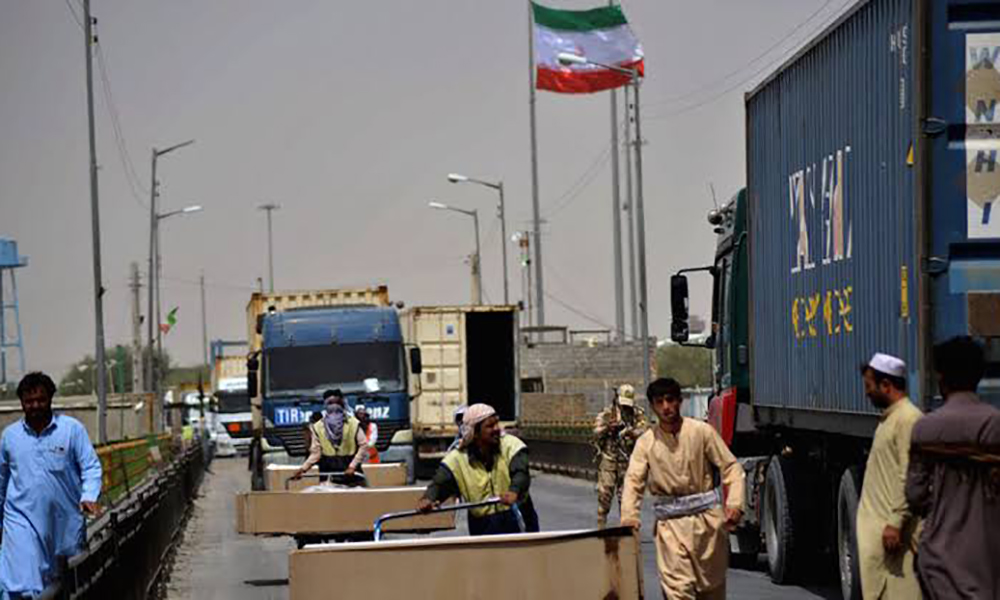
US sanctions and blockade measures disrupt Iran’s trade with Afghanistan and regional neighbors
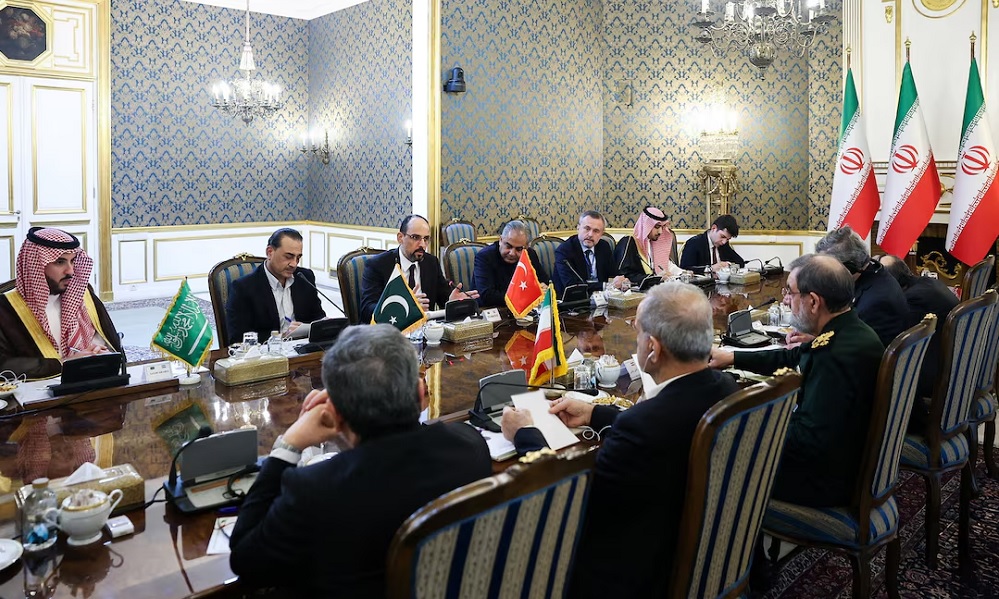
Saudi defence pact countries push for peace in Tehran as Houthis launch more attacks

England forward Kane crowned Ballon d’Or winner
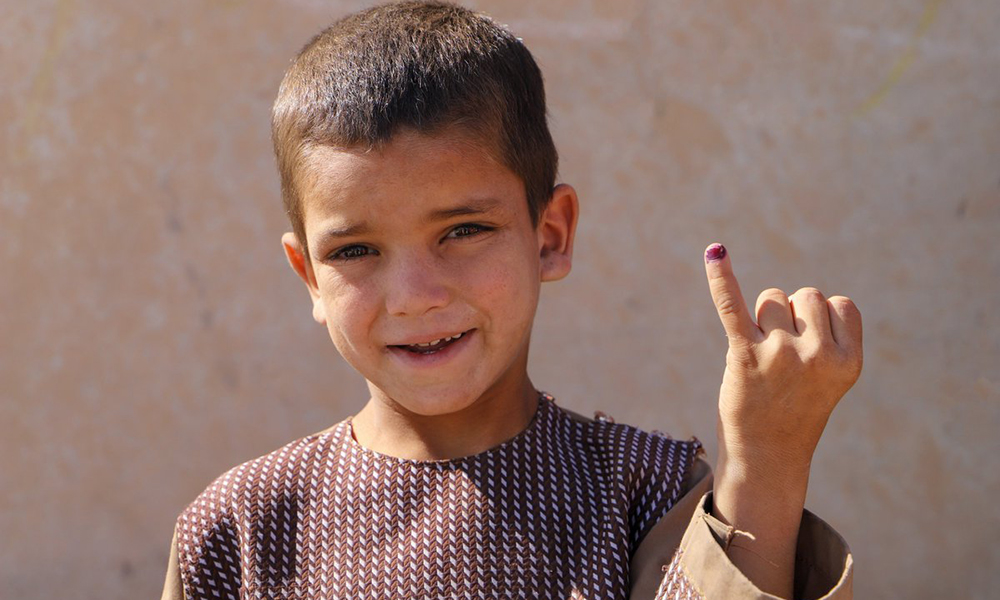
Afghanistan to launch nationwide polio vaccination campaign

WFP report notes high food and fuel costs continue to pressure Afghan households
Qatar warns Middle East cannot afford renewed US-Iran escalation
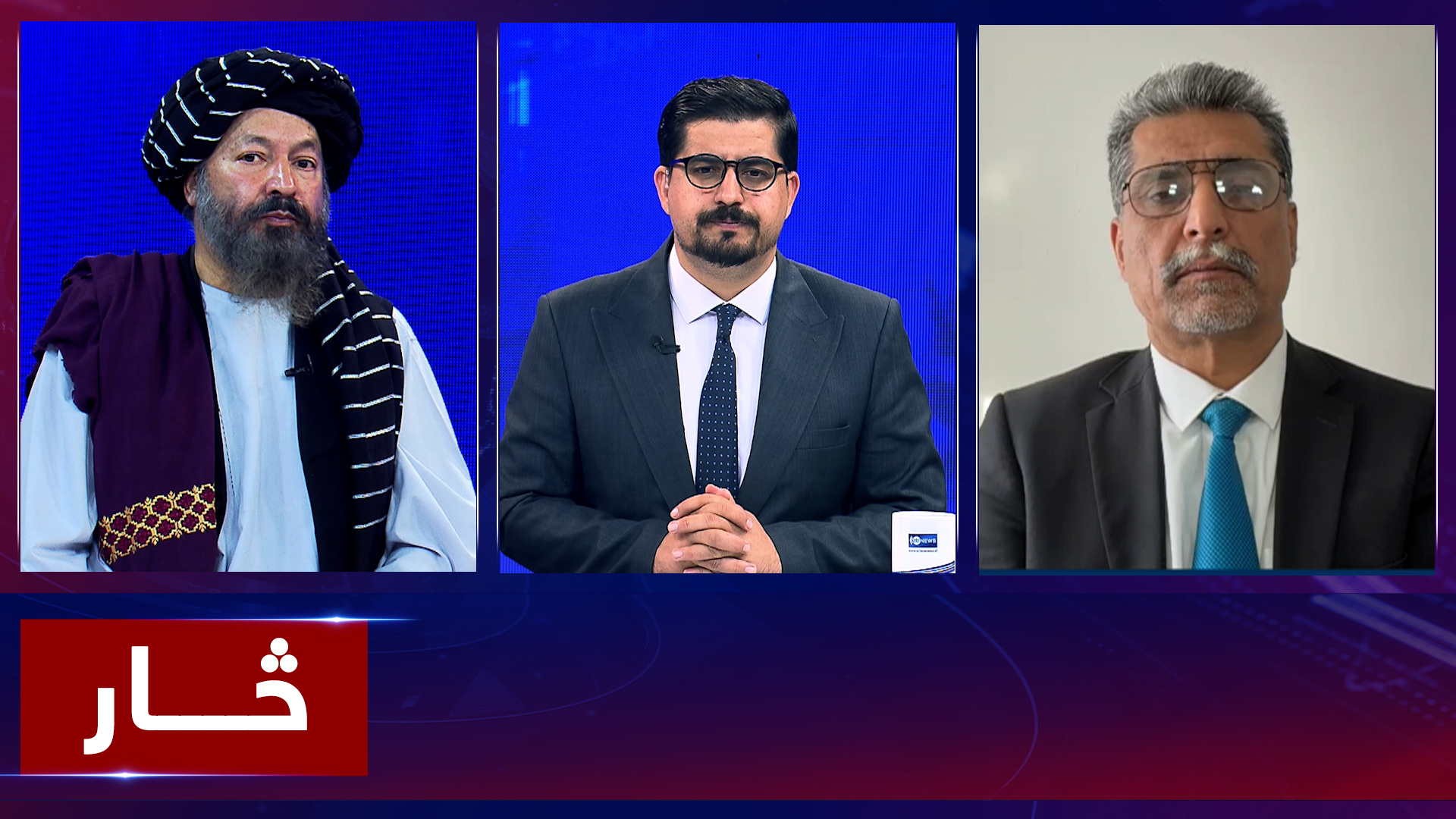
Saar: Return of millions of Afghans to their homeland
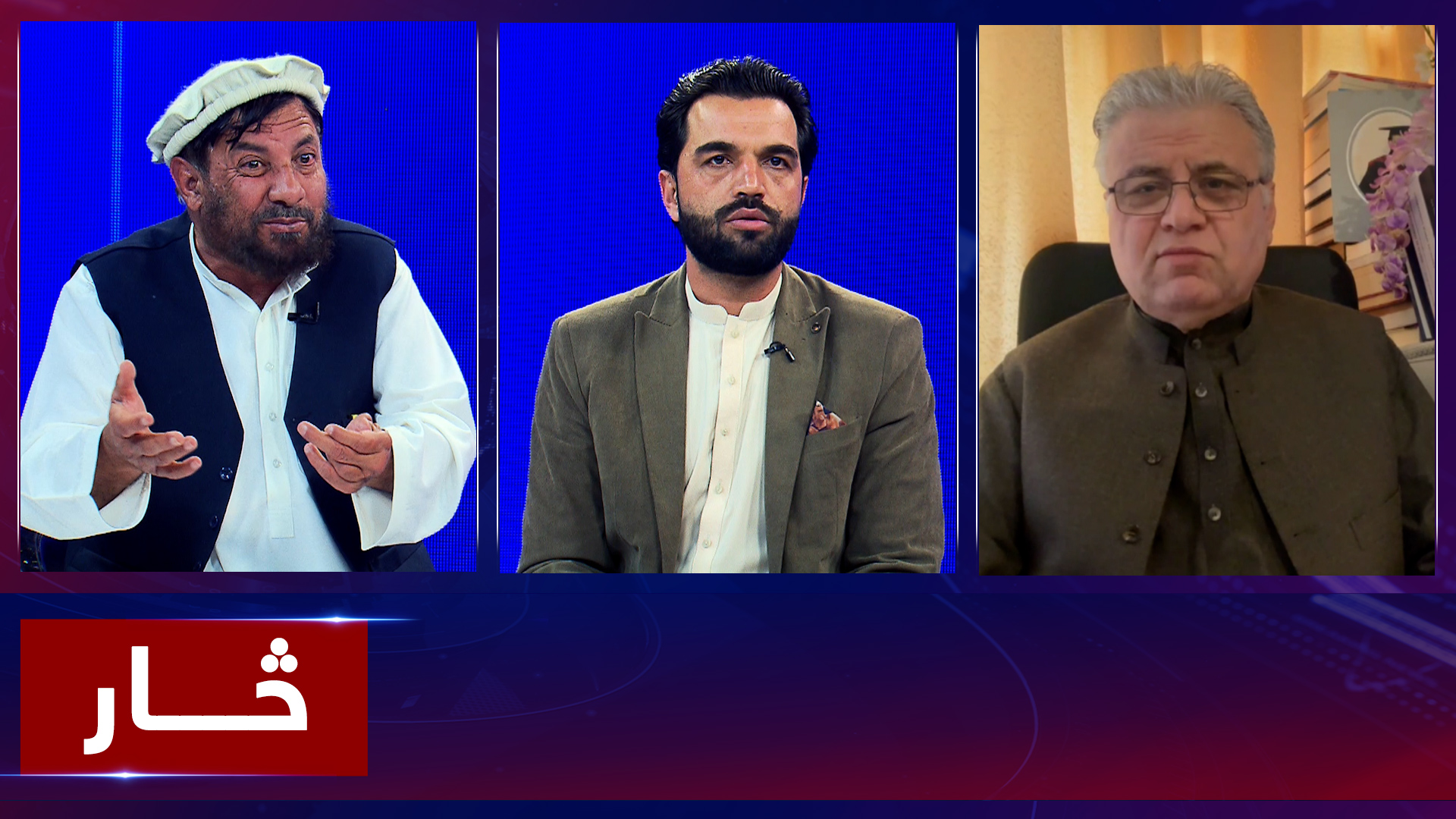
Saar: Pakistan FM’s remarks on Afghanistan
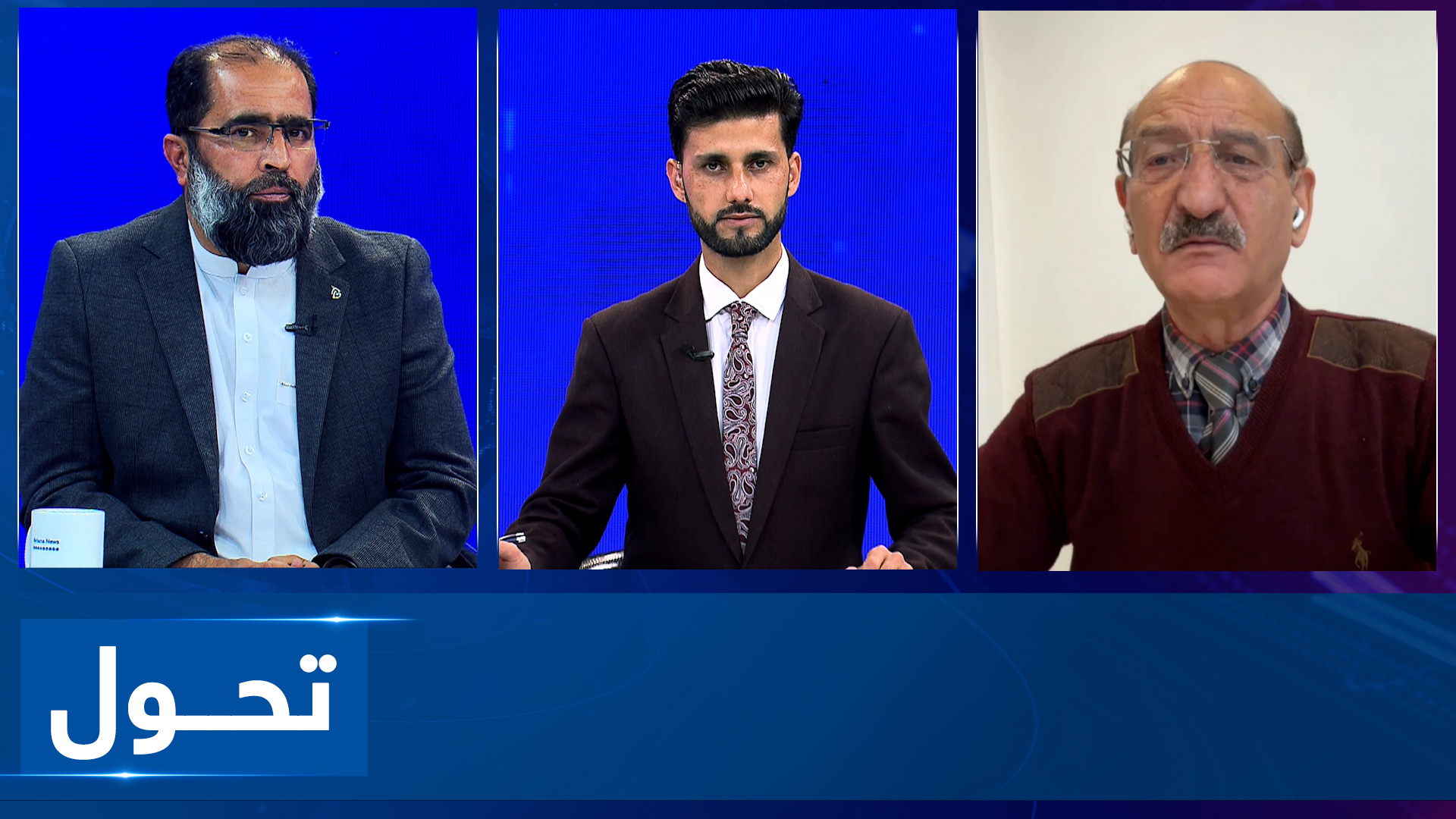
Tahawol: World Television Day discussed
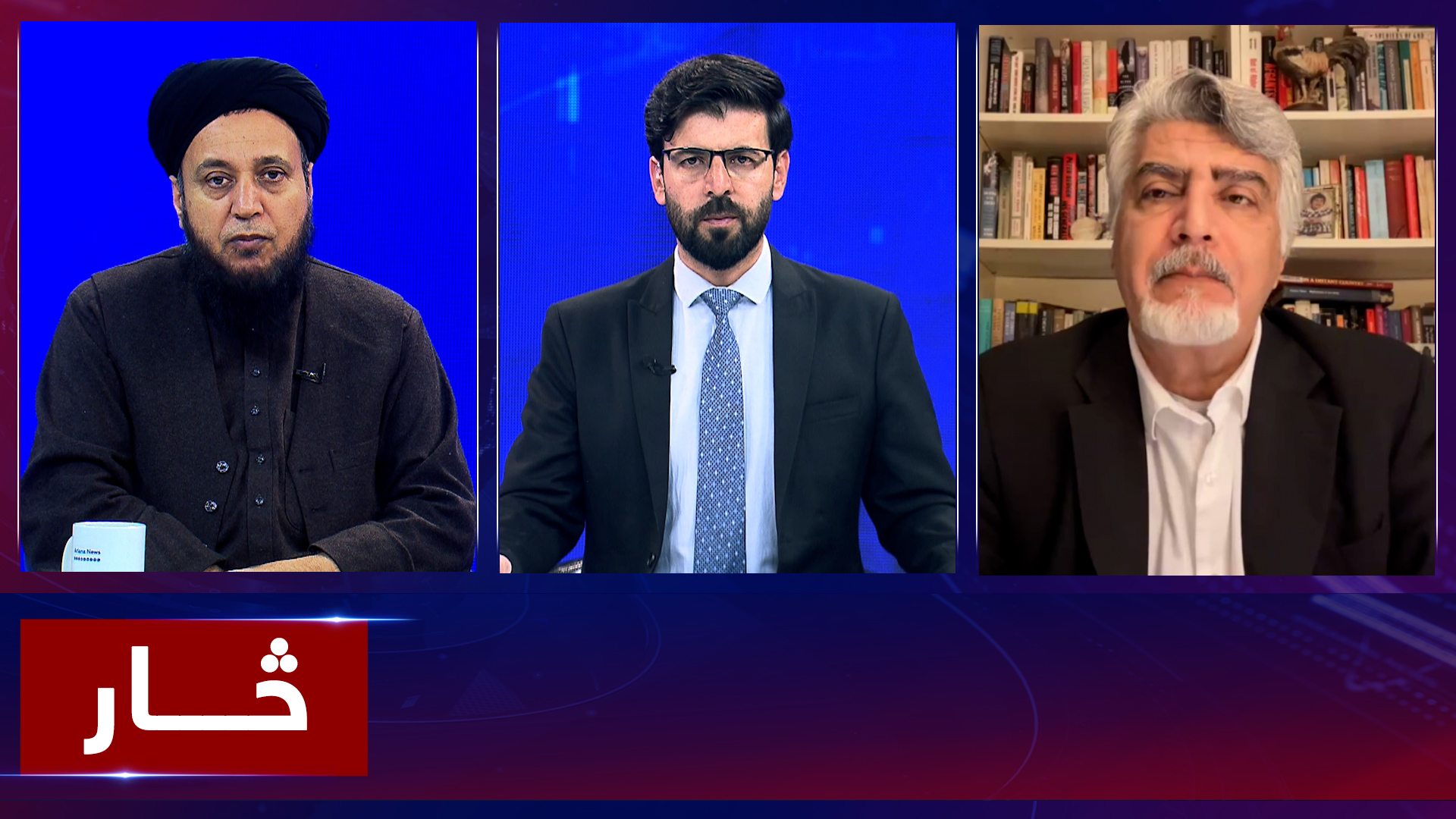
Saar: Efforts to resolve Afghanistan-Pakistan tensions in Moscow reviewed
-
 Sport5 days ago
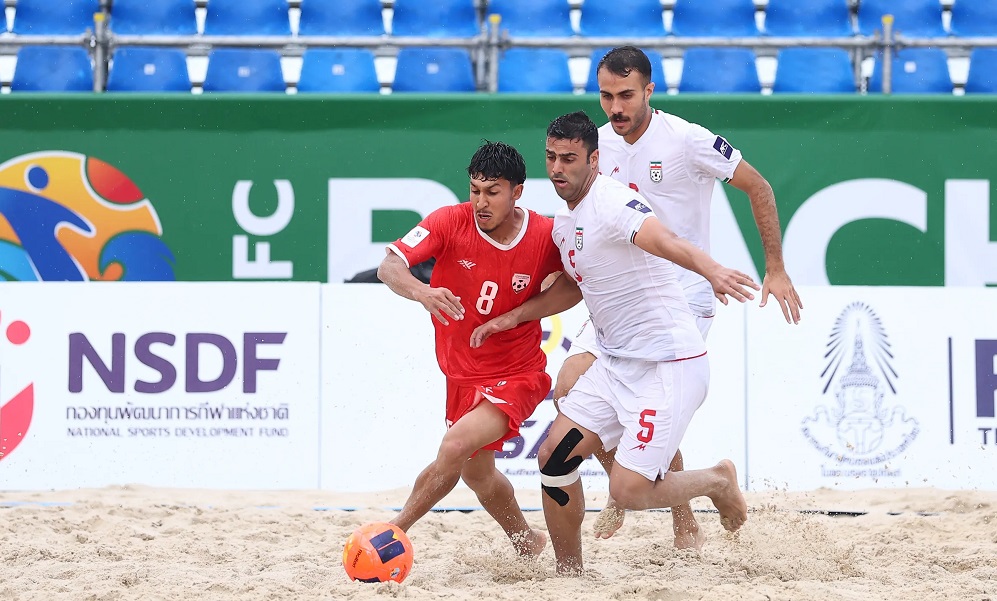
Afghanistan suffer 9-2 defeat to Iran in Beach Soccer Asian Cup opener
-
 Latest News3 days ago
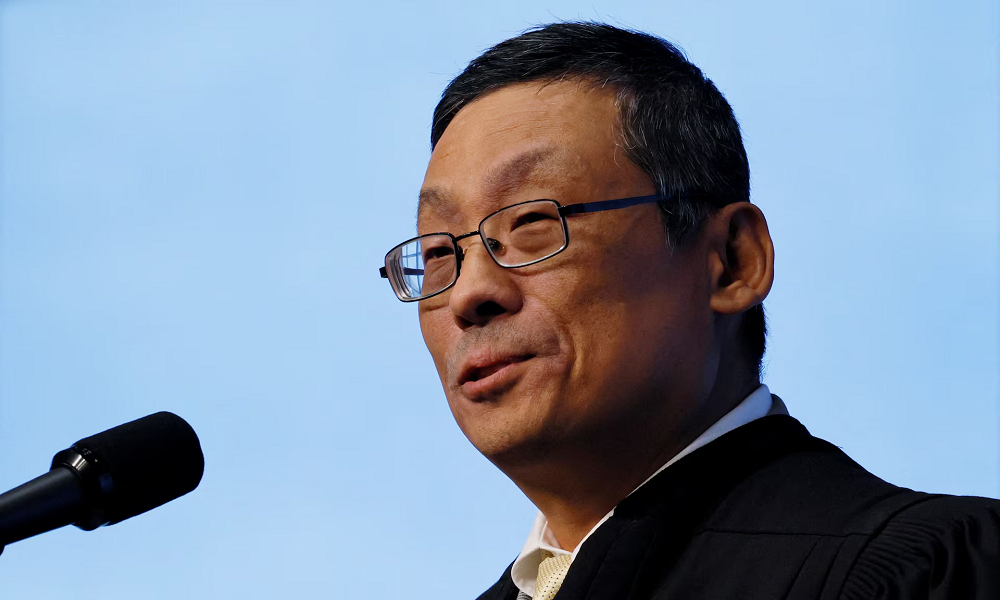
US judge questions Trump administration’s policies targeting refugees
-
 Latest News5 days ago
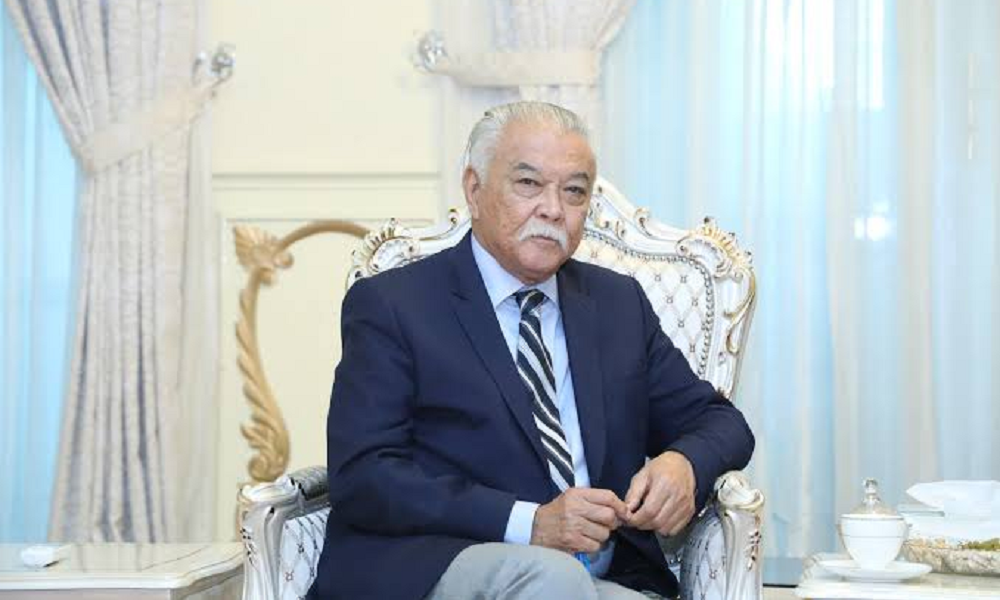
Sweden rejects asylum request of former Afghan ambassador, plans deportation to US: Le Monde
-
 Business4 days ago
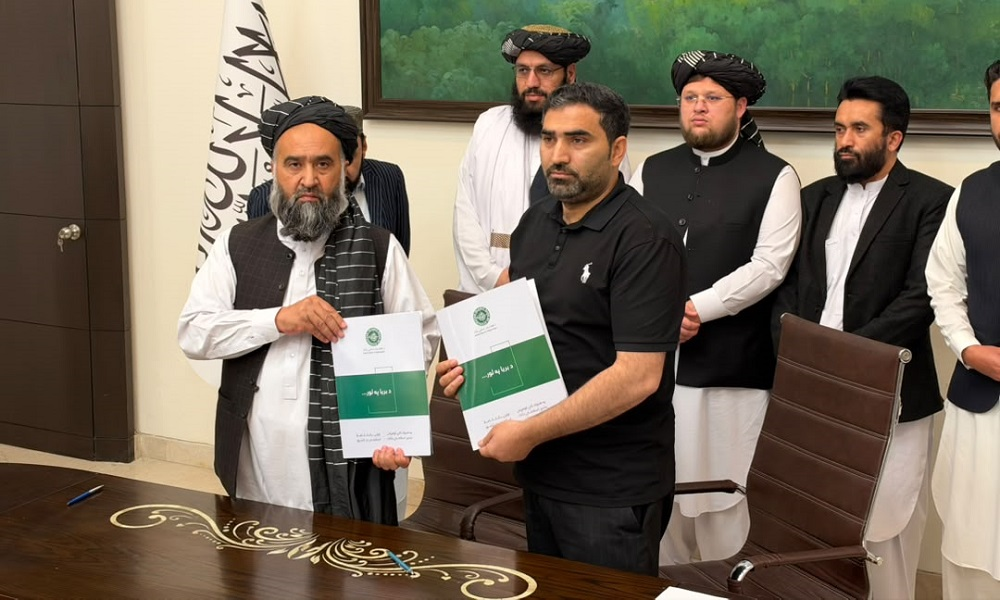
Afghan and Indian traders sign $250 million trade agreements in New Delhi
-
 Sport4 days ago
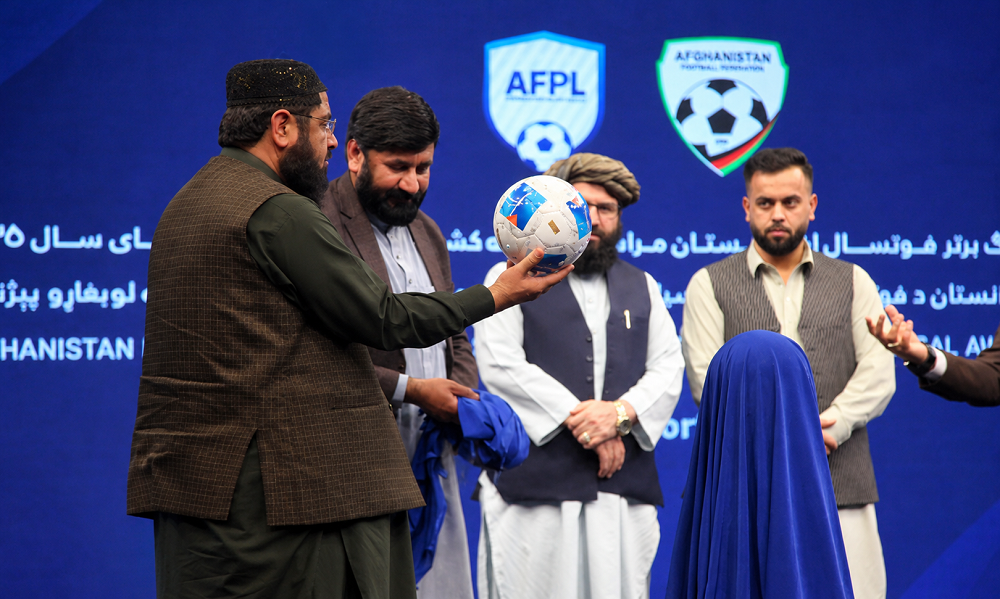
ATN hosts AFPL Season 5 draw and 2025 futsal awards ceremony
-
 World5 days ago
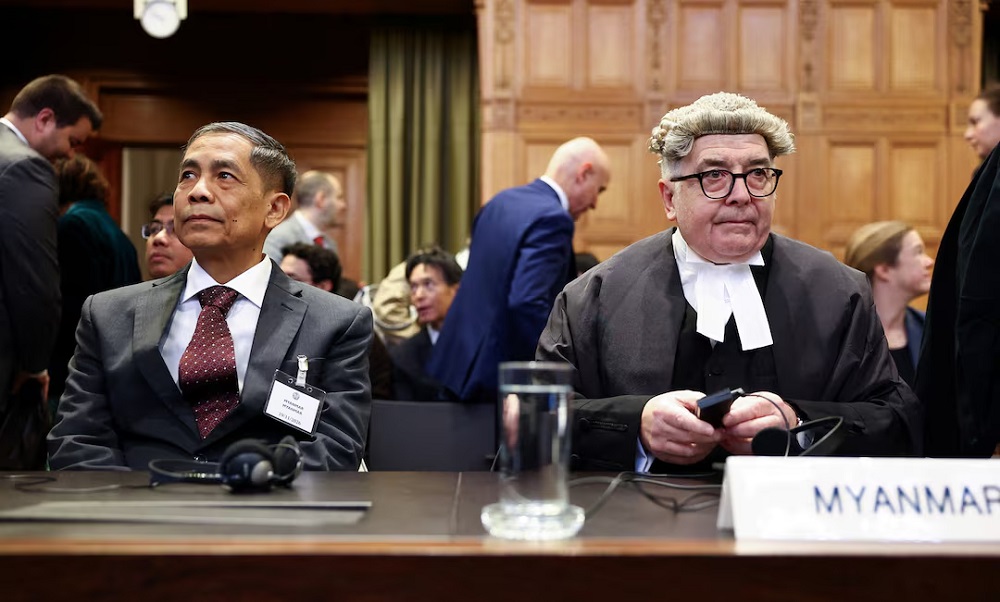
World Court finds Myanmar forces killed thousands of Rohingya, ruling ongoing
-
 Business4 days ago
Kazakhstan increases grain exports to Afghanistan by 1.6 times
-
 World4 days ago
Trump, Xi and Putin release ‘peace declaration’ from unprecedented summit