
Latest News
One year after IEA takeover, Afghans hail security but worry about crippled economy


Afghans on Monday welcomed the improved security situation across the country, on the anniversary of the Islamic Emirate’s (IEA) take over, but raised concerns about the deteriorating economy, rising poverty levels, the high unemployment rate and newly imposed social restrictions.
One civil society activist in Herat province, Shakila Ahmadi said the IEA take over “had negative effects on people’s lives; schools were closed and girls were barred from going to school; there was human capital flight and university lecturers left the country.”
“There should be better moves so that women can return to work. Women should be allowed to work not only in the health sector, but also in other areas,” said Rafia Khatibi, an employee at Herat’s main hospital.
Syed Dawood, a Herat resident, urged IEA to form an inclusive government and allow women to work and get an education.
Despite restrictions on women, some businesswomen have however restarted operations in Herat.
Khalil-ur-Rahman Saqib, a resident of Badghis province, said: “Unfortunately, to be honest they have not performed well in the areas of development and education.”
In Balkh, people have different opinions about the performance of the IEA over the past year.
“The number of drug addicts was high in the city then, but now it has been reduced,” said Sayedullah, a resident of Balkh province.
Ebadullah, another resident of Balkh, complained of rising unemployment and urged IEA to create job opportunities.
Abdul Raouf Tawana, a religious cleric in Balkh, called on the IEA to make their government inclusive and try to gain public support and make the government sustainable.
Officials in Balkh said the security situation has improved after the IEA’s takeover.

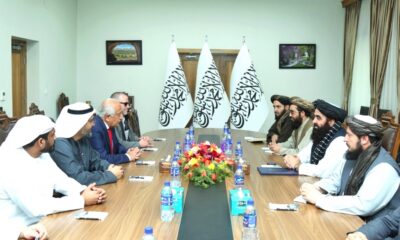



The Ministry of Foreign Affairs of the Islamic Emirate of Afghanistan announced on Tuesday the release of American citizen Dennis Coyle from prison.
According to the ministry, Coyle’s mother had written to the leader of the Islamic Emirate demanding amnesty and the release of her son on the occasion of Eid. The Supreme Court considered time served sufficient and decided to release him.
The Ministry of Foreign Affairs stated that this action was carried out on the basis of humanitarianism and good faith, and it believes that such measures can strengthen trust between countries. The ministry also expressed hope that both countries, in the future, can find solutions to remaining issues through mutual understanding and constructive dialogue.
The Islamic Emirate also expressed appreciation for the cooperation of the United Arab Emirates in this matter.
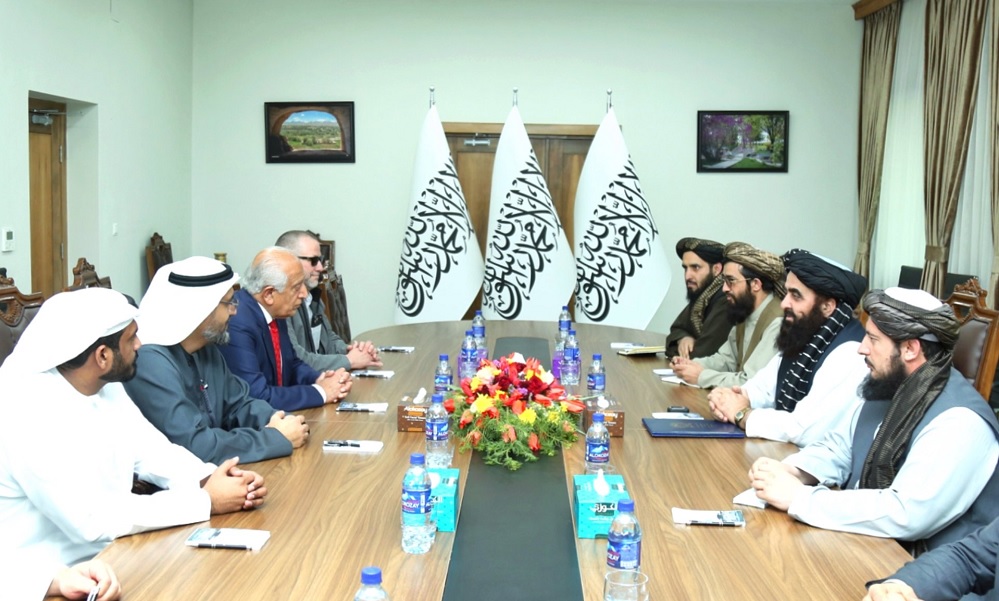
Separately, for Coyle’s release, an American delegation, including Zalmay Khalilzad, former U.S. Special Representative for Afghanistan, met on Tuesday with Amir Khan Muttaqi, the Foreign Minister of the Islamic Emirate.
The meeting was also attended by Saif Mohammed Al-Ketbi, Ambassador of the UAE in Kabul, and a member of the prisoner’s family.
According to the Ministry of Foreign Affairs, Muttaqi stated that the Islamic Emirate has not detained any citizen of any country to achieve political objectives; rather, detentions were the result of legal violations, and individuals were released after completing judicial procedures.
At the meeting, Khalilzad praised the action of the Islamic Emirate and emphasized the importance of continuing discussions on all issues between the two countries, expressing hope for further progress in the future.
Muttaqi also stressed that Kabul and the UAE should provide standard consular services to their citizens, and that the Afghan government is fully prepared in this regard.
He thanked Sheikh Mohamed bin Zayed Al Nahyan, President of the UAE, for their constructive role in facilitating the release of the prisoner and referred to the UAE as a close friend of Afghanistan.
Earlier, Muttaqi had also praised the role of the State of Qatar in facilitating information exchange between the Islamic Emirate and the prisoner’s family.
Additionally, the UAE ambassador expressed his country’s readiness to play a role in humanitarian institutions and called such developments beneficial for everyone.
The United Kingdom has announced an additional £3 million (AFN 257 million) in humanitarian assistance to Afghanistan, aimed at supporting people affected by natural disasters and other shocks.
Richard Lindsay, in a post on X, said the funding will be used to provide essential nutrition supplies and related support to vulnerable populations.
The new allocation brings the UK’s total bilateral assistance to Afghanistan for the current financial year to £154 million (AFN 13.18 billion).


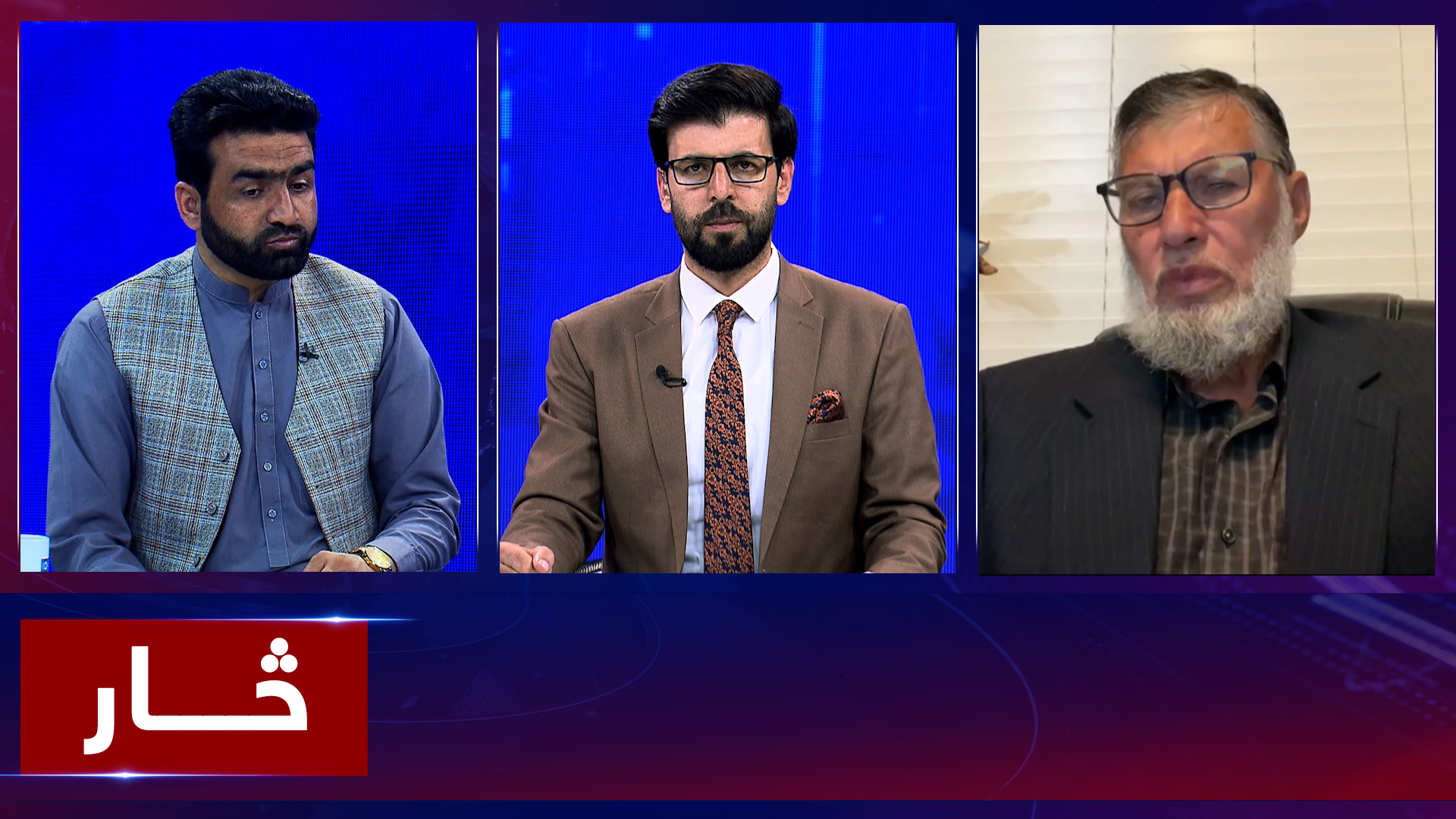
Saar: Discussion on criticism of Pakistan’s policies

Islamic Emirate releases American prisoner Dennis Coyle

UK announces additional £3 million in aid for vulnerable people in Afghanistan

Around 2.3 million tourists visited Afghanistan’s recreational areas during Eid: Ghufran

Berlin does not recognize IEA envoy as charge d’affaires of Afghan embassy

Pakistani military jet downed in Afghanistan’s Jalalabad, pilot captured alive

Afghan Air Force conducts airstrikes in Islamabad, other cities

Prominent Muslim scholar issues fatwa calling for Afghanistan-Pakistan ceasefire

Afghan air force strikes key Pakistani military installations in retaliatory operation

IEA: Special circle in Pakistan has launched mission to destabilize region

Tahawol: Possibility of US ground forces entering Iran war discussed

Saar: Using US prisoners as political pressure

Tahawol: Pakistan’s efforts to destabilise Afghanistan

Saar: Decline in international assistance to Afghanistan

Tawsia: Assessment of Afghanistan’s economic activities in 1404
-
 Sport4 days ago
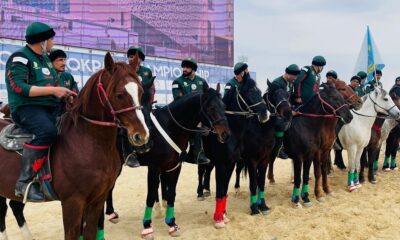
Afghanistan national buzkashi falls short in Kokpar World Championship semifinals
-
 Sport3 days ago
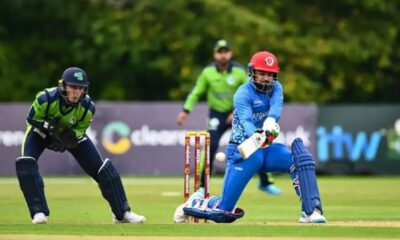
Ireland to host Afghanistan for ODI series in August
-

 Latest News2 days ago
Deadly violence likely without dialogue between Afghanistan and Pakistan: ICG
-
 Latest News4 days ago
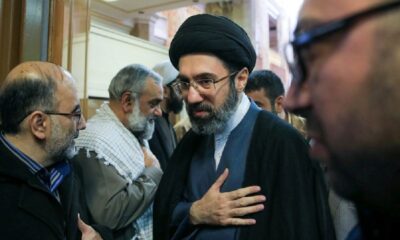
Mojtaba Khamenei calls for improved Afghanistan–Pakistan relations, offers help
-
 Latest News3 days ago
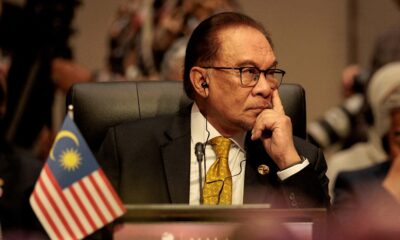
Malaysian PM welcomes temporary Afghanistan–Pakistan truce, urges lasting peace
-

 Sport4 days ago
FIFA sanctions Israeli Football Association over discrimination violations
-
 Latest News1 day ago
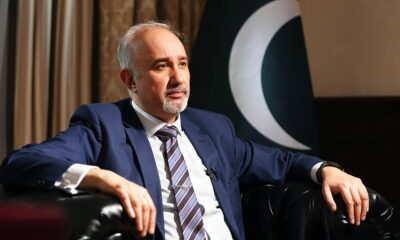
Pakistan seeks Russian mediation to resolve Afghanistan tensions
-
 Latest News4 days ago
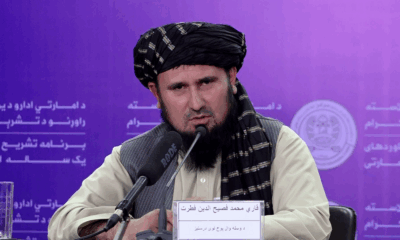
IEA defense ministry accuses Pakistan of ceasefire violations