
Latest News
Telecom towers go up in remote areas of Paktia: IEA


Paktia Telecommunications Department officials say that they have started the process of setting up new telecommunication towers in remote areas of the eastern province.
Speaking during the inauguration of the project, which is being rolled out by Afghan Wireless Communication Company (AWCC) in Zurmat district, officials said additional land in other areas has been earmarked for the new towers.
“We have included in our plan all areas of Paktia districts where there are no telecommunications services, such as Zurmat and other districts,” Nasratullah Hijrat, director of telecommunications and IT in Paktia, said.
Salam Sharifi, head of AWCC in the southeast zone, meanwhile said: “Today, we inaugurated the AWCC site in Sahak area of Zurmat district. With this, the people of Sahak will benefit from better quality telephone services and fast internet services.”
Hazrat Mohammad Watanpal, the provincial director of the Afghanistan Telecom Regulatory Authority (ATRA), said: “We will make more efforts. ATRA also plans to cover the under-serviced areas.”
Residents of Paktia province have meanwhile called on the private and state-run telecommunication sector to expand their services across the district, given its size.
“Zurmat has been facing telecommunication problems for 20 years. Many thanks to AWCC for solving our problems,” Abdul Hamid Faizan, a resident of Paktia’s Zurmat district, said.
According to local officials, about 10 new telecommunication sites have been activated in Paktia since the takeover of the country by the Islamic Emirate.



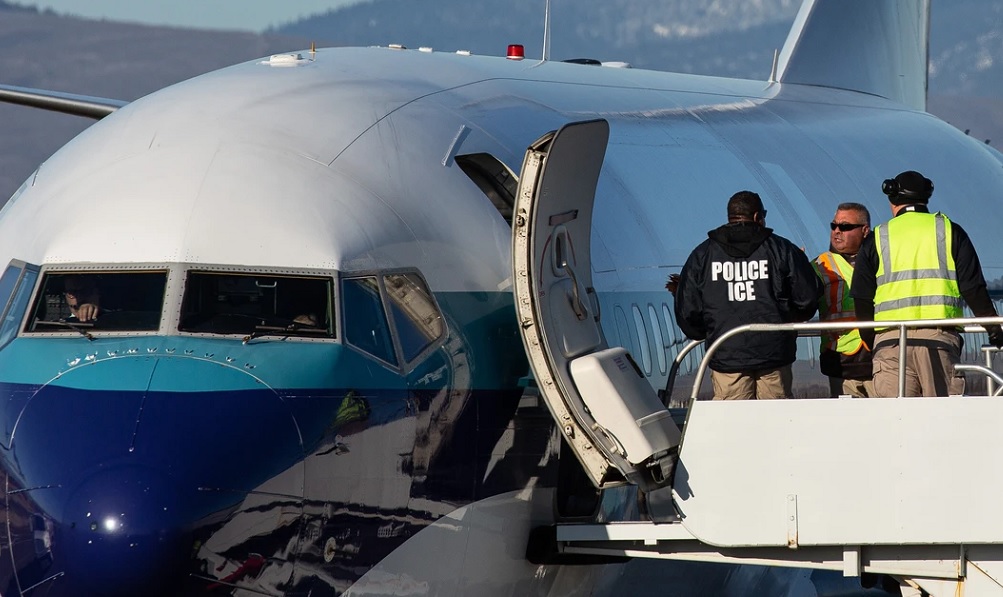
Bloomberg News has reported that the US government is planning to deport some detained Afghan migrants to Pakistan, including relatives of Afghans who worked with US forces.
Bloomberg reported on Monday, citing a US federal government official, immigration lawyers and advocacy organizations, that some detained Afghans had been informed they could be deported to Pakistan in the coming weeks.
According to the report, US officials have not yet publicly commented on the plan, and it remains unclear how many Afghans would be included in the potential flight.
AfghanEvac, an organization that supports Afghans who worked with US forces, said it had received information indicating that a special flight was being considered to transfer some detained Afghans from the state of Louisiana.
According to the organization, some detainees had been told they would be sent to Pakistan, while others had been informed that Afghanistan was their destination. Citing its sources within the US government, AfghanEvac added that Pakistan could potentially be used as a transit route to send these individuals to Afghanistan.
The reported plan comes after the United States previously deported a group of migrants, including 12 Afghan nationals, to the Central African Republic. Among those deported was a young Afghan man whose brothers had worked with US forces.
Latest News
Afghanistan signs AFN 1 billion water supply deal to benefit 50,000 Kabul families
The initiative aims to strengthen water supply infrastructure in the 17th district and improve residents’ access to drinking water.
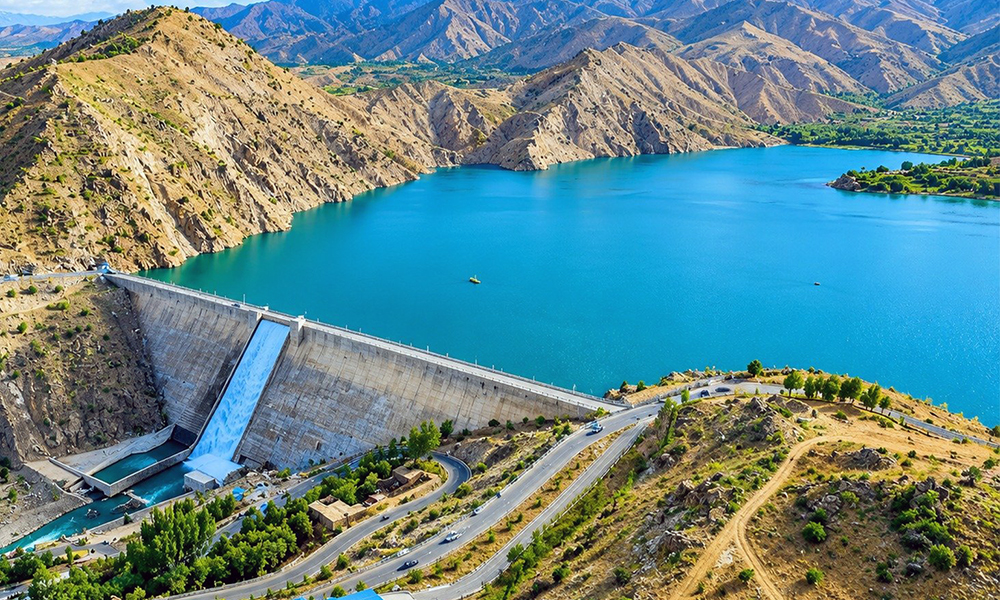
Afghanistan’s state-owned Urban Water Supply and Sewerage Corporation has signed a AFN 1 billion contract with private company Paktia Mawoj to develop a water supply project expected to benefit around 50,000 families in Kabul’s 17th Police District.
Mohammad Nabi Bahar, spokesperson for the General Directorate of State-Owned Companies, said the project will combine surface water from the Shah wa Arus Dam with supplies from five deep wells.
The system is designed to provide a total of 200 litres of water per second, comprising 100 litres per second from the dam and another 100 litres per second from the wells.
Bahar said the project is expected to be completed and handed over for public use within three years.
The initiative aims to strengthen water supply infrastructure in the 17th district and improve residents’ access to drinking water.
With an estimated investment of AFN 1 billion, the project represents a major planned infrastructure development for the Afghan capital.
Latest News
UNDP launches second phase of economic recovery programme in five Afghan provinces
UNDP said REVIVE II builds on the achievements of the programme’s initial phase, with the new stage intended to extend support and improve economic conditions for vulnerable communities.
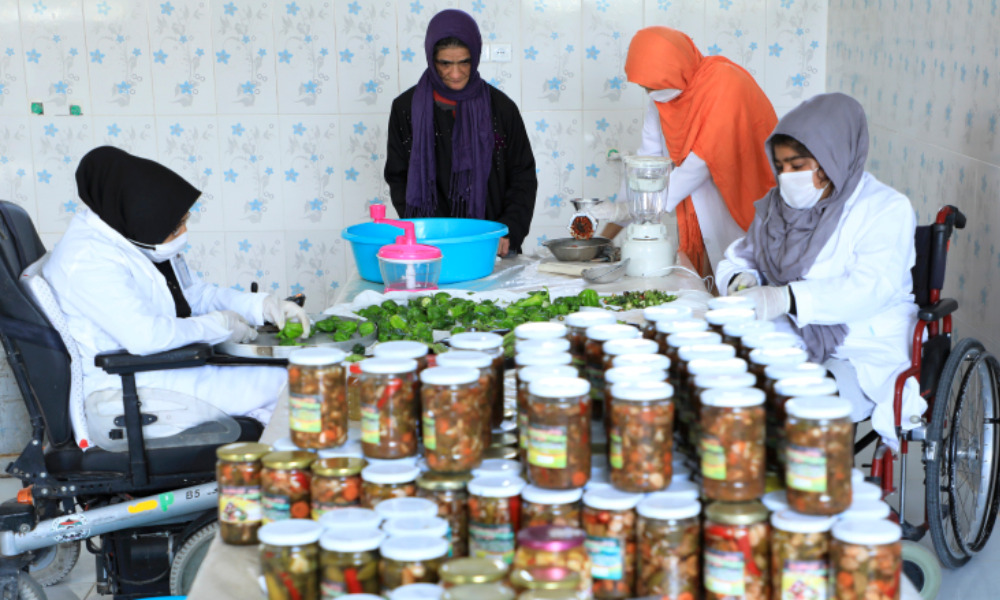
The United Nations Development Programme (UNDP) has launched the second phase of an economic recovery initiative aimed at strengthening livelihoods, restoring community infrastructure and supporting vulnerable communities across five Afghan provinces.
In an announcement on Monday, October 26, UNDP said the second phase of its Reviving Economic Activities and Improving Vulnerable Environments (REVIVE II) programme would expand recovery and reconstruction efforts, with financial support from the Republic of Korea.
The programme will cover Kabul, Paktia, Ghazni, Nangarhar and Kunar provinces, focusing on restoring social infrastructure, revitalising local economic activities and improving communities’ ability to withstand economic shocks.
UNDP said REVIVE II builds on the achievements of the programme’s initial phase, with the new stage intended to extend support and improve economic conditions for vulnerable communities.
However, the agency did not disclose the programme’s total budget, implementation timeline or the number of people expected to benefit.
The initiative comes as Afghanistan continues to face significant challenges in economic recovery and the creation of sustainable livelihood opportunities, particularly for vulnerable communities seeking to rebuild their livelihoods and strengthen their resilience.

US plans to deport some Afghan migrants to Pakistan: Bloomberg

Afghanistan advance to Tier C at FIFA U-15 World Cup and Festival
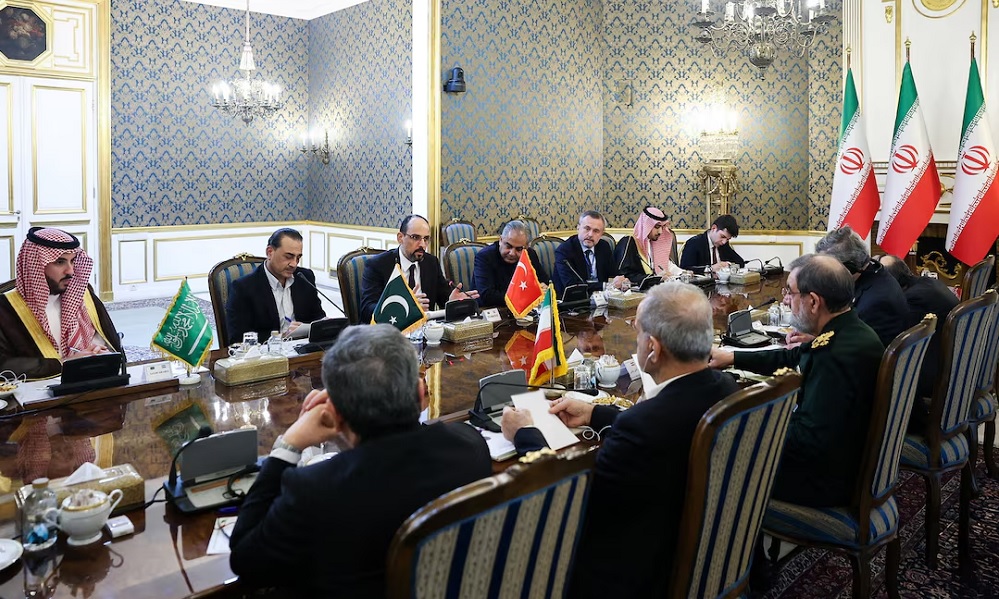
Saudi defence pact countries push for peace in Tehran as Houthis launch more attacks
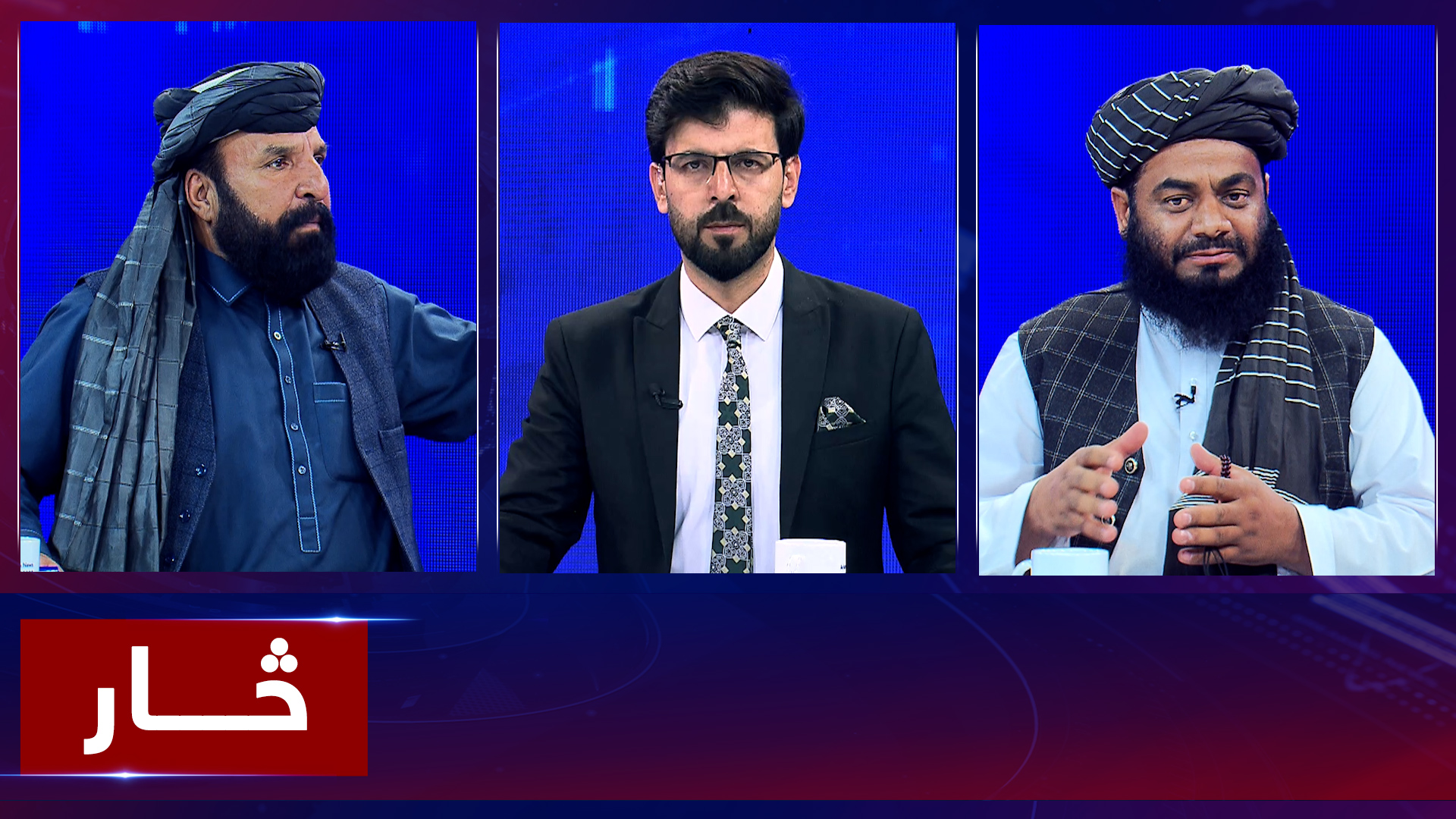
Saar: Pakistan threatening strikes on Afghanistan
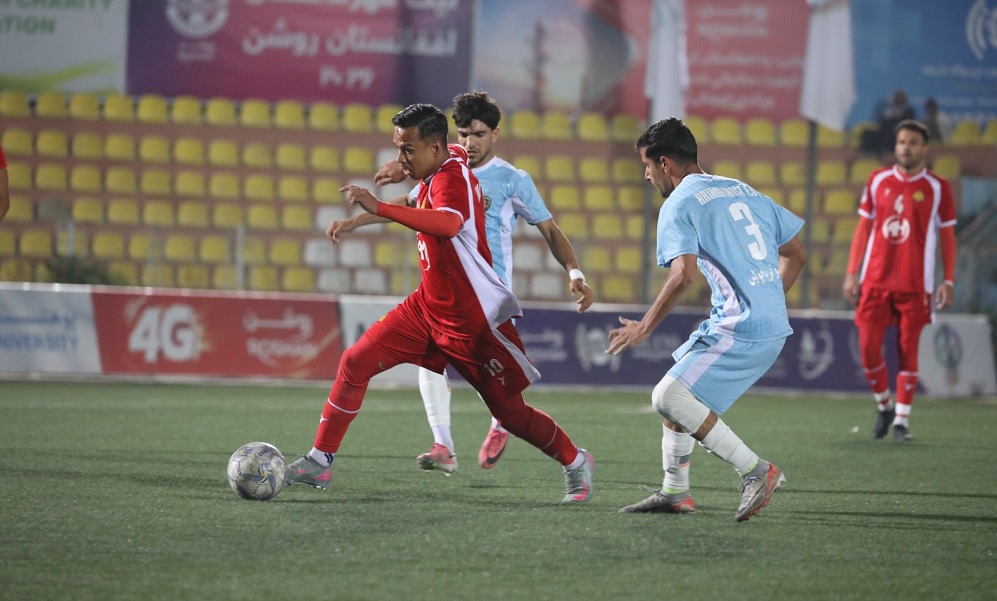
Abu Muslim Farah 1-0 Ariana Khost in ACL

Cricket Bonanza: Afghanistan set for packed international schedule

Afghanistan on climate front line as Kabul faces groundwater warning

Afghanistan says 28 killed, 32 captured in Nuristan operation

ACB announces Afghanistan squads for Bangladesh, Zimbabwe series

Afghanistan to face Pakistan, India and Australia at 2027 Cricket World Cup
Saar: Pakistan threatening strikes on Afghanistan

Iran says outcome of Israeli elections ‘makes no difference’
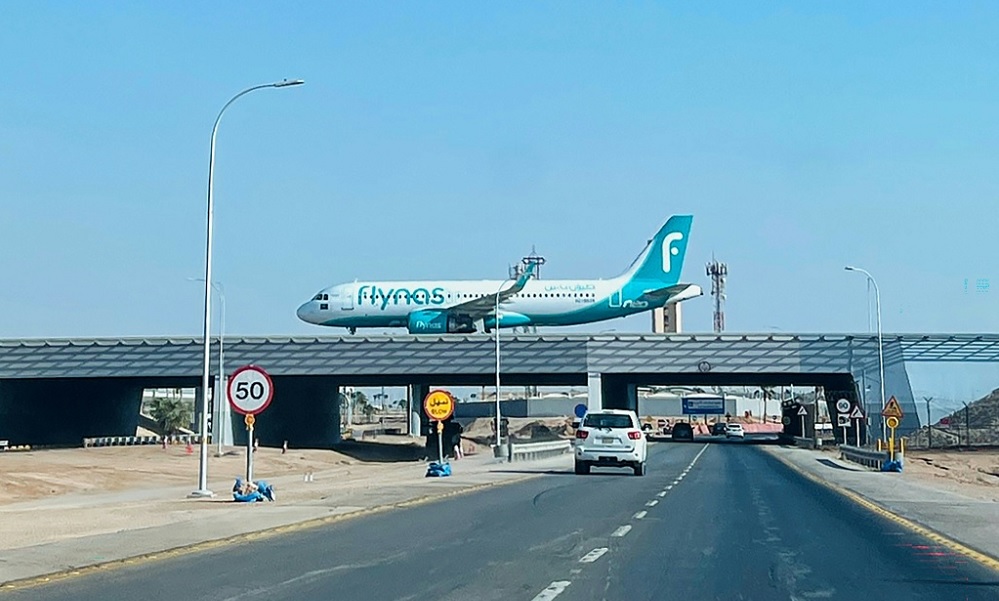
Houthis attack Saudi Arabia before high-stakes talks in Tehran
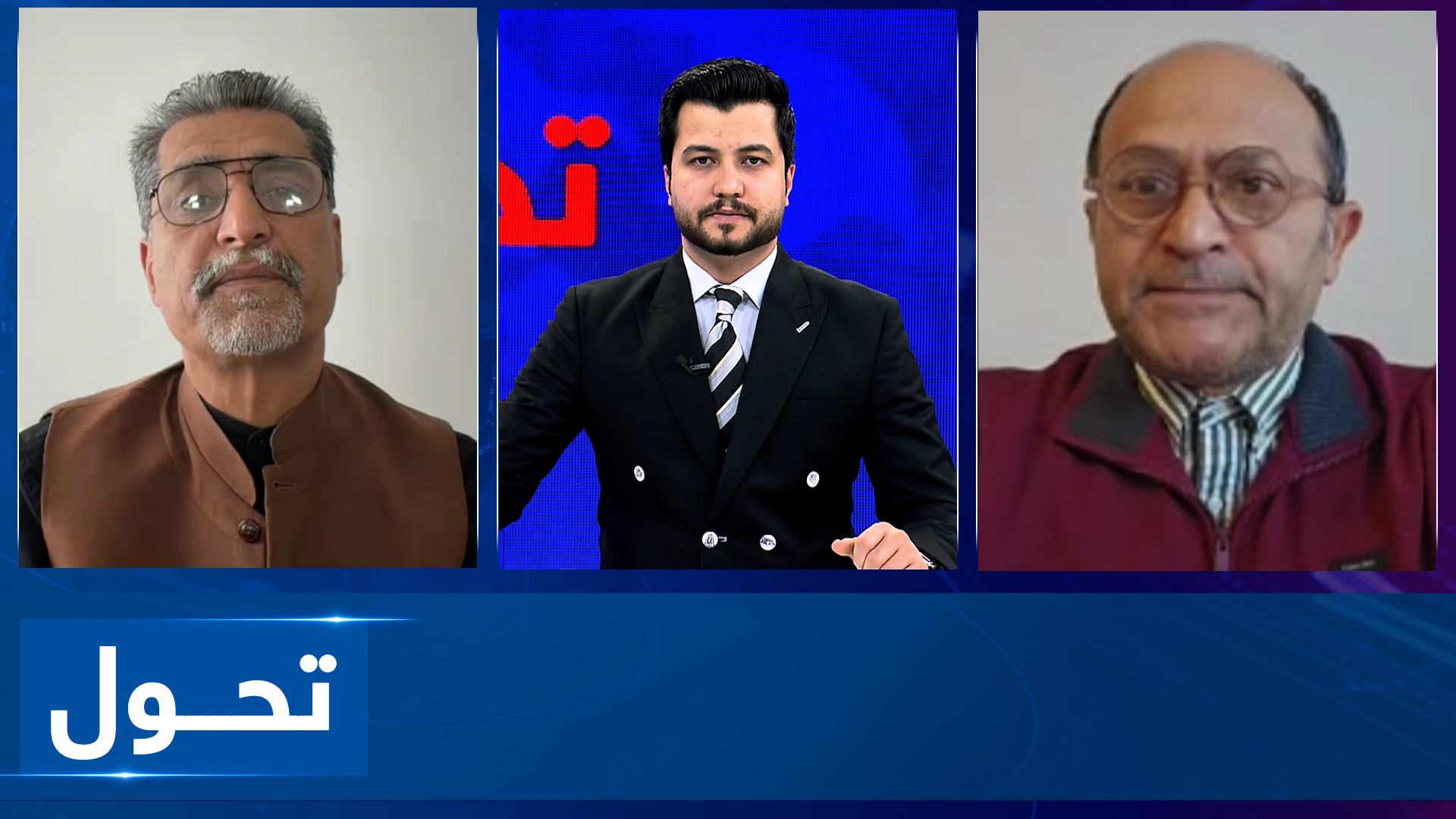
Tahawol: Ukraine war and ongoing peace efforts
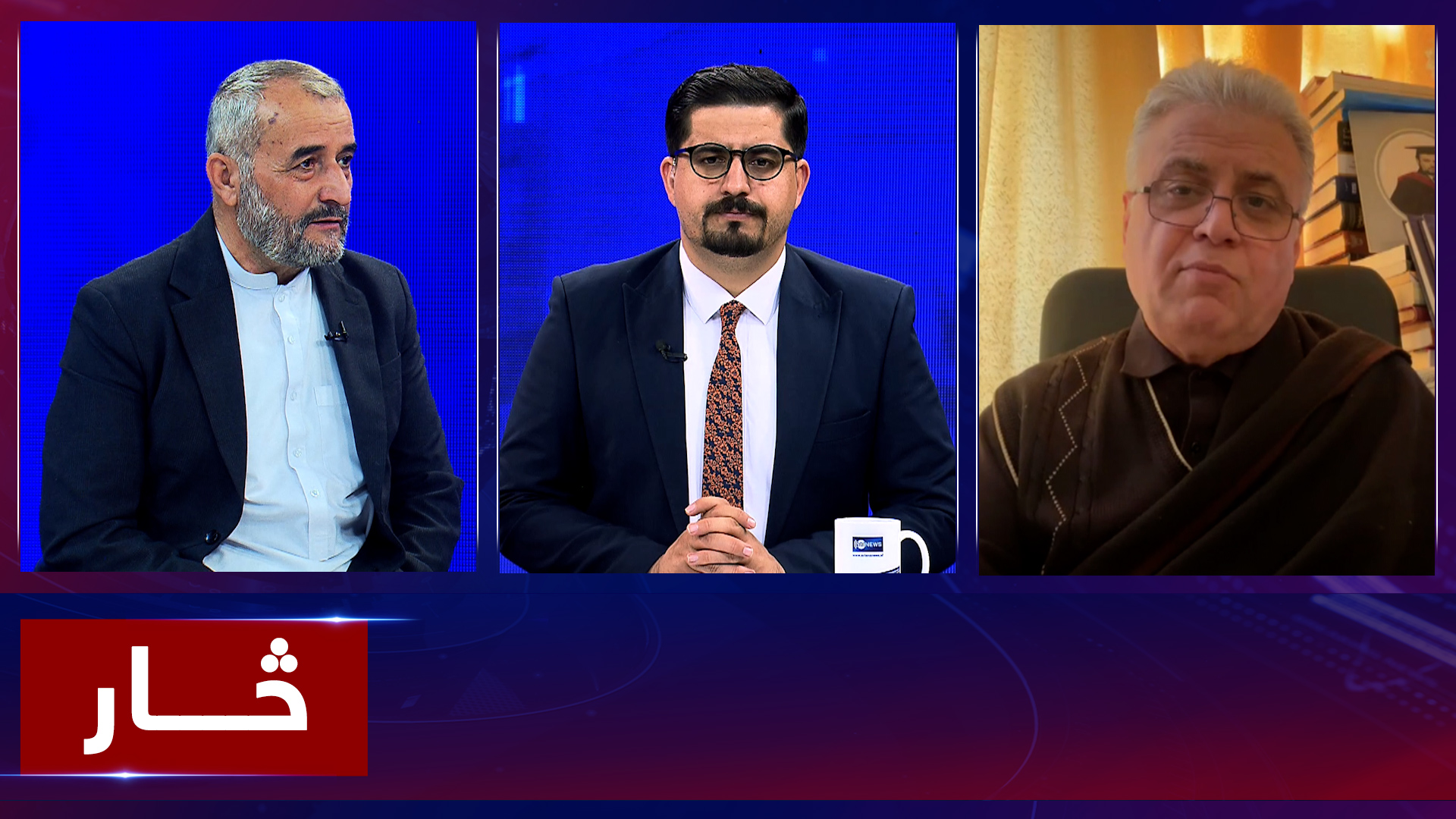
Saar: Obama’s remarks on Iran war
-
 Latest News5 days ago
Afghanistan’s new Wakhan road to China faces major hurdles
-

 Science & Technology5 days ago
Governments take websites offline as critical cyber flaws trigger global alert
-
 Latest News3 days ago
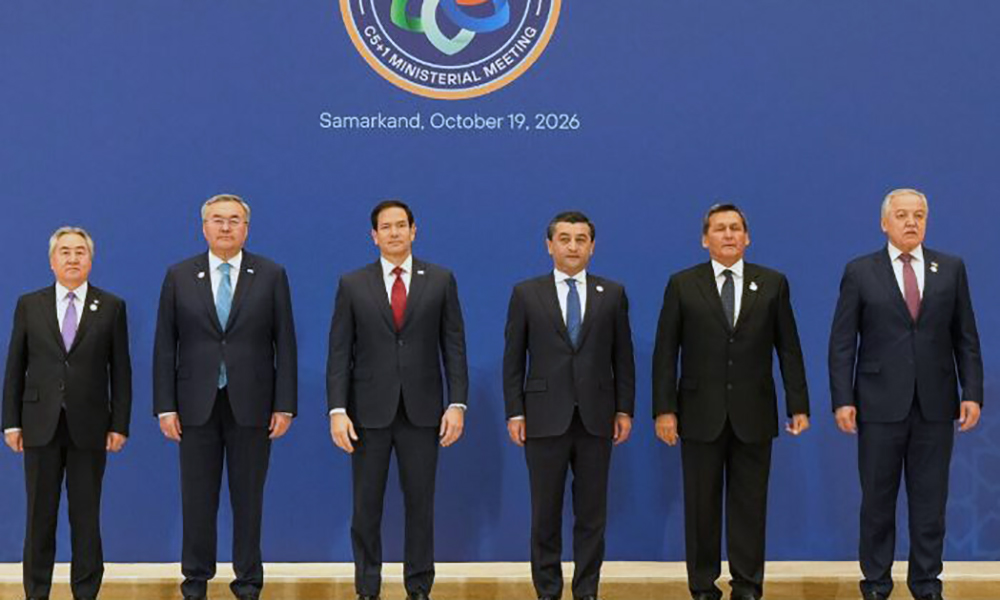
US Central Asia strategy faces challenges linked to Afghanistan’s political and security situation
-

 Latest News5 days ago
Russia to expand security and defence cooperation with Afghanistan
-
 Business4 days ago
Pakistan exporters suffer billions in losses as Afghanistan trade halt continues
-
 Sport3 days ago
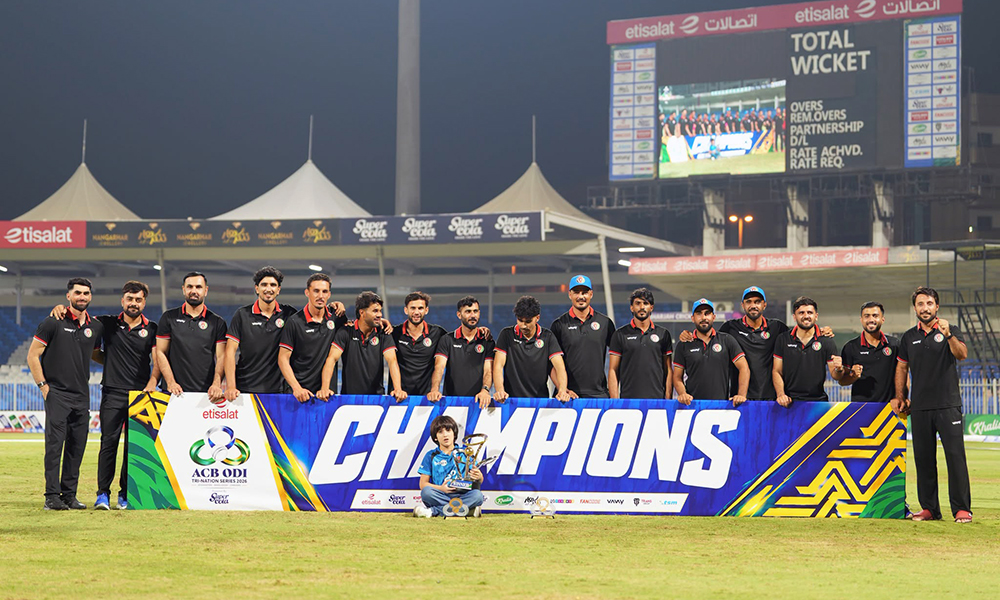
Afghanistan defeat Zimbabwe to win Tri-Series ahead of 2027 Cricket World Cup
-

 Business4 days ago
IMF forecasts 1.3 percent regional economic contraction in 2026
-
 Business3 days ago
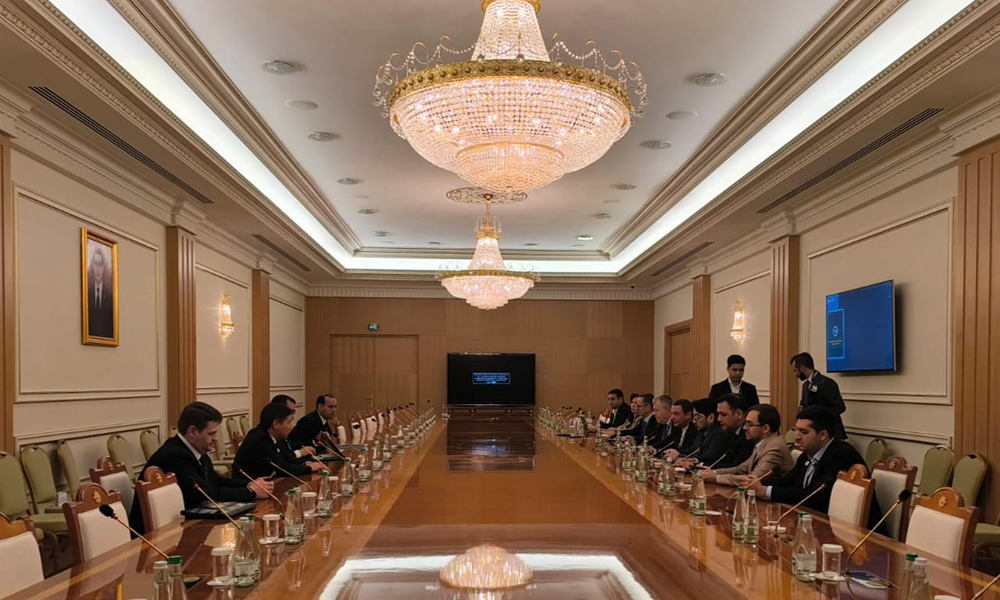
Turkmenistan targets 80 billion cubic meters of gas production in 2026