
Latest News
Trump bans nationals from Afghanistan, 11 other countries, citing security concerns
The proclamation is effective on June 9, 2025 at 12:01 am EDT (0401 GMT). Visas issued before that date will not be revoked, the order said.

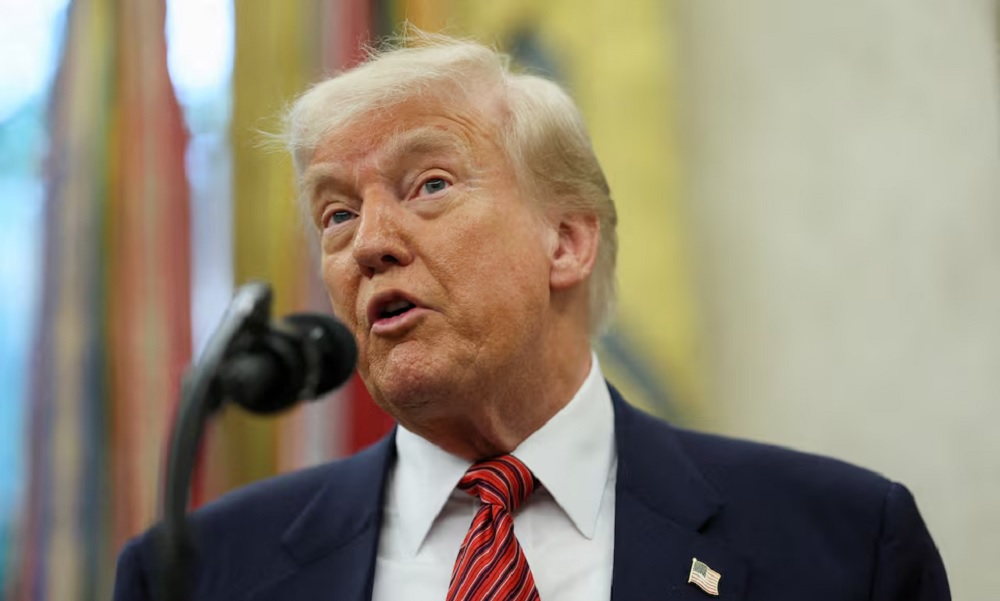
U.S. President Donald Trump signed a proclamation on Wednesday banning the nationals of 12 countries from entering the United States, saying the move was needed to protect against “foreign terrorists” and other security threats.
The countries affected are Afghanistan, Myanmar, Chad, Congo, Equatorial Guinea, Eritrea, Haiti, Iran, Libya, Somalia, Sudan and Yemen, Reuters reported.
The entry of people from seven other countries: Burundi, Cuba, Laos, Sierra Leone, Togo, Turkmenistan and Venezuela, will be partially restricted. The travel restrictions were first reported by CBS News.
“We will not allow people to enter our country who wish to do us harm,” Trump said in a video posted on X. He said the list could be revised and new countries could be added.
The proclamation is effective on June 9, 2025 at 12:01 am EDT (0401 GMT). Visas issued before that date will not be revoked, the order said.
During his first term in office, Trump announced a ban on travelers from seven majority-Muslim nations, a policy that went through several iterations before it was upheld by the Supreme Court in 2018.
Former President Joe Biden, a Democrat who succeeded Trump, repealed the ban in 2021, calling it “a stain on our national conscience.”
Trump said the countries subject to the most severe restrictions were determined to harbor a “large-scale presence of terrorists,” fail to cooperate on visa security and have an inability to verify travelers’ identities, inadequate record-keeping of criminal histories and high rates of visa overstays in the United States.
“We cannot have open migration from any country where we cannot safely and reliably vet and screen those who seek to enter the United States,” Trump said.
He cited Sunday’s incident in Boulder, Colorado in which a man tossed a gasoline bomb into a crowd of pro-Israel demonstrators as an example of why the new restrictions are needed.
An Egyptian national, Mohamed Sabry Soliman, has been charged in the attack. Federal officials said Soliman had overstayed his tourist visa and had an expired work permit – although Egypt is not on the list of countries facing travel limits.
BEING IN THE U.S. A ‘BIG RISK’
Somalia immediately pledged to work with the U.S. to address security issues.
“Somalia values its longstanding relationship with the United States and stands ready to engage in dialogue to address the concerns raised,” Dahir Hassan Abdi, the Somali ambassador to the United States, said in a statement.
Venezuelan Interior Minister Diosdado Cabello, a close ally of President Nicolas Maduro, responded on Wednesday evening by describing the U.S. government as fascist and warning Venezuelans of being in the U.S.
“The truth is being in the United States is a big risk for anybody, not just for Venezuelans … They persecute our countrymen, our people for no reason.”
Calls early on Thursday to the spokesperson of Myanmar’s military government were not answered. The foreign ministry of Laos did not immediately respond to a request for comment.
Trump’s directive is part of an immigration crackdown that he launched at the start of his second term. He previewed his plan in an October 2023 speech, pledging to restrict people from the Gaza Strip, Libya, Somalia, Syria, Yemen and “anywhere else that threatens our security.”
Trump issued an executive order on January 20 requiring intensified security vetting of any foreigners seeking admission to the U.S. to detect national security threats. That order directed several cabinet members to submit a list of countries from which travel should be partly or fully suspended because their “vetting and screening information is so deficient.”
In March, Reuters reported that the Trump administration was considering travel restrictions on dozens of countries.




The Ministry of Foreign Affairs of the Islamic Emirate of Afghanistan announced on Tuesday the release of American citizen Dennis Coyle from prison.
According to the ministry, Coyle’s mother had written to the leader of the Islamic Emirate demanding amnesty and the release of her son on the occasion of Eid. The Supreme Court considered time served sufficient and decided to release him.
The Ministry of Foreign Affairs stated that this action was carried out on the basis of humanitarianism and good faith, and it believes that such measures can strengthen trust between countries. The ministry also expressed hope that both countries, in the future, can find solutions to remaining issues through mutual understanding and constructive dialogue.
The Islamic Emirate also expressed appreciation for the cooperation of the United Arab Emirates in this matter.
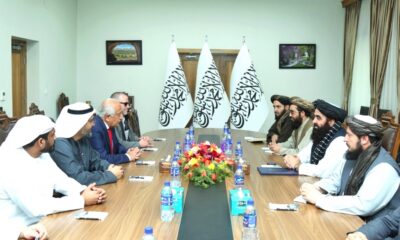
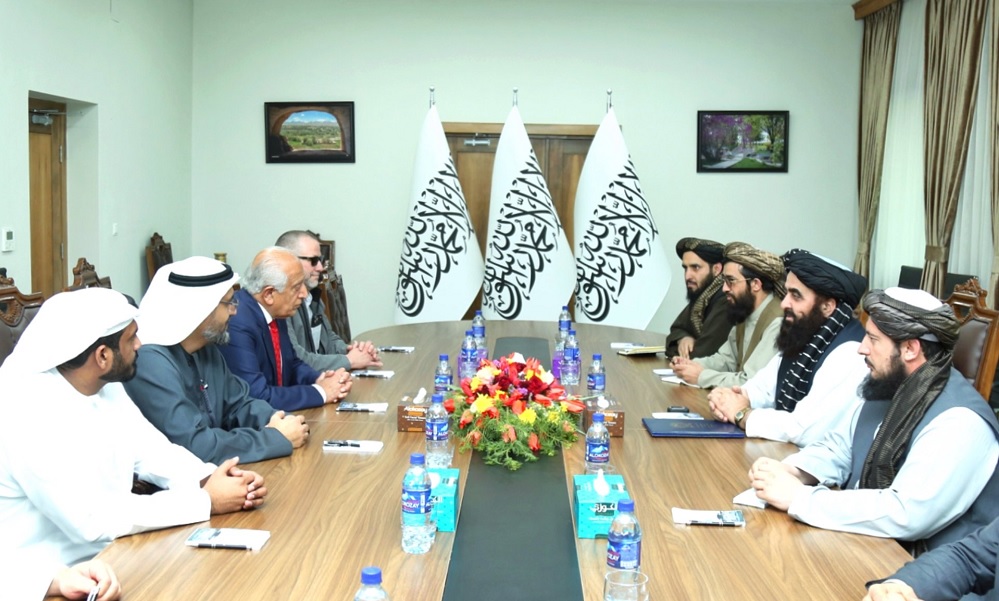
Separately, for Coyle’s release, an American delegation, including Zalmay Khalilzad, former U.S. Special Representative for Afghanistan, met on Tuesday with Amir Khan Muttaqi, the Foreign Minister of the Islamic Emirate.
The meeting was also attended by Saif Mohammed Al-Ketbi, Ambassador of the UAE in Kabul, and a member of the prisoner’s family.
According to the Ministry of Foreign Affairs, Muttaqi stated that the Islamic Emirate has not detained any citizen of any country to achieve political objectives; rather, detentions were the result of legal violations, and individuals were released after completing judicial procedures.
At the meeting, Khalilzad praised the action of the Islamic Emirate and emphasized the importance of continuing discussions on all issues between the two countries, expressing hope for further progress in the future.
Muttaqi also stressed that Kabul and the UAE should provide standard consular services to their citizens, and that the Afghan government is fully prepared in this regard.
He thanked Sheikh Mohamed bin Zayed Al Nahyan, President of the UAE, for their constructive role in facilitating the release of the prisoner and referred to the UAE as a close friend of Afghanistan.
Earlier, Muttaqi had also praised the role of the State of Qatar in facilitating information exchange between the Islamic Emirate and the prisoner’s family.
Additionally, the UAE ambassador expressed his country’s readiness to play a role in humanitarian institutions and called such developments beneficial for everyone.
The United Kingdom has announced an additional £3 million (AFN 257 million) in humanitarian assistance to Afghanistan, aimed at supporting people affected by natural disasters and other shocks.
Richard Lindsay, in a post on X, said the funding will be used to provide essential nutrition supplies and related support to vulnerable populations.
The new allocation brings the UK’s total bilateral assistance to Afghanistan for the current financial year to £154 million (AFN 13.18 billion).
Latest News
Around 2.3 million tourists visited Afghanistan’s recreational areas during Eid: Ghufran
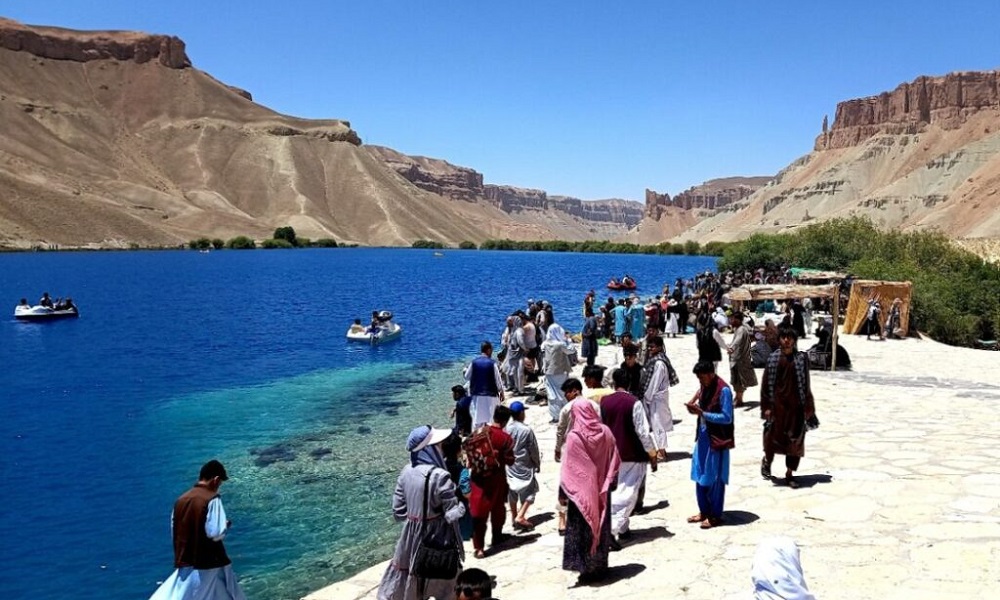
Khubaib Ghufran, spokesperson for the Ministry of Information and Culture, announced on Tuesday that over Eid al-Fitr holidays approximately 2.3 million domestic and foreign tourists visited the country’s recreational areas and natural attractions.
Ghufran said this level of tourist presence shows a significant increase compared to previous years and indicates growth and strengthening of the tourism sector.
Meanwhile, officials from the ministry’s departments, while emphasizing public cooperation in preserving the environment, maintaining cleanliness in public places, and protecting tourist attractions, stated that through extensive cooperation and efforts by security institutions, tourists were able to travel to different parts of the country with full confidence during the Eid holidays.
According to Ghufran, the Ministry of Information and Culture is working to develop and strengthen the tourism sector across the country and to provide more facilities and conveniences for tourists.
However, some tourists who traveled to various provinces praised the order, security, and hospitality of the people. They said that all provinces of Afghanistan have always been beautiful, but this year, with the current level of security and tourism facilities, their trips have become even more memorable.


Islamic Emirate releases American prisoner Dennis Coyle

UK announces additional £3 million in aid for vulnerable people in Afghanistan

Around 2.3 million tourists visited Afghanistan’s recreational areas during Eid: Ghufran

Berlin does not recognize IEA envoy as charge d’affaires of Afghan embassy

US allies in Middle East ‘edging closer’ to joining conflict

Pakistani military jet downed in Afghanistan’s Jalalabad, pilot captured alive

Afghan Air Force conducts airstrikes in Islamabad, other cities

Prominent Muslim scholar issues fatwa calling for Afghanistan-Pakistan ceasefire

Afghan air force strikes key Pakistani military installations in retaliatory operation

IEA: Special circle in Pakistan has launched mission to destabilize region

Tahawol: Possibility of US ground forces entering Iran war discussed

Saar: Using US prisoners as political pressure

Tahawol: Pakistan’s efforts to destabilise Afghanistan

Saar: Decline in international assistance to Afghanistan

Tawsia: Assessment of Afghanistan’s economic activities in 1404
-
 Sport4 days ago
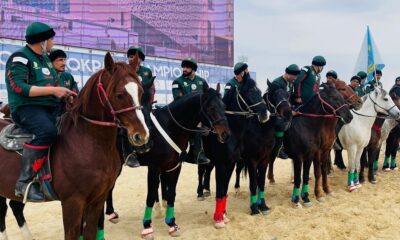
Afghanistan national buzkashi falls short in Kokpar World Championship semifinals
-

 Sport3 days ago
Ireland to host Afghanistan for ODI series in August
-
 Latest News5 days ago
Security Sources: Pakistani military shelling in Kunar and Nuristan leaves female doctor dead
-
 Latest News3 days ago
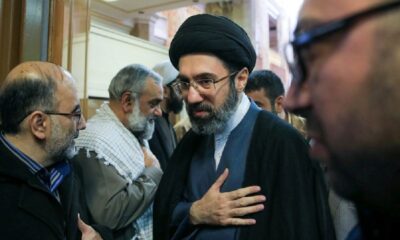
Mojtaba Khamenei calls for improved Afghanistan–Pakistan relations, offers help
-

 Latest News2 days ago
Deadly violence likely without dialogue between Afghanistan and Pakistan: ICG
-

 Sport4 days ago
FIFA sanctions Israeli Football Association over discrimination violations
-
 Latest News3 days ago
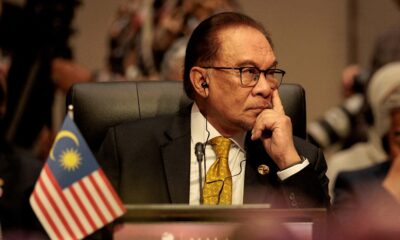
Malaysian PM welcomes temporary Afghanistan–Pakistan truce, urges lasting peace
-
 Latest News4 days ago
IEA defense ministry accuses Pakistan of ceasefire violations