
Latest News
WFP to increase flow of aid to Afghanistan via Uzbekistan

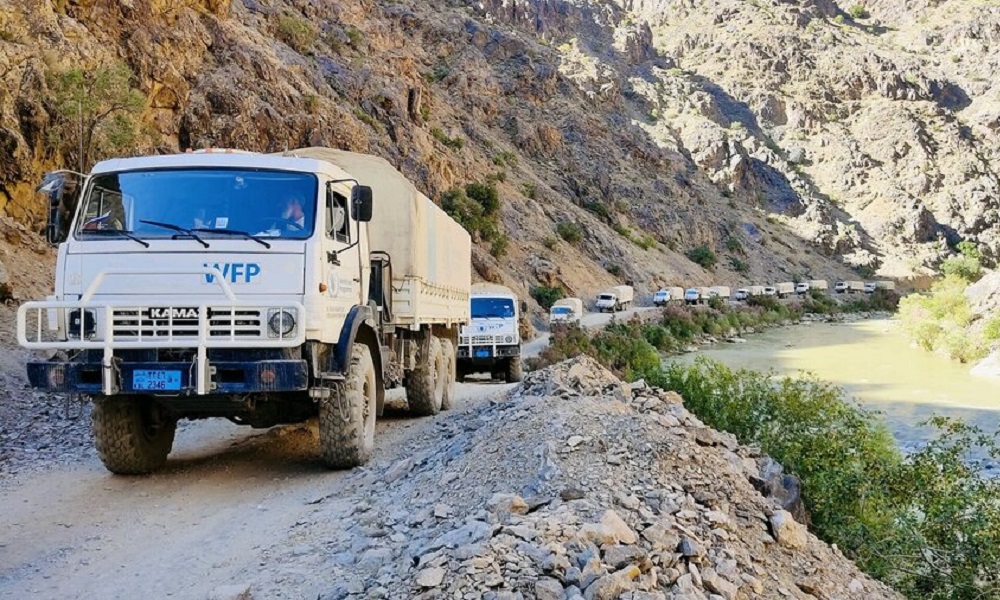
Construction of new warehouse facilities has started at the United Nations World Food Programme’s (WFP) Logistics Hub in Termez, Uzbekistan, and once completed the facility will allow for an increase and improved flow of humanitarian food to Afghanistan, WFP said on Tuesday.
“We are happy that the United Nations is expanding their warehouse capacity here in Termez,” Uzbekistan’s special envoy for Afghanistan Ismatullah Irgashev said. “At a time when two thirds of the population of Afghanistan rely on humanitarian assistance to survive, it is our duty as the international community to stand by their side.”
WFP’s existing Logistics Hub in Termez has served as a trans-shipment point for WFP’s Afghanistan operations since 2021. WFP plans to add an additional 8,000 square meters to the current 14,500 square meter warehouse capacity in the upcoming months. This will increase WFP’s total storage capacity in Termez by more than half, the agency said in a statement.
“With the support of the Government of Uzbekistan, more than 1,000 metric tons of food are crossing the border from Uzbekistan to Afghanistan each day,” said Hsiao-Wei Lee, Country Director for WFP Afghanistan.
“In the upcoming months, this increase to our warehouse capacity will greatly facilitate our ability to serve the 20 million Afghans currently in need of food assistance. While our partners and donors have been incredibly generous with their contributions, we still need an additional $1.5 billion to reach all the people we have planned to serve.”
In Afghanistan in 2022, WFP reached 23 million people, distributed 1.1 million metric ton of food and $325 million in cash transfers. Of the 23 million people assisted, 11.6 million were women and 12.3 million were children. WFP said it injects an average of $55 million per month into the local economy.




Latest News
EU announces 15 million euros to strengthen livelihoods and food security in Afghanistan
Eric Beaume, Head of Cooperation at the EU Delegation, said the contribution reflects the EU’s continued commitment to Afghan communities, particularly women, children and vulnerable rural families.
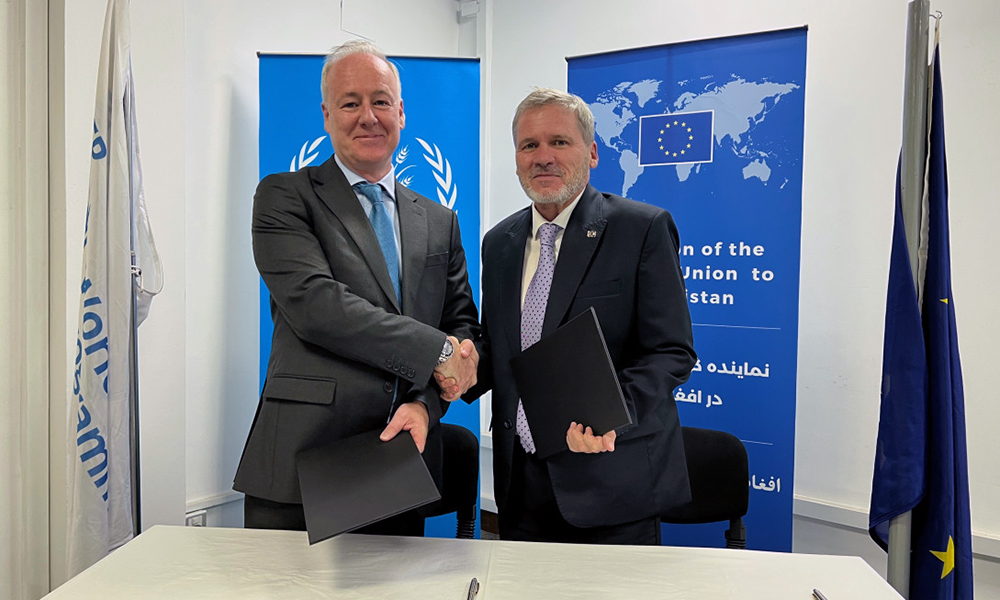
The European Union has announced an additional €15 million in funding for its ongoing partnership with the UN World Food Programme (WFP) to strengthen food security and climate resilience in Afghanistan.
The funding will support efforts to address food insecurity, malnutrition, poverty and the impacts of climate change by combining school feeding, climate-resilient livelihoods, sustainable natural resource management and private-sector development in agribusiness.
Eric Beaume, Head of Cooperation at the EU Delegation, said the contribution reflects the EU’s continued commitment to Afghan communities, particularly women, children and vulnerable rural families.
He said the investment in agribusiness, food value chains and school feeding will help improve nutrition, protect livelihoods and strengthen the economic resilience of vulnerable communities.
The additional funding will extend the programme for 12 months, with a greater focus on agribusiness, food safety and quality, while school feeding and climate-resilience activities will continue.
John Aylieff, WFP Representative and Country Director in Afghanistan, welcomed the EU’s support, saying it would help strengthen livelihoods, improve local food systems and create more opportunities for women and young people.
The EU said the new funding builds on its long-standing support for resilience and school feeding programmes in Afghanistan and aims to strengthen the local private sector through local procurement and stronger links with humanitarian programmes.
Latest News
IEA says US pressure preventing countries from recognizing Afghan government
He said some countries remain under the influence of major global powers, preventing them from making further progress in their relations with the Islamic Emirate.
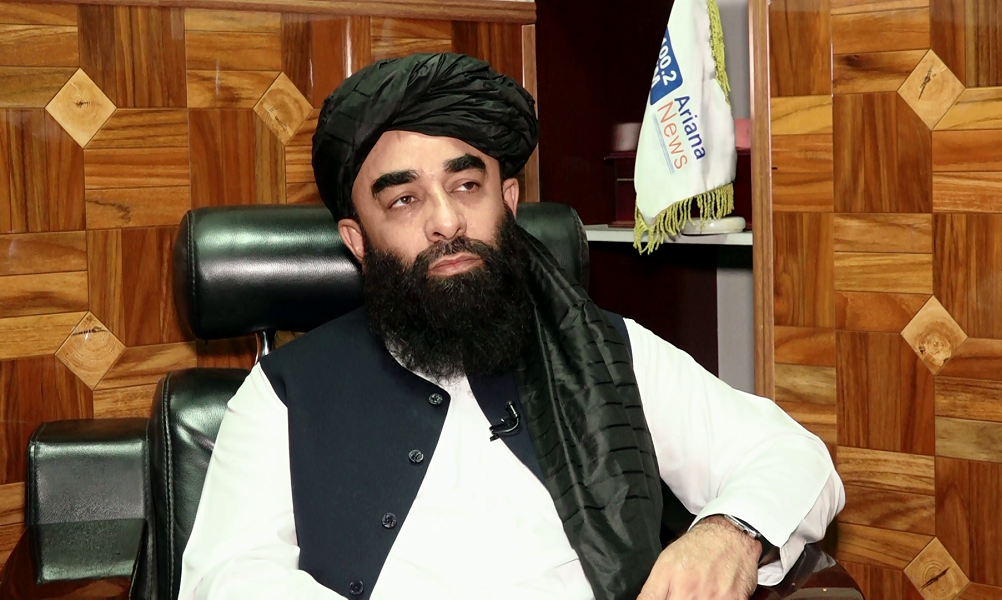
The Islamic Emirate says pressure from the United States on the United Nations and some countries has hindered formal recognition of its government in Afghanistan.
Zabihullah Mujahid, spokesman for the Islamic Emirate, told Ariana News on Monday that Washington is pressuring the UN and several countries to refrain from formal engagement with Kabul.
“They may not say it openly or have announced it, but overall it appears that pressure is being put on the United Nations and some other countries, preventing them from engaging with us. Otherwise, engagement should have taken place by now,” Mujahid said.
He said some countries remain under the influence of major global powers, preventing them from making further progress in their relations with the Islamic Emirate.
“Countries that were at war or in conflict with us, or some countries that are still under the influence of those major powers, naturally have not been able to make progress in engagement. The blame does not lie with Afghanistan, and their policies have not changed since the war,” he said.
Meanwhile, analysts say the United States continues to have significant influence over the foreign policies of many countries. They argue that unless Washington changes its approach toward the Islamic Emirate, further progress toward formal recognition is likely to remain difficult.
The Islamic Emirate, however, says its foreign policy is focused on economic interests and that Kabul seeks to expand relations with all countries.
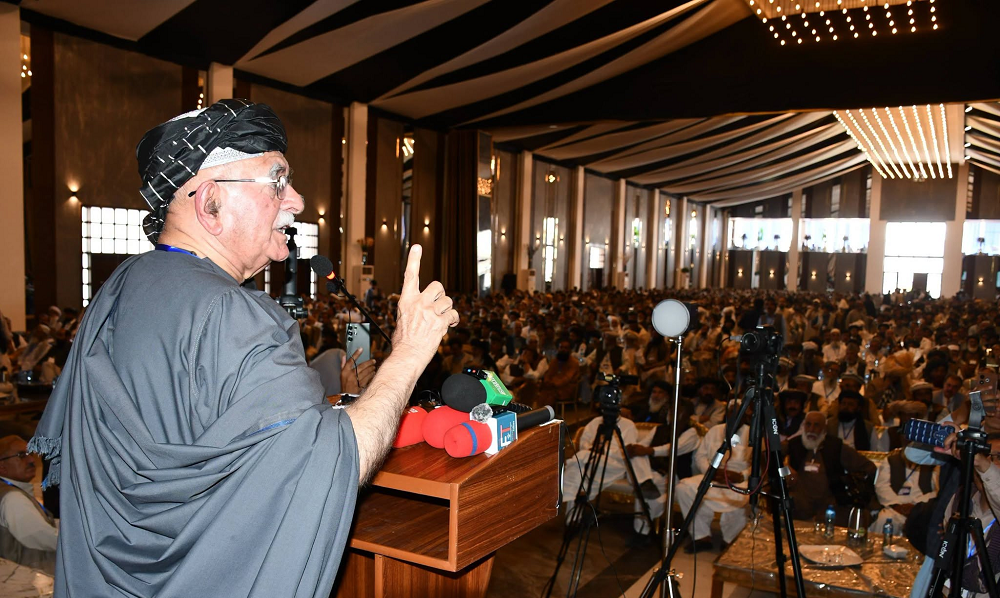
Mehmood Khan Achakzai, chairman of Pakistan’s Pakhtunkhwa Milli Awami Party (PkMAP) and opposition leader in the National Assembly, said Afghanistan continues to be viewed mainly through a security lens in regional forums.
Speaking at the opening session of a three-day public jirga in Southern Pakhtunkhwa on Sunday, Achakzai said Afghan people were not adequately represented in discussions about their country, including at the Shanghai Cooperation Organisation.
He said blaming Afghanistan alone for regional security challenges ignored the country’s history of decades of conflict, foreign interventions and proxy rivalries involving major and regional powers.
Achakzai also said the powers and proxies involved during the Cold War bear historical responsibility for the destruction of Afghanistan.


Tahawol: Five years since the US withdrawal from Afghanistan

Saar: IEA criticizes US for continuing hostile policies

EU announces 15 million euros to strengthen livelihoods and food security in Afghanistan

IEA says US pressure preventing countries from recognizing Afghan government

Rescuers search for missing after deadly North Cyprus ferry accident

AFC confirms clubs for 2026/27 competitions; draw set for August 18

Four mediators struggle to secure lasting Pakistan-Afghanistan ceasefire

Only two days to go before Afghanistan and Ireland begin ODI series

Kabul opens cardiac hospital for children

Heavy monsoon rains claim lives across India as flooding and landslides continue
Tahawol: Five years since the US withdrawal from Afghanistan
Saar: IEA criticizes US for continuing hostile policies

Tahawol: Latest on Stalled Kabul-Islamabad Talks

Saar: Afghanistan’s Relations with Regional Countries

Tahawol: Islamic Emirate seeks to normalize US ties
-
 Latest News4 days ago
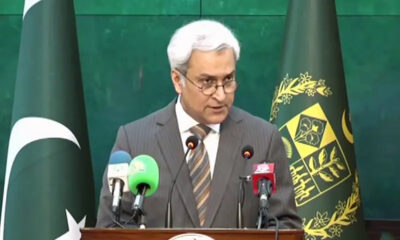
Pakistan open to state-to-state dialogue with Afghanistan on terrorism
-

 Sport4 days ago
ATN secures exclusive rights to broadcast T20I series in India across Afghanistan
-

 Regional5 days ago
Qatar PM to visit Tehran to pursue mediation efforts
-
 Latest News4 days ago
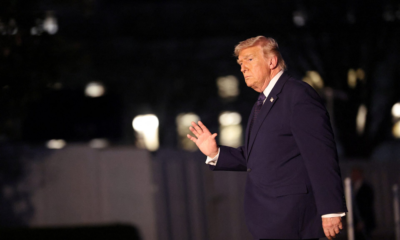
Trump says overnight US withdrawal from Bagram left Afghanistan vulnerable to collapse
-
 Latest News4 days ago
Standardized orthography for Dari and Pashto languages is essential: official
-
 World3 days ago
US hits Egyptian bank branches with Iran sanctions as war marks six months
-
 Latest News3 days ago
Tajikistan to receive military equipment to strengthen Afghan border
-
 Latest News4 days ago
US Department of War says newly found classified documents could shed light on Abbey gate bombing