
Health
سازمان جهانی صحت: نیمی از جمعیت جهان در معرض خطر بیماری دنگی هستند

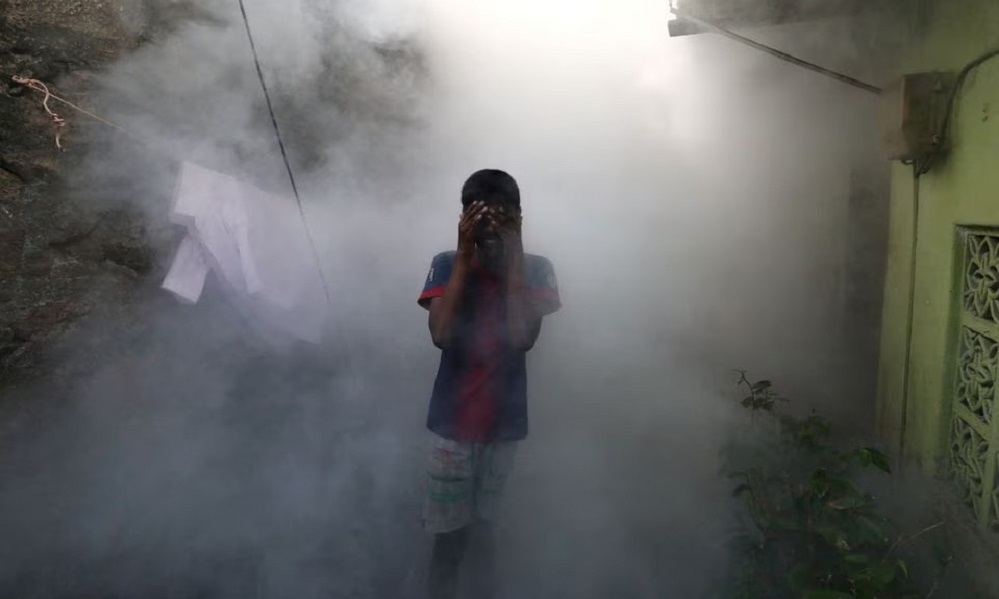
سازمان جهانی صحت روز جمعه هشدار داد که موارد ابتلا به تب دنگی ممکن امسال به بالاترین حد خود برسد و یکی از دلایل آن افزایش حرارت جهان است که به پشه های ناقل این ویروس کمک میکند.
به گفته این سازمان، نرخ ابتلا به دنگی در سطح جهان در حال افزایش است و موارد گزارش شده از سال ۲۰۰۰، هشت برابر شده و در سال ۲۰۲۲ به ۴.۲ میلیون نفر رسیده است.
بر اساس گزارش وزارت صحت سودان در ماه مارچ، این بیماری در خرطوم، پایتخت این کشور برای اولین بار در تاریخ شناسایی شد، در حالی که اروپا افزایش موارد ابتلا را گزارش داده و پرو در اکثر مناطق وضعیت اضطراری اعلام کرده است.
در ماه جنوری، سازمانی جهانی صحت هشدار داد که دنگی سریعترین بیماری گرمسیری در جهان و یک «تهدید همه گیر» است.
رامان ولیودان، متخصص کنترول بیماریهای گرمسیری سازمان جهانی صحت هشدار داد که نیمی از جمعیت جهان در معرض خطر بیماری دینگی هستند.
او گفت: موارد گزارش شده به سازمان جهانی صحت در سال ۲۰۱۹ با ۵.۲ میلیون مورد در ۱۲۹ کشور به بالاترین حد خود رسید. امسال جهان در مسیر ابتلای بیش از چهار میلیون نفر قرار دارد که بیشتر به فصل باران های موسمی آسیا بستگی دارد.
او گفت که در حال حاضر نزدیک به ۳ میلیون مورد در قاره امریکا گزارش شده است و نگرانی در مورد گسترش به بولیویا، پاراگوای و پرو وجود دارد.
ارجنتاین که در سالهای اخیر با یکی از بدترین شیوع بیماری دنگی مواجه شده است، پشهها را با استفاده از تشعشعاتی که DNA آنها را قبل از رهاسازی در طبیعت تغییر میدهد، عقیم میکند.
ولیودان گفت: «منطقه امریکا قطعاً در وضعیت بدی قرار دارد و ما امیدواریم که منطقه آسیا بتواند آن را کنترول کند.»
سازمان جهانی صحت میگوید موارد گزارش شده از این بیماری که باعث تب و درد عضلات میشود، تنها یک بخش کمی از کل موارد ابتلا در سطح جهان را نشان میدهد، زیرا اکثر موارد بدون علامت هستند. این بیماری در کمتر از یک درصد افراد کشنده است.
گفته میشود که آب و هوای گرم به تکثیر سریعتر پشهها کمک میکند و ویروس را قادر میسازد در بدن آنها تکثیر شود. ولیودان افزایش انتقالات کالاها و مردم، شهرنشینی و مشکلات مرتبط با صحت را از دیگر عوامل این افزایش ذکر کرد.
وی در پاسخ به این سوال که امواج گرمایی که نیمکره شمالی کره زمین را تحت تاثیر قرار می دهد چگونه بر گسترش این بیماری تاثیر می گذارد، گفت: هنوز زود است که بگوییم.
او گفت که حرارت بیش از ۴۵ درجه سانتی گرید «باید پشه را بیشتر از تولید مثل آن بکشد، اما پشه حشره بسیار باهوشی است و میتواند در ظروف ذخیره آب که درجه حرارت آنچنان بالا نمی رود تولید مثل کند.»


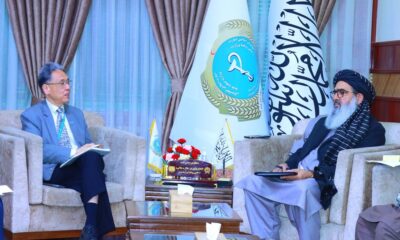





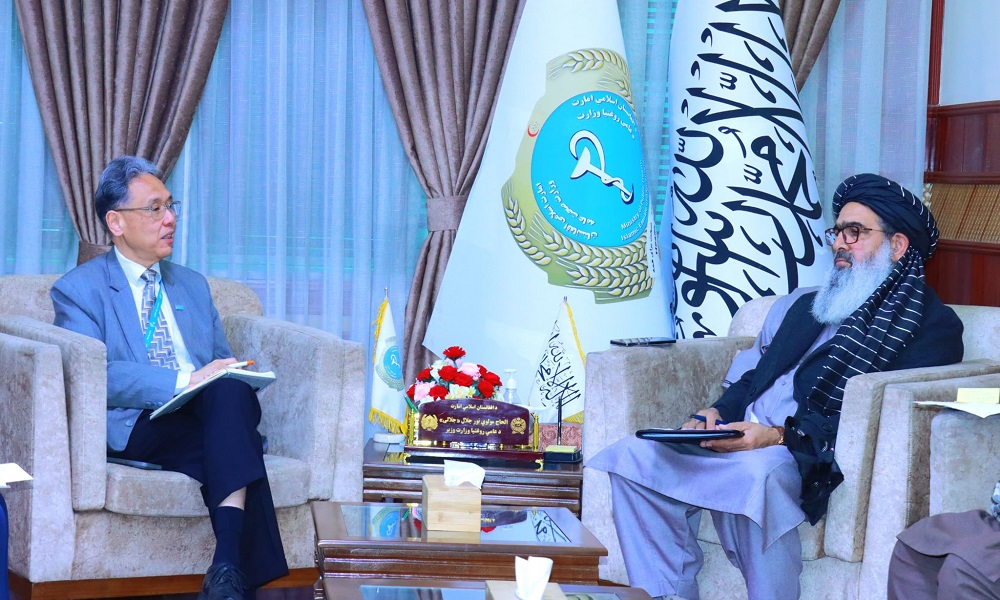
Afghanistan’s Minister of Public Health, Noor Jalal Jalali, met with the head of the World Health Organization in Afghanistan, Edwin Ceniza Salvador, to discuss expanding healthcare services and strengthening coordination in the country.
According to a statement issued Tuesday by the Ministry of Public Health, the meeting was attended by officials from the WHO and other representatives and focused on key health sector priorities and areas of mutual cooperation.
Participants discussed the expansion of health services across Afghanistan, capacity-building initiatives for healthcare workers, and the development of cancer-related services. They also reviewed operational coordination, transparency in the delivery of health services, and preparations for upcoming health-related meetings.
During the meeting, Jalali emphasized the importance of aligning health projects and services with the ministry’s national policies and strategic documents.
He stressed that all health initiatives should be implemented based on the priorities and needs identified by the Ministry of Public Health.
The minister also urged WHO officials to enhance transparency and strengthen coordination with the ministry while taking practical steps to improve the quality of health services and ensure broader public access to healthcare across the country.
For his part, Salvador reaffirmed the WHO’s commitment to maintaining close cooperation with the Afghan health ministry and to delivering essential health services in accordance with the ministry’s policies and priorities.
Health
Afghanistan faces acute shortage of specialist doctors, officials urge ethics and expansion of health services
Noor Jalal Jalali, the Minister of Public Health, said the ministry is making sustained and intensive efforts to address the gap and expand access to healthcare services in remote and underserved areas of the country.
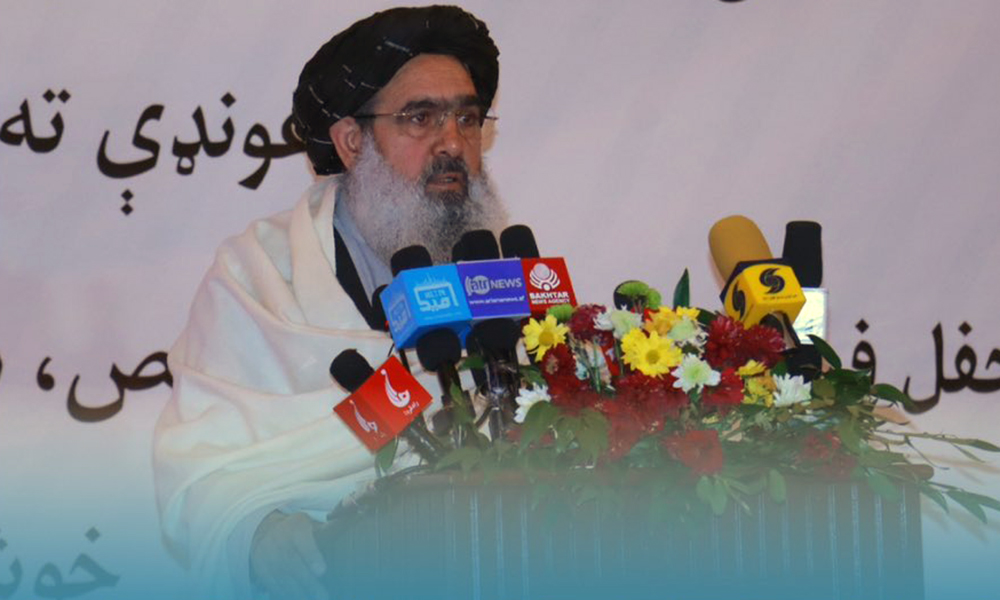
Afghanistan is continuing to face a serious shortage of specialist doctors, health officials said during the graduation ceremony of specialist physicians from the General Directorate of Medical Specialization for the year 1404.
Noor Jalal Jalali, the Minister of Public Health, said the ministry is making sustained and intensive efforts to address the gap and expand access to healthcare services in remote and underserved areas of the country.
According to Jalali, hospitals are still absent across 318 districts nationwide. He added that initial construction work for hospitals has been completed in 100 of these areas, stressing that strengthening health infrastructure and training qualified specialists remain top priorities for the ministry.
Jalali also called on doctors and health officials to uphold their professional and religious responsibilities by treating patients with compassion, dignity, and good conduct. He emphasized that medical practice should not be driven by material gain, but by the pursuit of public service and the well-being of the people.
Speaking at the same ceremony, Hamdullah Nomani, Minister of Communications and Information Technology noted a decline in public trust toward some medical professionals, saying that despite the presence of many committed and ethical doctors, the behavior of a few motivated solely by financial gain has undermined patient confidence. He urged newly graduated specialists to serve with sincerity and restore public trust in Afghanistan’s healthcare system.
Meanwhile, Abdul Wali Sadiqi, the financial and administrative deputy minister of public health, advised graduates to remain committed to their profession, fulfill their responsibilities honestly, and serve the public with dedication. He stressed that efforts in national service should match those made in personal affairs.
In addition, Abdul Baqi Haqqani, head of the National Examinations Authority, highlighted that humans carry two fundamental responsibilities: worship of Allah and preservation of health, underscoring the vital role doctors play in safeguarding public health.
Health sector experts say Afghanistan now needs skilled and professional medical personnel more than ever, calling for increased investment in specialist training and healthcare infrastructure to meet the country’s growing needs.
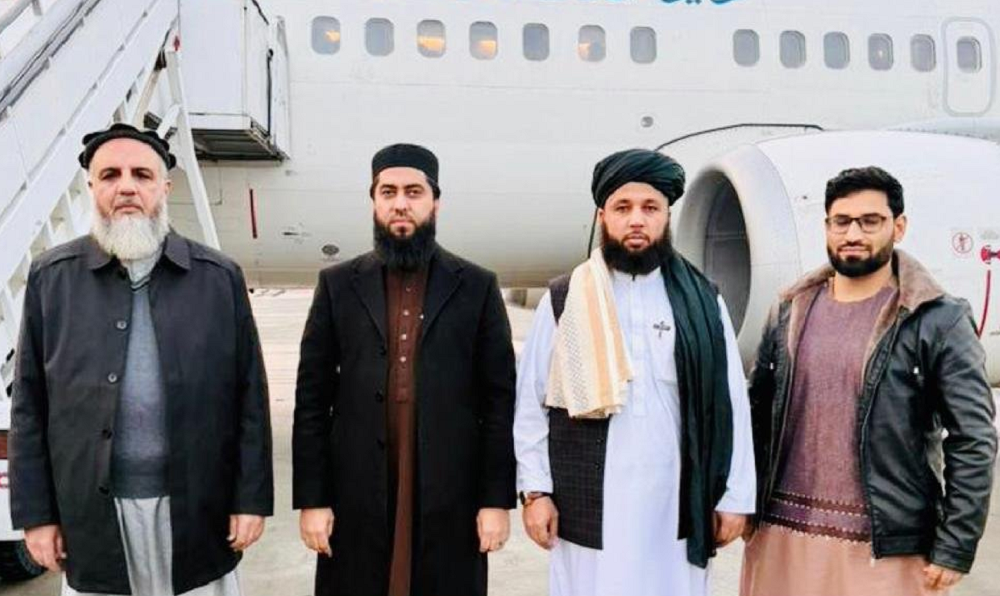
Naemullah Ayoubi, Director General of Drug and Health Products Regulation at Afghanistan’s Ministry of Public Health, has departed for Turkey on an official visit accompanied by a technical delegation.
The Ministry of Public Health said the delegation will hold meetings with officials from Turkey’s pharmaceutical regulatory authority and discuss a number of key issues related to the regulation of medicines and health products.
The delegation is also scheduled to visit several pharmaceutical manufacturing factories in Turkey.
According to the ministry, the visit aims to strengthen coordination between the two countries in the production and import of medicines, in order to ensure the availability of high-quality and affordable pharmaceuticals for people in Afghanistan in both the short and long term.


5.8-magnitude earthquake shakes parts of Afghanistan

Tawsia: This week’s key economic developments in Afghanistan discussed

Iran claims it shot down US F-35 jet

Tripartite agreement to launch new Russia–Turkmenistan–Afghanistan transit corridor

China says Afghanistan–Pakistan peace talks show progress

Prominent Muslim scholar issues fatwa calling for Afghanistan-Pakistan ceasefire

IEA Supreme Leader issues Eid-ul-Fitr message urging unity and support for Islamic system

14 Pakistani soldiers killed after military post falls along Durand line: MoD

Afghanistan steps in to replace Iran in supplying fruits and vegetables to Russia

Afghan airstrikes target Pakistani military sites in retaliation for air attacks
Tawsia: This week’s key economic developments in Afghanistan discussed

Tahawol: Start of talks between Kabul-Islamabad in China discussed

Saar: Ongoing US and Israeli attacks on Iran discussed

Tahawol: Ongoing US–Israeli war with Iran discussed

Saar: Afghanistan-Pakistan talks in China discussed
-
 Latest News5 days ago
TAPI gas pipeline advances 25 km in Afghanistan
-
 Business5 days ago
Afghanistan opens doors to agribusiness investments amid rising opportunities
-
 Latest News3 days ago
Baradar approves 17 projects worth over one billion AFN
-

 Latest News5 days ago
Afghan diaspora protests in London and Oslo over Pakistan strikes
-
 Latest News5 days ago
Pakistan shelling in Afghanistan’s Kunar leaves civilian casualties, says IEA
-
 Business4 days ago
Russia backs Uzbekistan–Afghanistan trade hub, praises regional economic cooperation
-

 Sport4 days ago
ATN secures broadcast rights for inaugural Afghanistan Wrestling Premier League
-

 International Sports5 days ago
Amnesty International raises alarm over deportations, protests ahead of FIFA World Cup