
Latest News
Tajikistan coal exports to Pakistan resume via Afghanistan

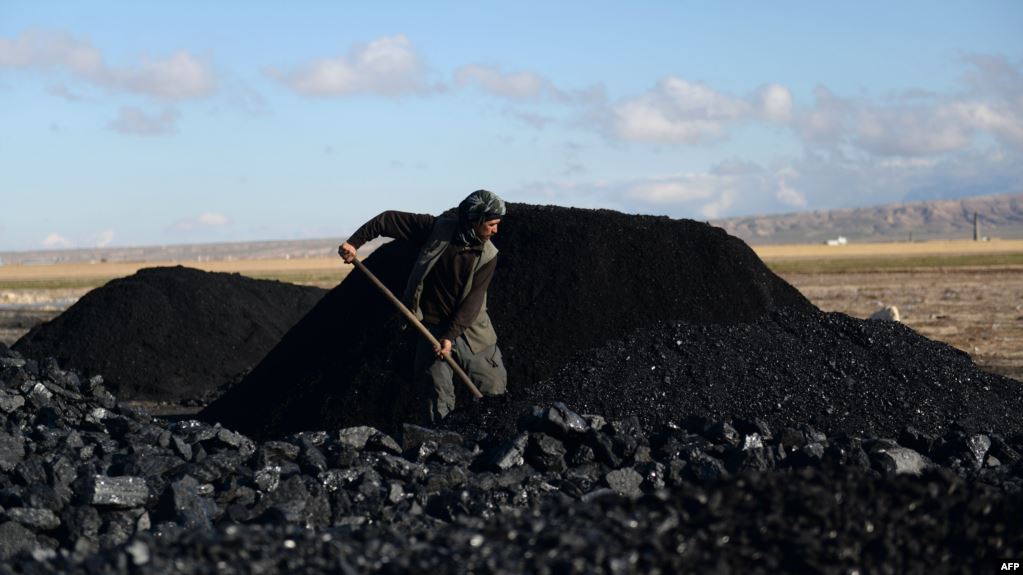
Sher Khan customs office of Kunduz province says that the export of coal from Tajikistan to Pakistan via this port has started again and it is loading more than 100 trucks of coal daily.
“It has been four days since the coal transit started, I ask the traders to have their tariff and transit documents when requested, and the traders promised that the coal they load should be transferred to Pakistan and not unloaded in Afghanistan,” said Mujahid Mujahidzadeh, head of Sher Khan Bandar customs in Kunduz.
A number of traders said that the transit process of Tajikistan’s coal to Pakistan was stopped for some time, and now this process has started again, and hundreds of tons of coal are transferred to Pakistan in the form of transit from Sher Khan loading port to Pakistan via Bandar Ghulam Khan in Khost province.
“There was a problem with the coal connection in the transit product, the problem is being solved, the business was stopped for more or less 20 days”, now the work has started, said Abdullah, a trader.
Meanwhile, these traders have stated that in addition to the fact that hundreds of trucks of coal are exported from Afghanistan every day, 100 to 120 trailers of coal are transported from Tajikistan in 24 hours.
Officials in Sher Khan Bandar have added that with the resumption of coal transit, the revenues of this department have increased and they want traders to bring coal transit documents.
In the meantime, lorry drivers also said that there are no illegal extortions or security problems on the way.
“There is no obligation, there is no bribe, there is no thief, the right has been given to the rightful, and there is no problem for us,” said a truck driver.
In addition to the transit of coal, cement, iron bars is imported from Tajikistan to Afghanistan, and then the vegetables and fruits of Afghanistan are exported again to Tajikistan.

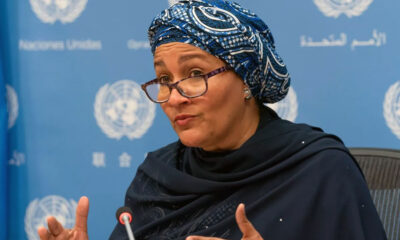



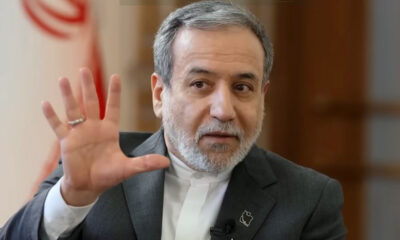

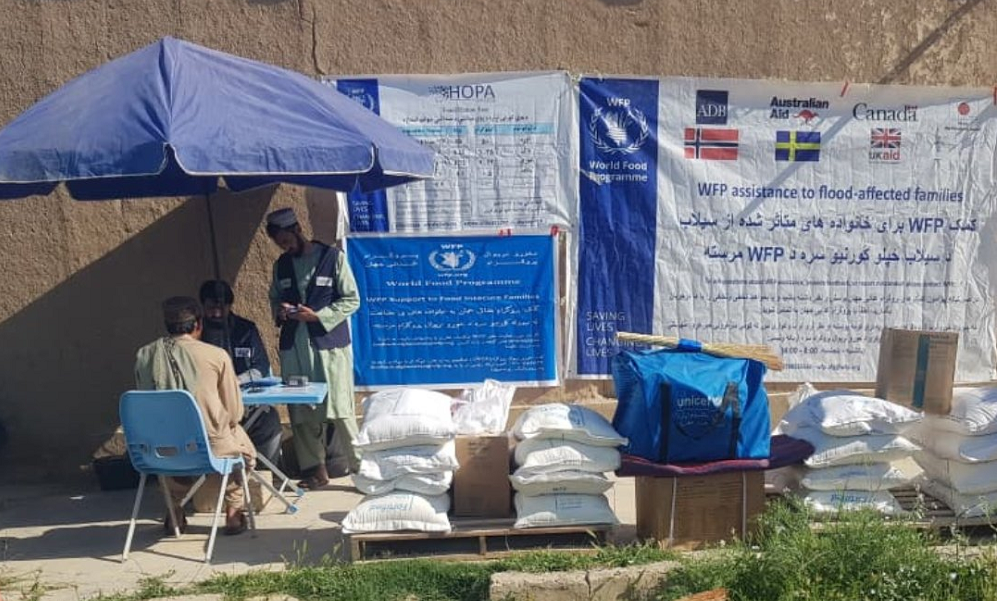
Afghanistan has received more than $11 billion in humanitarian assistance since the Islamic Emirate returned to power in August 2021, according to United Nations figures cited by the BBC.
Despite the substantial aid, the gap between humanitarian needs and available funding remains wide, with the United Nations warning that millions of Afghans continue to require assistance.
The decline in international funding, a growing number of people in need and the return of millions of Afghan migrants from neighboring countries have added pressure to the country’s humanitarian situation.
Afghanistan’s humanitarian crisis deepened following the collapse of the previous government in August 2021. The depreciation of the national currency, the loss of hundreds of thousands of jobs and reductions in some international support programs further strained the economy and living conditions.
UN data shows that Afghanistan received about $5.2 billion in humanitarian assistance in 2021, followed by around $3.8 billion in 2022 and nearly $2 billion in 2023.
For 2024 and 2025, the United Nations appealed for more than $3 billion to address humanitarian needs in Afghanistan. However, funding fell short of the amounts requested.
The assistance has largely been directed toward food, healthcare, support for returnees and other urgent humanitarian needs.
The United Nations continues to classify Afghanistan as one of the world’s largest humanitarian crises, stressing that sustained international support remains essential for millions of Afghans who continue to need assistance.
The Islamic Emirate of Afghanistan (IEA) has expressed deep sorrow over a powerful earthquake that struck eastern Indonesia, killing at least 53 people and forcing around 5,000 others to evacuate.
A magnitude-7.7 earthquake struck Flores Island and surrounding areas on Saturday, blocking roads and triggering landslides, Indonesian authorities said.
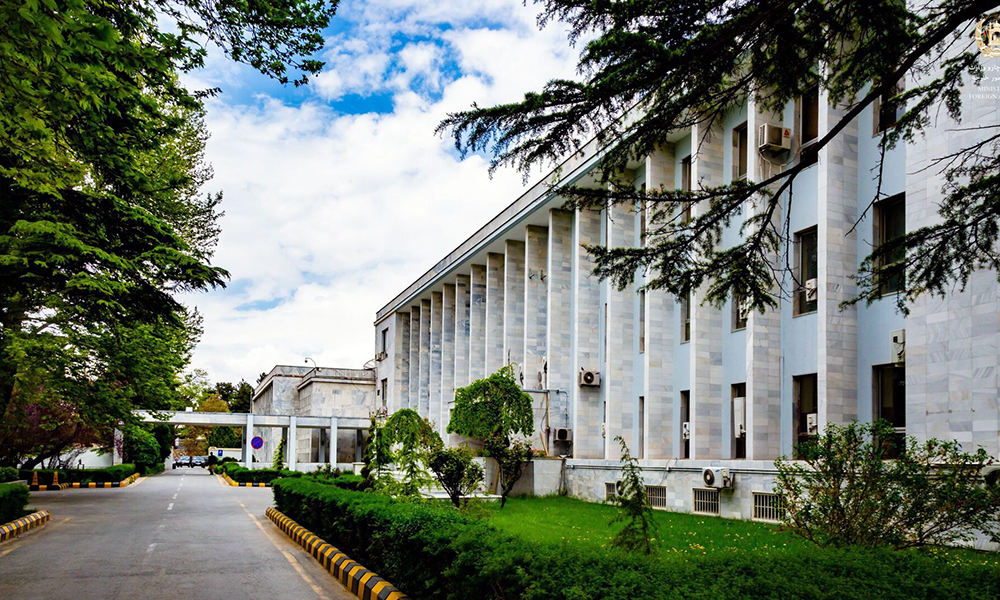
In a statement, Afghanistan’s Ministry of Foreign Affairs conveyed its sympathy and condolences to the government and people of Indonesia over the casualties caused by the earthquake.
It also wished a speedy recovery to those injured in the incident.
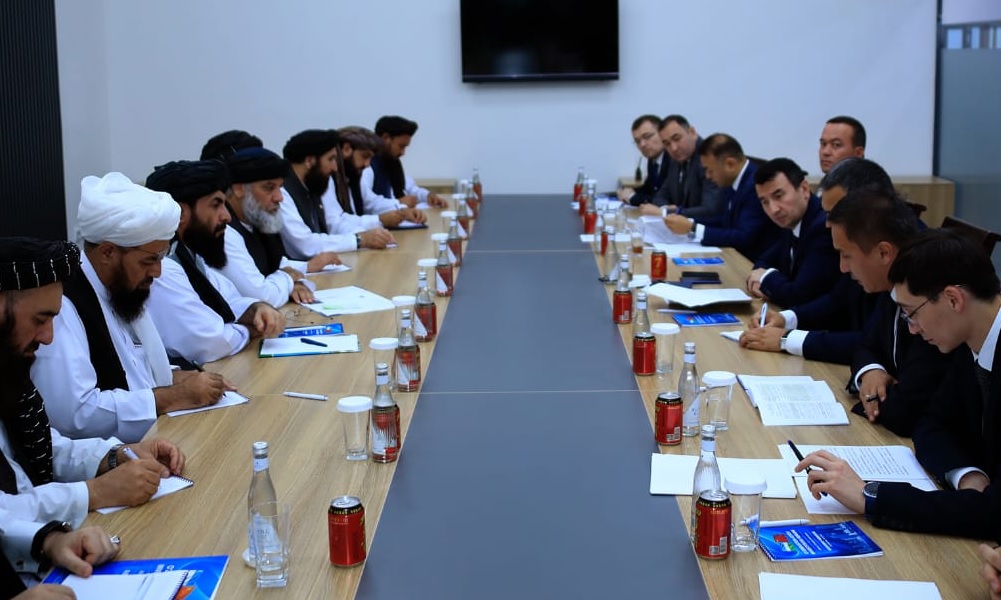
Afghanistan’s Minister of Industry and Commerce, Nooruddin Azizi, met with Uzbekistan’s Deputy Prime Minister Jamshed Khojaev in the city of Termez to discuss expanding economic cooperation and joint investment.
The meeting, held on Saturday at the Termez Trade Center, focused on cooperation in the electricity, mining and agriculture sectors, Afghanistan’s Ministry of Industry and Commerce said in a statement.
Uzbek officials expressed interest in investing in various sectors in Afghanistan. The Afghan delegation welcomed the interest and emphasized its readiness to create the necessary conditions for expanding economic cooperation and joint investment.
Mohammad Yousuf Wafa, governor of Balkh, and Abdul Ghaffar Bahr, Afghanistan’s ambassador to Tashkent, also attended the meeting.


Tahawol: U.S. non-recognition of IEA

Saar: Tensions between Iran and the United States

Afghanistan received more than $11 billion in humanitarian aid over the past five years

Afghanistan expresses condolences over deadly Indonesia earthquake

Afghan commerce minister meets Uzbek deputy prime minister in Termez

Pakistan’s governance system has ‘collapsed’: Mohsin Naqvi

Spain sweep FIFA World Cup player awards after historic triumph

First Chinese transit shipment arrives in Herat via Iran’s railway corridor

Afghanistan, India discuss ways to boost trade and investment ties

Afghanistan exports first stone shipment to US in $100,000 trade milestone
Tahawol: U.S. non-recognition of IEA
Saar: Tensions between Iran and the United States

Debate with Nooruddin Azizi, Minister of Industry and Commerce

Saar: Marking IEA’s fifth anniversary in Afghanistan discussed

Tawsia: $420M investment in TAPI gas distribution network in Herat discussed
-

 Latest News3 days ago
HesabPay unveils new visa card and digital payment app in Kabul
-

 International Sports4 days ago
AFC Champions League Elite draw nears as Al-Nassr seeded above Al-Hilal
-

 Sport5 days ago
Afghanistan to host India for three-match T20I series in Delhi
-
 Latest News4 days ago
Afghan envoy invites Fazlur Rehman to embassy event marking IEA’s return to power
-
 Sport5 days ago
Afghanistan face Ireland with series win in sight
-
 World5 days ago
US military operations killed 153 civilians in 2025, Pentagon assessment shows
-
 Sport4 days ago
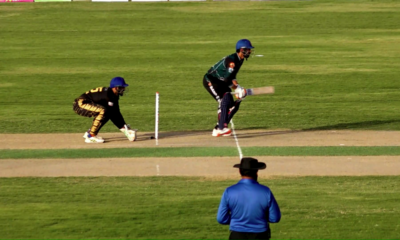
Kabul Premier League: Abasin Defenders thrash Band-e Amir Stars by 163 runs
-
 Regional4 days ago
Iran says no progress on reviving interim peace deal with US