
Latest News
Secretary General of NRC calls on IEA to scrap female worker ban

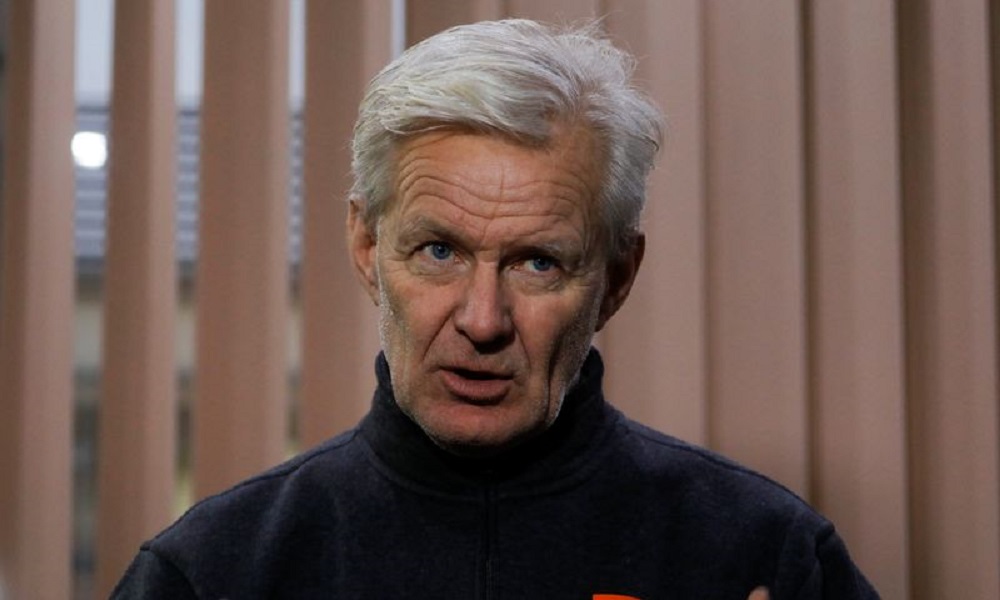
The head of a major aid group that suspended work in Afghanistan after the Islamic Emirate of Afghanistan (IEA) banned female NGO workers said on Thursday he would write to the administration’s senior figures in Kandahar and ask them to change the policy, Reuters reported.
Jan Egeland, the Secretary General of the Norwegian Refugee Council, said it was crucial to engage with the leadership in the southern city, home to the IEA’s supreme leader, Hebatullah Akhundzada.
“The letter I’m drafting will say: We know you, we worked in … areas controlled by the Taliban (IEA) for many years. You know us,” said Egeland.
“You know that our female staff have always used the hijab. They’ve had … a male chaperone on longer travel. Your people are suffering because of your ban on female workers.”
The IEA last month ordered all local and foreign aid groups to stop letting female staff work until further notice.
It said the move, which was condemned globally, was justified because some women had not adhered to the IEA’s interpretation of the Islamic dress code.
Many NGOs suspended operations in response, saying they needed female workers to reach women in the conservative country.
Egeland, who visited the capital Kabul this week, said officials there had told him they were in favor of women working at NGOs, but that the order had come from Kandahar. Spokespeople for the IEA administration did not immediately respond to a request for comment.
Egeland said he had arranged meetings in Kandahar with the Ulema Council, made up of religious scholars, and the provincial governor, as it was not possible for foreign humanitarian agencies to meet directly with Akhundzada, Reuters reported.
But after bad weather halted flights, he said he would write instead and try to arrange online meetings.
He said he welcomed some signs of flexibility in health and others areas, where some female and male workers worked alongside each other. But he called for a full reversal of the ban.
“Our male staff cannot go to widows, single mothers and their children, to all of the vulnerable female groups here and thereby were prevented from doing all work,” he said.

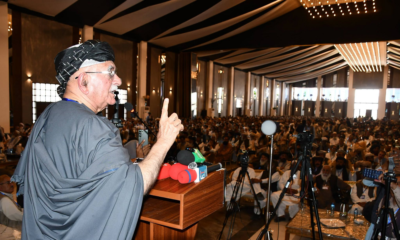


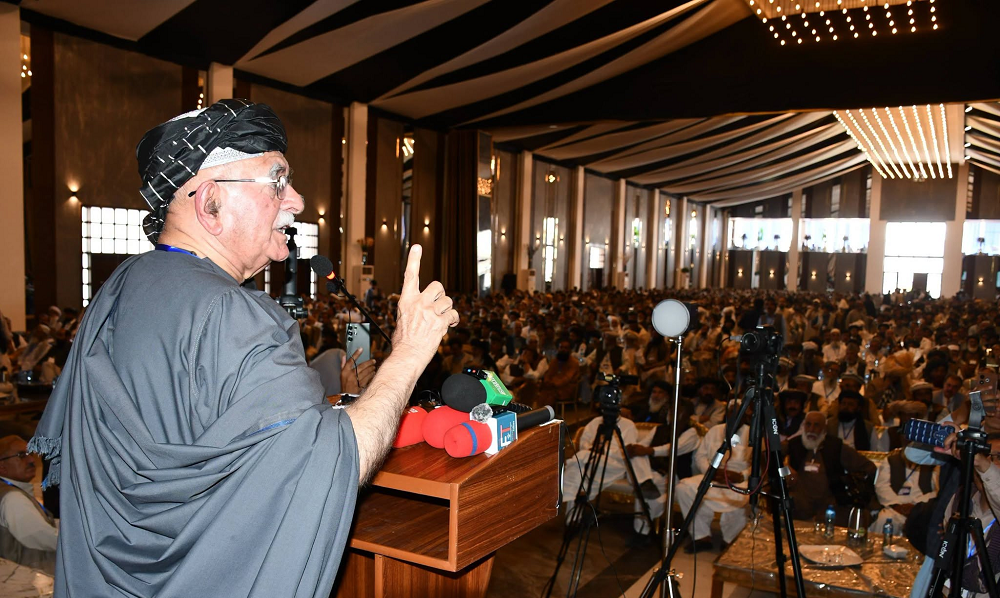
Mehmood Khan Achakzai, chairman of Pakistan’s Pakhtunkhwa Milli Awami Party (PkMAP) and opposition leader in the National Assembly, said Afghanistan continues to be viewed mainly through a security lens in regional forums.
Speaking at the opening session of a three-day public jirga in Southern Pakhtunkhwa on Sunday, Achakzai said Afghan people were not adequately represented in discussions about their country, including at the Shanghai Cooperation Organisation.
He said blaming Afghanistan alone for regional security challenges ignored the country’s history of decades of conflict, foreign interventions and proxy rivalries involving major and regional powers.
Achakzai also said the powers and proxies involved during the Cold War bear historical responsibility for the destruction of Afghanistan.
Latest News
Retired U.S. general: ‘I was quite unhappy with the ending in Afghanistan’
He said the images of Afghans trying to hold onto a departing U.S. military aircraft in Kabul were similarly traumatic.
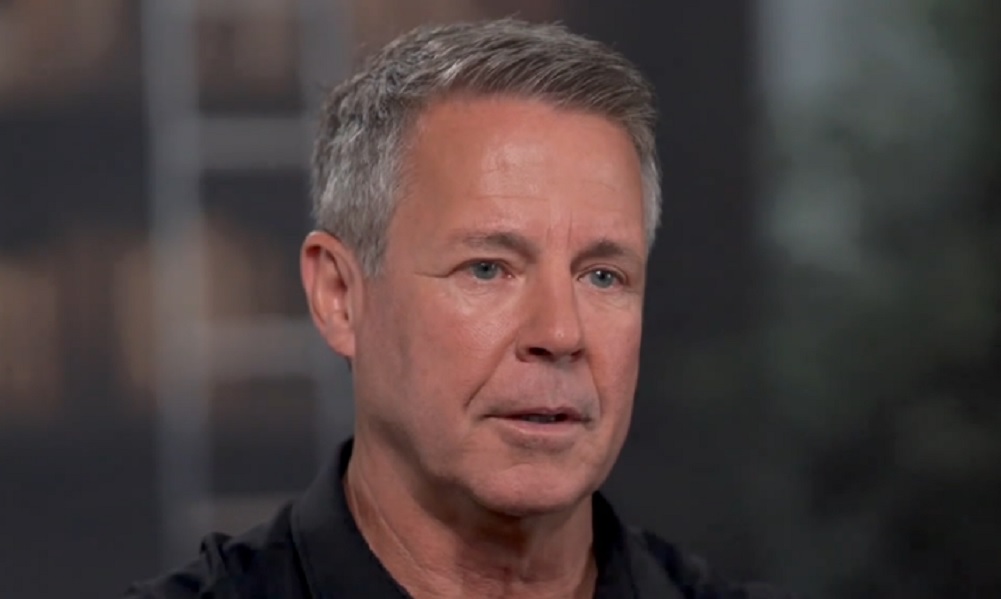
Retired U.S. four-star General Austin “Scott” Miller, the former commander of U.S. and NATO forces in Afghanistan, says he was deeply unhappy with the way the U.S. mission in Afghanistan ended.
In an interview with ABC News, Miller said he knew the withdrawal could end badly, but he was still angry and disappointed by the fall of Kabul and the way the U.S. left Afghanistan.
“I was quite unhappy with the ending in Afghanistan,” Miller said. “Even if I knew it wasn’t going to be good, I knew this could happen, but I was angry.”
Miller said one of the most difficult parts of leaving Afghanistan was telling Afghan partners and friends that he was leaving. Some of those relationships had lasted 10 to 15 years.
“I felt like I had a distasteful task,” he said. “I had to tell them I’m leaving. I really am leaving, and this force is leaving.”
Miller said that although he was simply carrying out U.S. government policy as a soldier, the reaction from his Afghan friends was painful.
“The look in their eyes… was almost as if you’re betraying us,” he said.
Miller: “I felt helpless” during Kabul evacuation
Miller said watching the chaotic evacuation from Kabul after the Islamic Emirate seized the capital was extremely difficult.
“I felt helpless,” he said. “If I could have snuck on an airplane, I would have gone over there.”
He said he wanted to return to Afghanistan to help, but he was no longer in a position to do so.
Miller also recalled the suicide bombing at Abbey Gate at Kabul airport, which killed U.S. service members and Afghan civilians.
“That one almost brought me to my knees. That one hit me in the gut hard,” he said.
Kabul scenes reminded Miller of 9/11
Miller said the chaos at Kabul airport reminded him of the September 11, 2001 attacks in the United States.
He recalled seeing people jumping from the World Trade Center to escape the flames on 9/11.
He said the images of Afghans trying to hold onto a departing U.S. military aircraft in Kabul were similarly traumatic.
“It was traumatic for a lot of people because we do remember how this started. And now, we’re looking at how it’s ending,” Miller said.
Miller says the evacuation could have been handled differently
Asked what could have been done differently, Miller said the growing risks on the ground were not fully understood.
He said the United States could have reduced the number of people who needed to be evacuated before the situation became an emergency.
“I would have liked to have seen some of that come out while we had all the airlift as we were taking the military out,” he said.


Rescuers search for missing after deadly North Cyprus ferry accident

Afghanistan should not be viewed solely through a security lens: Achakzai

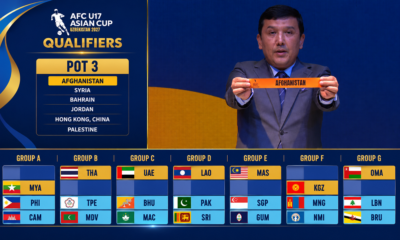
Afghanistan drawn in Group A of AFC U17 Asian Cup qualifiers

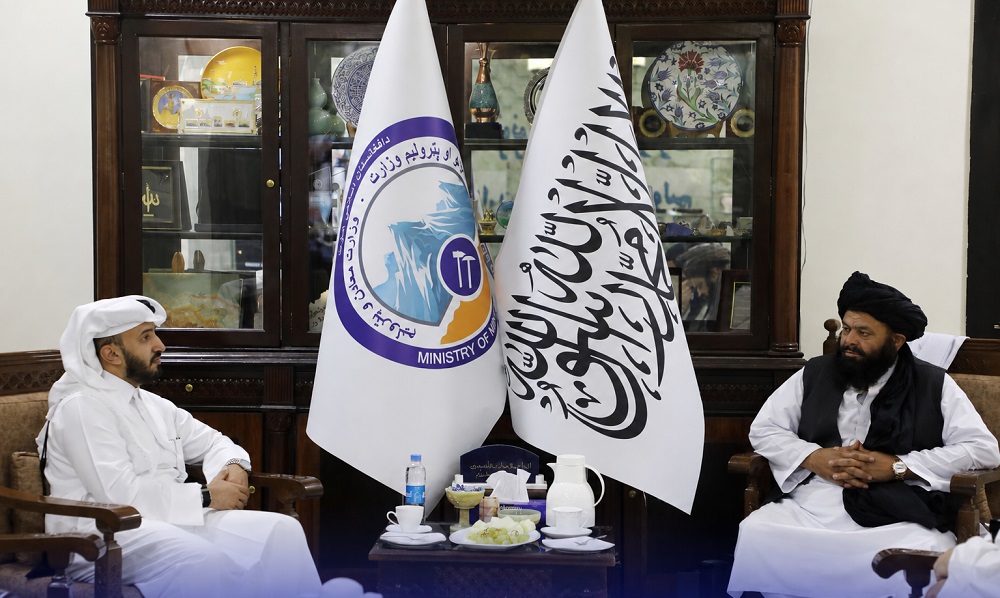
Afghanistan, Qatar discuss investment opportunities in oil and gas

Retired U.S. general: ‘I was quite unhappy with the ending in Afghanistan’

AFC confirms clubs for 2026/27 competitions; draw set for August 18

Four mediators struggle to secure lasting Pakistan-Afghanistan ceasefire

Only two days to go before Afghanistan and Ireland begin ODI series

Kabul opens cardiac hospital for children

Heavy monsoon rains claim lives across India as flooding and landslides continue

Tahawol: Latest on Stalled Kabul-Islamabad Talks

Saar: Afghanistan’s Relations with Regional Countries

Tahawol: Islamic Emirate seeks to normalize US ties

Saar: Discussion on ensuring Afghanistan’s border security

Tawsia: Afghanistan’s efforts to boost production and exports disucssed
-
 Latest News4 days ago
Pakistan open to state-to-state dialogue with Afghanistan on terrorism
-
 Sport4 days ago
ATN secures exclusive rights to broadcast T20I series in India across Afghanistan
-

 Regional4 days ago
Qatar PM to visit Tehran to pursue mediation efforts
-
 Latest News4 days ago
Standardized orthography for Dari and Pashto languages is essential: official
-
 Latest News4 days ago
Trump says overnight US withdrawal from Bagram left Afghanistan vulnerable to collapse
-
 World2 days ago
US hits Egyptian bank branches with Iran sanctions as war marks six months
-
 Latest News3 days ago
Tajikistan to receive military equipment to strengthen Afghan border
-
 Latest News4 days ago
US Department of War says newly found classified documents could shed light on Abbey gate bombing