
World
Netanyahu says Israel will be a key US ally whoever replaces Biden
“In this time of war and uncertainty it’s important that Israel’s enemies know that America and Israel stand together today, tomorrow and always,” Netanyahu said.

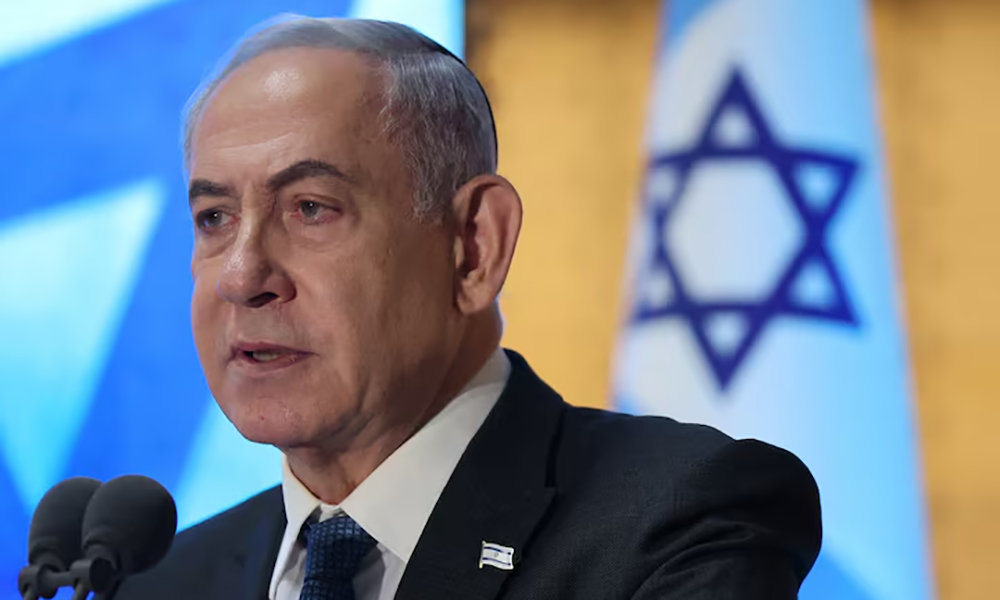
Israel will be the United States’ strongest ally in the Middle East regardless of who is elected president in November, Prime Minister Benjamin Netanyahu said on Monday before flying to Washington, where he was due to address the U.S. Congress, Reuters reported.
The visit, Netanyahu’s first to his most important international ally since returning for a record sixth term as prime minister at the end of 2022, has been overshadowed by President Joe Biden’s decision not to seek reelection.
Netanyahu said he would thank Biden for all he has done for Israel throughout his career and discuss with him issues such as securing the release of Israeli hostages in Gaza, defeating the Palestinian Islamist group Hamas, and confronting Iran and its proxies in the region.
A meeting with Biden is tentatively planned for Tuesday if the 81-year old president has recovered from Covid-19. Netanyahu is scheduled to address Congress on Wednesday.
“I will tell my friends on both sides of the aisle that regardless who the American people choose as their next president, Israel remains America’s indispensable and strong ally in the Middle East,” he told reporters before taking off.
“In this time of war and uncertainty it’s important that Israel’s enemies know that America and Israel stand together today, tomorrow and always,” Netanyahu said, adding he wanted to “anchor the bipartisan support that is so important for Israel”.
After months of frosty relations with Washington over how Israel has conducted its offensive launched in Gaza after the Hamas-led attack on Oct. 7, the visit offers Netanyahu a platform to try to reset relations with Washington, read the report.
His speech to Congress is expected to focus on coordinating the Israeli and U.S. response to the volatile situation in the Middle East, where there is a growing danger of the Gaza war spilling over into a wider regional conflict.
The speech is likely to be less confrontational than an address Netanyahu gave to Congress in 2015, when he criticised Barack Obama’s drive as president for a nuclear deal with Iran.
U.S. pressure on Israel for a resumption of talks on reaching a political agreement with the Palestinians, and a U.S. threat to withhold arms, have underlined perceptions in Israel that ties with Washington have weakened under Netanyahu. He has also faced protests in Israel demanding a ceasefire in Gaza.
“Part of the goal is to try to show that with all that’s been said, with all the protests, Netanyahu is still the leader, still has support, he still has strong relations with America,” said Yonatan Freeman, an international relations specialist at the Hebrew University of Jerusalem.
The invitation for Netanyahu to address a joint meeting of Congress – a rare honour generally reserved for the closest U.S. allies – was orchestrated by the House of Representatives’ Republican leadership, which has accused Biden of not showing sufficient support for Israel.
There was no immediate sign that Netanyahu will see Republican presidential candidate Donald Trump. The two forged a close relationship during Trump’s presidency but Trump has since criticised Netanyahu and said the Gaza war must end quickly.
Although his welcome in Congress should be generally warm, protests roiling U.S. campuses suggest Netanyahu’s reception outside official Washington may be hostile.
Activists opposing Israel’s offensive in Gaza and Washington’s support for Israel plan protests at the U.S. Capitol on Wednesday. Police expect a “large number of demonstrators” and are making additional security arrangements but said there were no known threats, Reuters reported.
Israel has been isolated internationally over its campaign in Gaza, which Gaza health authorities say has killed almost 39,000 Palestinians, the expansion of settlement-building in the occupied West Bank and Jewish settlers’ attacks on Palestinians.
An opinion issued on Friday by the International Court of Justice that Israel’s occupation of Palestinian territories is illegal was criticised by Washington. But it followed similar developments including a decision by the International Criminal Court’s prosecutor to seek an arrest warrant against Netanyahu.
In Israel, Netanyahu faces growing calls for a deal that would halt the fighting in Gaza and allow the return of 120 hostages – alive or dead – still held in the enclave run by the Palestinian militant group Hamas.
Netanyahu has resisted pressure for an inquiry into the security failures before the Oct. 7 attack on Israel in which 1,200 people were killed and over 250 abducted into Gaza.
Opinion polls show most Israelis hold him responsible and would vote him out if elections were held, read the report.
Netanyahu will be accompanied by Noa Argamani, a hostage rescued by Israeli commandos last month. Her presence has been criticised by other hostage families who say Netanyahu has not been doing enough to secure the release of their loved ones.

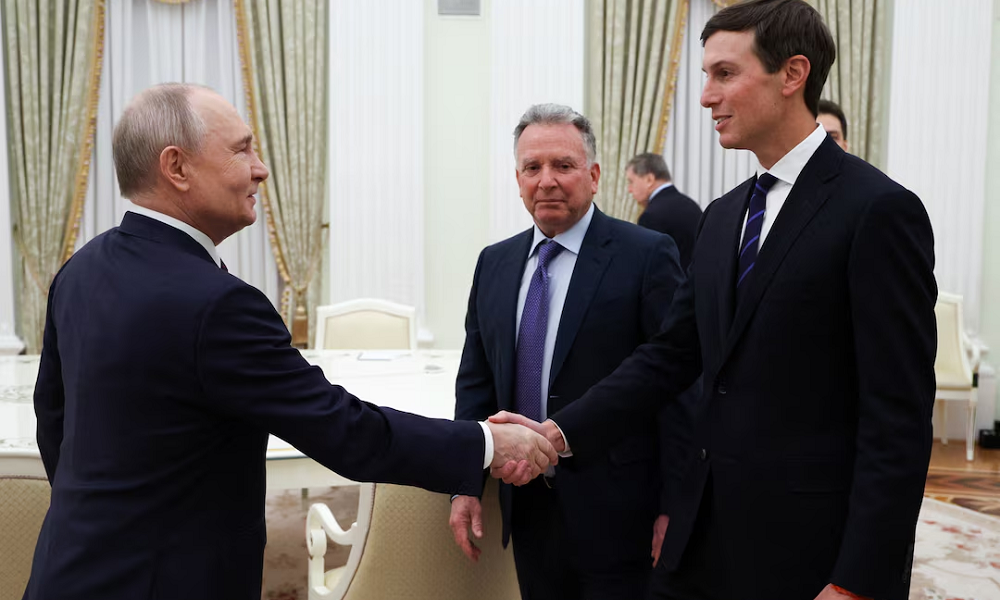
Russian President Vladimir Putin has agreed to include European representatives in the next round of Ukraine peace talks, a US envoy said, while Ukrainian President Volodymyr Zelenskiy welcomed the prospect, calling it an important step towards advancing diplomatic efforts.
US special envoy Steve Witkoff announced the development following his meeting with Putin at the Kremlin on Thursday. He said European participation was important, as the countries were partners in efforts to resolve the conflict.
Witkoff and fellow US envoy Jared Kushner later travelled to Ireland, where they met with Zelenskiy on the sidelines of a European summit in Dublin.
The Ukrainian president welcomed the prospect of European involvement and expressed hope that the next round of negotiations would focus on de-escalation and possible ceasefire arrangements.
Zelenskiy said it was important to remove obstacles to the negotiations and establish an agenda that could help reduce tensions and move the conflict towards a peaceful resolution.
However, Putin stressed that Moscow had never opposed dialogue with European countries, claiming that European governments had been responsible for ending direct engagement with Russia.
The Russian president also warned that deploying Western troops in Ukraine under a potential peace agreement would be considered a security threat by Moscow and could lead to a resumption of hostilities.
Putin urged Washington to work with its European allies to determine whether they genuinely wanted peace or continued conflict in Ukraine.
Meanwhile, Kremlin aide Yuri Ushakov did not confirm European participation in the next round of talks and criticised the current European position on the conflict, describing it as a path towards an endless war.
The latest developments follow two days of trilateral negotiations between Russian, Ukrainian and US representatives in Abu Dhabi, marking the first direct US-mediated talks between Moscow and Kyiv in nine months.
Both sides reported some progress but acknowledged that major disagreements remain, particularly over territorial issues. Russia currently controls about one-fifth of Ukraine, while Kyiv continues to reject surrendering the remaining parts of the eastern Donbas region.
Separately, Zelenskiy raised concerns over restrictions affecting Starshield satellite communications, saying the disruptions had affected the entire front line. The Ukrainian president warned that limitations on the US-made system could have significant implications for Ukraine’s military operations.
The developments highlight continued diplomatic efforts to end the war, although major differences between Russia, Ukraine and their Western partners remain unresolved.
World
Trump says further US attacks on Iran ‘highly unlikely’ as peace talks gain momentum
Although Trump played down the prospect of renewed attacks, he warned that US forces remained prepared to respond if circumstances changed.

US President Donald Trump has said further American military strikes against Iran are “highly unlikely”, signalling a possible shift towards de-escalation as diplomatic efforts to end the conflict gather momentum.
Speaking to reporters at the White House on Monday, Trump said Iran was effectively defeated militarily and suggested Washington was prepared to maintain the current situation while negotiations continued.
“Iran militarily is effectively over,” Trump said, adding that there was “positive momentum” behind efforts to reach an agreement.
“We’re just keeping it the status quo,” he said, explaining that the decision was largely being taken at the request of neighbouring countries.
Although Trump played down the prospect of renewed attacks, he warned that US forces remained prepared to respond if circumstances changed.
“We’re locked and loaded,” he said, while describing further strikes as “highly unlikely”.
The comments come amid growing pressure on the Trump administration to bring the conflict to an end, following bruising midterm election results for Republicans last week.
Several senior party figures, including Vice-President JD Vance, have pointed to the war as a factor behind the party’s poor performance.
Trump had previously indicated that US forces carried out what he described as limited strikes on an Iranian island near the strategically important Strait of Hormuz.
However, in a television interview broadcast on Sunday, he said he currently saw no reason to escalate the military campaign.
He also stopped short of formally declaring the war over, arguing that Washington still had to protect its Gulf allies from possible Iranian attacks.
The US naval blockade of Iranian ports, he suggested, was helping maintain security across the region.
Global oil prices fell further following Trump’s latest remarks, with Brent crude dropping more than 1% to around $91.50 a barrel, while US crude also declined.
Gulf diplomacy intensifies
Trump’s comments followed a meeting with Qatari Prime Minister Sheikh Mohammed bin Abdul Rahman Al Thani at the White House on Monday.
The US president described their discussions as excellent, while the Qatari leader said he had held positive talks with Trump and Vance on reaching an agreement and restoring regional peace.
Diplomatic efforts to end the conflict have largely been conducted through intermediaries since the war erupted following joint US-Israeli strikes against Iran in February.
Saudi Arabia, Qatar and the United Arab Emirates are among Washington’s Gulf partners that have been targeted by Iranian attacks during the conflict, while security concerns have also caused significant disruption to regional air travel.
Political pressure mounts in Washington
Meanwhile, the war is generating further political tensions in Washington.
Republican Congressman Thomas Massie on Monday announced plans to force a House of Representatives vote this week on impeaching Defence Secretary Pete Hegseth over his handling of the conflict.
Hegseth, who has received Trump’s backing, dismissed the threat, describing Massie’s effort as a “sham”.
The impeachment initiative is unlikely to succeed while Republicans retain control of Congress. However, Democrats have indicated they could pursue the matter when the new congressional session begins in January.
For Trump, the challenge is increasingly twofold: finding a diplomatic exit from the conflict while managing mounting political pressure at home and reassuring US allies across the Gulf.
World
First Muslim US senator-elect El-Sayed calls for review of aid to Pakistan
He also called for restrictions on US arms sales to Israel, alleging that some American-supplied weapons were being used in actions involving what he described as genocide and apartheid.
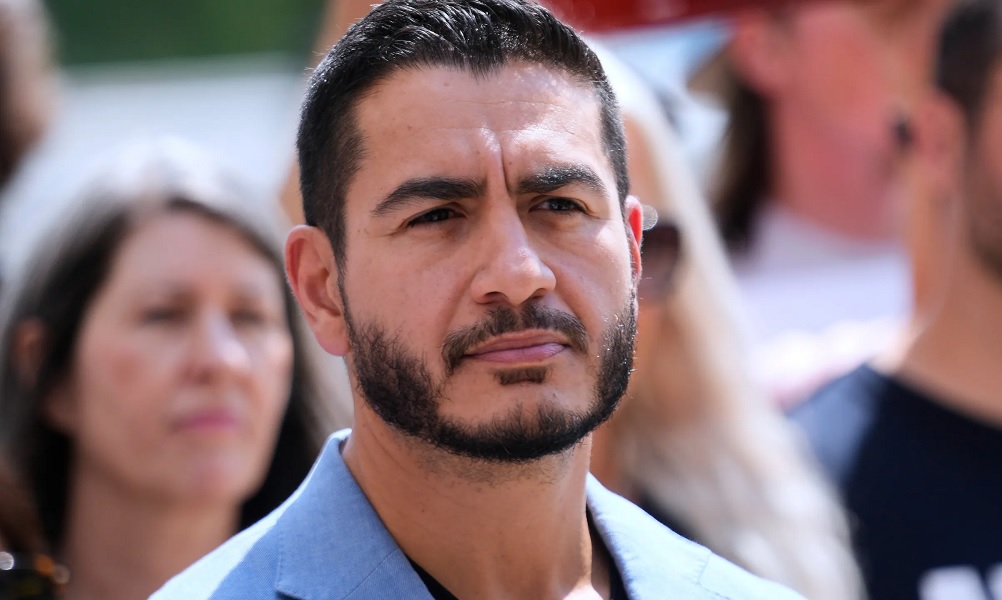
Abdul El-Sayed, the first Muslim elected to the US Senate, has called on Washington to reconsider its financial and military assistance to Pakistan and several other countries, arguing that American taxpayer money should not be used to support violations of international law.
El-Sayed, a Democrat who recently defeated Republican candidate Mike Rogers in Michigan, said the United States must ensure that its foreign assistance policies are consistent with international law.
In an interview with ABC, he stressed that the issue should not be limited to Israel, but should also include Pakistan, Egypt and Jordan.
“When we are giving money to a country that is using our money to violate international law, that seems to me a good place to start,” El-Sayed said.
His remarks come after US President Donald Trump announced plans to end approximately $4 billion in annual military assistance to Israel by the end of the year.
El-Sayed welcomed Trump’s proposal to reduce military aid to Israel, saying he agreed with the president’s approach.
He also called for restrictions on US arms sales to Israel, alleging that some American-supplied weapons were being used in actions involving what he described as genocide and apartheid.
The United States currently provides Israel with $3.8 billion in annual military assistance under an agreement that remains in effect until 2028.
However, El-Sayed’s criticism extends beyond Israel. He has also questioned US military assistance to Egypt, Saudi Arabia, Jordan and Pakistan, arguing that American taxpayer money should instead be directed towards domestic priorities.

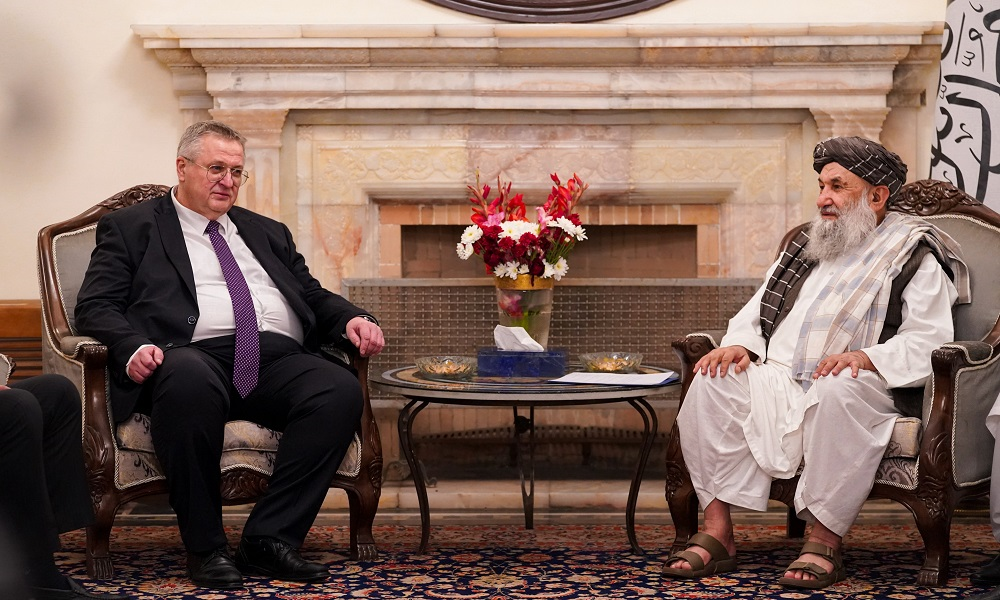
Afghanistan and Russia discuss expanding economic cooperation and boosting investment
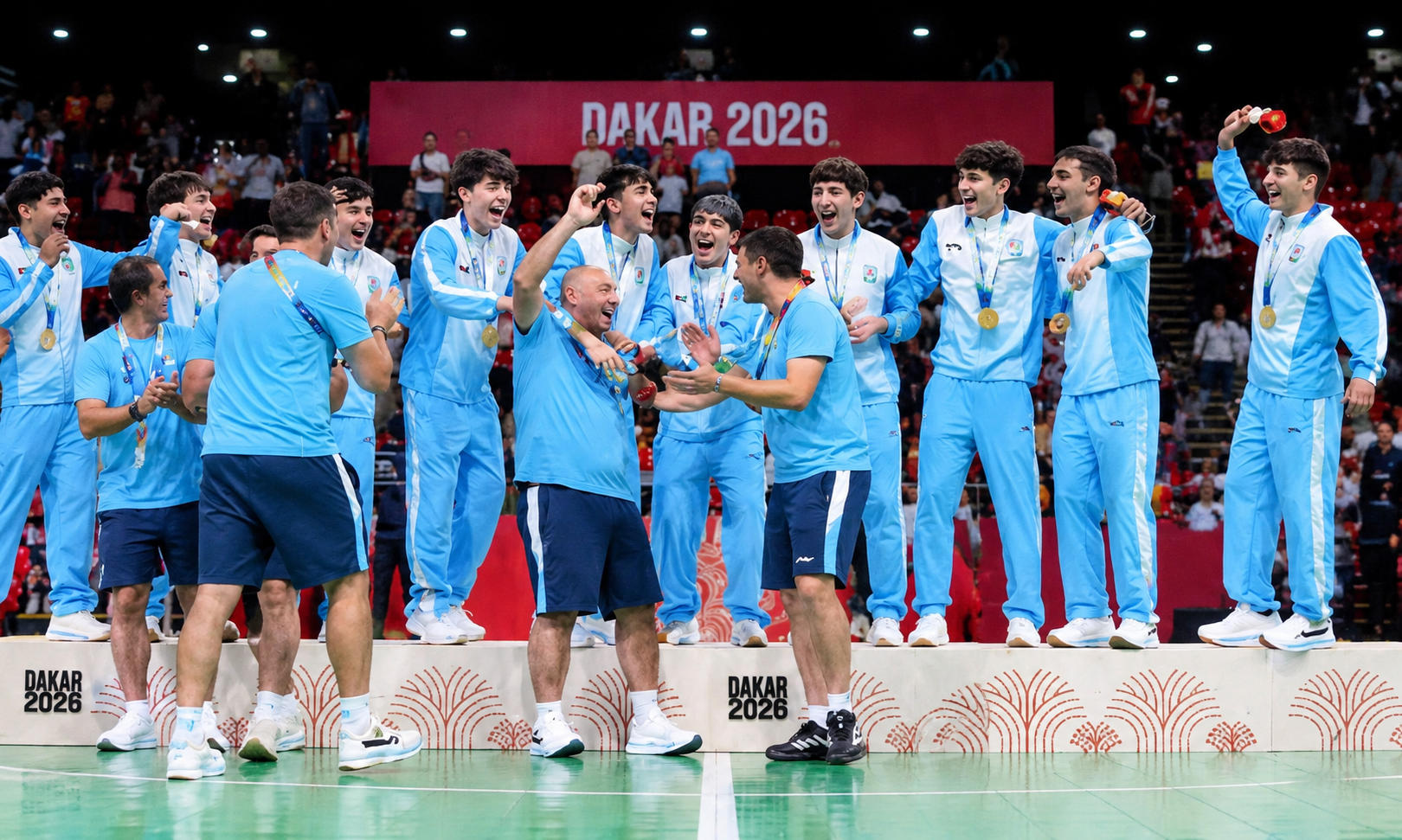
Argentina clinch futsal gold after defeating Portugal in Dakar 2026 final
Putin agrees to European role in Ukraine peace talks as Zelenskiy welcomes move
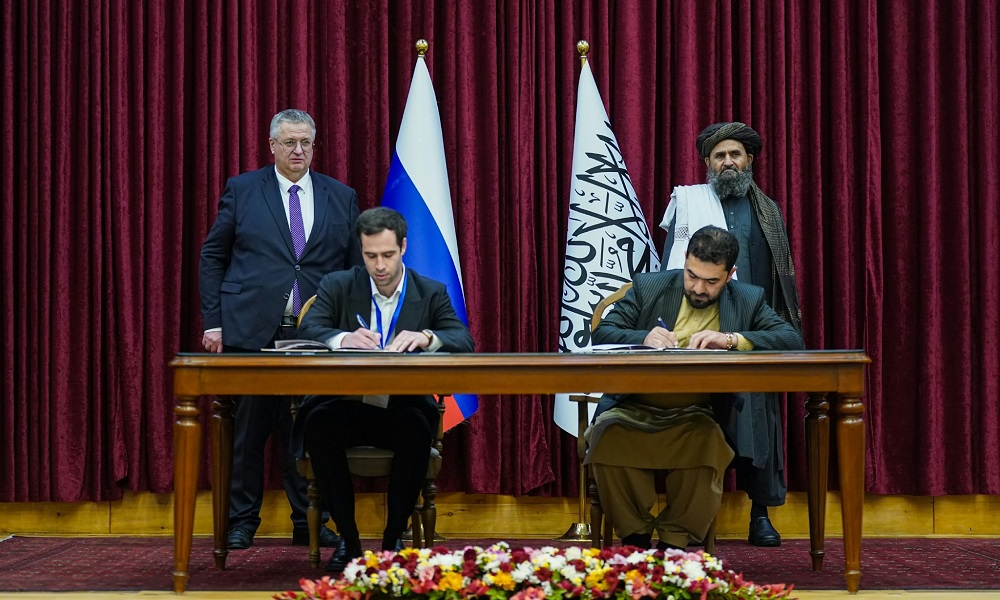
Afghanistan and Russia sign 15 economic cooperation agreements worth $103 million
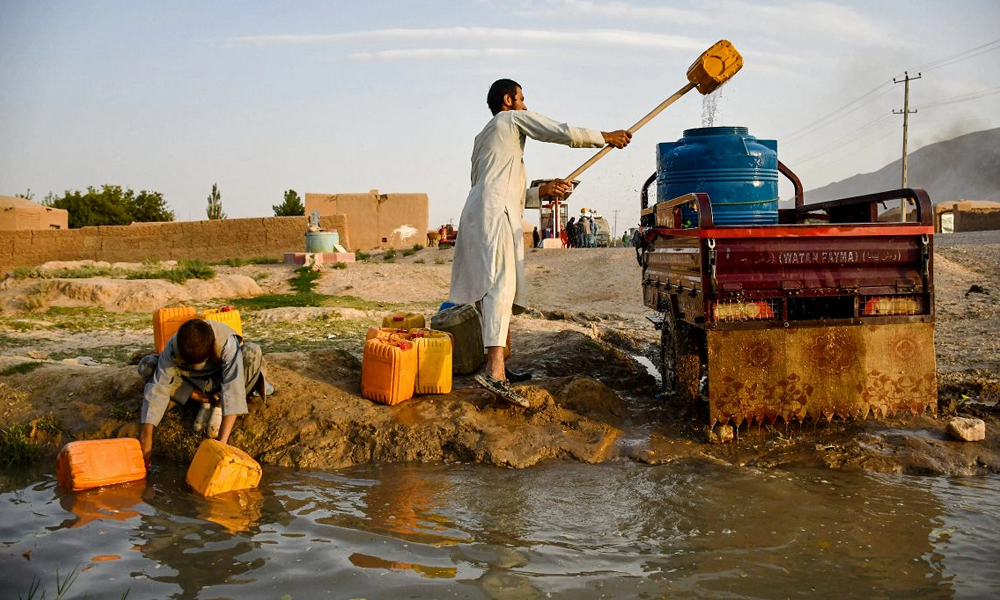
UN warns of deepening water crisis in central Afghanistan amid climate change

Afghanistan finish runners-up after 6-0 defeat to Brazil in futsal final

Trump says US may strike Iran’s ‘Pickaxe Mountain’ nuclear facility

Rubio heads to Central Asia while other US officials hit foreign policy hot spots

Violent protests spread across Europe as Albanian PM blames ‘foreign hand’

Governments take websites offline as critical cyber flaws trigger global alert
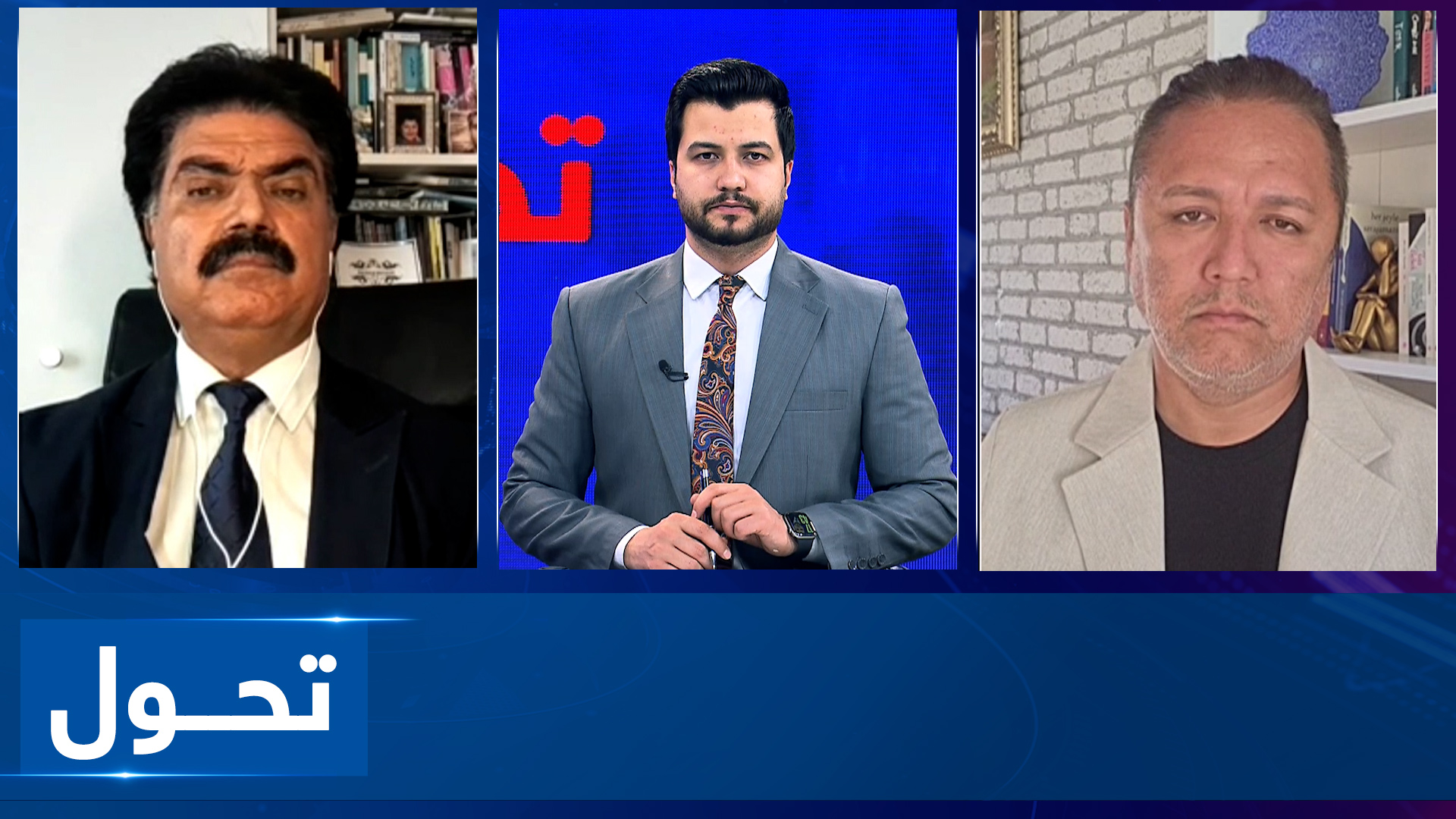
Tahawol: Russia’s special attention to situation in Afghanistan discussed
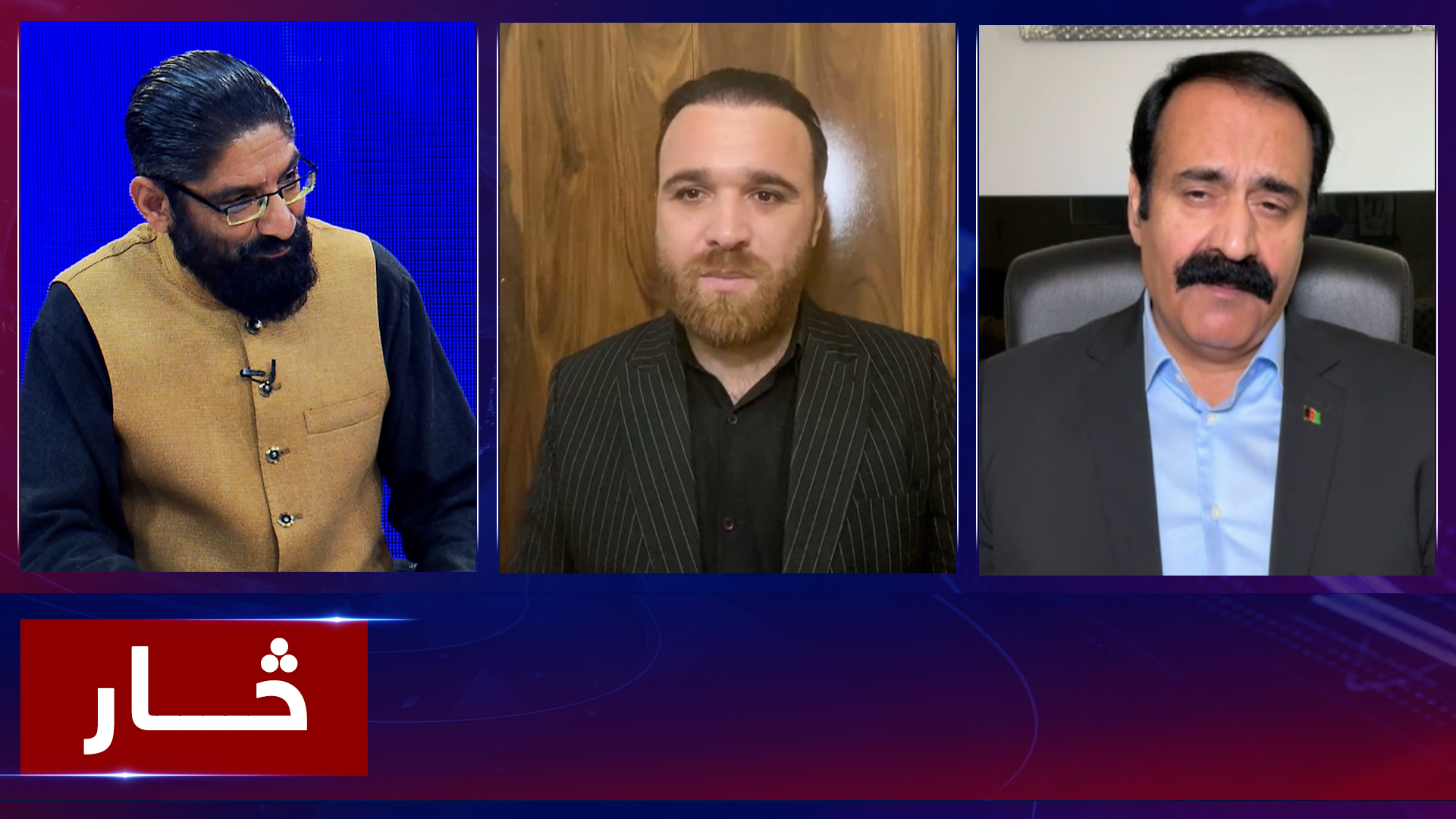
Saar: Discussion on US’s humiliating defeat in Afghanistan
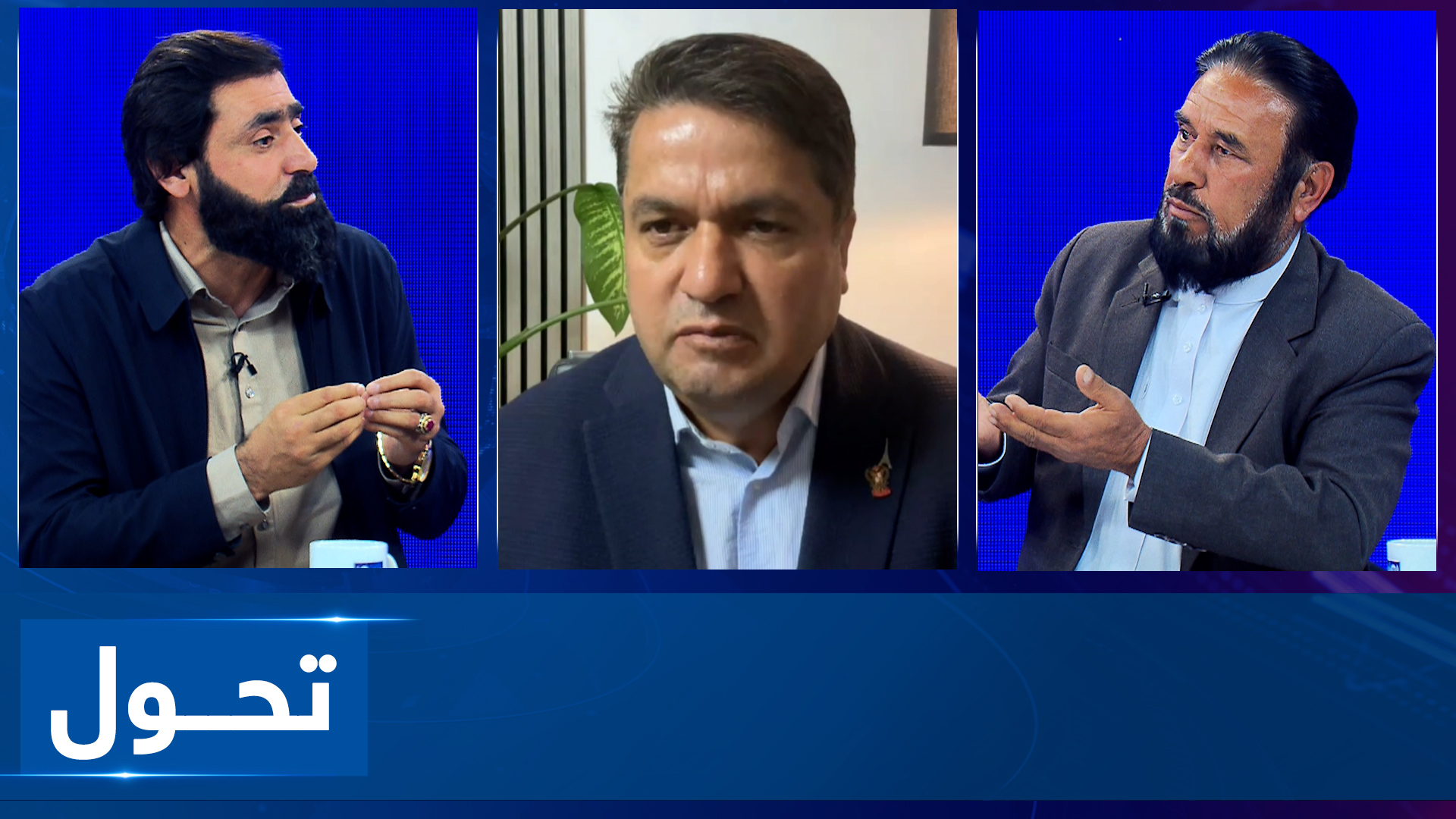
Tahawol: High-level Russian delegation’s visit to Kabul discussed
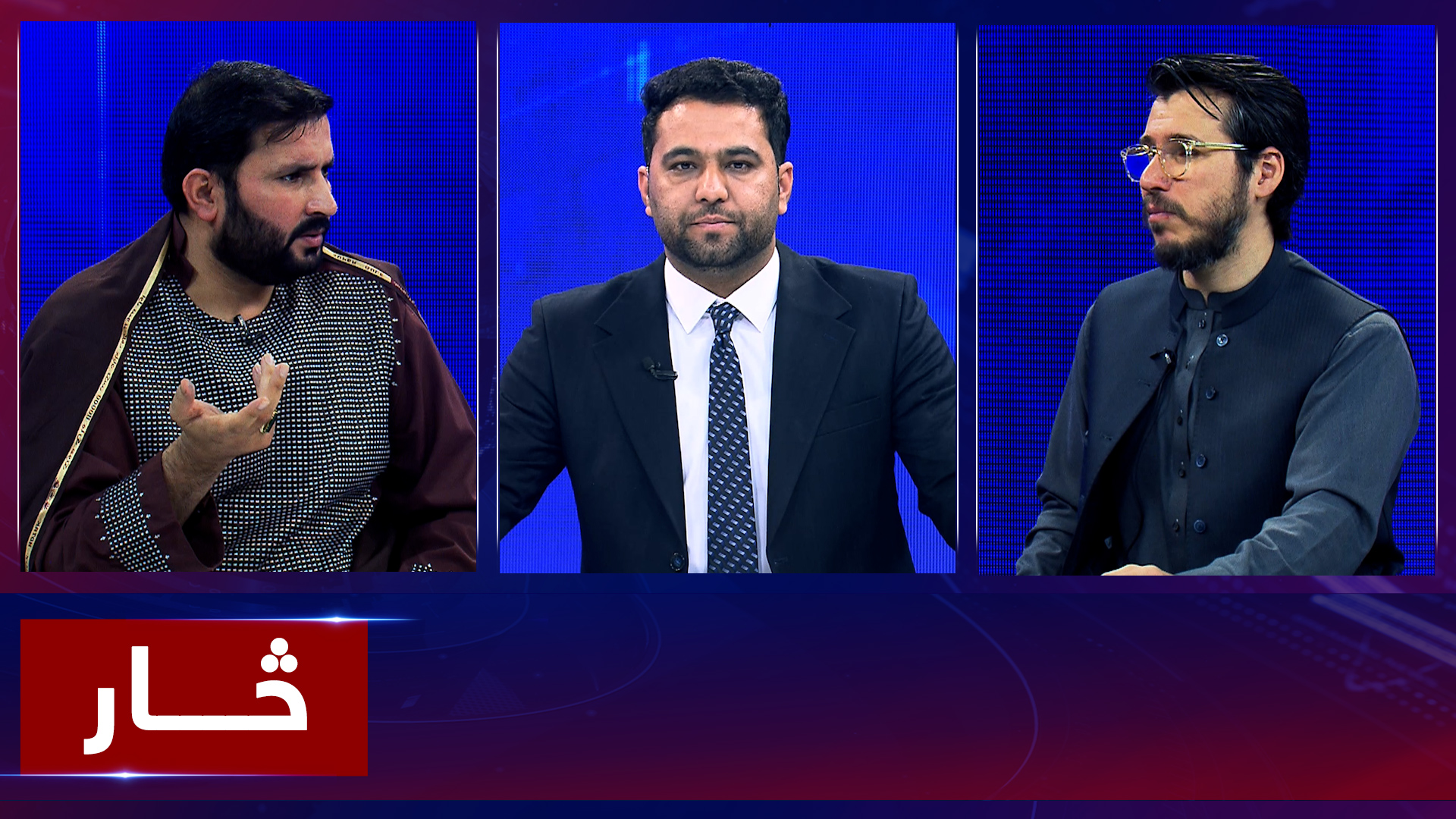
Saar: Afghanistan’s situation in focus at CSTO discussed
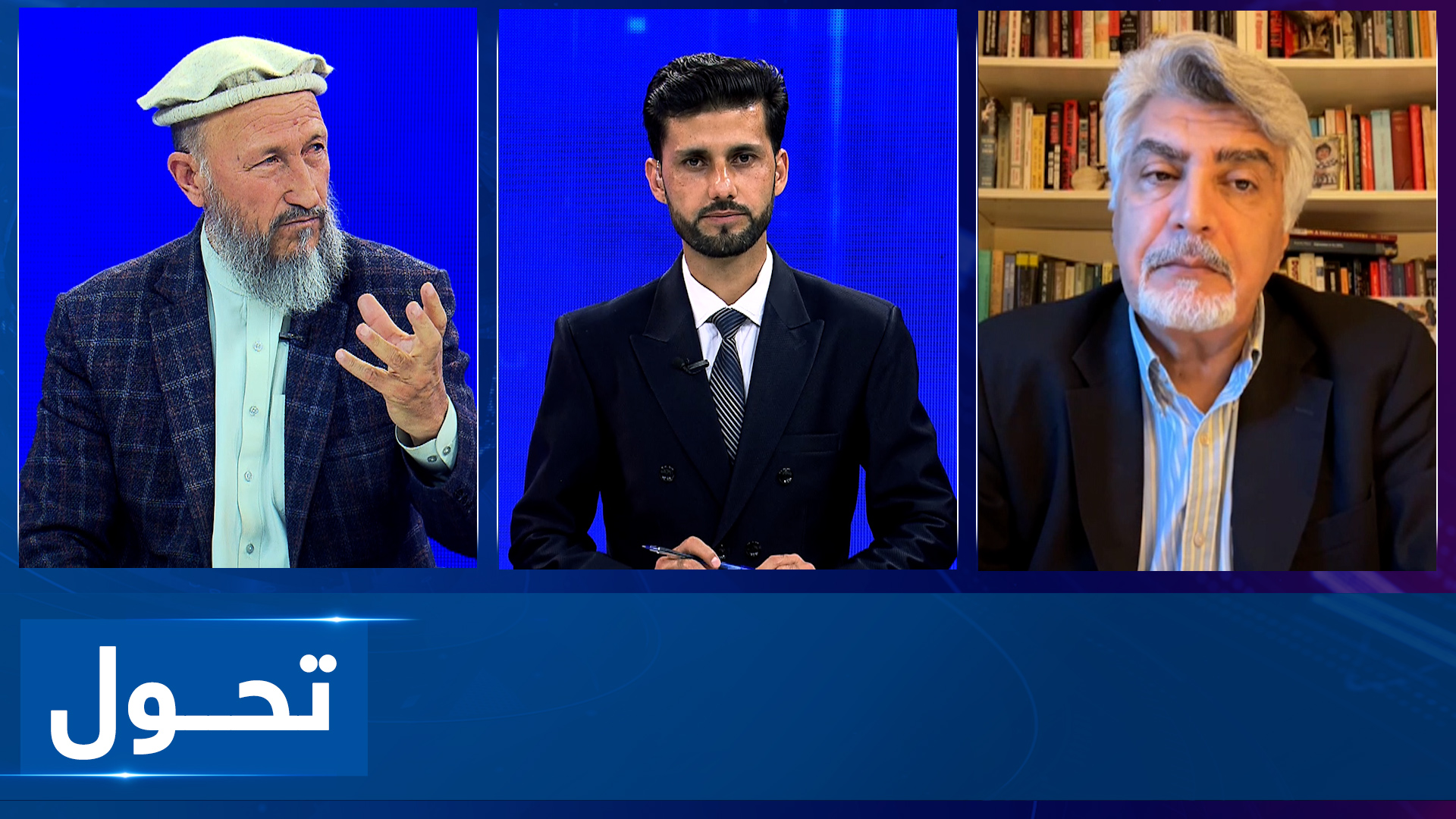
Tahawol: Efforts to halt deportation of Afghan refugees from US discussed
-
 Sport4 days ago
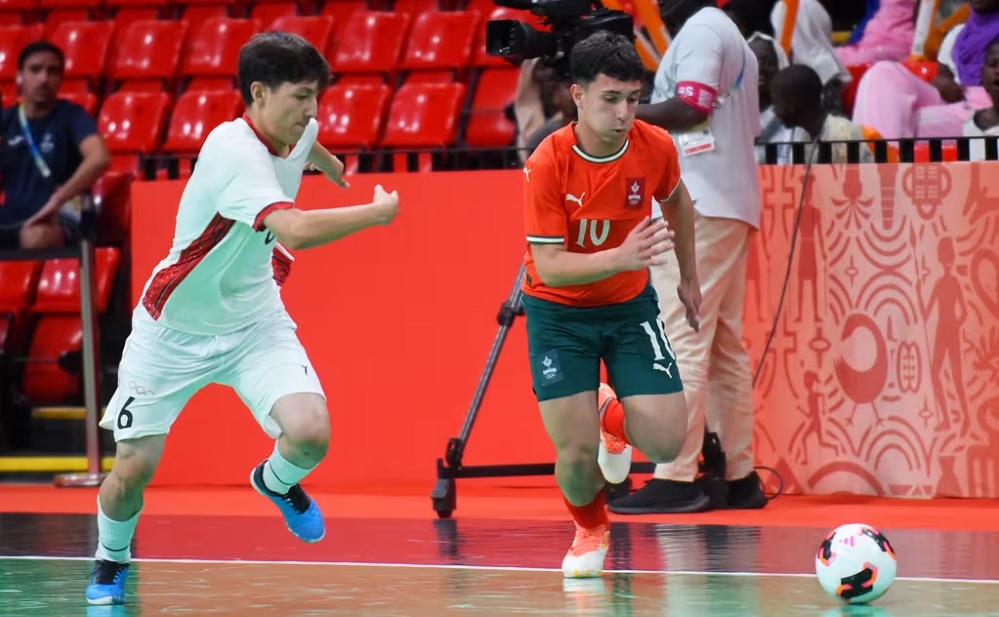
Portugal beat Afghanistan 2-0 in Dakar Youth Olympics futsal semi-finals
-
 Sport5 days ago
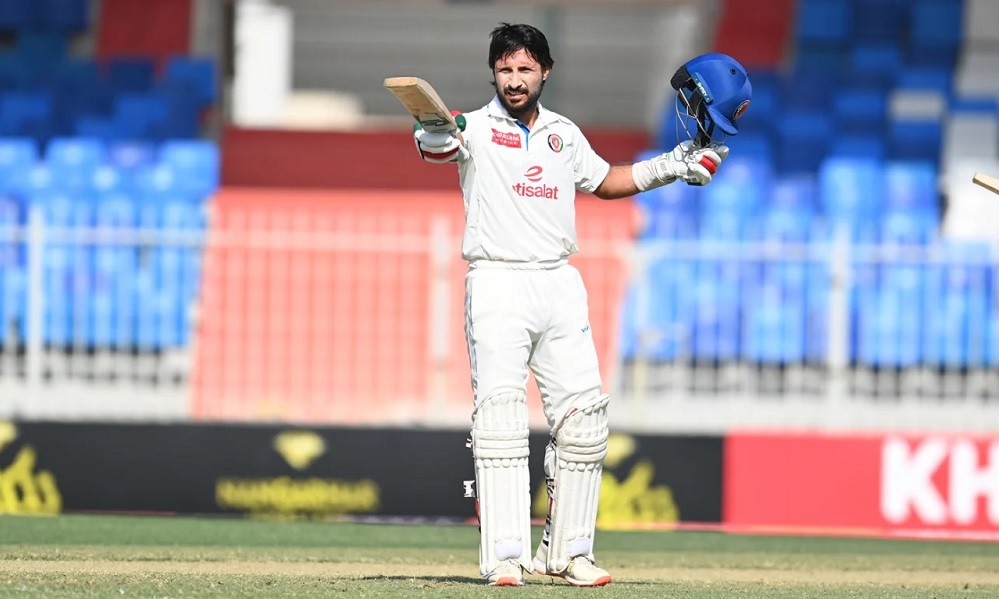
Afghanistan’s record partnership highlights fourth day of Test against Zimbabwe
-
 Sport5 days ago
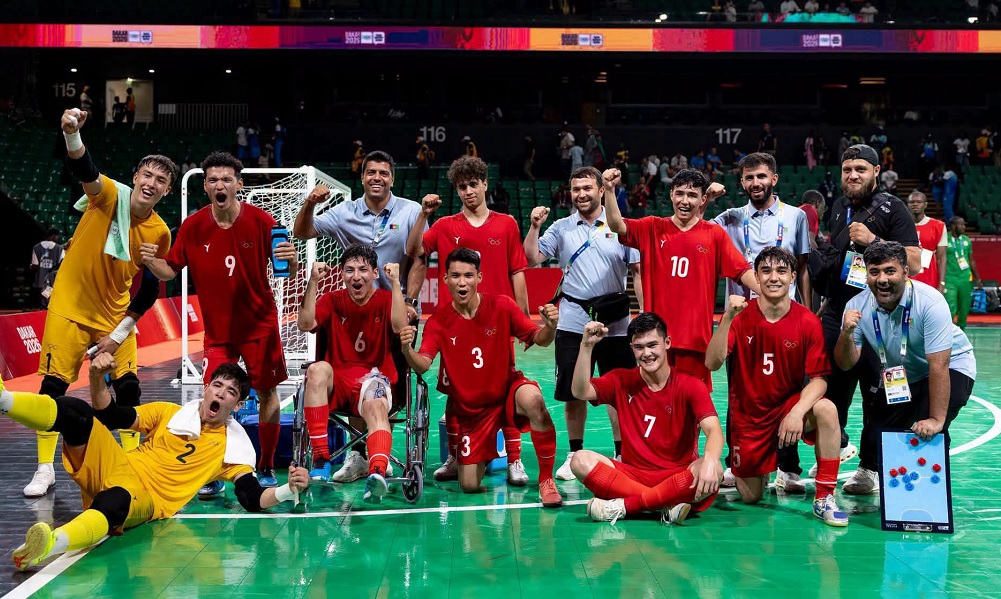
Afghanistan thrash Senegal 6-0 to reach Dakar Youth Olympics futsal semi-finals
-
World4 days ago
First Muslim US senator-elect El-Sayed calls for review of aid to Pakistan
-
 Regional4 days ago
Iran defends two-day proposal for peace talks after US rejects conditions
-
 Climate Change5 days ago
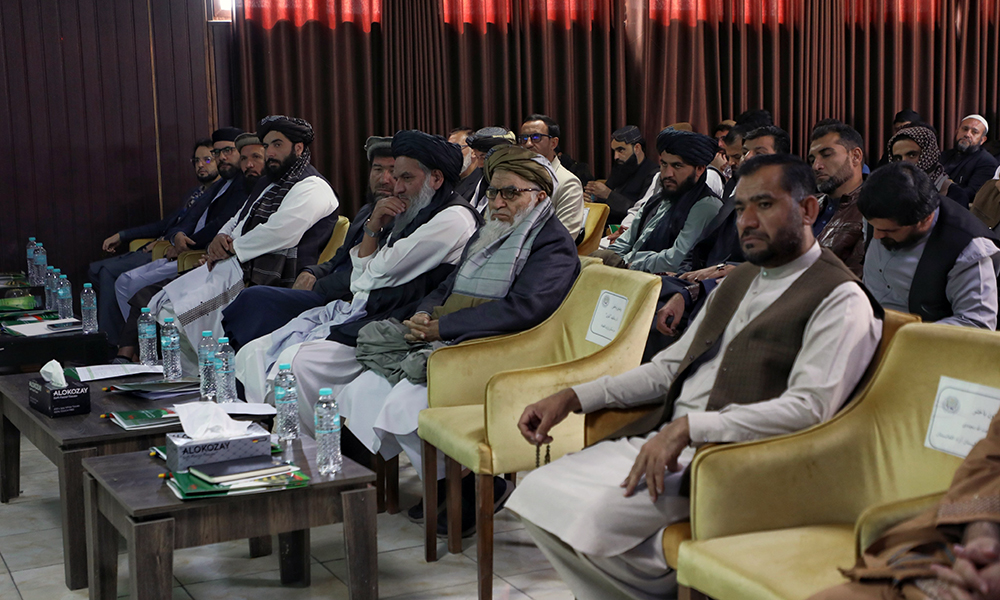
Afghanistan among world’s five most climate-vulnerable countries
-
 Business4 days ago
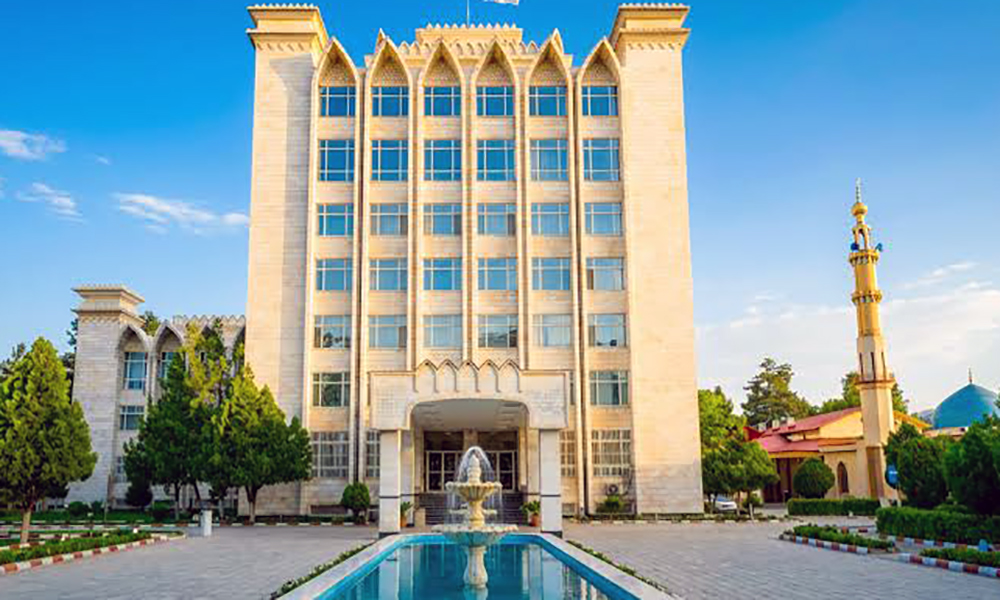
Afghanistan approves new foreign investment policy in bid to attract international investors
-
 Latest News5 days ago
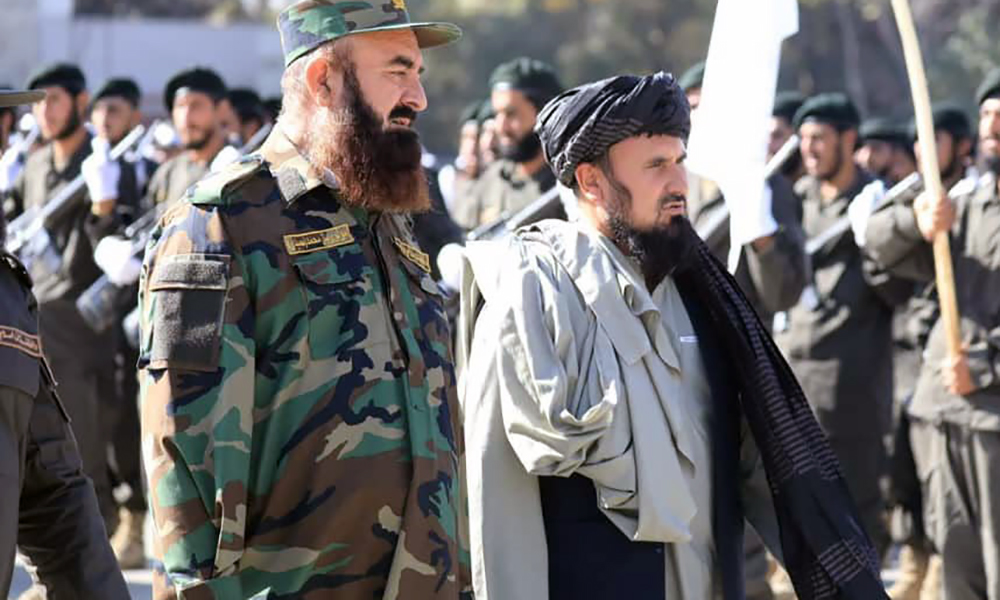
Afghanistan needs strong, modern and independent army, says defence chief