
Latest News
Israeli attacks in Gaza kill 35 Palestinians but pauses allow third day of polio vaccinations
Later on Tuesday, an Israeli airstrike killed nine Palestinians inside a house near Omar Al-Mokhtar Street in the middle of Gaza City, medics said.

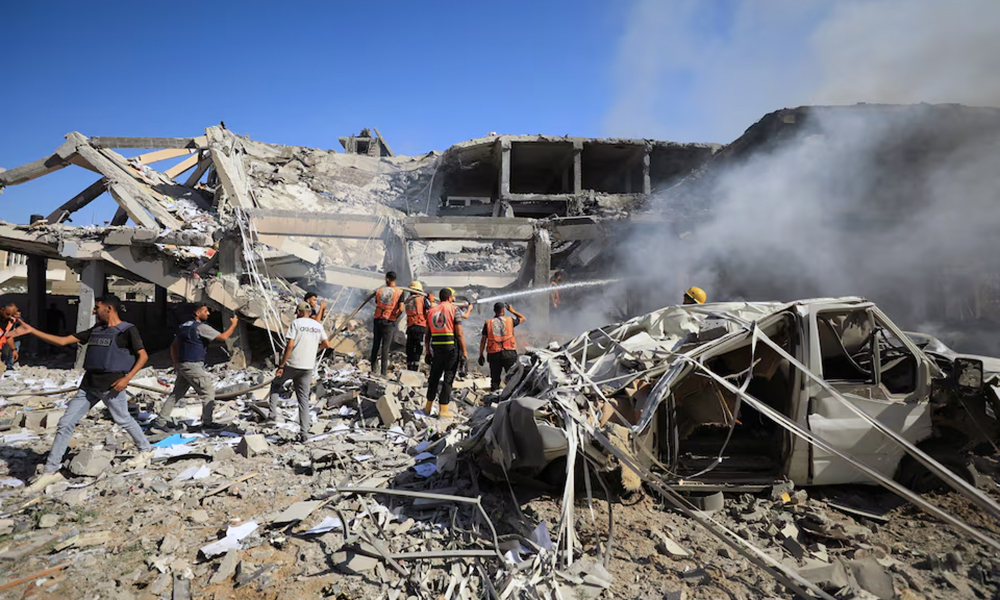
Israeli forces killed at least 35 Palestinians across Gaza on Tuesday as they battled Hamas-led militants, Palestinian officials said, but brief pauses in fighting allowed medics to conduct a third day of polio vaccinations for children, Reuters reported.
Among those killed were four women in the southern city of Rafah and eight people near a hospital in Gaza City in the north, the Palestinian Civil Emergency Service said.
Later on Tuesday, an Israeli airstrike killed nine Palestinians inside a house near Omar Al-Mokhtar Street in the middle of Gaza City, medics said.
Another strike hit near a college in Sheikh Radwan, a northern suburb of the city. The Israeli military said the strike targeted Hamas militants operating from a command center embedded inside the former Nama College.
Others were killed in separate air strikes across the territory, medics said.
The Israeli military said it killed eight Palestinian gunmen, including a senior Hamas commander who took part in the Oct. 7 attacks in Israel, at a command centre near the Al-Ahli Arab Hospital in Gaza City.
A statement said Ahmed Fozi Nazer Muhammad Wadia had taken command of a “massacre of civilians carried out by Hamas terrorists” in Israel’s Netiv HaAsara community near the Gaza border. There was no response from Hamas.
The armed wings of Hamas and Islamic Jihad said they were battling Israeli forces in the Zeitoun suburb of Gaza City, and also in Rafah and Khan Younis in the south, read the report.
Nevertheless, the World Health Organization (WHO) said that it was ahead of its targets for polio vaccinations in Gaza on Tuesday, day three of a mass campaign, and had inoculated about a quarter of children under 10.
The campaign, which was hastened by the discovery of the first polio case in a Gazan baby last month, relies on daily eight-hour pauses in fighting between Israel and Hamas militants in specific areas of the besieged enclave.
Diplomatic efforts to secure a permanent ceasefire and release foreign and Israeli hostages held in Gaza and return many Palestinians jailed by Israel have stalled, however.
Israeli Prime Minister Benjamin Netanyahu said on Monday that Israeli troops would remain in the Philadelphi corridor on the southern edge of Gaza, one of the main sticking points in reaching a deal to end the fighting and return hostages.
Hamas, which wants an agreement to end the war and see Israeli forces out of all of the Gaza Strip, says such a condition, among some others, would prevent a deal. Netanyahu says war can only end when Hamas is eradicated.
The United Nations, in collaboration with the local health authorities, embarked on the third day of a complex campaign to vaccinate around 640,000 children in Gaza against polio, Reuters reported.
United Nations Secretary-General Antonio Guterres described pauses in fighting to allow the vaccinations as a “rare ray of hope and humanity in the cascade of horror,” his spokesperson said on Tuesday.
“If the parties can act to protect children from a deadly virus…surely they can and must act to protect children and all innocents from the horrors of war,” U.N. spokesperson Stephane Dujarric said.
Rik Peeperkorn, WHO representative for the Occupied Palestinian Territories, told reporters in Geneva that it had vaccinated more than 161,000 children under the age of 10 in the central area in the first two days of its campaign, compared with a projection of around 150,000.
“Up until now things are going well,” he said. “These humanitarian pauses, up until now they work. We still have 10 days to go.” He said that some children in southern Gaza were thought to be outside the agreed zone for the pauses and that negotiations continued in order to reach them.
Palestinians say a key reason for the return of polio is the collapse of the health system and the destruction of most Gaza hospitals. Israel accuses Hamas of using hospitals for military purposes, which the Islamist group denies, read the report.
The war in Gaza was triggered by Hamas’ Oct. 7 rampage in southern Israel, when its fighters killed 1,200 people and captured more than 250 hostages, according to Israeli tallies.
Since then, more than 40,800 Palestinians have been killed in Gaza, according to the enclave’s health ministry.


Latest News
UN official warns Afghanistan’s humanitarian crisis could threaten regional stability and security
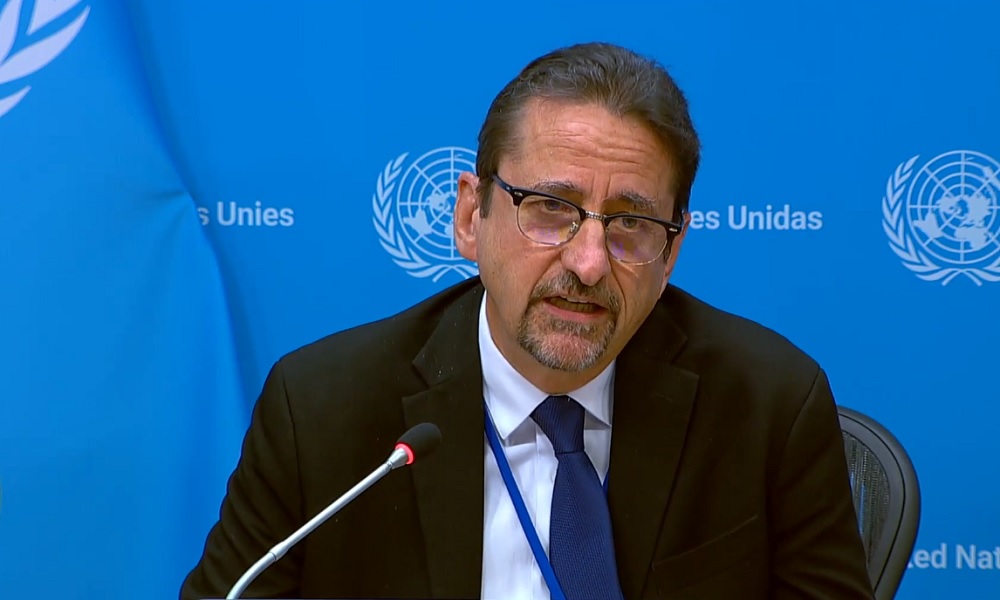
A senior United Nations official has warned that Afghanistan’s deepening humanitarian crisis could have consequences beyond the country’s borders, potentially affecting regional security, stability and migration routes.
Bruno Lemarquis, the UN Deputy Special Representative of the Secretary-General for Afghanistan and Resident and Humanitarian Coordinator, said on Friday that the country was at a “difficult crossroad” more than five years after the Islamic Emirate returned to power.
He said relative stability and security were being undermined by a fragile economy, restrictions on fundamental rights and growing humanitarian needs.
Lemarquis described restrictions on women and girls as “severe and sweeping,” saying they continue to face barriers to education, employment and participation in public life.
He noted that more than 2.6 million girls have been deprived of secondary education since 2021, while female university enrollment currently stands at zero.
The UN official also highlighted the impact of the mass return of Afghan migrants, saying approximately 6.7 million Afghans have returned to the country since 2020, many of them forcibly expelled from neighbouring countries, particularly Pakistan and Iran.
He said the large-scale returns were placing additional pressure on Afghanistan’s already overstretched public services, stressing that returnees urgently need legal documentation, protection and employment opportunities.
Lemarquis also raised concerns over a reported increase in opium poppy cultivation, citing a UN report that found production had risen by 330 percent in 2025 following a sharp decline after the 2022 ban imposed by the Islamic Emirate.
He said efforts to prevent poppy cultivation must be accompanied by viable alternative livelihoods for farmers.
Meanwhile, humanitarian needs in Afghanistan are expected to rise further in 2027 amid mass returns, regional instability and extreme weather risks associated with El Niño.
However, international humanitarian funding has continued to decline. According to Lemarquis, assistance reached $2 billion in 2023, fell to $1 billion in 2025 and has amounted to only $570 million so far in 2026.
He warned that funding shortages were threatening essential services, with around 40 percent of primary healthcare facilities expected to close between 2025 and 2026, potentially affecting 700 of the country’s 1,900 health posts.
Describing the consequences as “very, very, very significant,” Lemarquis urged the international community not to turn its back on Afghanistan.
“And there is a saying in Afghanistan that is ‘What is happening in Afghanistan is not staying in Afghanistan,’” he said.
“The consequences could go beyond the Afghanistan border, potentially affecting regional security, regional stability and migration pathways.”
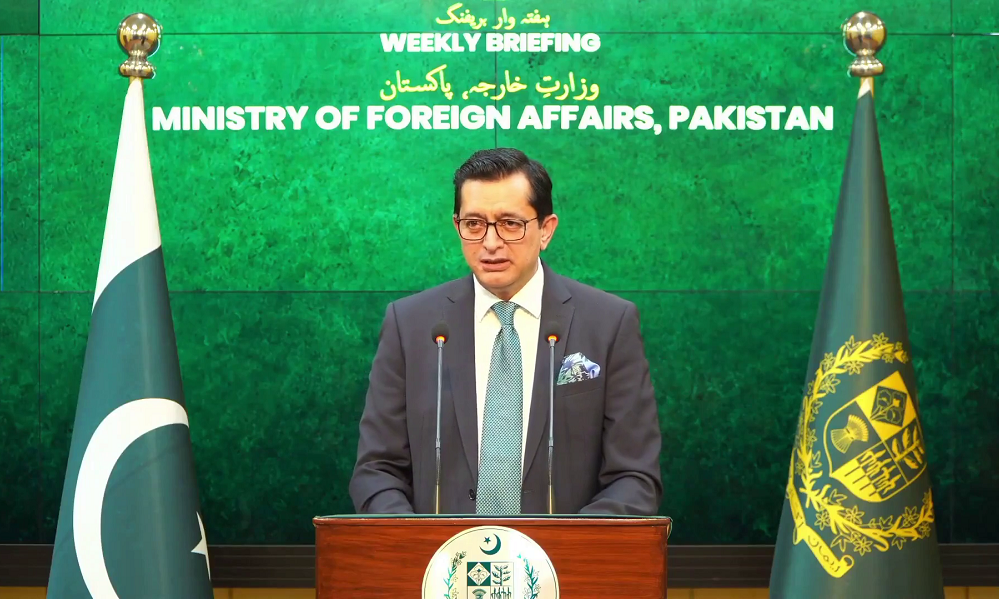
Pakistan’s Foreign Ministry says it is reviewing reports that the Trump administration plans to deport Afghans through Pakistan, adding that it is consulting relevant stakeholders to find a mutually acceptable way forward.
Foreign Ministry spokesperson Sajjad Haider Khan made the remarks at a press conference on Friday, saying Islamabad remained committed to close coordination with its allies and partners.
“We will continue to act in accordance with our international obligations and established protocols,” Khan said.
He added that the matter was under consideration and that all relevant aspects were being carefully examined in consultation with concerned stakeholders.

Pakistan-based Bank Alfalah has completed its exit from Afghanistan after 20 years of operations, transferring its local banking business to Ghaznfar Bank, the lender said in a notice to shareholders on Friday.
The bank said the transaction was completed on November 5 after the signing of final agreements, approval from the State Bank of Pakistan and Da Afghanistan Bank, and fulfilment of other required conditions.
The deal allows Bank Alfalah to sell and transfer its operations in Afghanistan to Ghaznfar Bank, following approval from the regulatory authorities in both countries.
“Bank Alfalah has accordingly ceased its banking operations in Afghanistan and will complete the closure of its Afghanistan branches in accordance with applicable regulatory requirements,” the notice said.
Bank Alfalah began operating in Kabul in 2005, offering both conventional and Islamic banking services.


Tahawol: Afghanistan’s participation in Shanghai Plus security meeting discussed
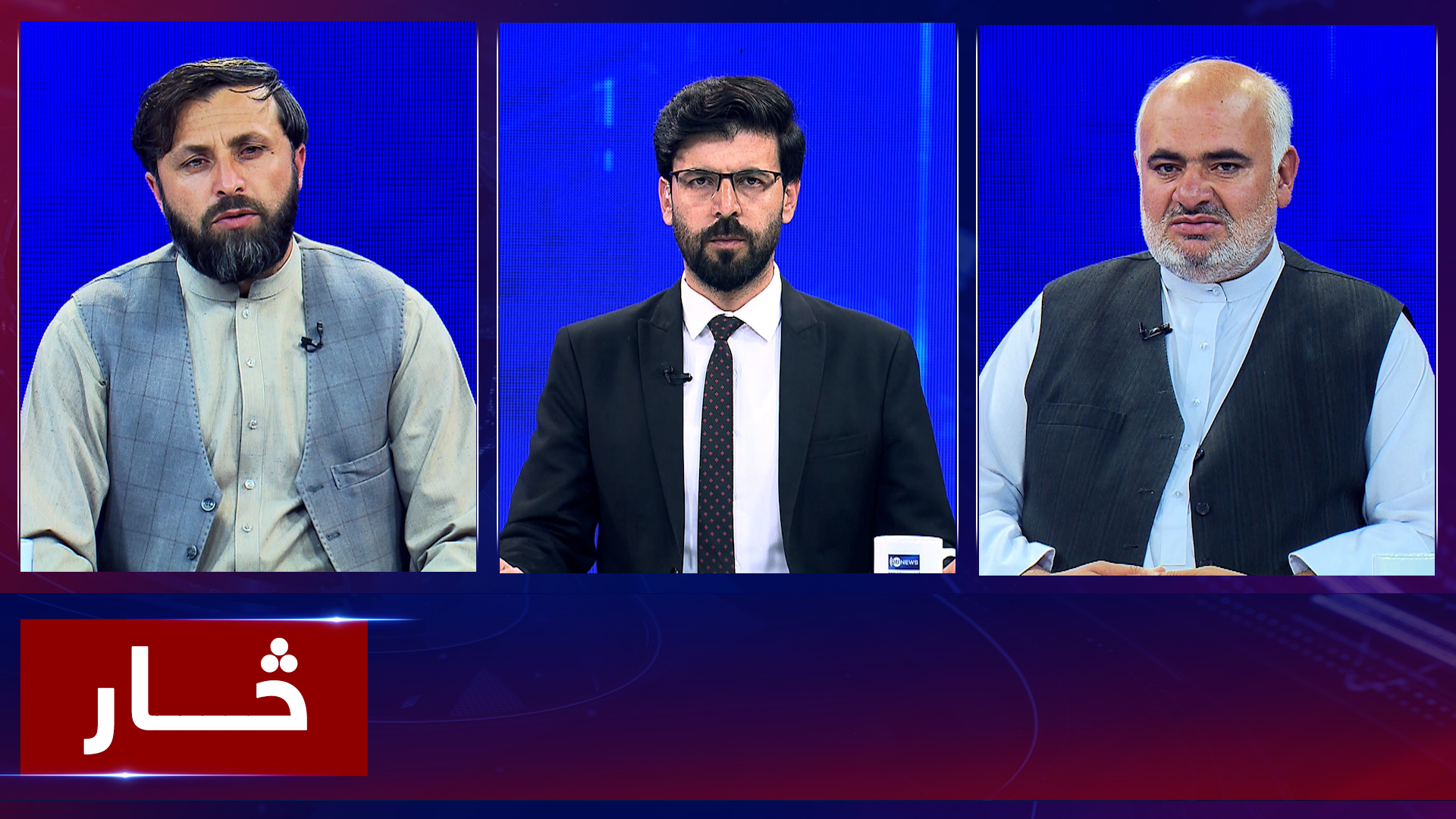
Saar: Afghanistan’s declining humanitarian aid funding discussed

Toofan Herat defeat Arman FC 2–0 in Afghanistan Champions League

Afghanistan trail Zimbabwe by 102 runs at stumps on day three of first Test

Astronomers discover white dwarf surrounded by two rings of planetary debris

Afghanistan finish runners-up after 6-0 defeat to Brazil in futsal final

Trump says US will not attack Iran before midterm elections in November

Trump says US may strike Iran’s ‘Pickaxe Mountain’ nuclear facility

Afghan futsal coach: Brazil tournament is first step towards new goals and World Cup

WHO calls for greater mental health support in Afghanistan
Tahawol: Afghanistan’s participation in Shanghai Plus security meeting discussed
Saar: Afghanistan’s declining humanitarian aid funding discussed

Tahawol: Calls for stronger joint action against terrorism discussed
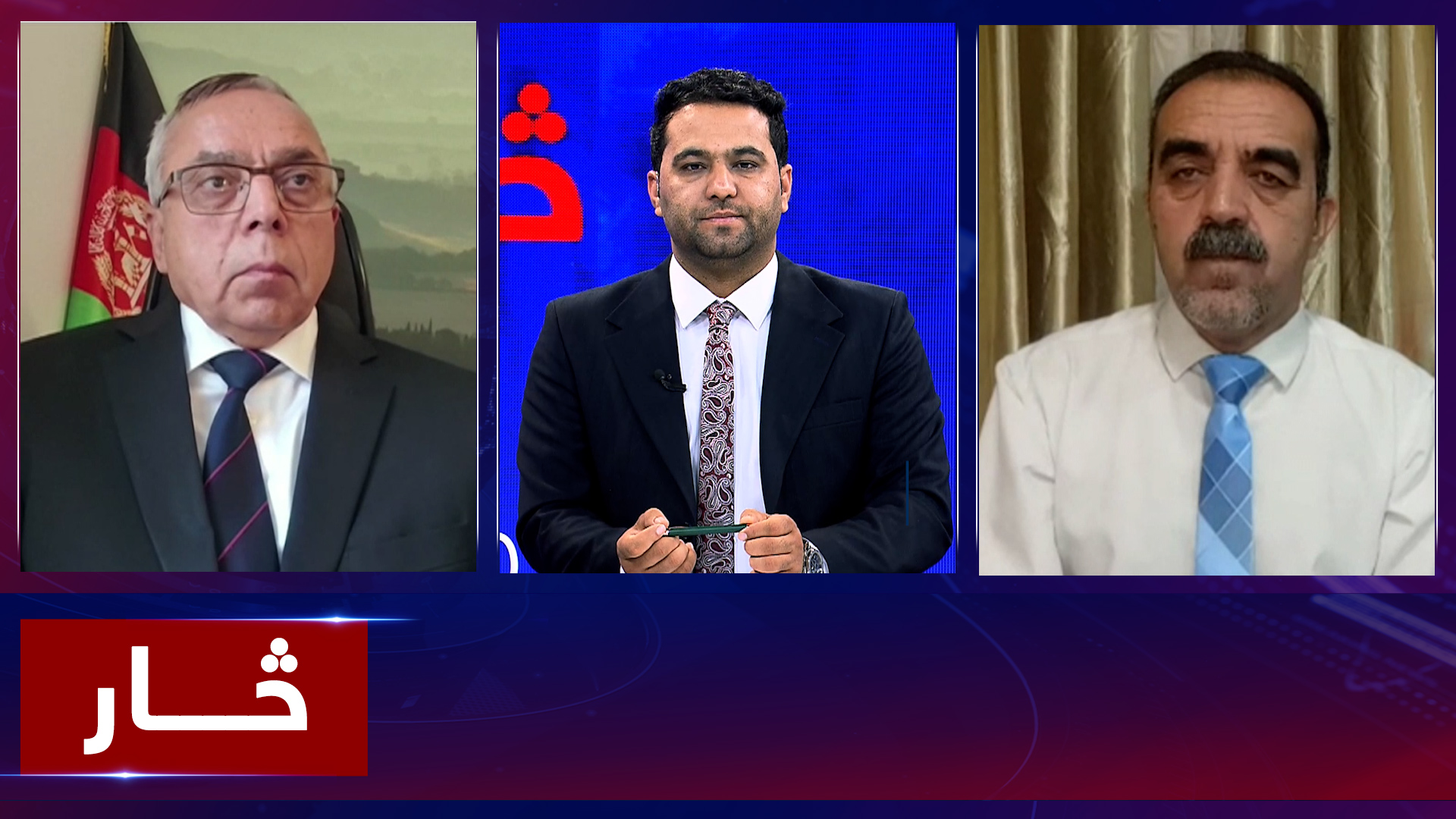
Saar: Impact of closing trade routes between Kabul-Pakistan discussed

El-Sayed’s historic victory opens a new chapter for Muslim Americans
-
 World5 days ago
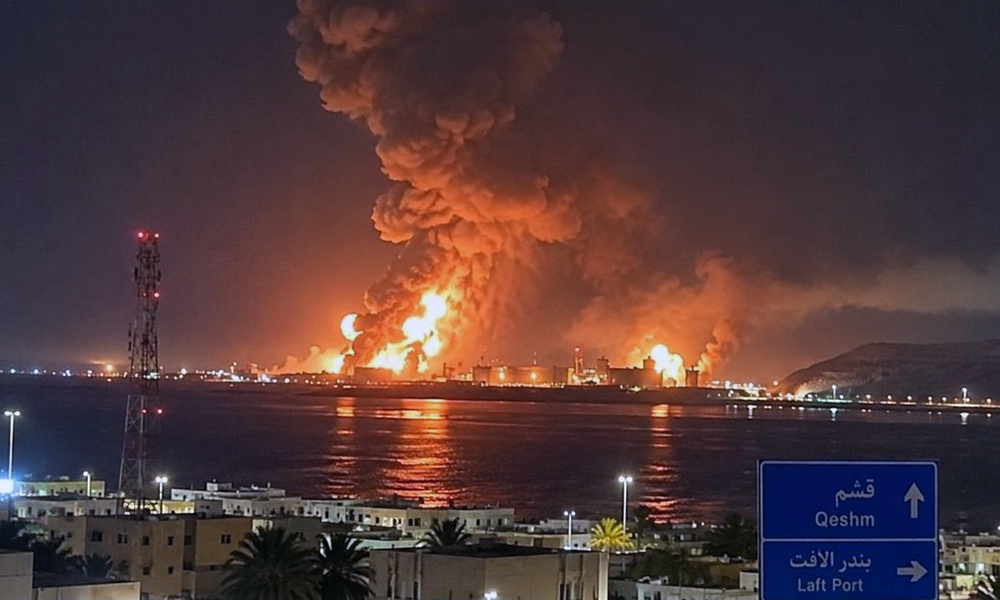
US carries out ‘defensive’ strikes on Iran’s Qeshm Island, officials say
-
 Sport2 days ago
Afghanistan suffer narrow defeat against Argentina at Dakar Youth Olympics
-
 Regional5 days ago
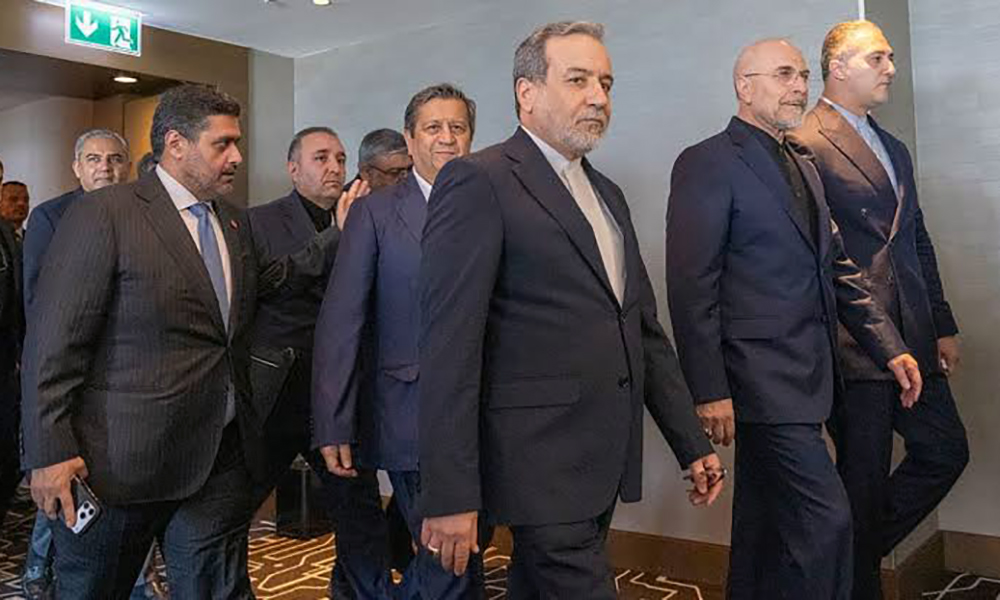
Iran says contacts over ending war continue after talks finish with no breakthrough
-
 Latest News4 days ago
Iran plans new four-nation meeting on Afghanistan amid regional diplomatic efforts
-
 Latest News3 days ago
US judge temporarily blocks deportation of detained Afghans
-

 Latest News4 days ago
US lawmakers urge Trump administration to halt Afghan deportations
-
 Climate Change3 days ago
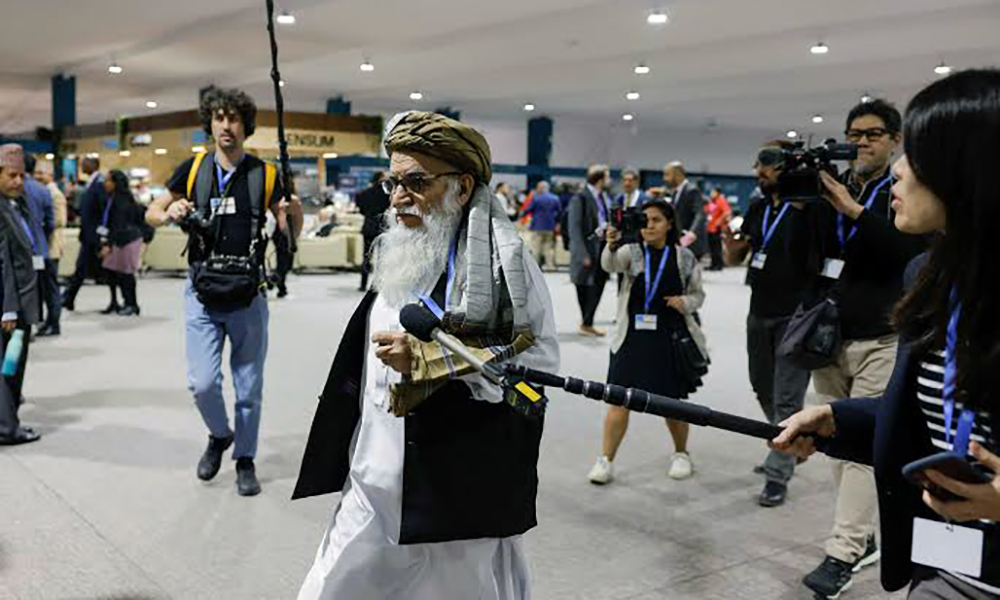
IEA to attend UN climate summit for second time since returning to power
-
 Sport4 days ago
Arman FC secure 3-1 victory over Sarsabz Yashlar in ACL