
Latest News
Norwegian Refugee Council NGO to suspend aid work in over 20 countries due to Trump policy
U.S. Secretary of State Marco Rubio said on Wednesday that the administration would reach out to USAID to identify and designate programs that would be exempted from the stop-work orders.

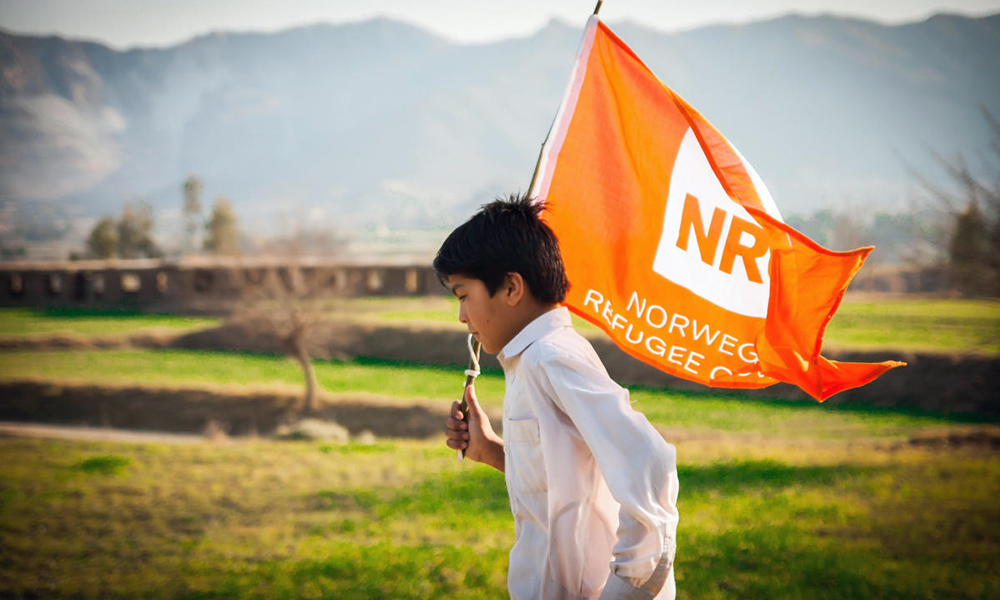
The Norwegian Refugee Council (NRC) said on Monday it would suspend humanitarian work in nearly 20 countries worldwide after U.S. President Donald Trump imposed a freeze on U.S. foreign aid worldwide when he took office on January 20, Reuters reported.
The non-governmental organisation received just under 20% of its funding from the United States in 2024, or around $150 million, it said, with that funding helping some 1.6 million people worldwide.
“We have, in our 79-year history, never experienced such an abrupt discontinuation of aid funding from any of our many donor nations, inter-governmental organisations, or private donor agencies,” the NRC said in a statement.
The agency said the consequences of suspending aid would become increasingly serious for people facing crises around the world.
Already in Ukraine, NRC said, it had to halt the scheduled February distribution of emergency support to 57,000 people in communities along the front lines and had to lay off staff worldwide.
The Trump administration said last Monday it would put on leave all directly hired employees of the U.S. Agency for International Development (USAID) globally and recall thousands of personnel working overseas, read the report.
U.S. Secretary of State Marco Rubio said on Wednesday that the administration would reach out to USAID to identify and designate programs that would be exempted from the stop-work orders.
However, the NRC said it was unable to take advantage of the temporary waiver unless the U.S. government resumed payments to its partners for work completed before the foreign assistance pause.
“We currently have millions of dollars in outstanding payment requests to the U.S. government. Without an immediate solution we may, at the end of February, be forced to halt U.S.-funded lifesaving humanitarian programmes,” it said.
That included supplying clean water to 300,000 people trapped in the blockaded city of Djibo in Burkina Faso, and cutting funding to nearly 500 bakeries in Darfur, Sudan, which provide food hundreds of thousands of people, the NRC said.

Latest News
Muttaqi: Pakistan’s policy towards Afghanistan has failed
The foreign minister also highlighted what he described as the IEA’s diplomatic achievements over the past five years, saying its relations with other countries had expanded and that IEA is in control of more than 40 diplomatic missions, including embassies and consulates, in different parts of the world.
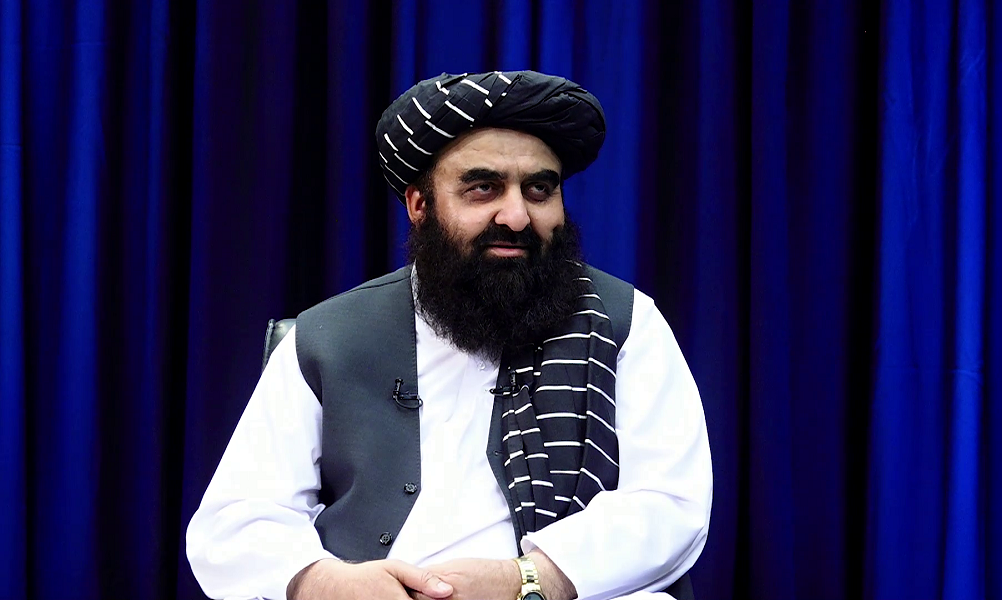
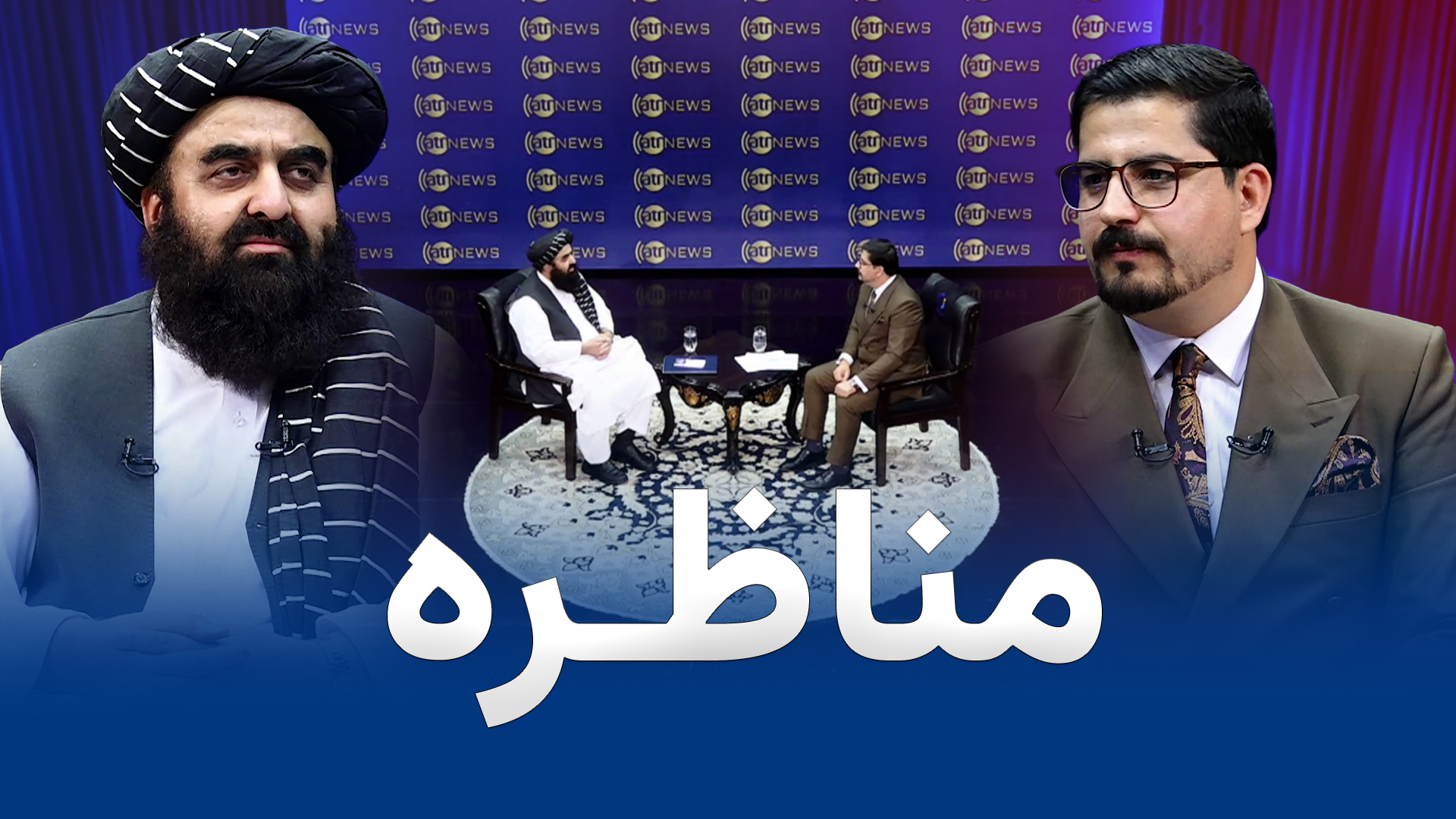
Amir Khan Muttaqi, the Foreign Minister of the Islamic Emirate of Afghanistan (IEA), has described Pakistan’s policy towards Afghanistan as unreasonable and unsuccessful, saying the IEA seeks negotiations and an end to tensions, but Pakistan is obstructing the process.
Speaking in a special debate on Ariana News, Muttaqi rejected Pakistan’s allegations that the Tehrik-i-Taliban Pakistan (TTP) operates from Afghan territory and called on Islamabad to reconsider its policies towards Afghanistan.
“I believe Pakistan’s policy towards Afghanistan has been unsuccessful. It has been a failed approach. Afghanistan’s history has shown that no one has ever been able to impose their will on the country by force. Afghans have never bowed to pressure. They have sacrificed their lives, but they have never surrendered. The policies pursued by previous invaders failed, and such policies should not be repeated,” Muttaqi said.
The foreign minister also highlighted what he described as the IEA’s diplomatic achievements over the past five years, saying its relations with other countries had expanded and that IEA has more than 40 diplomatic missions, including embassies and consulates, in different parts of the world.
Addressing relations with the United States, Muttaqi said that Washington’s actions after the IEA takeover of Afghanistan had not created serious problems for the IEA.
“The 20-year war was a very bitter experience. Looking at world history, governments that come to power through revolutions and prolonged struggles naturally face obstacles. However, the US has not taken any actions that have caused us serious problems. We have also expressed a positive position and want to establish positive relations,” he said.
Muttaqi also said that the military equipment left behind by US forces now belong to Afghanistan , saying it was being used for the country’s defence.
On women’s rights, the foreign minister said women’s education was not a crime, but that the absence of women from the cabinet was part of the government’s policy.
“This is a matter of government policy and how governments choose to organise themselves. This does not mean that women’s voices are not heard or that healthcare and other facilities are not provided to them,” he said.
Muttaqi further maintained that the IEA’s doors remained open to everyone, that its general amnesty was still in effect, and that the entire country was under its control.
Commenting on armed opposition groups, he claimed that their activities were limited to social media and that no such group had a physical presence on Afghan territory.
He also dismissed concerns raised by some regional countries, including Tajikistan, about the presence of Daesh in Afghanistan, saying that combating the group required serious and joint efforts by countries across the region.
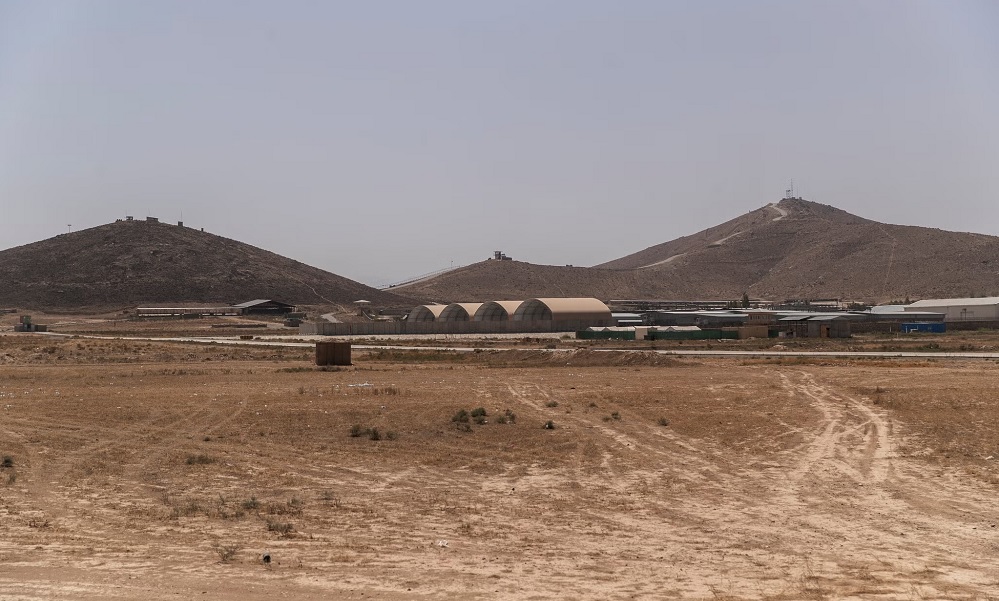
The US Central Intelligence Agency (CIA) may have waterboarded a relative of former Jihadi leader Gulbuddin Hekmatyar at a secret detention facility in Afghanistan, The New York Times reported, citing newly declassified FBI interview records.
According to the newspaper, a former CIA contract translator told an FBI agent in 2012 that he had witnessed a detainee identified as “Bahir” being waterboarded at a secret prison north of Kabul, known as the Salt Pit or Detention Site Cobalt.
The translator reportedly described the man as a relative of Hekmatyar. He told investigators that the detainee was strapped to a board tilted downward into water, with approximately three to four people carrying out the procedure. The witness said he saw the incident in passing and did not participate.
The newly disclosed account suggests that the CIA may have used waterboarding on more detainees than the three terrorism suspects it has officially acknowledged subjecting to the technique following the September 11, 2001 attacks.
The CIA has acknowledged waterboarding three detainees: Abu Zubaydah, Khalid Shaikh Mohammed and Abd al-Rahim al-Nashiri. All three are currently held at the US military prison at Guantanamo Bay.
However, the three men were waterboarded at CIA detention facilities in Thailand and Poland, not at the Afghan facility.
The newspaper reported that the Senate Intelligence Committee’s 2014 investigation had also raised questions about possible unreported use of waterboarding at the Afghan detention site.
The committee’s report documented the detention and abuse of a Libyan man who later told Human Rights Watch that he had been waterboarded in Afghanistan. It also disclosed that investigators had obtained a photograph showing a waterboard surrounded by buckets of liquid at the facility. The CIA was reportedly unable to explain the photograph when questioned in 2013.
The Senate report also identified a detainee named Ghairat Bahir, whom CIA records indicated had been held for approximately two years beginning in 2002 and subjected to what the agency called “enhanced interrogation techniques.” However, it remains unclear whether he was the man described by the former translator.
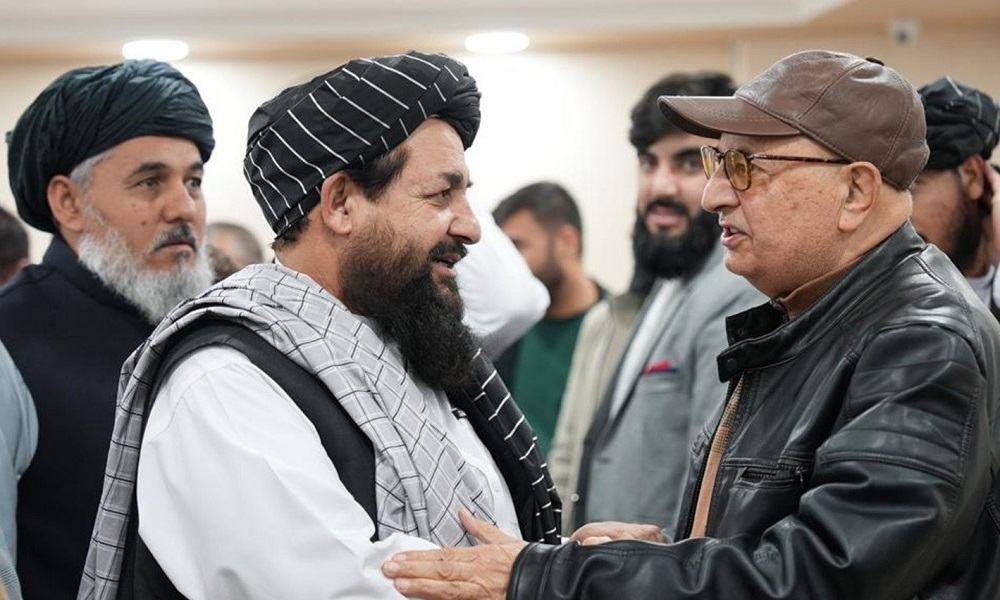
Shahabuddin Saqib, Deputy Minister of Industry and Commerce of the Islamic Emirate, on Friday met with a number of Afghan traders and investors residing in Turkey, as well as traders participating in the Istanbul Halal Expo 2026, during his visit to Istanbul.
The Ministry of Industry and Commerce said in a statement that during the meeting, the deputy minister outlined trade and investment opportunities, the Islamic Emirate’s supportive policies and facilities, and the government’s achievements in the fields of industry, trade, transit and investment.
According to the ministry, Saqib encouraged Afghan traders and investors to return to the country, invest in Afghanistan, and introduce and promote Afghan-made products in foreign markets.
Meanwhile, Afghanistan’s Consul General in Istanbul assured the participants of security, economic-oriented policies and support for the private sector.
Afghan traders and investors expressed appreciation for the support and facilities provided, and voiced their interest in exploring opportunities, expanding trade and investing in Afghanistan.

Muttaqi: Pakistan’s policy towards Afghanistan has failed
CIA waterboarded relative of Hekmatyar in Afghanistan
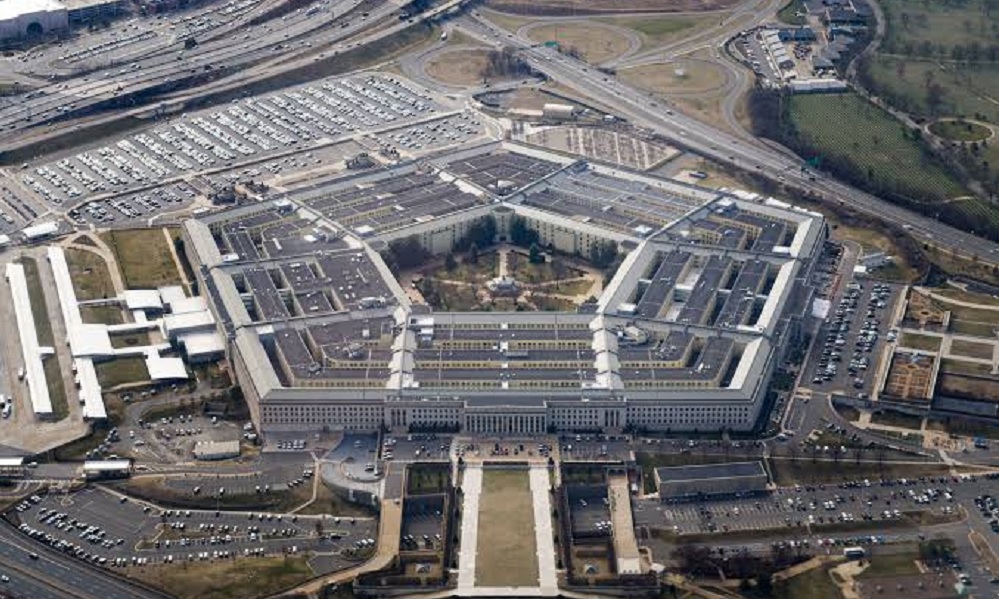
Hackers breach US Air Force flagship Cloud One computing platform
Debate with Amir Khan Muttaqi, Foreign Minister of the Islamic Emirate of Afghanistan
Tawsia: Current economic activities in Afghanistan discussed

US sanctions and blockade measures disrupt Iran’s trade with Afghanistan and regional neighbors

Afghanistan to launch nationwide polio vaccination campaign

Afghanistan futsal team thrash Panama 5-0 in flying start to Dakar Youth Olympics
Iran defends two-day proposal for peace talks after US rejects conditions

Suhail unveiled as official mascot for FIBA Basketball World Cup 2027 in Qatar
Debate with Amir Khan Muttaqi, Foreign Minister of the Islamic Emirate of Afghanistan
Tawsia: Current economic activities in Afghanistan discussed
Five killed in Turkish military helicopter crash in western Turkiye
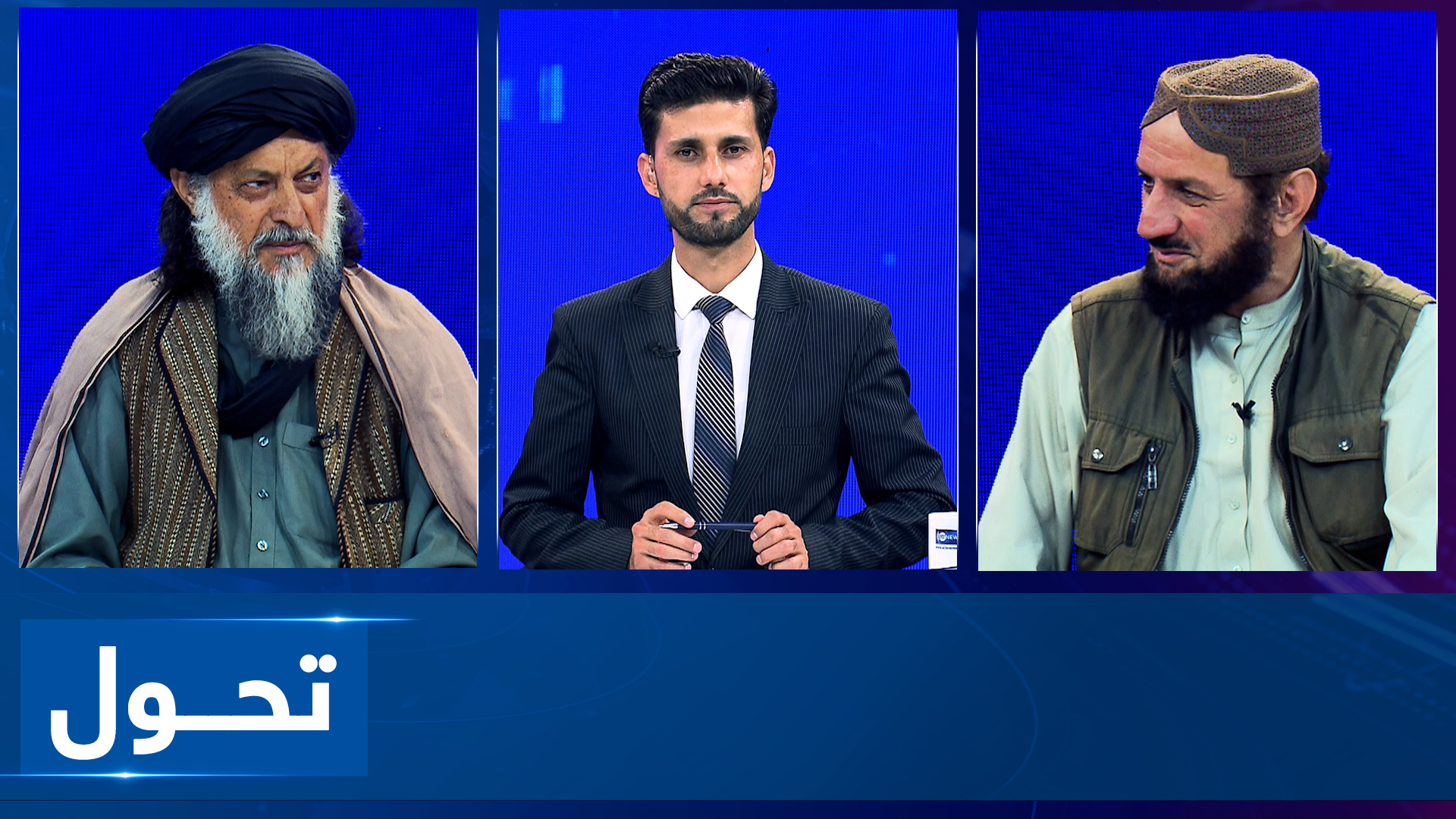
Tahawol: Discussion on shifting views within Pakistan
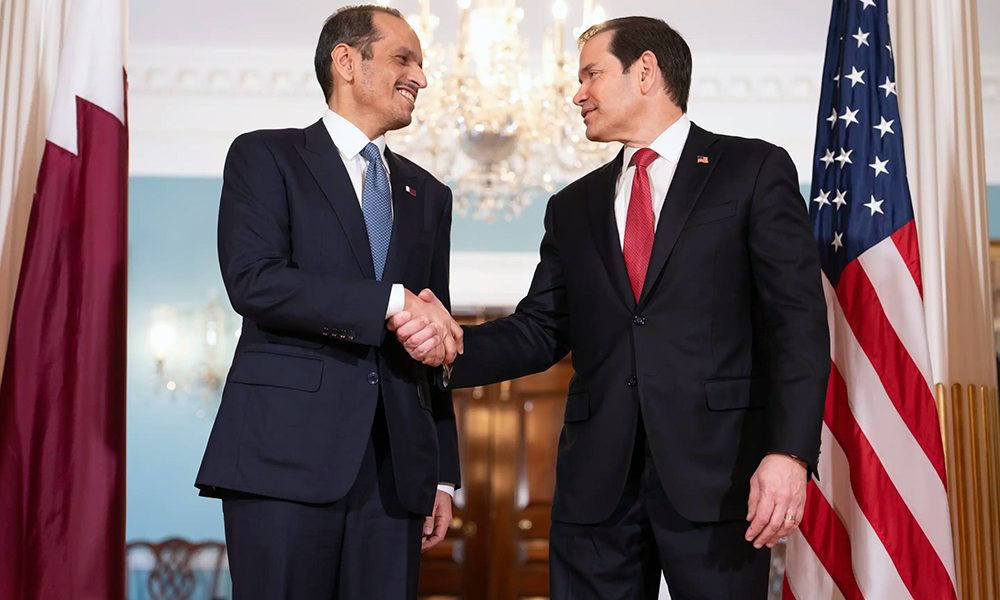
Qatar warns Middle East cannot afford renewed US-Iran escalation
-
 Latest News5 days ago
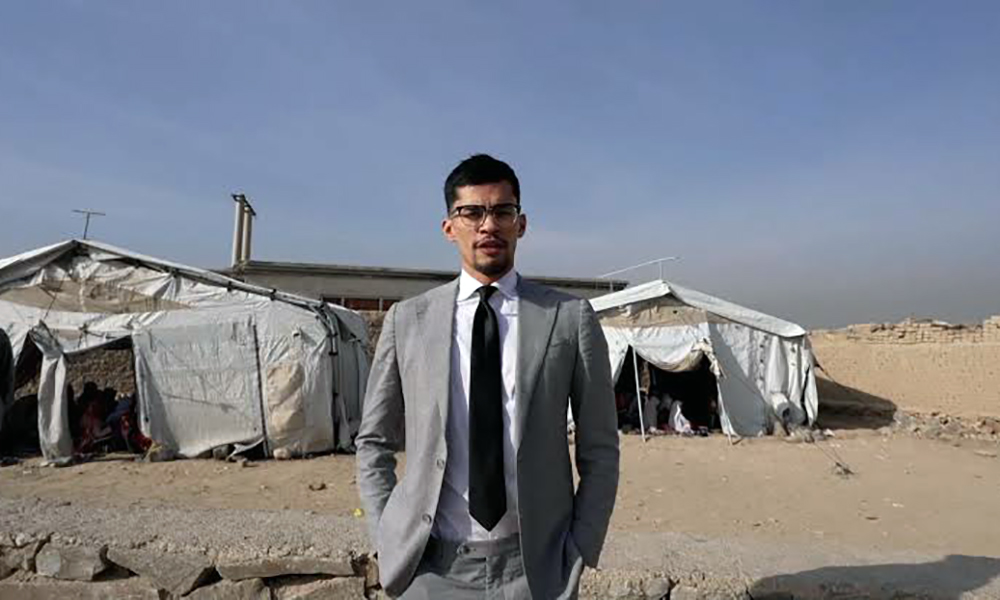
SNEAKO claims US authorities questioned him for eight hours after Afghanistan visit
-
 Latest News5 days ago
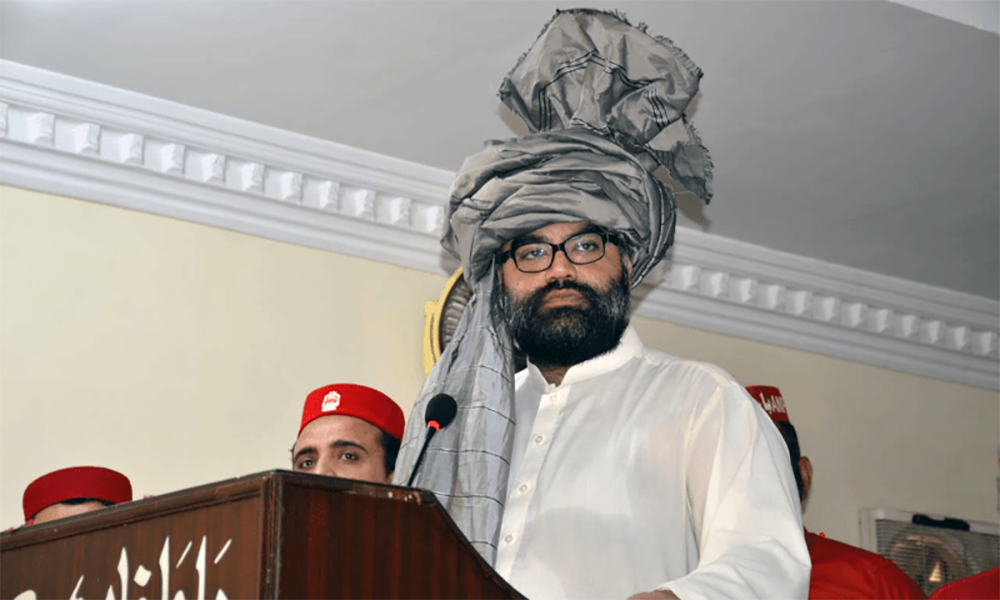
ANP leader calls for reopening of Afghanistan-Pakistan trade routes
-
 Latest News5 days ago
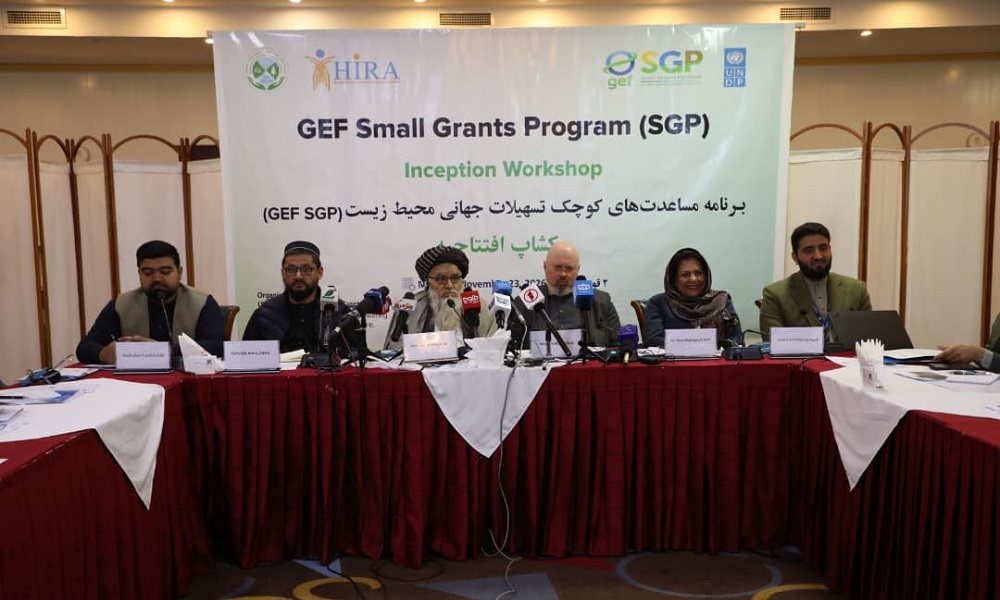
Global environmental grants programme resumes in Afghanistan
-
 Sport5 days ago
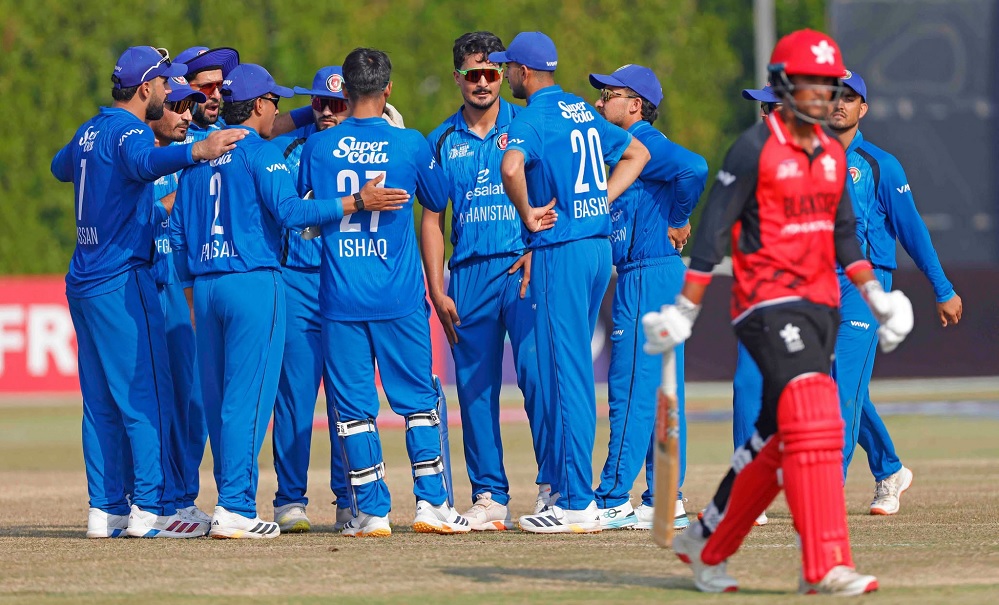
Afghanistan A thrash Hong Kong to register first win at Asia Cup Rising Stars
-
 World4 days ago
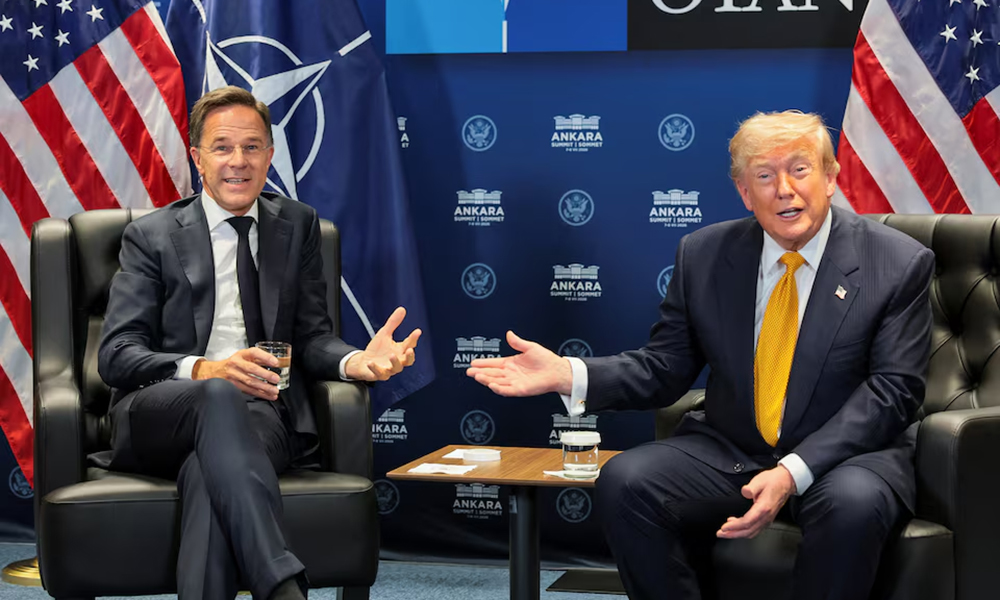
Trump to meet NATO Chief Mark Rutte in Florida amid tensions over Ukraine peace talks
-
Regional4 days ago
Qatar warns Middle East cannot afford renewed US-Iran escalation
-
 World5 days ago
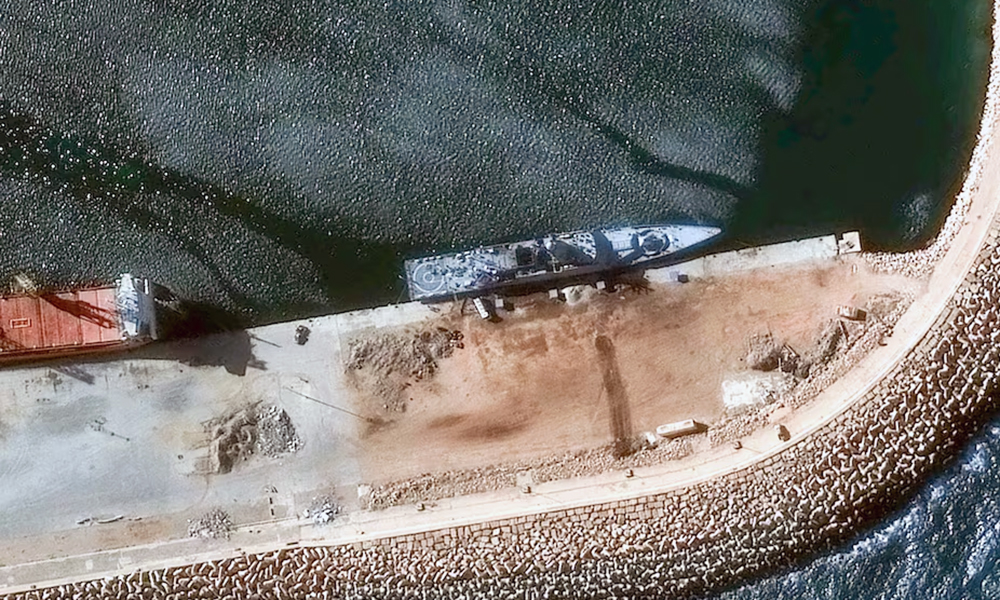
Ukraine sinks Russian warship in Libya as conflict spreads beyond Europe
-
 Sport5 days ago
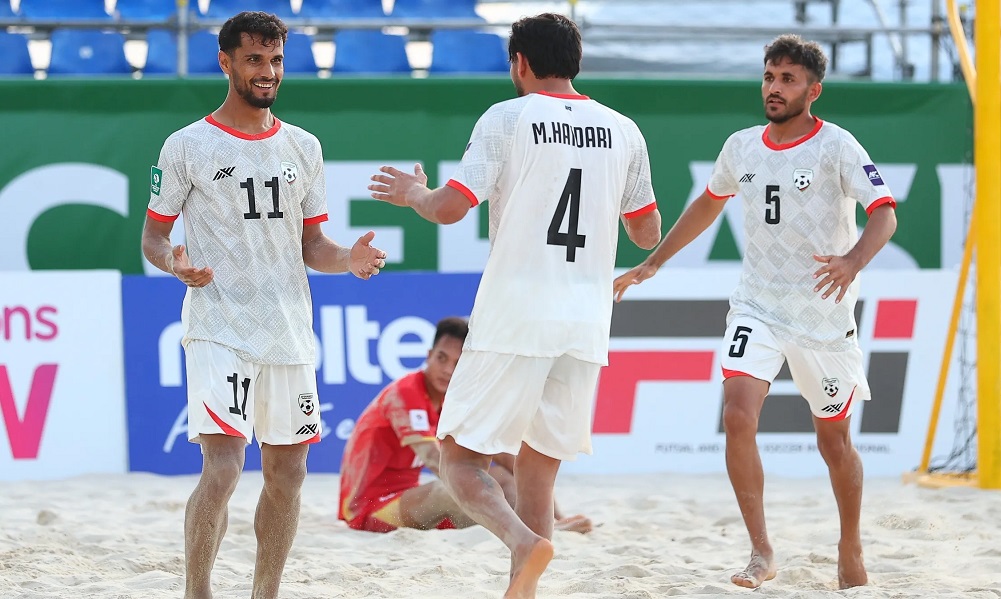
Afghanistan beat Vietnam 5-2 at Beach Soccer Asian Cup