
Latest News
Over 5 million Afghan refugees return home amid regional deportation pressures
Humanitarian agencies warn that the current surge in returns could push Afghanistan into another humanitarian crisis if immediate assistance is not provided.


Afghanistan’s Ministry of Refugees and Repatriation has announced that more than five million Afghan migrants have returned home since August 2021 when the Islamic Emirate regained power.
The return includes both voluntary and forced repatriations, primarily from neighboring countries such as Iran and Pakistan.
According to the ministry’s spokesman, over 268,000 individuals have returned from Iran and Pakistan in the past two months alone.
The ministry’s figures show that in under four years, over 291,000 families — equating to approximately 2.239 million individuals — have returned, in addition to 2.358 million individuals who returned without their families.
However, international aid organizations have expressed grave concerns about the growing humanitarian needs of the returnees.
The United Nations High Commissioner for Refugees (UNHCR) has reported that half a million Afghans have been forcibly returned to the country over the last two months.
The UN has urged host countries to ensure that the return process is safe, voluntary, and orderly.
Humanitarian agencies warn that the current surge in returns could push Afghanistan into another humanitarian crisis if immediate assistance is not provided.
The majority of returnees face uncertain futures, lacking access to shelter, livelihoods, and basic services.
The situation is further complicated by the forced deportations being carried out by Pakistan, and Iran’s recent ultimatum for undocumented Afghans to leave the country by mid-July (15th of Saratan on the Afghan solar calendar).
The Iranian Ministry of Interior has stated that the number of undocumented Afghan migrants in Iran now exceeds four million, following the cancellation of temporary permits.
Meanwhile, Pakistan has intensified its crackdown on illegal foreign residents, especially Afghan nationals.
According to Dawn News, the decision was made during the third session of the Counter-Terrorism Committee and the Harden the State Committee, chaired by Interior Minister Mohsin Naqvi on Saturday.
The Pakistani government has previously warned that Afghan refugees awaiting relocation to Western countries would be deported if not moved by April 30.
As deportations continue to accelerate across the region, the Afghan government and international agencies face mounting pressure to respond to the growing needs of returnees and to prevent further instability within Afghanistan.




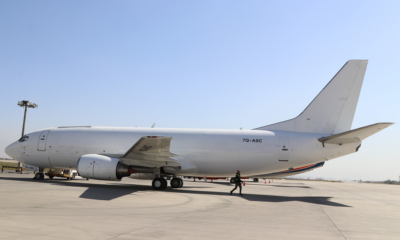


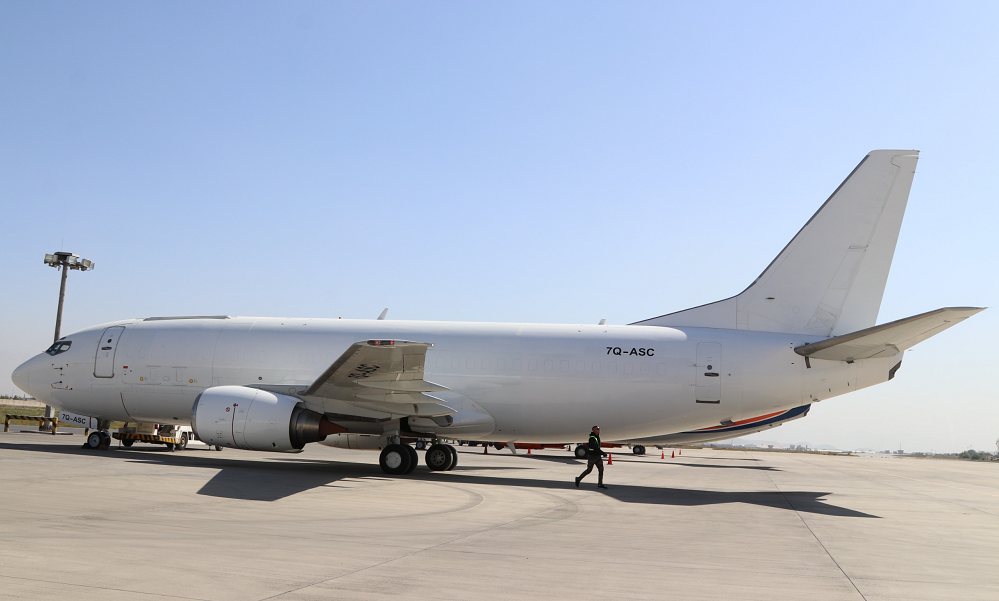
A Boeing 737-300 cargo aircraft operated by Ariana Afghan Airlines arrived at Kabul International Airport on Monday.
According to the airline, the aircraft will be used to transport commercial goods on international routes and has a capacity of around 17 metric tons of cargo per flight.
Ariana said it has signed a one-year contract with UAE-based Air Charter Express to operate the cargo aircraft.
Bakht-ur-Rahman Sharafat, head of Ariana Afghan Airlines, said the company is working to expand its air cargo network, to boost Afghan exports and to strengthen the country’s air transportation capacity.
He said the new cargo service will give Afghan traders an opportunity to transport their products to international markets more quickly, safely and at competitive rates.
Ariana said it aims to provide reliable and competitive air cargo services while strengthening Afghanistan’s connections with regional and international markets.
Latest News
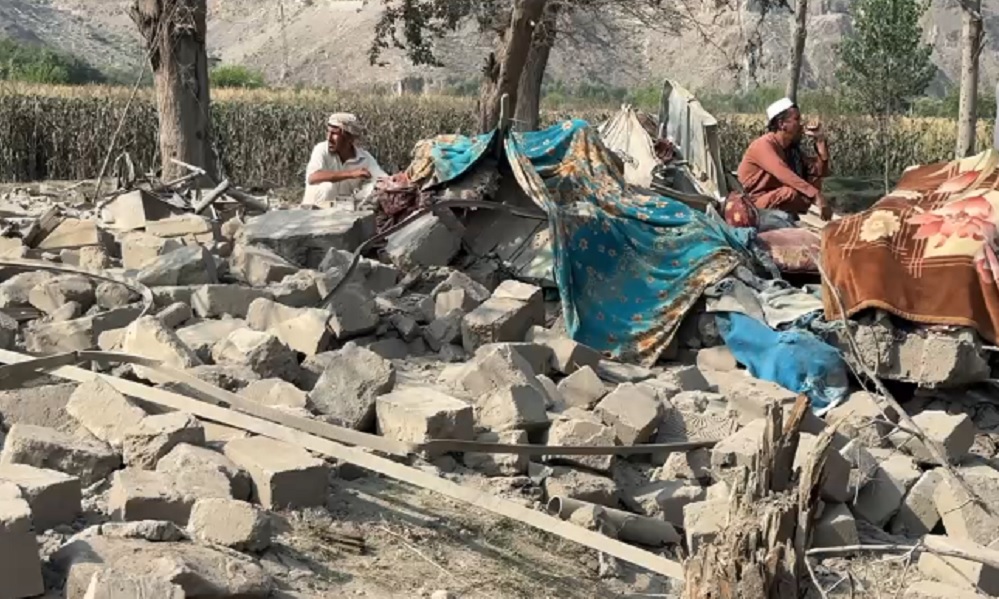
Afghanistan vows ‘appropriate response’ after Pakistani airstrikes in Kunar, Paktika
The Islamic Emirate spokesperson condemned the reported airstrikes, describing them as a continuation of what he called “crimes” against Afghan civilians.



Afghanistan to face Japan and Nepal in Asian Games cricket group stage

Four-day polio vaccination campaign begins across Afghanistan

Humanoid robot sales tally hit 7,000 globally last year

Ariana Afghan Airlines Boeing 737-300 cargo plane arrives in Kabul

Iran and US trade threats after Houthi attacks escalate regional conflict

Four mediators struggle to secure lasting Pakistan-Afghanistan ceasefire

Afghanistan’s trade diversification challenges Pakistan

Saudi energy group signs major Afghanistan deals covering gas exploration and pipeline plans

ATN secures exclusive rights to broadcast T20I series in India across Afghanistan

Afghanistan squad announced for three-match T20I series against India

Tahawol: Impact of middle East war on Afghanistan

Saar: Pakistan blames Afghanistan for deadly attack

Tahawol: Kabul’s warning over any threat from Pakistan discussed

Debate on Afghanistan and New Investment Opportunities

Tahawol: Reasons behind Qatari, Turkish security officials’ Kabul visit discussed
-

 Latest News4 days ago
Five years out of school: Amnesty raises alarm over Afghan girls’ education
-

 Latest News4 days ago
Russia urges dialogue and economic support for Afghanistan, warns against excessive pressure
-

 Sport5 days ago
ACL: Ariana Khost win, Aino Mina and Khurasan Faryab draw
-

 Latest News3 days ago
Afghanistan seeks stronger ties with Saudi Arabia, dialogue with Pakistan: Mujahid
-
 Regional4 days ago
US officials met Iran-backed Houthis in Oman over the weekend
-
 Latest News5 days ago
Sirajuddin Haqqani meets Turkish intelligence chief
-

 Tahawol5 days ago
Tahawol: Afghanistan’s readiness for US relations discussed
-
 Latest News4 days ago
US sentences Afghan man to 20 year in case linked to 2021 Kabul airport bombing