
Latest News
Iran defends deportation of Afghan refugees

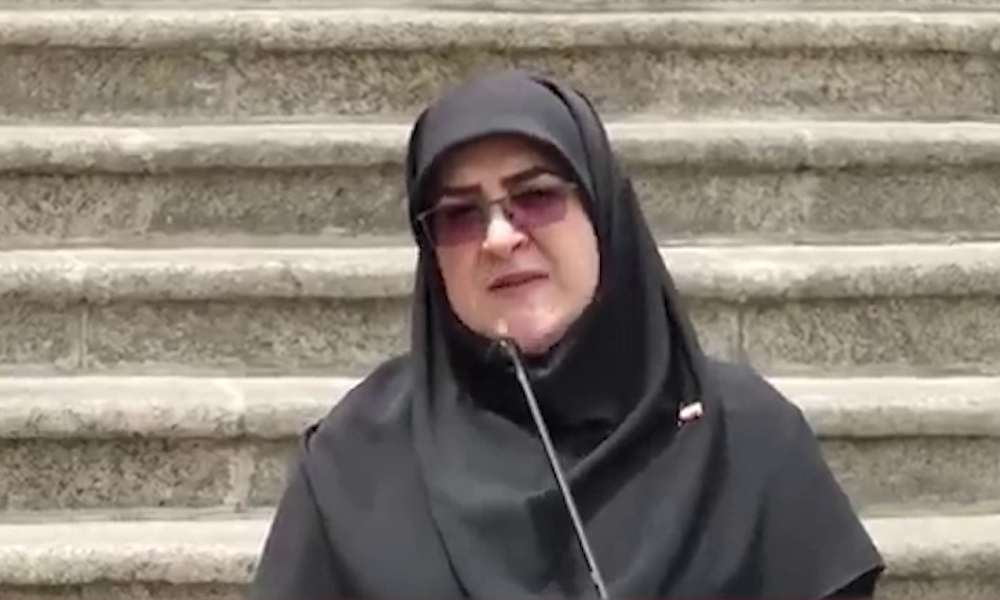
Fatemeh Mohajerani, spokesperson for the Iranian government, said this week that the ongoing mass deportation of Afghan refugees from Iran is being carried out in accordance with the “will of the Iranian people.”
Addressing a news conference in Tehran, she stated that the issue has been extensively discussed at the highest levels of government and that authorities believe the expulsion of Afghan nationals serves Iran’s national interests — particularly its economy.
“The issue of expelling nationals [Afghan migrants] is the will of the Iranian people,” Mohajerani said, reiterating that public pressure has played a central role in shaping Tehran’s current migration policy.
Her comments come amid mounting criticism from humanitarian agencies and Afghan officials over the mistreatment of deportees and the humanitarian toll of the expulsions. So far, Iranian authorities have expelled nearly one million Afghans in recent months, many of whom report harassment and abuse at the hands of Iranian security forces.
“Even a valid passport holds no weight anymore,” said one Afghan returnee, describing deteriorating conditions for migrants inside Iran. “The suffering and hardship they impose is beyond imagination.”
Another deported migrant said: “Things have gotten so bad that they don’t even allow you to bring your own money back home to Afghanistan.”
Iran has hosted millions of Afghan refugees for decades, with their numbers spiking after the fall of the Western-backed government in Kabul in August 2021. However, growing economic challenges, rising unemployment, and tightening sanctions have fueled public resentment toward migrants — particularly Afghans — across Iran.
Iran is not alone in its approach. Pakistan has also launched large-scale deportations of Afghan nationals, with officials citing national security concerns. Analysts say both countries may be using the refugee population as leverage in broader geopolitical negotiations with the Taliban-led Islamic Emirate of Afghanistan.
Some observers warn that mass expulsions — particularly those carried out abruptly and without coordination — could further strain regional ties. Experts suggest that any repatriation process should be phased, humane, and coordinated with Afghan authorities to avoid stoking resentment and long-term diplomatic fallout.





Latest News
Afghan officials join ICESCO meeting, discuss preservation of Islamic manuscripts
Participants underscored the importance of safeguarding these documents, noting that the focus on Mali reflects the manuscripts’ unique cultural and historical value.
Officials from the Ministry of Information and Culture participated in an online scientific meeting organised by the Islamic World Educational, Scientific and Cultural Organization (ICESCO), focused on the preservation of Islamic manuscripts.
Obaidullah Hanif, Director of the National Archive, and Mohammad Shafiq Ahmadzai, Head of Foreign Relations and Cultural Attachés at the ministry, joined the session held by ICESCO’s Centre for Calligraphy and Manuscripts under the theme “Islamic Manuscripts in the World.”
The meeting examined the condition of Islamic manuscripts in Mali and discussed strategies for their preservation and protection as part of global cultural heritage.
ICESCO representatives highlighted that Mali’s extensive collection of hundreds of thousands of historical manuscripts represents one of the most significant repositories of Islamic civilisation and intellectual history in West Africa.
Participants underscored the importance of safeguarding these documents, noting that the focus on Mali reflects the manuscripts’ unique cultural and historical value.
ICESCO is an intergovernmental organization specializing in the fields of education, science and culture.
Latest News
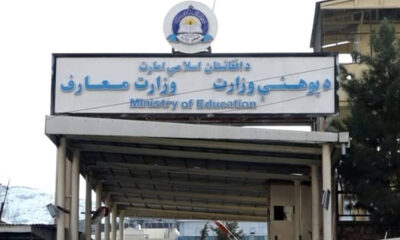
Afghanistan announces over 1,000 education ministry vacancies, prioritises returnees
Officials said the hiring will be conducted transparently, with candidates selected strictly on merit, qualifications, and professional competence.
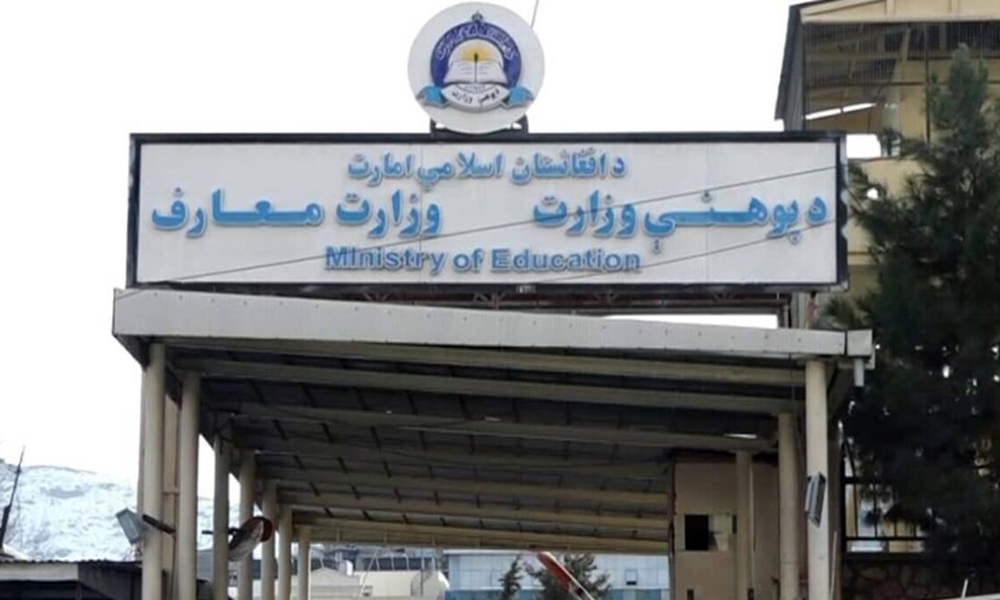
Afghanistan’s Ministry of Education has announced 1,060 vacant administrative posts across district education departments and regional education zones, to be filled through an open competitive recruitment process.
Officials said the hiring will be conducted transparently, with candidates selected strictly on merit, qualifications, and professional competence. They stressed that ethnic or regional considerations will not play any role in the selection process.
In a related development, Mohammad Zahid Ahmadzai, Deputy Minister of Labour and Social Affairs, said returning refugees will be given priority in employment opportunities. He added that the ministry is working with multiple institutions to broaden job creation across the country.
Education ministry officials noted that the newly advertised posts form part of a revised organisational structure designed to strengthen administrative capacity across 473 districts nationwide.
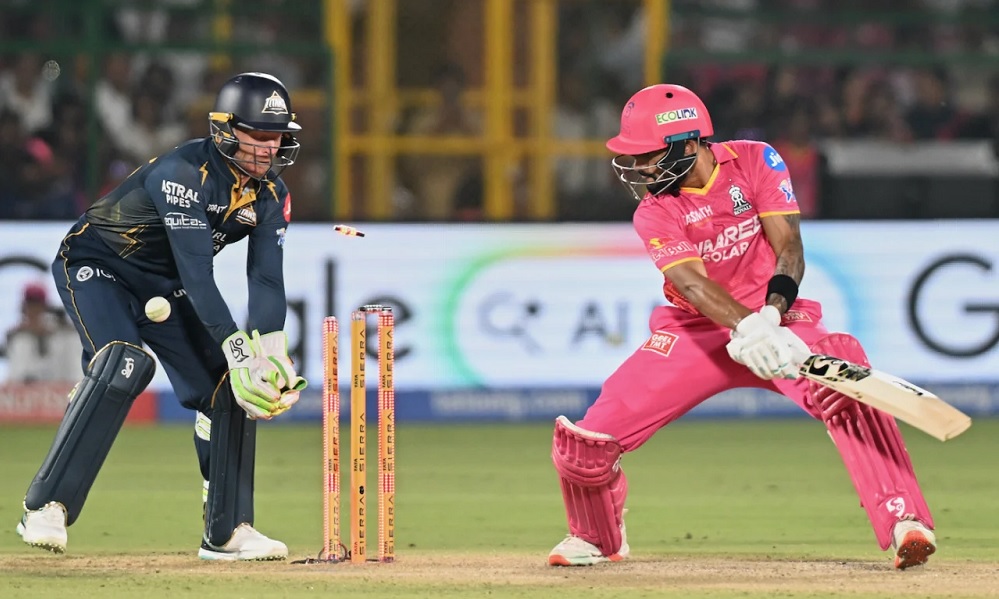
Rajasthan Royals (RR) bowling coach Shane Bond says his side’s bowlers must start “doing something different” after another disappointing defeat in IPL 2026 left the team slipping down the points table.
RR suffered a heavy loss to Gujarat Titans (GT) on Saturday after conceding more than 200 runs for the fourth straight match. The defeat pushed them down to fifth place with only three league games remaining.
The problems started early when fast bowler Jofra Archer struggled badly in the opening over, needing 11 balls to complete it after bowling a no-ball and several wides. The over cost RR 18 runs and set the tone for another difficult evening.
Former New Zealand pacer Mitchell McClenaghan said Archer appeared rusty after the team’s eight-day break and suggested Jaipur’s pitches are not helping RR’s pace attack.
Bond admitted RR’s bowling has not adapted well enough to the aggressive batting seen throughout this year’s IPL.
“You’ve got to be doing something different,” Bond said after the match. “Batsmen are developing new shots and putting bowlers under pressure, so bowlers also need to develop new skills and new plans.”
He added that bowlers must improve both their decision-making and execution, while using analysts more effectively to study opposition batting patterns.
Despite their recent slump, RR remain in contention for the playoffs, although their form has become a growing concern after a strong start to the season.
Meanwhile, IPL action continues on Sunday with Chennai Super Kings taking on Lucknow Super Giants in the afternoon match, while Royal Challengers Bengaluru face Mumbai Indians in a high-profile evening clash.
Chennai Super Kings will look to revive their inconsistent campaign against a Lucknow side still fighting for a playoff place, while Bengaluru and Mumbai meet in what could prove crucial in the race for the top four.
Both matches will be broadcast live across Afghanistan on Ariana Television Network.


Afghan officials join ICESCO meeting, discuss preservation of Islamic manuscripts

Afghanistan announces over 1,000 education ministry vacancies, prioritises returnees

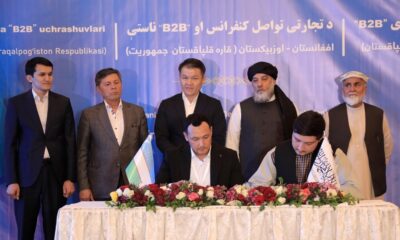
Afghanistan, Uzbekistan sign 13 trade MoUs worth over $100 million

Israel built and defended a secret base in Iraq for Iran war, WSJ reports

Japan, Saudi Arabia and Tajikistan qualify for FIFA U-17 World Cup Qatar 2026

Bayat Power extends gas supply deal with Afghan Gas

Afghanistan’s new cricket head coach Richard Pybus arrives in Kabul

Afghanistan moves toward self-sufficiency in car battery production

Germany to launch online visa system for Afghan study and work applicants in Pakistan

New Afghanistan-China transport corridor launched via Turkmenistan

Tahawol: Discussion on unknown fate of Middle East crisis

Saar: Problems and challenges of Afghan refugees in the world discussed

Tawsia: Discussion on Afghanistan’s economic path and position

Tahawol: Pressure on Afghan refugees from Tajikistan to Europe discussed

Saar: Ongoing criticism of Pakistan’s Afghanistan policy discussed
-
 Business2 days ago
New Afghanistan-China transport corridor launched via Turkmenistan
-
 Business4 days ago
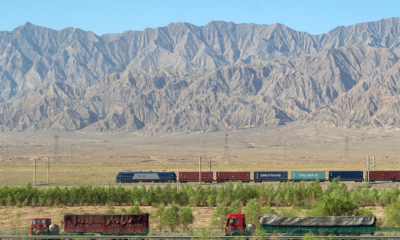
Uzbekistan launches new cargo corridor linking China and Afghanistan
-
 Business4 days ago
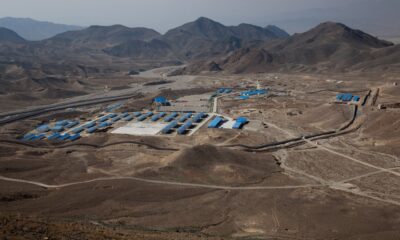
Afghanistan presses Chinese contractor over delays in Mes Aynak copper project
-

 Sport1 day ago
Canada to host opening ceremony for FIFA World Cup 2026 in Toronto
-
 Regional3 days ago
US and Iran closing in on one-page memo to end war, Axios reports
-

 International Sports4 days ago
Ahmedabad to host IPL 2026 final; BCCI announces playoff schedule
-

 Science & Technology2 days ago
James Webb Telescope captures clearest-ever view of exoplanet’s surface
-
 Regional4 days ago
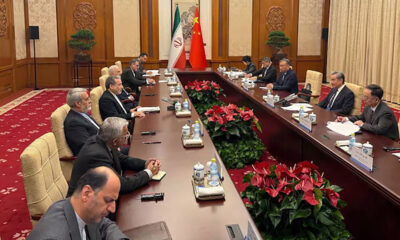
Iran foreign minister meets Chinese counterpart for first time since Iran war started