
Health
Chronic illness and mental health challenges threaten millions across Afghanistan
In response, Afghanistan’s Ministry of Public Health approved a national health policy in March 2025 prioritizing NCD prevention, cancer care, and mental health.

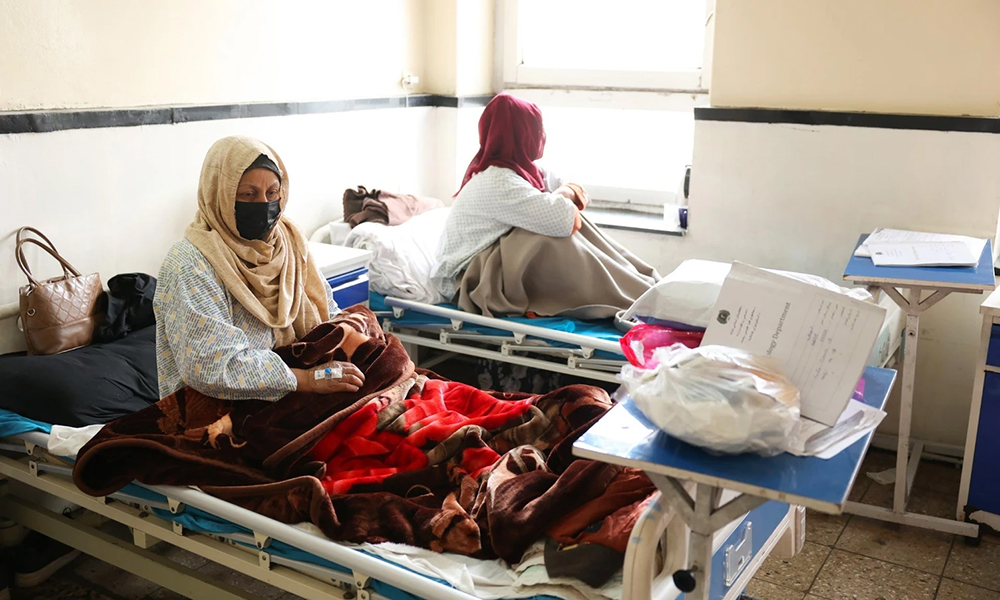
Non-communicable diseases (NCDs) and mental health conditions are emerging as a hidden epidemic in Afghanistan, putting severe pressure on the country’s fragile health system.
According to a new report issued by the World Health Organization (WHO) on Sunday, heart disease, diabetes, cancer, and chronic lung conditions already account for 43% of deaths nationwide – a figure expected to rise above 60% by 2030, with women disproportionately affected.
Cardiovascular disease alone claims more than 40,000 lives each year, ranking Afghanistan among countries with the highest age-adjusted death rates globally.
Cancer, particularly breast and cervical cancer, also heavily impacts Afghan women, with many patients seeking care only at advanced stages when treatment options are limited.
Mental health meanwhile is increasingly recognized as a critical yet under-addressed concern, WHO reported.
Years of conflict, displacement, and natural disasters – including recent earthquakes – have left deep psychological scars, especially among families returning from Pakistan and Iran.
One in five Afghans is estimated to live with a mental health condition, with over half of returnee families affected by anxiety, depression, or post-traumatic stress last year.
Thousands of families face long waiting lists for treatment, particularly in rural areas.
Hospitals and primary health care facilities frequently lack dedicated mental health services, leaving vulnerable populations without care.
For families like that of Rahimi in eastern Afghanistan, the impact is deeply personal. A recent earthquake destroyed his home, disrupted his wife’s diabetes treatment, and left his teenage daughters struggling with anxiety.
“We survive the disasters, but the illness and worry never leave,” he said.
In response, Afghanistan’s Ministry of Public Health approved a national health policy in March 2025 prioritizing NCD prevention, cancer care, and mental health.
The World Health Organization (WHO) is working with authorities to expand access to care, strengthen community awareness, and provide targeted support for women and children.
“Millions across Afghanistan live with chronic illness and mental health challenges, placing enormous pressure on an already fragile system,” said Dr Edwin Ceniza Salvador, WHO Representative to Afghanistan.
“Beyond physical disease, trauma and psychological suffering continue to affect families and communities. Expanding access to care for both NCDs and mental health is a shared responsibility for WHO, health authorities, and donors.”


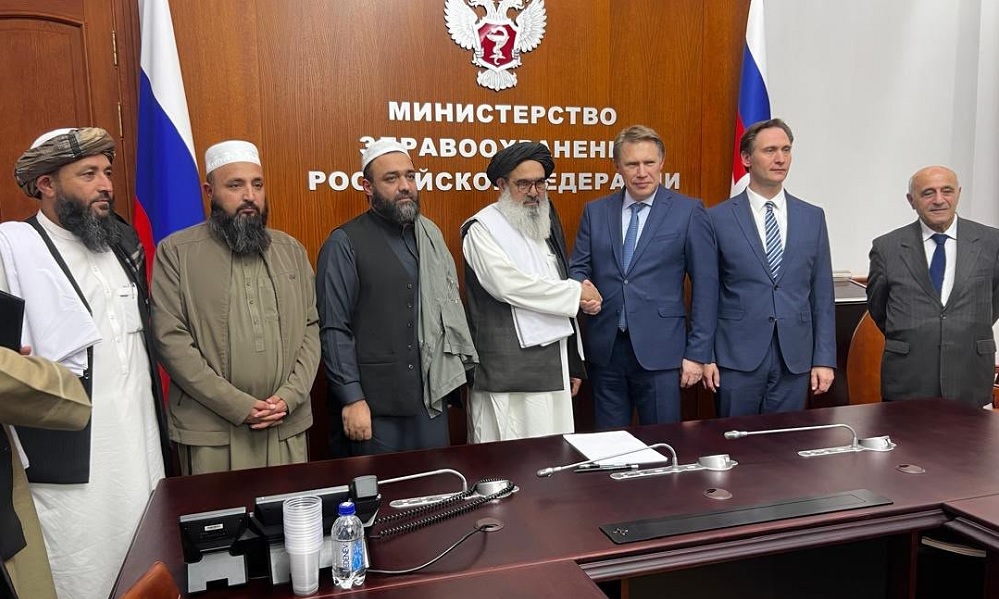
Noor Jalal Jalali, Minister of Public Health of Afghanistan, met with Russian Health Minister Mikhail Albertovich Murashko during his official visit to Russia.
The two sides discussed expanding long-term health cooperation between Afghanistan and Russia, including medicines, vaccines, medical equipment, health-worker training and the transfer of modern medical technologies, Afghanistan’s Public Health Ministry said in a statement.
Jalali briefed his Russian counterpart on the needs and priorities of Afghanistan’s health sector and called for greater Russian cooperation to improve the quality of health services, strengthen the professional capacity of health workers and develop modern medical facilities.
Murashko expressed Russia’s readiness to expand technical cooperation with Afghanistan and support efforts to strengthen the country’s health sector.
Health
Kandahar Red Crescent: More than 3,000 mental health patients treated in five years
Doctors said patients considered a serious danger to society are kept at the center on a permanent basis and receive regular treatment.
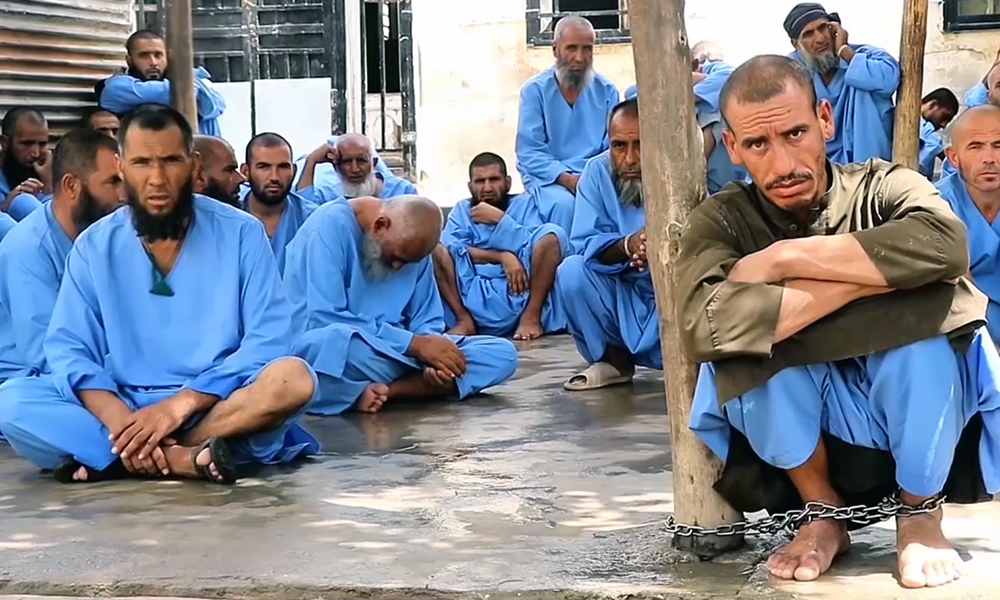
The Kandahar branch of the Afghan Red Crescent Society says more than 3,000 mental health patients, including men and women, have received treatment at home across southern Afghanistan over the past five years.
Officials said 405 patients were also treated at the Afghan Red Crescent’s mental health treatment center in Kandahar and returned to their homes. The center is the only facility in southern Afghanistan providing treatment to mental health patients from the region.
According to officials, during the past five years, 1,936 male and 1,331 female mental health patients received treatment at their homes.
Currently, 158 patients, including men and women who pose a risk to themselves or others, are being kept and treated at the center, while treatment for another 804 patients is continuing at their homes.
Doctors said patients considered a serious danger to society are kept at the center on a permanent basis and receive regular treatment.
Meanwhile, some patients who were previously brought to the center in poor condition are now recovering and have expressed satisfaction with the services they have received.
The development comes as officials from the Red Crescent’s southern regional branch say mental health problems linked to poverty and family difficulties are increasing.
Despite the challenges, they said efforts are underway to expand mental health services so that more patients can receive treatment.
Health
Health minister visits Belarus to expand medical cooperation
Belarusian Deputy Health Minister welcomed Jalali and his delegation, describing the visit as an important step toward strengthening health cooperation between Afghanistan and Belarus.
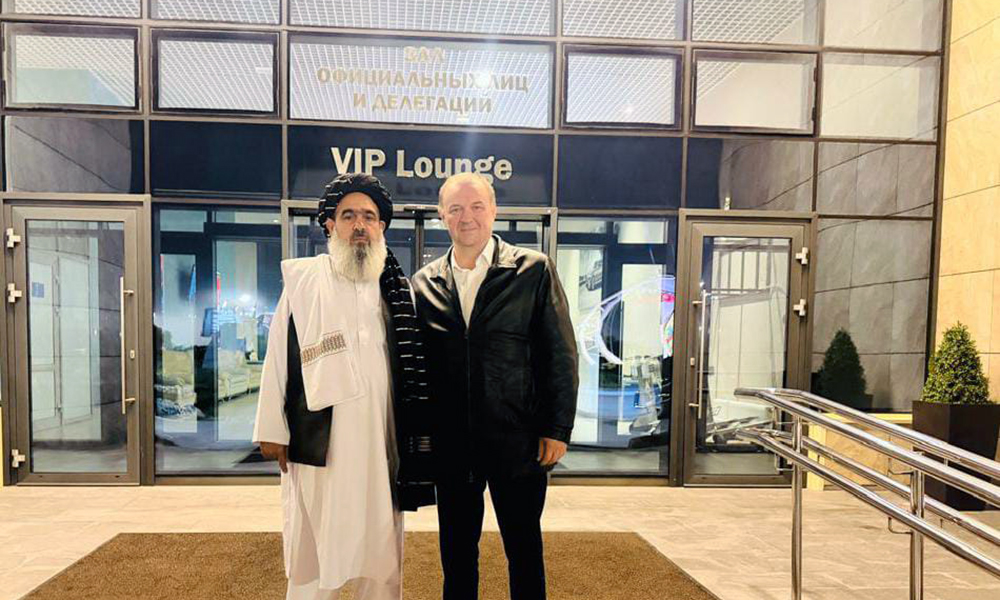
Afghanistan’s Minister of Public Health, Noor Jalal Jalali, has travelled to Belarus at the head of a delegation to strengthen health cooperation and exchange medical expertise between the two countries.
According to Afghanistan’s Ministry of Public Health, the visit will focus on expanding bilateral cooperation, reviewing Belarus’s healthcare institutions and sharing experience in medical services and specialized healthcare.
Belarusian Deputy Health Minister Barys Andrasyuk welcomed Jalali and his delegation, describing the visit as an important step toward strengthening health cooperation between Afghanistan and Belarus.
During the visit, Jalali is expected to meet with senior officials at Belarus’s Ministry of Health and visit several medical and research institutions, including the Belarusian State Medical University, a state pharmaceutical production company, specialized cardiac and oncology centers, the Republican Centre for Hygiene and Epidemiology, and an emergency clinical hospital.
The two sides are also expected to discuss cooperation in medical education, healthcare services, pharmaceutical production and specialized treatment, as well as opportunities to expand technical exchanges.
The visit comes as Afghanistan seeks to expand international cooperation in the health sector and improve access to medical expertise, training and pharmaceutical resources.


Mansour: Unjustified bloodshed is forbidden, whether Afghan or Pakistani

Afghanistan inaugurates 121 km Wakhan road to China border

India clinch Asian Games cricket gold after beating Pakistan

India says drug kingpin linked to Afghan heroin, meth deported from Turkey

DABS, Tajikistan’s Pamir Energy sign agreement on electricity supply to Badakhshan

Saudi energy group signs major Afghanistan deals covering gas exploration and pipeline plans

Khalilzad: Afghanistan ready to attract major investment

Messi returns to Inter Miami after Argentina retirement

Imam Abu Hanifa exhibition to draw exhibitors from more than 20 countries

Maryam Nawaz says Punjab faces greater security threats from neighbouring provinces

Tahawol: Escalation of internal political crisis in Pakistan discussed

Saar: Continuation of crisis in the Middle East discussed

Tawsia: Review of three key economic developments in Afghanistan

Tahawol: Pakistan’s airstrikes on civilians in Afghanistan discussed

Tahawol: Improvement in Afghanistan-China relations discussed
-
 Latest News3 days ago
Four members of one family killed in Helmand in Pakistan airstrike
-
 Regional4 days ago
US imposes sanctions on 13 tied to Iran weapons procurement
-
 Sport5 days ago
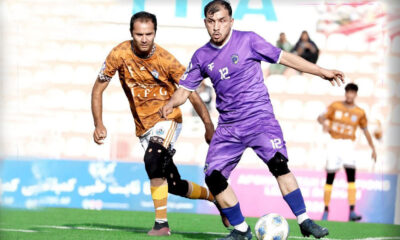
Istiqlal Kabul beat Khurasan Faryab 2-0 with late goals
-

 Sport5 days ago
Afghanistan Champions League: Toofan Herat and Aino Mina Kandahar draw 1-1
-
 Sport2 days ago
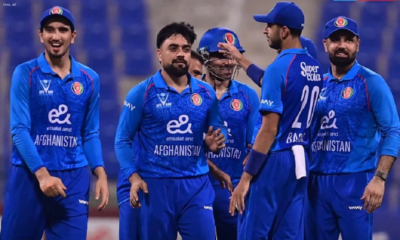
ACB announces Afghanistan squads for Bangladesh, Zimbabwe series
-
 Business4 days ago
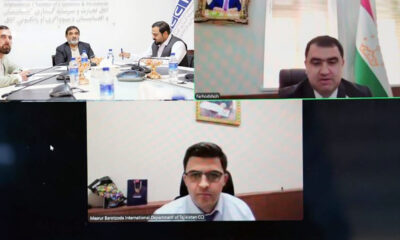
Afghanistan, Tajikistan seek stronger trade and investment ties
-
 Latest News3 days ago
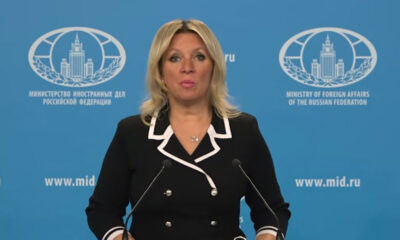
Moscow to host 8th meeting of Afghanistan consultations on October 5
-
 Latest News4 days ago
WATCH: Woman rescued after 14 years of alleged confinement in Helmand