
Latest News
Small states have limited options in international politics: Abdul Hai Qanit

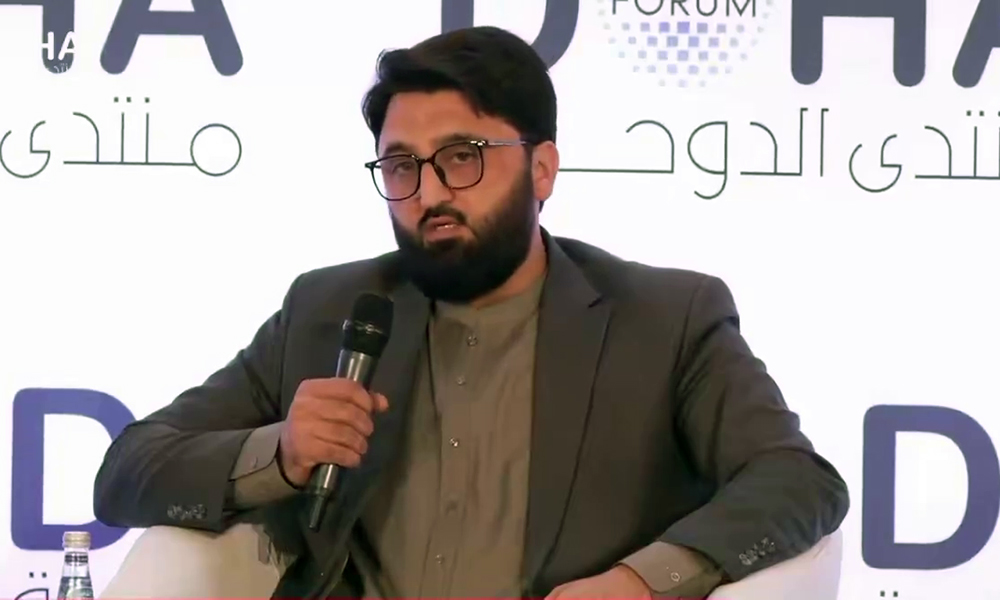
Abdul Hai Qanit, Director of the Strategic Studies Center of Afghanistan’s Ministry of Foreign Affairs, has said that major powers such as the United States, China, and Russia shape the course of global affairs, including matters of war and peace, leaving smaller countries to align their foreign policies with the decisions and strategies of these powers.
In a post on X on Tuesday, Qanit categorized countries into three groups: major powers, middle powers, and small states. He said middle powers—including Türkiye, India, Iran, Germany, France, the United Kingdom, Indonesia, and Brazil—are influenced by the policies of major powers but retain significant influence in shaping political dynamics within their respective regions.
According to Qanit, small states generally pursue one of three foreign policy strategies: balancing between rival powers, aligning with a major power, or adopting a hedging strategy by maintaining relations with multiple major or regional powers without fully committing to any single side.
Referring to the recent conflict between the United States and Iran, Qanit cited Oman as a successful example of a small state employing a hedging strategy. He said Oman maintained relations with the United States, Western countries, and Iran simultaneously, enabling it to safeguard its security while also playing a constructive mediating role during the crisis.
Qanit concluded by saying that small states have limited choices in the international system and that achieving success requires strategic planning, adequate resources, institutional capacity, and prudent leadership.



Latest News
Afghanistan, Iran discuss easing visa procedures and expanding border trade
During the meeting, Islamjar stressed the importance of simplifying visa issuance for citizens of both countries, increasing trade through the Islam Qala border crossing.
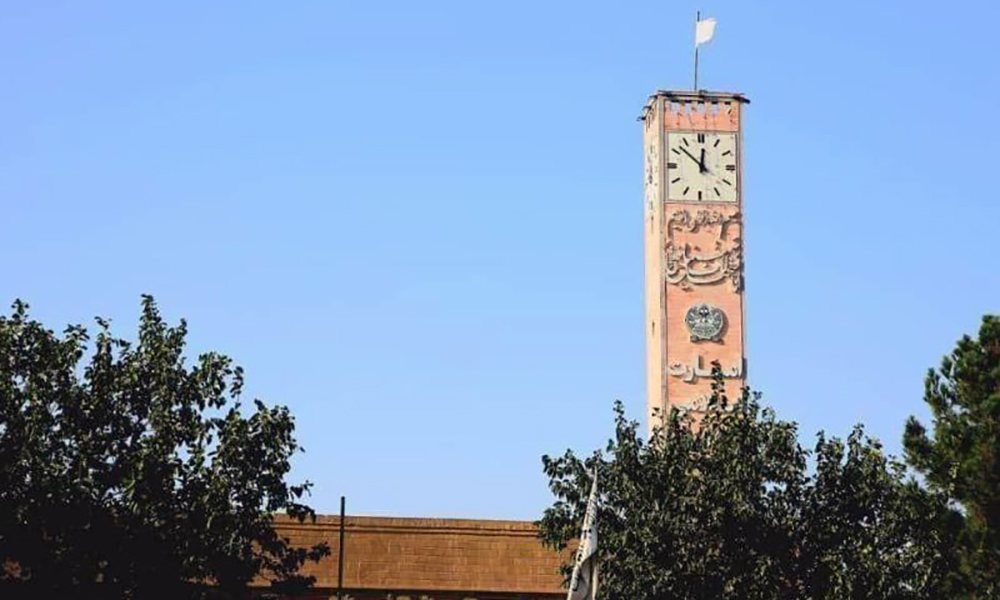
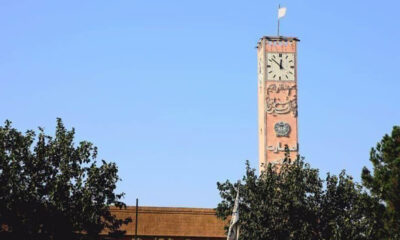
Afghan and Iranian officials have held talks in Herat on easing visa procedures, expanding bilateral trade, and improving transport and transit links at their shared border.
According to the Herat governor’s office, Iran’s Deputy Ambassador to Afghanistan, Seyed Hassan Mortazavi, accompanied by the Iranian Consul General in Herat, met with Herat Governor Maulana Islamjar to discuss strengthening economic, trade, and transit cooperation between the two neighbouring countries.
During the meeting, Islamjar stressed the importance of simplifying visa issuance for citizens of both countries, increasing trade through the Islam Qala border crossing, and resolving transportation challenges at the Dogharoon–Islam Qala border.
Mortazavi reaffirmed Iran’s commitment to closer coordination with Afghanistan, saying Tehran is working to facilitate visa issuance, improve cross-border trade, and increase the movement of commercial goods.
He added that efforts are also underway to address existing trade and transit challenges, highlighting the importance of stronger economic ties and continued cooperation between Afghanistan and Iran.
The Islam Qala crossing in Herat province is one of the busiest trade gateways between Afghanistan and Iran, serving as a key route for the movement of goods and playing a vital role in bilateral commerce between the two countries.
Latest News
Italy, UNESCO launch emergency restoration of Mazar-e-Sharif’s Blue Mosque after earthquake
The restoration effort follows a powerful magnitude-6.3 earthquake that struck Afghanistan on November 3, 2025, killing at least 20 people and injuring more than 530 others.
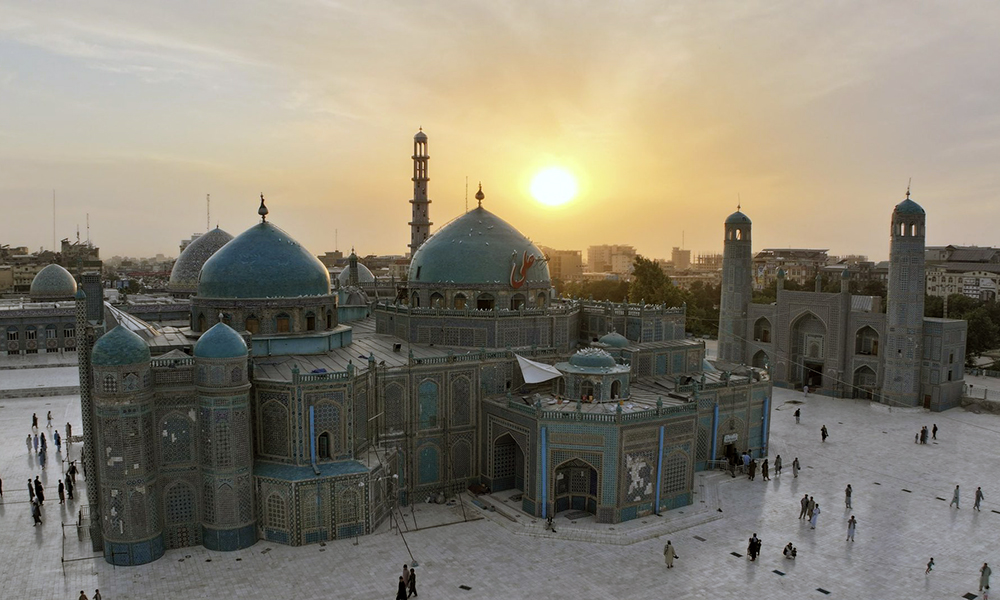
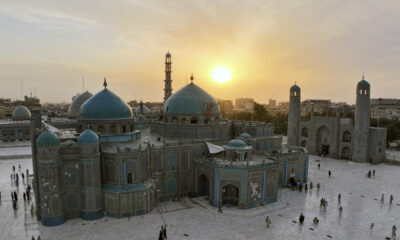
Italy and the United Nations Educational, Scientific and Cultural Organization (UNESCO) have launched an emergency restoration project to protect the historic Blue Mosque (Rawza) in Mazar-e-Sharif after it was damaged in a recent earthquake.
The Italian Embassy in Afghanistan said the initiative is designed to safeguard one of the country’s most important cultural heritage sites while also creating employment opportunities for local communities involved in the restoration work.
The restoration effort follows a powerful magnitude-6.3 earthquake that struck Afghanistan on November 3, 2025, killing at least 20 people and injuring more than 530 others. The quake caused damage to homes, public buildings and several historic structures, including parts of the centuries-old Blue Mosque.
In a statement posted on its official X account on Thursday, the embassy said the project demonstrates the shared commitment of Italy and the United Nations to support the Afghan people and preserve Afghanistan’s rich cultural heritage.
The Blue Mosque, also known as the Rawza of Mazar-e-Sharif, is one of Afghanistan’s most renowned religious and historical landmarks, drawing thousands of worshippers and visitors each year.
Located in the heart of Balkh province in northern Afghanistan, the centuries-old shrine is celebrated for its striking Timurid-era architecture and is widely regarded as one of the country’s most significant cultural and architectural treasures.
The emergency restoration project aims to stabilise and repair earthquake-related damage, helping to ensure the long-term preservation of one of Afghanistan’s most treasured historic sites for future generations.
Latest News
325 Afghan migrants return home after release from Pakistani prisons
The ministry said the returnees were registered at reception and transit centres before being transported to their home provinces with assistance from partner organisations.
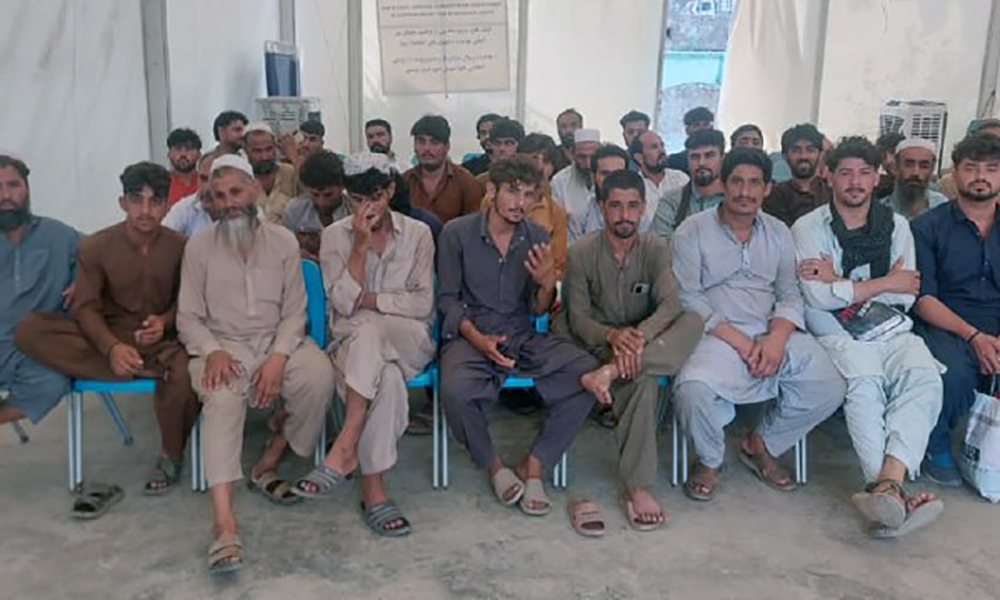
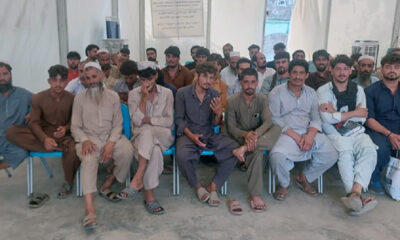
A total of 325 Afghan migrants have returned to Afghanistan after being released from detention centres and prisons in Pakistan, the Ministry of Refugees and Repatriation said on Thursday.
In a statement, the ministry said the returnees included families, children and individuals who had been detained in Pakistan for varying periods and for different reasons.
According to the ministry, 156 migrants entered Afghanistan through the Torkham crossing in eastern Nangarhar province, while another 169 returned via the Spin Boldak crossing in southern Kandahar province.
The ministry said the returnees were registered at reception and transit centres before being transported to their home provinces with assistance from partner organisations.
The latest returns come as Afghan migrants in Pakistan continue to face arrests, detentions and deportations, with many affected by documentation and residency-related issues.


Afghanistan, Iran discuss easing visa procedures and expanding border trade

Italy, UNESCO launch emergency restoration of Mazar-e-Sharif’s Blue Mosque after earthquake

Swirling, vortex-like patterns observed on the sun’s surface

325 Afghan migrants return home after release from Pakistani prisons

Afghanistan holds Russia to 3-3 draw, earns first point at Continental Futsal Championship

Pakistan’s governance system has ‘collapsed’: Mohsin Naqvi

India offers 1,000 online scholarships for Afghan students for 2026-27 academic year

Cricket world pays tribute to Afghanistan fast bowler Shapoor Zadran

Turkey spent over $120 million to prepare airport for Qatar-donated U.S. presidential aircraft

Thousands pay final respects as Afghan cricketer Shapoor Zadran buried in Kabul

Tahawol: Limited choices of small states in global politics discussed

Saar: India’s response to Pakistan’s recent remarks discussed

Tahawol: China-Pakistan talks on Afghanistan security reviewed

Saar: Discussion on Iran’s warning to the US

Tahawol: Worsening security crisis in Khyber Pakhtunkhwa
-
 Sport3 days ago
Only two days to go before Afghanistan and Ireland begin ODI series
-

 Sport4 days ago
AFC confirms clubs for 2026/27 competitions; draw set for August 18
-
 Latest News1 day ago
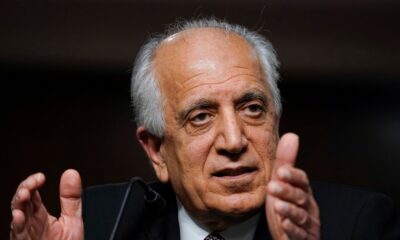
Khalilzad says Pakistan needs ‘reset’ amid economic crisis and rising instability
-

 Latest News3 days ago
KP chief minister says Islamabad has lost control of Khyber Pakhtunkhwa and Balochistan
-
 Latest News3 days ago
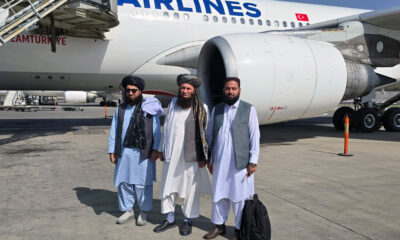
Afghan agriculture delegation visits Moldova to boost scientific cooperation
-
 Regional4 days ago
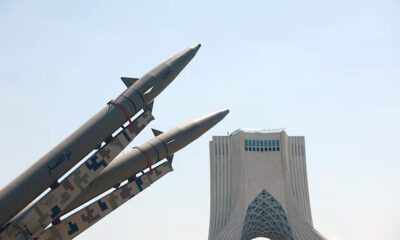
Trump says he will hold off on fresh Iran attack in hope of quick deal
-
 Climate Change4 days ago
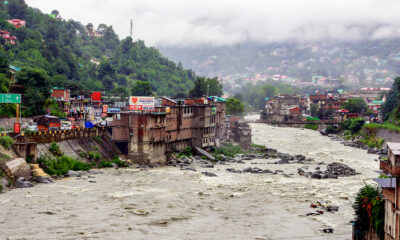
Heavy monsoon rains claim lives across India as flooding and landslides continue
-
 Science & Technology5 days ago
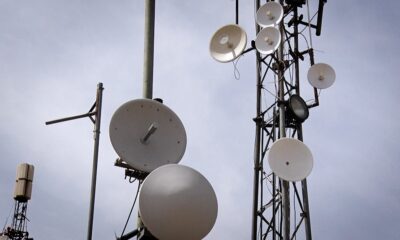
Afghanistan currently transits internet traffic to Central Asia, says MCIT