
Latest News
A look back at three years under the Islamic Emirate of Afghanistan

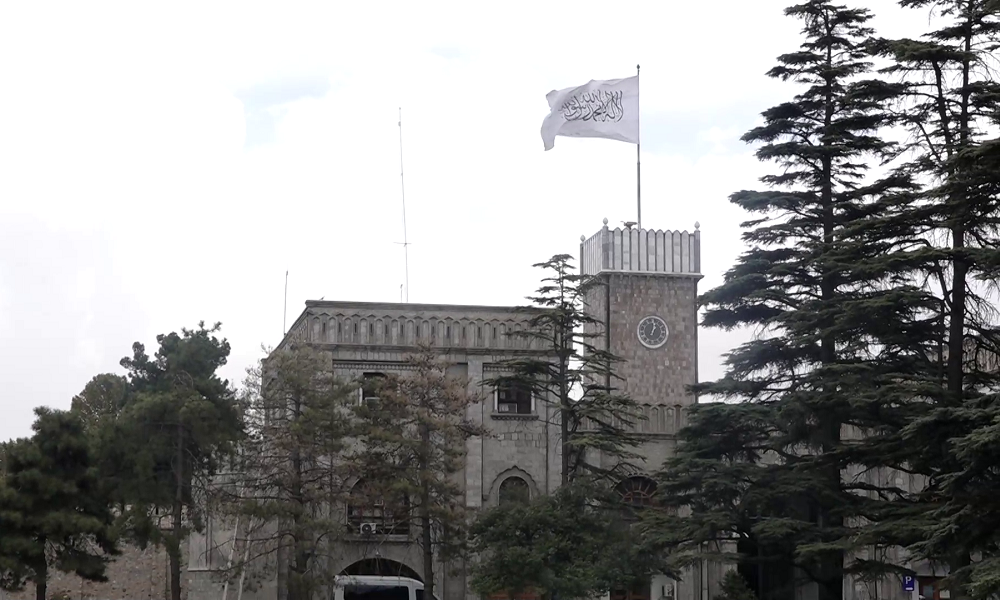
After defeating foreign forces and the republic government, the Islamic Emirate of Afghanistan swept across the country on August 14, 2021, seizing power as they went. A day later Kabul fell to the IEA, which has ruled the country ever since.
In this time, the Islamic Emirate was able to resist internal problems and international sanctions and achieve progress in governance and diplomatic relations with other countries.
The IEA has however been unable to achieve global legitimacy as the government in power.
But relations have improved over the past two years, especially with countries in the region. A number of which have accepted IEA diplomats.
All of Afghanistan’s neighbors, except Tajikistan, have recognized IEA diplomatic missions in their countries.
China was one of them, and became the first country to officially accept an IEA ambassador in Beijing.
Kazakhstan was another country that took a step to remove the IEA for its list of terrorist groups.
The IEA has however remained a ‘caretaker’ government in this time.
As yet, no country has officially recognized the IEA government.
International sanctions, including travel bans of IEA officials, and banking sanctions remained in place. In addition, Afghanistan’s seat at the United Nations has not yet been handed over to the IEA.
The acting government, meanwhile, deems the past three years to have been successful and emphasizes that despite global pressure on the IEA, it has been able to deal with problems and achieve success in various fields.
IEA spokesman Zabihullah Mujahid said in relation to recognition that many countries have official interaction with the ruling authorities and this in itself indicates recognition of the Islamic Emirate.
“We are in official interaction with China, the region, neighbors and Islamic countries. About 40 countries have official interactions with Afghanistan, they have embassies, consulates, consular services,” said Mujahid.
In these three years, according to the general amnesty decree of the supreme leader of the Islamic Emirate, Sheikh Hibatullah Akhundzada, the invitation to political figures and officials of the former government, who left the country after the fall of the republic system, to return to
Afghanistan continued, and during this period, hundreds of people including teachers and academics, political figures and former officials returned to the country through the Contact Commission.
However, in his speeches in the last three years, Hibatullah Akhundzada has always stressed the importance of strengthening the Islamic system and warned that they would not give in to any pressure in this respect.
In a recent speech, Akhundzada still asked the members of the Islamic Emirate to stay united and avoid differences and divisions.




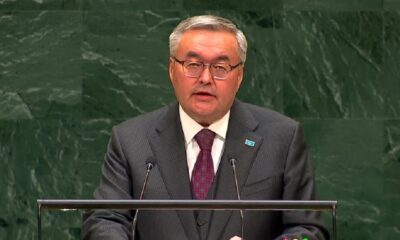




Kazakhstan’s Foreign Minister Mukhtar Tileuberdi has called for pragmatic and coordinated international engagement with Afghanistan, saying the country’s long-term stability is closely linked to the security and sustainable development of Central Asia.
Speaking during the general debate of the 81st session of the United Nations General Assembly in New York on Friday, Tileuberdi said humanitarian assistance to Afghanistan remains essential but alone cannot break the cycle of poverty, displacement and dependency.
He said Kazakhstan supports a “pragmatic, coordinated and step-by-step” approach to international engagement with Afghanistan, with the United Nations playing a central role.
Tileuberdi also said Kazakhstan is working with the UN to operationalize the United Nations Regional Centre for the Sustainable Development Goals for Central Asia and Afghanistan in Almaty.
He said the success of the centre should be measured by the results and assistance it delivers to the region.


Ariana Afghan Airlines increases Kabul-Delhi cargo flights

Khalilzad questions Pakistan’s commitment to Afghan welfare

India, UN envoy discuss Afghanistan’s humanitarian needs

Kazakhstan calls for coordinated international engagement with Afghanistan

Pakistan PM, UN chief discuss Afghanistan amid rising Kabul-Islamabad tensions

Saudi energy group signs major Afghanistan deals covering gas exploration and pipeline plans

Trump floats idea of renaming Atlantic or Pacific Ocean

US hits Egyptian bank branches with Iran sanctions as war marks six months

Nepal flood rescue mission enters critical phase as thousands remain missing

Iranian clubs to face Gulf opponents at neutral venues in Asian Champions League Elite

Exclusive interview with Abdul Latif Mansoor, Minister of MRRD

Tawsia: Overview of Afghanistan’s iron mines

Tahawol: Discussion on fresh Pakistani airstrikes on Afghanistan

Saar: Calls for international support for Afghanistan discussed

Tahawol: Opening of the 81st UN General Assembly Session
-

 Sport5 days ago
Afghanistan to face Japan and Nepal in Asian Games cricket group stage
-

 World4 days ago
CNN, MS NOW and Politico sue Trump, challenging White House ban
-
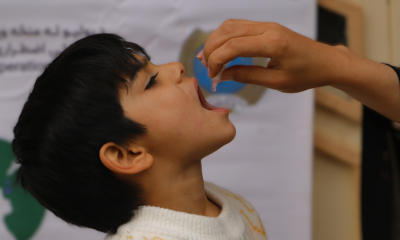
 Health5 days ago
Four-day polio vaccination campaign begins across Afghanistan
-

 Latest News3 days ago
Ariana Afghan Airlines ranks seventh among 45 Central Asian airlines
-

 Latest News4 days ago
UN reiterates call for respect for international law after Kunar airstrikes
-
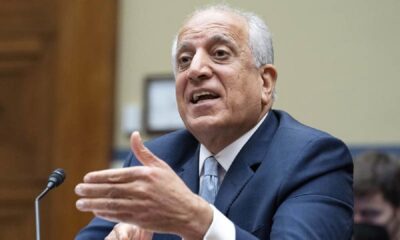
 Latest News5 days ago
Khalilzad condemns Pakistan airstrikes, says current strategy is not working
-

 Regional3 days ago
US and Iran hold first talks since June after Trump’s ‘annihilation’ threat
-

 Latest News3 days ago
Silk Road highway in Wakhan corridor now reaches the China border