
Latest News
Afghan dire humanitarian situation demands urgent support from int’l community: official

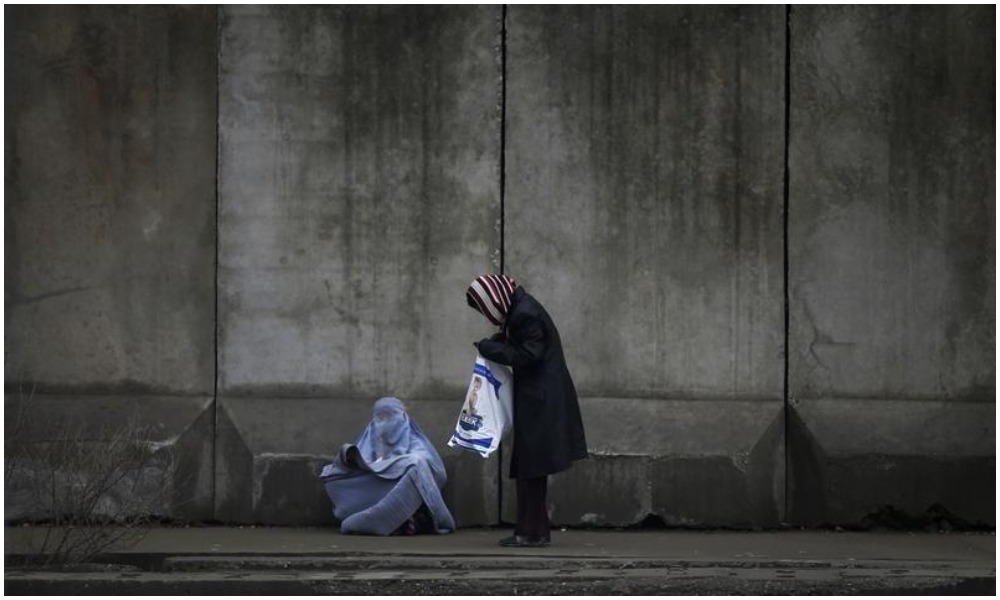
Afghanistan has faced a dire humanitarian situation over past few months, which urges the international community to take immediate actions to support the humanitarian response in the region, said an official of the International Committee of the Red Cross (ICRC) on Thursday, Reuters reported.
Last August, the chaotic withdrawal of U.S. troops from Afghanistan added more woes to the country following two decades of war.
According to Reuters following the hasty pullout, the U.S. government quickly froze nearly 9.5 billion U.S. dollars in national foreign exchange assets from the Afghan central bank held in the United States, further aggravating the already dire humanitarian crisis in Afghanistan.
Last year, the United Nations World Food Programme (WFP) warned that Afghanistan is facing “an avalanche of hunger and destitution”, with 98 percent of the population lacking adequate food.
The ICRC Director-General Robert Mardini elaborated on his experience in Afghanistan after visiting there in February of last year, read the report.
“It is very severe. It’s very difficult to have exact figures. But we see more and more people in the streets, selling their few belongings to be able to put food on the table. We see more and more people seeking daily jobs. The situation is very dire. The economic system is on the brink of collapse. The vast majority of banks are not working. It’s very hard for people to get funds. The vast majority of civil servants today in Afghanistan are simply not getting their salaries. So, you can imagine the ripple effect when a family relies on, eight members of a family rely on a salary, how hard daily life is for Afghans today,” he said.
He believes that the current extreme situation in Afghanistan should be attributed to a combination of factors including warfares and climate change.
“This is the consequence of four decades of armed conflict that really brought the country in a very dire state. And then the effects of climate change are also at the same time and concurrently hitting Afghanistan, with the cycles of drought and floods that are more intense, more frequent. And of course, this is putting huge pressure on the food production in the country and the ability of Afghans to sustain their own needs. And the fact today that the international community and the vast majority of development agencies unplugged their support to Afghanistan since August last year, a country that relies heavily on international aid, of course, is bringing many of the critical services that 40 million Afghans rely on, at the brink of collapse,” he said.
The ICRC director-general also called on the international community to scale up support to humanitarian efforts in Afghanistan to avoid a humanitarian catastrophe in the region, Reuters reported.
“Afghans have experienced four decades of armed conflict, repeated cycles of drought, putting their food security at risk. And I think it’s fair to say that no family has been spared by the effect of war. And while the day-to-day security has improved over the past months, Afghans face acute needs in humanitarian, but also in socio-economic terms. And this is not the time for the international community to forget Afghanistan. The well-being of the Afghan people should really lie above politics. And the ICRC is really committed and will consistently call for proper international attention and funding to ensure that public services that are critical to the survival of the civilian population be preserved in the country and the economic collapse is avoided,” said Mardini.



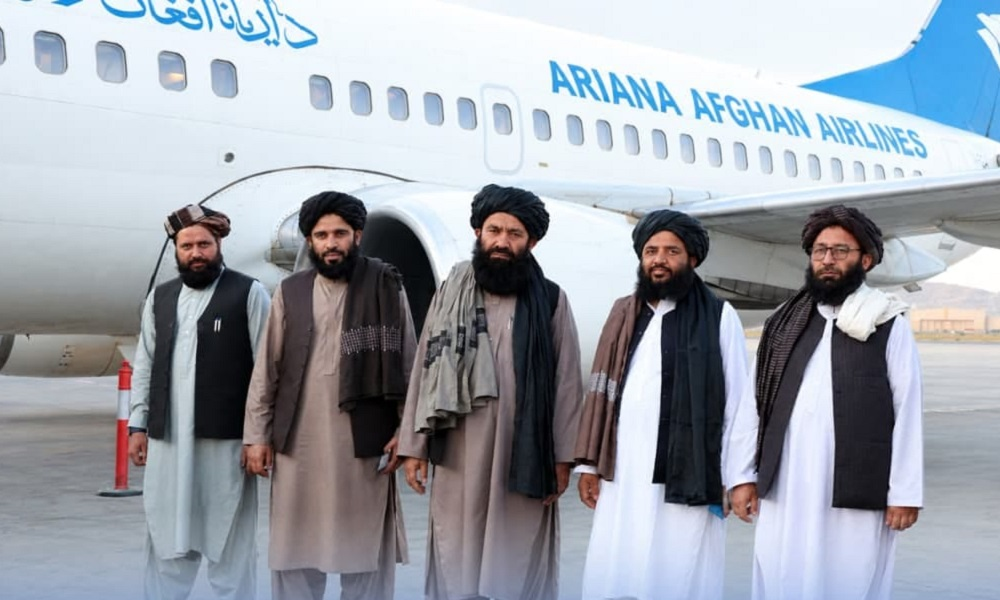
Mohammad Younus Akhundzada, the Islamic Emirate’s Minister of Energy and Water, departed for Riyadh, the capital of Saudi Arabia, on Saturday to attend the 17th World Energy Forum.
Ministerial-level representatives from around 100 countries are expected to participate in the forum to discuss energy cooperation, opportunities, and the exchange of experiences.
The Ministry of Water and Energy said Afghanistan’s participation in the forum provides an opportunity to strengthen relations with countries around the world, exchange expertise, and attract international cooperation in the energy sector.
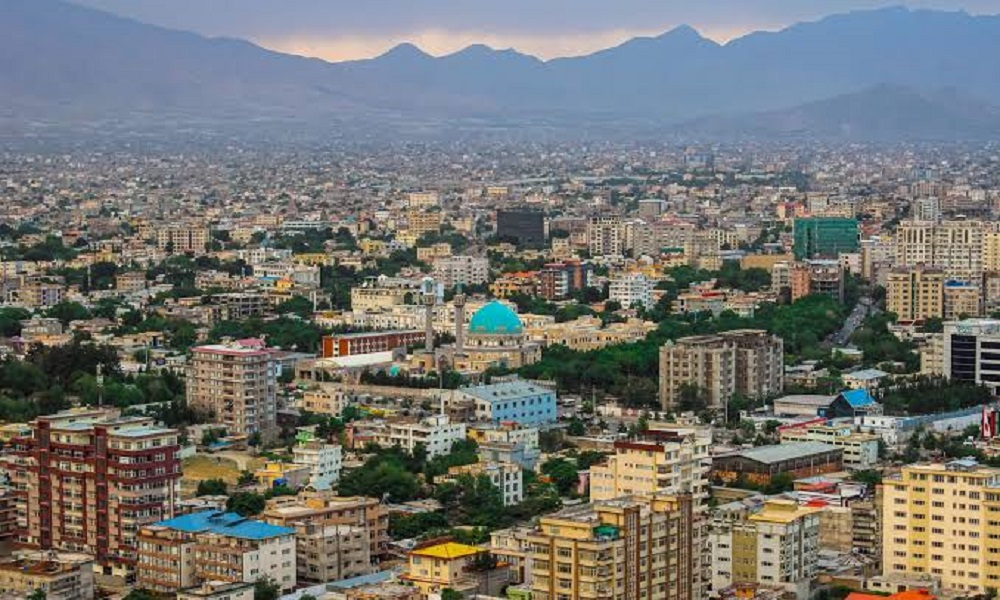
The US Department of State has placed Afghanistan in Tier 3 in its 2026 Trafficking in Persons Report, citing concerns over forced labor, child exploitation and inadequate protection for trafficking victims.
The report says Afghanistan has failed to fully meet the minimum standards for eliminating human trafficking and has not made significant efforts to do so.
It also highlights the vulnerability of families, particularly children, to trafficking and exploitation amid poverty, economic hardship and the return of migrants from neighboring countries.
Afghanistan continues to face economic challenges and growing humanitarian needs, while large numbers of Afghan migrants have returned from neighboring countries. Experts say raising public awareness, creating job opportunities and providing support to vulnerable families are essential to preventing human trafficking and child exploitation.
Meanwhile, the Islamic Emirate has previously issued a decree declaring human trafficking contrary to Islamic Sharia and called for action against the practice. Officials have also said the rights of Afghans are protected in accordance with Islamic Sharia and Afghan traditions.
Latest News
Iranian lawmaker praises Afghanistan’s support, accuses Pakistan of ‘hypocrisy’
Zanganeh claimed that a post published under the name of Pakistan’s parliamentary speaker during negotiations between Tehran and Washington had been written by Americans.
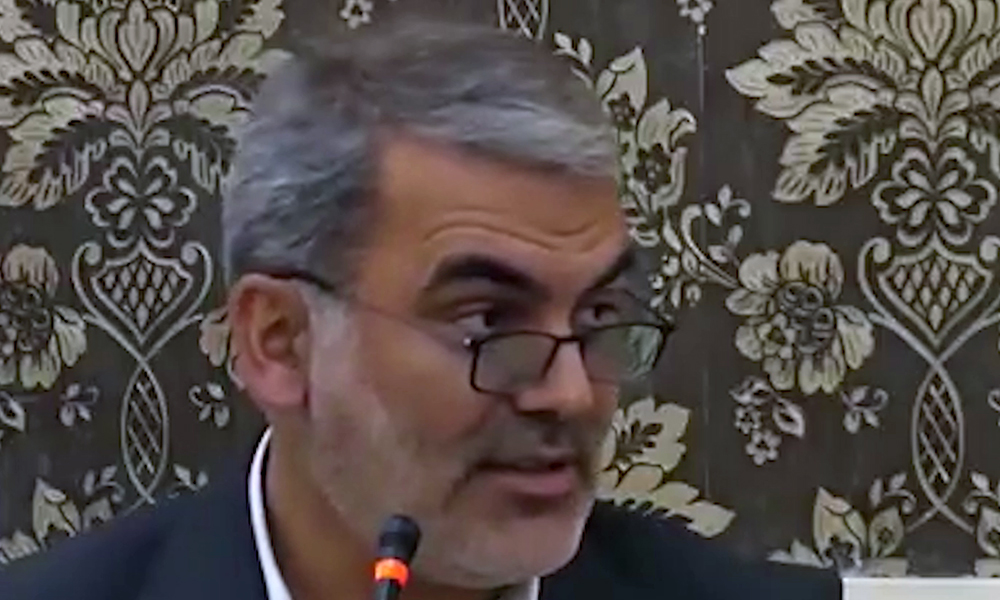
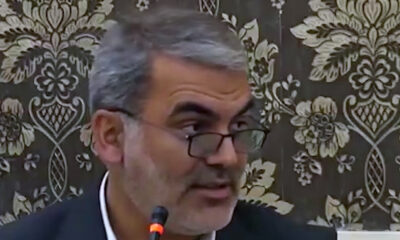
Mohsen Zanganeh, head of the Iranian Parliament’s Economic Commission, has praised Afghanistan’s support for Iran during the conflict between Iran and the United States, while criticizing Pakistan’s conduct during the crisis.
Zanganeh claimed that a post published under the name of Pakistan’s parliamentary speaker during negotiations between Tehran and Washington had been written by Americans. According to the Iranian lawmaker, US Special Envoy Steve Witkoff was responsible for drafting the post.
He described Pakistan’s alleged conduct as “hypocrisy” and expressed appreciation for the friendship and support shown by Afghans towards Iran.
Zanganeh’s remarks highlight the differing political perspectives emerging in the region as neighbouring countries respond to developments involving Iran and the United States.


Energy and Water Minister heads to Saudi Arabia for World Energy Forum

Saar: Ongoing expulsion of Afghan refugees from Iran and Pakistan discussed

Afghanistan trail Bangladesh by 135 runs at stumps on Day Two

Afghanistan placed in Tier 3 in US human trafficking report

WHO calls for greater mental health support in Afghanistan

EU and FAO launch €5m programme to strengthen Afghanistan’s agrifood sector

Omar Zawak, Toofan Herat secure victories in Afghanistan Champions League

Houthi advance in Yemen puts U.S. in a new bind

Cricket Bonanza: Afghanistan set for packed international schedule

New warnings reignite debate over AI threat to humanity
Saar: Ongoing expulsion of Afghan refugees from Iran and Pakistan discussed

Tahawol: CSTO meeting on Afghanistan reviewed

Saar: Guterres’s talks with Pakistani officials on Afghanistan discussed

Tahawol: Consequences of US war in Afghanistan reviewed

Saar: Expulsion of Afghan refugees from Pakistan discussed
-

 Latest News5 days ago
Ariana Afghan Airlines ends 15-year control of ticketing and operational systems by Pakistani firm
-
 World4 days ago
▶️Saudi Arabia, Turkey, Pakistan activate Mecca defense pact
-
 Regional4 days ago
Yemeni government forces seize strategic strait from Houthis
-
 Latest News5 days ago
IEA rejects ICC arrest warrants, says Afghanistan does not recognize court
-
 Sport4 days ago
Aino Mina Kandahar defeat Istiqlal Kabul 3–2
-
 Health4 days ago
Russia investigates suspected pneumonic plague; Trump ready to ‘help’
-

 Latest News4 days ago
Thirty US states seek access to Afghan assets for 9/11 victims
-
 Latest News5 days ago
Iran offers cooperation on Herat-Mazar railway, mining and power generation