
Business
Afghanistan’s Bayat Power the Proud Winner of Asian Power Award 2023

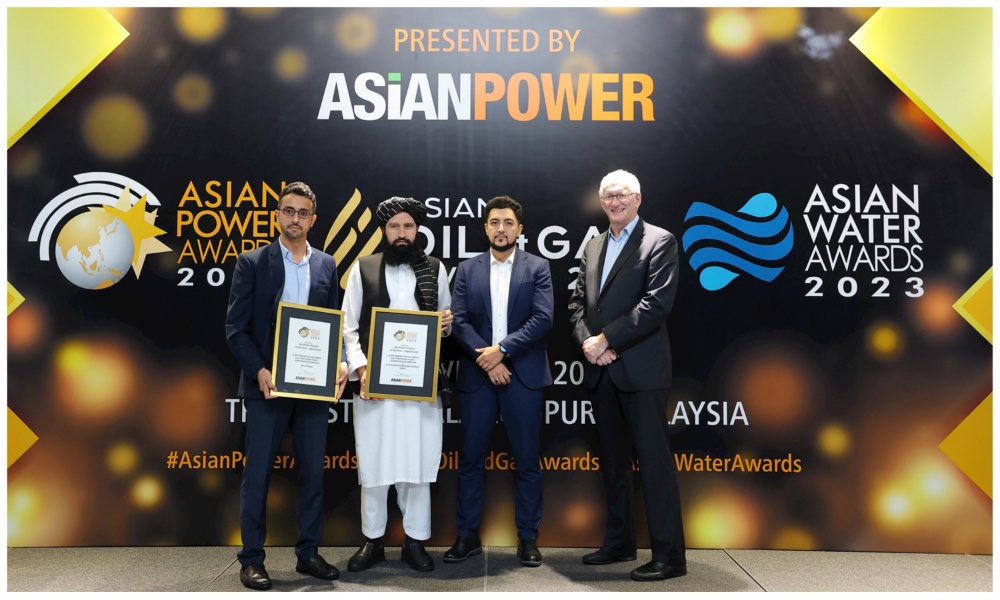
Bayat Power, a trailblazer in Afghanistan’s independent power production sector, was on Wednesday night awarded the prestigious Asian Power Award 2023 for its groundbreaking gas-fired mobile power plant.
Combining creative business vision, bold financing, innovative technology, and dedicated leadership, Bayat Power pioneered Afghanistan’s emerging, independent power production sector in 2019 with the focus on providing the nation with affordable, reliable, and environmentally sustainable electricity that is desperately needed to improve the lives of Afghanistan households, communities, and businesses.
Considered a leading award ceremony for the power industry in Asia, the awards honor companies that have taken innovative and game-changing steps to address the effects of the climate crisis and meet the growing demand for energy.
In line with this, the awards ceremony is a celebration of excellence, innovation, and sustainability in the power sector, and provides a platform for industry players to network, share their experiences, and learn from one another.
On hand to accept the award on Wednesday night was Bayat Power’s CEO Ali Kasemi who said it was an honor and a privilege for the company to receive the accolade. He also said the award was an acknowledgement of the hard work and tenacity of Afghans in their quest for energy security and self-sufficiency in the power sector.
“Bayat Power is extremely proud that the Asian Power Awards have recognized our project as the Gas Power Project of the Year in Afghanistan. But we are even prouder of our continued efforts to improve the lives of Afghans across the country, enabling students to study at night, allowing health workers to provide critical services 24/7, supporting factory production, and lighting up cities, streets, mosques, and homes nationwide,” said Kasemi.
“We set out to relaunch a critical sector and prove that independent power producers can convert natural gas into electricity and bring light and warmth to Afghanistan and its people,” he added.

Bayat Power was established in 2013 and with its visionary and innovative leadership, the company is establishing the foundations of an emerging independent power producing sector in Afghanistan.
Currently providing electricity to hundreds of thousands of end-users and generating more than 300 million kWh annually, the project was structured as an innovative public-private partnership between Bayat Power, Siemens Energy, and Afghanistan government entities such as the Ministry of Mines and Petroleum, Afghan Gas Enterprises (AGE), Da Afghanistan Breshna Sherkat (DABS), and other international partners.
“This project has been a unique opportunity to match creative private sector investment with Siemens’ internationally renowned technical expertise to allow Afghanistan towards powering the next phase of the nation’s economic growth and energy security,” said Dr. Ehsanollah Bayat, Chairman of Bayat Power.
“We are committed to continue investing in Afghanistan’s energy sector to boost new industries, create jobs and train a new generation of Afghan engineers and technical specialists, who will help unlock the country’s vast energy potential.”
From the outset, the company has tapped into the nation’s abundant natural gas reserves to provide the people with a reliable supply of affordable and sustainable electricity.
In 2019, Bayat Power took a major step towards realizing their mission when they commenced the start of site work on Bayat Power-1’s 40MW gas-fired turbine, which achieved commercial operation later that year in Sheberghan. The plant uses Siemens Energy’s SGT-A45 mobile gas turbine for its economic efficiency, flexible deployment, and power density.
The foundation of the project meanwhile is the executed Power Purchase Agreement (PPA) with DABS in which DABS has agreed to purchase the power produced by Bayat Power.
Accepting the award on Wednesday night, Kasemi acknowledged DABS and thanked the authorities of Afghanistan’s power supply company for their support and continued cooperation with Bayat Power.
“I would like to thank DABS, the national utility company of Afghanistan, who have been an amazing partner for us and who also nominated us for the prestigious award,” he said. Kasemi also thanked the Honorable Chargé d’affaires for Afghanistan in Malaysia, Naqibullah Ahmadi, and all Bayat Power colleagues.
He pointed out that the Bayat Group is the largest private investor in Afghanistan and that Bayat Power is currently the only gas-powered plant in Afghanistan.

Bayat Power “has delivered almost one billion kilowatt hours to date,” he said, adding that the Siemens Energy’s SGT-A45 mobile gas turbine used by the company “is the only one in operation in the world”.
“Right now, Afghanistan is ripe for investment and has not seen this level of peace and security in many, many decades,” he said adding that “it is a great time to join us in investing there, especially in the energy sector as Afghanistan has vast amounts of resources.”
Bayat Power’s plant utilizes advanced and efficient technology, offering significantly more power and higher efficiency compared to other mobile gas turbines worldwide.
The project, in addition to generating significant tax revenues to the government, has created thousands of direct and indirect job opportunities for Afghans, contributing to the nation’s economic condition and fostering new technical skill sets amongst talented citizens.
Bayat Power’s partnership with state-owned enterprises for the country’s development has borne fruitful results – one of which is the recognition received by the Asian Power Awards, honoring Bayat Power as the Gas Power Project of the Year.
Shoulder-to-shoulder with other power giants
Bayat Power’s achievement at this year’s awards is an historic moment for both the company and the country as it follows in the footsteps of a number of world giants in the power sector that won the award in the past. This includes 2020 winner Seoul Power and 2019 winner Saudi Arabia’s ACWA Power, which has a massive footprint across 12 countries.
Another global giant to win an Asian Power Award was Tata Power Delhi Distribution Limited, which supplies electricity to over seven million people in North Delhi. Tata won an accolade at the 2021 Asian Power Awards.
This year was no different as exceptional projects, and initiatives were lauded at the Asian Power Awards ceremony and this year’s entries were judged by an elite panel of experts in the field.
In the Asian Oil and Gas category, the Saudi giant Aramco walked off with the Digital Transformation Initiative of the Year award,
Shell also secured three awards in the Oil and Gas category including the Digital Transformation Initiative of the Year award for Singapore and the New Product of the Year award for its Indonesia Lubricants Supply Chain.
Working for a better future
Welcoming Wednesday’s news, Naqibullah Ahmadi, Afghanistan’s Charge d’affaires in Kuala Lumpur, said after the ceremony that Afghanistan is progressing day-by-day and it is a matter of pride that Afghan companies can win awards alongside major international firms.
He said that round-the-clock efforts are needed to make the country prosperous as there are many projects to complete.
According to Ahmadi, Afghanistan now offers good opportunities in the Islamic Emirate’s quest for development and growth, and Afghans should join hands, unite, and work to rebuild and develop their country.
He called on Afghan traders abroad to return home and to take part in rebuilding Afghanistan by investing in the country.
Ahmadi also called on international companies to seize the opportunities available for investment in the country.
He in turn thanked the leadership of Bayat Power and Turkey’s 77 Group, which won an award in the Solar Power category, for investing in the country and maintaining high standards, that meet international regulations.





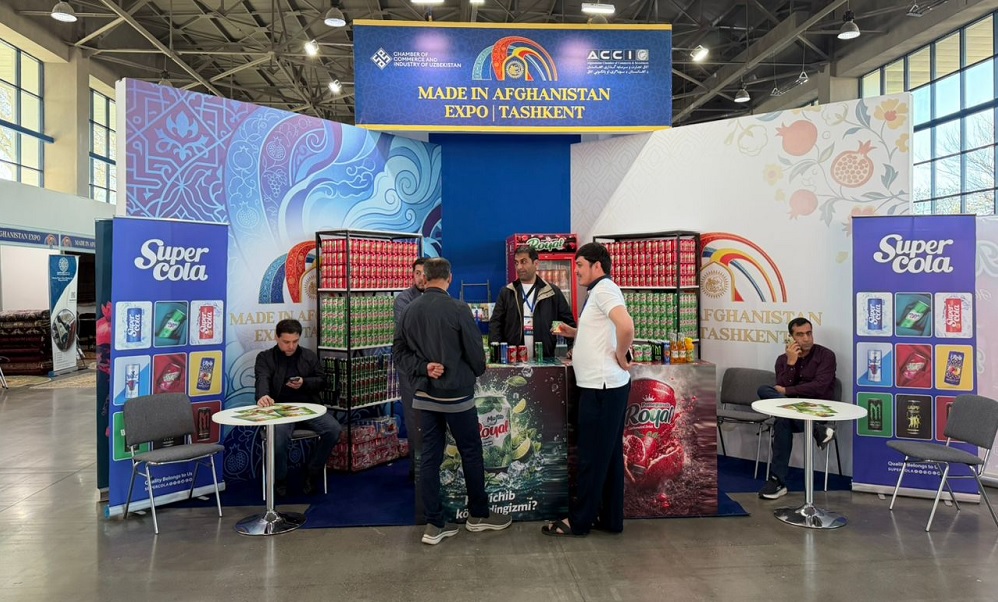
The Afghanistan Chamber of Commerce and Investment has announced that a major exhibition of Afghan products titled “Made in Afghanistan” is opening today (Wednesday) in Uzbekistan’s capital Tashkent.
According to the chamber, the expo—supported financially by the United Nations Development Programme—will run until Friday and aims to showcase Afghanistan’s production and export potential.
More than 60 booths have been set up by Afghan traders, featuring a wide range of products including carpets, dried and fresh fruits, saffron, pine nuts, cotton, precious and semi-precious stones, as well as beverages.
Officials from the chamber expressed hope that the expo will help expand trade relations between Afghanistan and countries in the region, particularly Uzbekistan.
Business
Afghani strengthens nearly 10% against US dollar amid banking sector reforms
The bank said it has expanded oversight of financial institutions and private lenders, improving transparency and promoting more consistent standards across the sector.
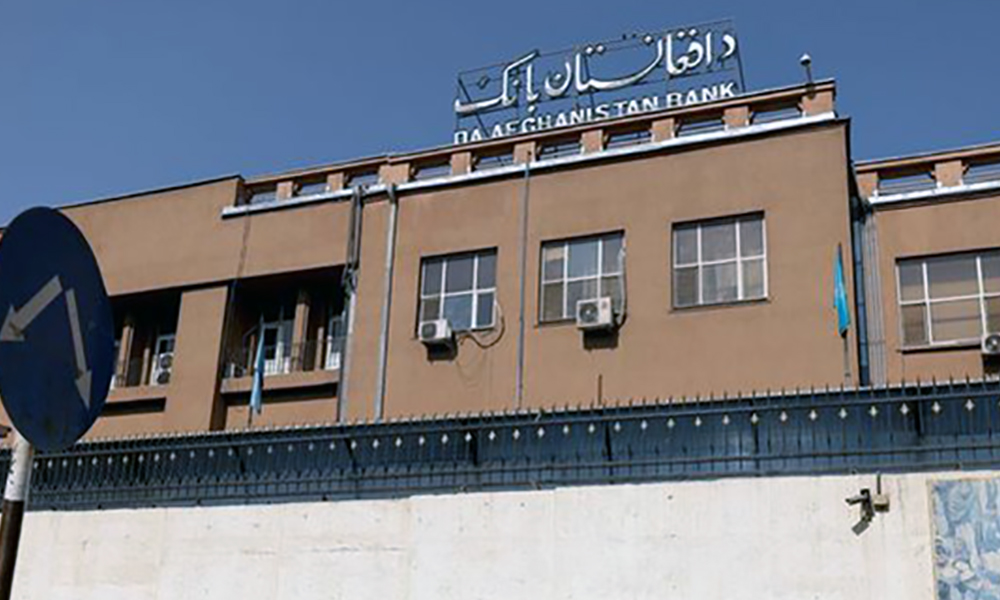
Afghanistan’s central bank, Da Afghanistan Bank, says the national currency has appreciated by 9.93% against the US dollar during the year 1404, citing steady progress in the country’s financial and banking systems.
Officials attributed the gains to cautious monetary policies that have helped stabilise the Afghani against major global currencies while also boosting its value against the dollar.
The bank said it has expanded oversight of financial institutions and private lenders, improving transparency and promoting more consistent standards across the sector.
As part of efforts to better manage liquidity, authorities also collected and destroyed worn-out banknotes in circulation. At the same time, officials reported growth in electronic banking, with digital payment usage rising in recent months.
Central bank spokesperson Haseebullah Noori said initiatives are underway to broaden access to banking services nationwide, including the wider rollout of Islamic banking options.
Analysts welcomed the stabilisation efforts but stressed the need to address ongoing challenges facing domestic banks, including the impact of international financial sanctions on Afghanistan.
They added that expanding Islamic banking could help draw more savings into the formal financial system, noting that a significant share of personal wealth remains outside banks. Bringing those funds into the sector, they said, could inject billions of Afghanis into the economy and further support financial stability.
Business
Uzbekistan delivers over 290 tons of aid to Afghanistan
The assistance, provided ahead of Eid al-Fitr, is intended to support vulnerable communities while reinforcing ties between the neighboring countries.
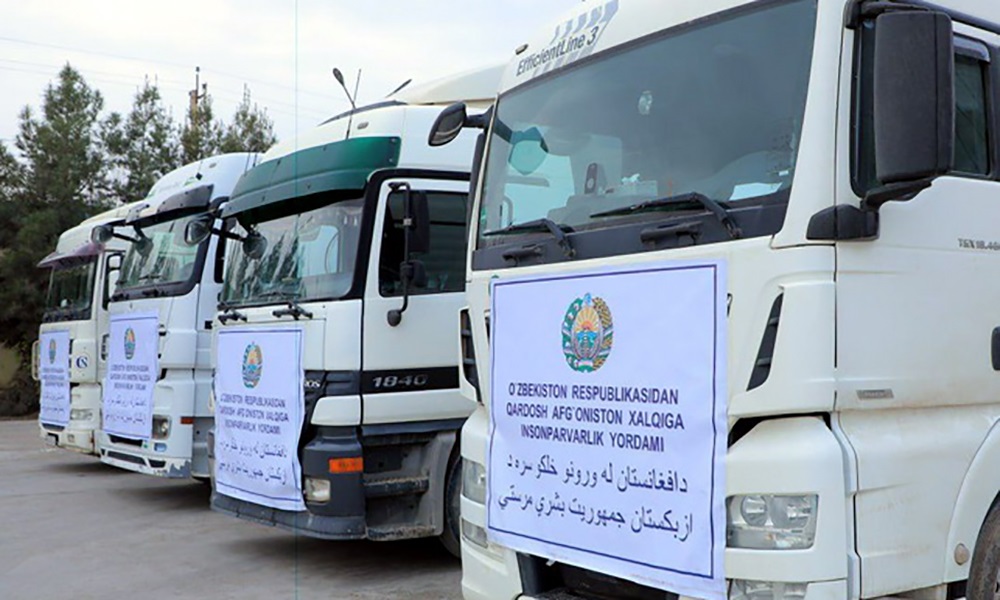
Uzbekistan has delivered more than 290 tons of humanitarian aid to Afghanistan, according to the country’s Ministry of Foreign Affairs.
The assistance, provided ahead of Eid al-Fitr, is intended to support vulnerable communities while reinforcing ties between the neighboring countries.
The shipment includes essential food supplies such as flour, rice, wheat, vegetable oil, instant meals, pasta, and confectionery. An official handover ceremony was held in the border town of Hairatan.
Local officials, including Balkh province representatives and authorities from Hairatan, expressed appreciation for the continued support, acknowledging Uzbekistan’s efforts to assist the Afghan people.
Among those present at the ceremony were Uzbekistan’s Ambassador to Afghanistan, Oybek Usmanov, and Surkhandarya regional governor Ulugbek Kosimov.
The aid delivery underscores Uzbekistan’s ongoing humanitarian engagement and its broader efforts to promote regional cooperation and stability.


Exclusive interview with Indrika Ratwatte, Deputy UN Special Representative for Afghanistan

US Vice President Vance emerges as key figure in Iran peace efforts: Report

Tawsia: Efforts to boost Afghanistan’s domestic production and economic diplomacy

Trump extends deadline for striking Iranian energy plants to April 7

IEA says Iranian drivers no longer need visas to enter Afghanistan

Pakistani military jet downed in Afghanistan’s Jalalabad, pilot captured alive

Afghan Air Force conducts airstrikes in Islamabad, other cities

Prominent Muslim scholar issues fatwa calling for Afghanistan-Pakistan ceasefire

Afghan air force strikes key Pakistani military installations in retaliatory operation

IEA: Special circle in Pakistan has launched mission to destabilize region
Exclusive interview with Indrika Ratwatte, Deputy UN Special Representative for Afghanistan
Tawsia: Efforts to boost Afghanistan’s domestic production and economic diplomacy

Tahawol: Discussion on day 27 of Iran–US war

Saar: Islamic Emirate confident of Durand Line control

Tahawol: Efforts to release Mohammad Rahim from Guantanamo Bay Detention Camp
-

 Latest News4 days ago
Pakistan seeks Russian mediation to resolve Afghanistan tensions
-
 Latest News5 days ago
World must re-engage to prevent all-out Afghanistan-Pakistan war: Financial Times
-
 Latest News3 days ago
Around 2.3 million tourists visited Afghanistan’s recreational areas during Eid: Ghufran
-

 Sport3 days ago
Afghanistan squad hit by withdrawals ahead of AFC Asian Cup Qualifiers
-
 Latest News1 day ago
Tajikistan shifts stance on Afghanistan amid rising border tensions
-
 Latest News3 days ago
Islamic Emirate releases American prisoner Dennis Coyle
-

 Latest News4 days ago
Airstrike on Kabul drug rehabilitation centre sparks legal concerns
-
 Latest News2 days ago
Two civilians killed, eight injured in fresh shelling by Pakistan in Kunar