
Latest News
Airstrike on Kabul drug rehabilitation centre sparks legal concerns
Amnesty International’s Deputy Regional Director for Research, Isabelle Lassee, said the scale of casualties suggests the presence of a significant civilian population at the site.

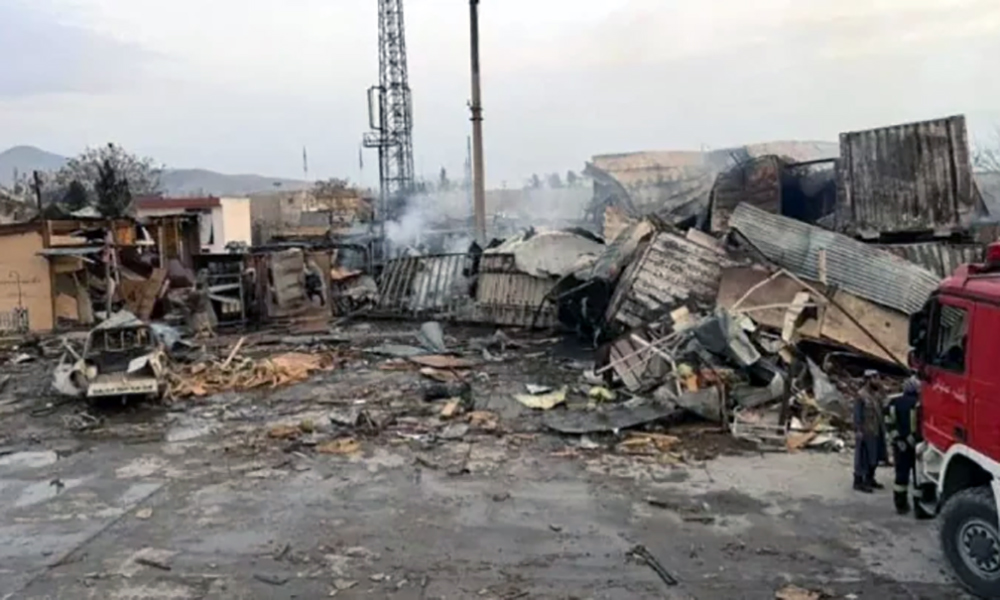
An airstrike on a drug rehabilitation facility in Kabul has drawn sharp criticism from Amnesty International, raising serious questions about compliance with international humanitarian law.
The strike, carried out on 16 March, targeted a site at Camp Phoenix, a former military base that has functioned largely as a rehabilitation centre since 2016. Pakistani officials have claimed the attack was aimed at an ammunition depot allegedly located within the compound.
Responding to those claims, Amnesty International’s Deputy Regional Director for Research, Isabelle Lassee, said the scale of casualties suggests the presence of a significant civilian population at the site.
“While the total number of casualties has yet to be independently verified, it is clear that the attack caused extensive civilian harm, with reports indicating hundreds killed or injured,” she said.
Lassee emphasized that the facility was widely known to house civilians undergoing treatment, and warned that any military action should have taken this into account. “Pakistan’s military should have taken all feasible precautions to avoid harming civilians and civilian infrastructure,” she added.
She further noted that even if a military target had been present within the compound, international law requires that any strike be proportionate, ensuring that civilian harm is not excessive in relation to the anticipated military advantage.
“The scale of destruction raises serious concerns about whether an adequate proportionality assessment was conducted and whether sufficient steps were taken to verify the target and minimize civilian casualties,” Lassee said.
Amnesty International has called on Pakistani authorities to disclose the intelligence behind the strike and to launch an independent, impartial, and transparent investigation into the incident. The organization stressed that findings should be made public to ensure accountability.
The group also urged all parties involved in the conflict to adhere strictly to international humanitarian law and to protect civilian infrastructure, including medical and rehabilitation facilities.
The airstrike formed part of Pakistan’s “Operation Ghazab Lil Haq,” which included strikes in both Kabul and Nangarhar Province. The targeted rehabilitation centre, known as Omid, reportedly had the capacity to accommodate around 2,000 individuals.
Casualty figures remain contested. Islamic Emirate officials claim more than 400 civilians were killed and over 200 injured, though these numbers have not been independently verified. The United Nations has so far confirmed 143 deaths.
The strike comes amid escalating tensions between Afghanistan and Pakistan. According to the United Nations Assistance Mission in Afghanistan, at least 76 civilian casualties had already been recorded since the conflict intensified in February.
Pakistani officials, meanwhile, reported civilian casualties on their side of the border, including four deaths in Bajaur district on 15 March and the killing of a child in North Waziristan earlier in the month, allegedly due to cross-border fire from Afghanistan.
The latest developments underscore growing concerns about civilian safety as hostilities between the two countries continue to intensify.

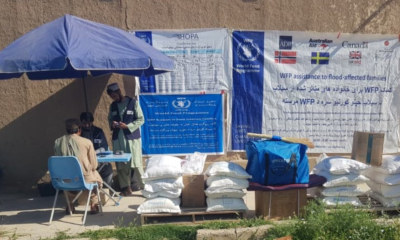



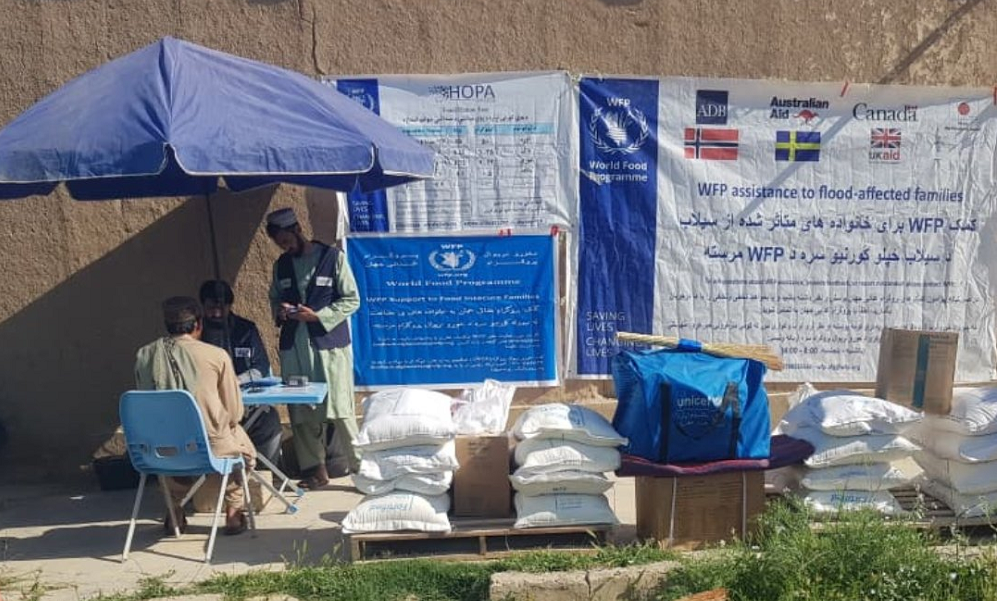
Afghanistan has received more than $11 billion in humanitarian assistance since the Islamic Emirate returned to power in August 2021, according to United Nations figures cited by the BBC.
Despite the substantial aid, the gap between humanitarian needs and available funding remains wide, with the United Nations warning that millions of Afghans continue to require assistance.
The decline in international funding, a growing number of people in need and the return of millions of Afghan migrants from neighboring countries have added pressure to the country’s humanitarian situation.
Afghanistan’s humanitarian crisis deepened following the collapse of the previous government in August 2021. The depreciation of the national currency, the loss of hundreds of thousands of jobs and reductions in some international support programs further strained the economy and living conditions.
UN data shows that Afghanistan received about $5.2 billion in humanitarian assistance in 2021, followed by around $3.8 billion in 2022 and nearly $2 billion in 2023.
For 2024 and 2025, the United Nations appealed for more than $3 billion to address humanitarian needs in Afghanistan. However, funding fell short of the amounts requested.
The assistance has largely been directed toward food, healthcare, support for returnees and other urgent humanitarian needs.
The United Nations continues to classify Afghanistan as one of the world’s largest humanitarian crises, stressing that sustained international support remains essential for millions of Afghans who continue to need assistance.
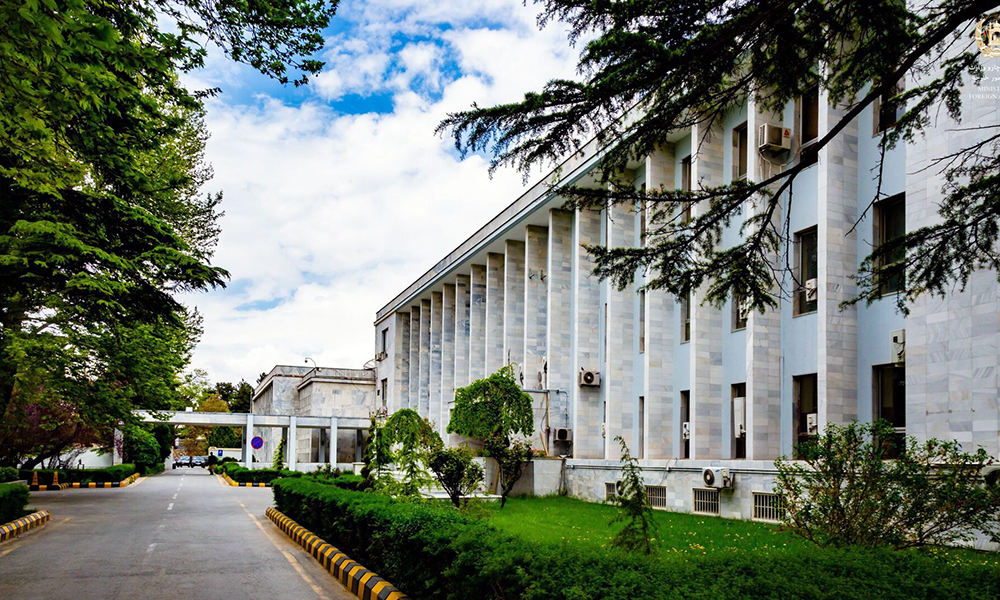
The Islamic Emirate of Afghanistan (IEA) has expressed deep sorrow over a powerful earthquake that struck eastern Indonesia, killing at least 53 people and forcing around 5,000 others to evacuate.
A magnitude-7.7 earthquake struck Flores Island and surrounding areas on Saturday, blocking roads and triggering landslides, Indonesian authorities said.
In a statement, Afghanistan’s Ministry of Foreign Affairs conveyed its sympathy and condolences to the government and people of Indonesia over the casualties caused by the earthquake.
It also wished a speedy recovery to those injured in the incident.
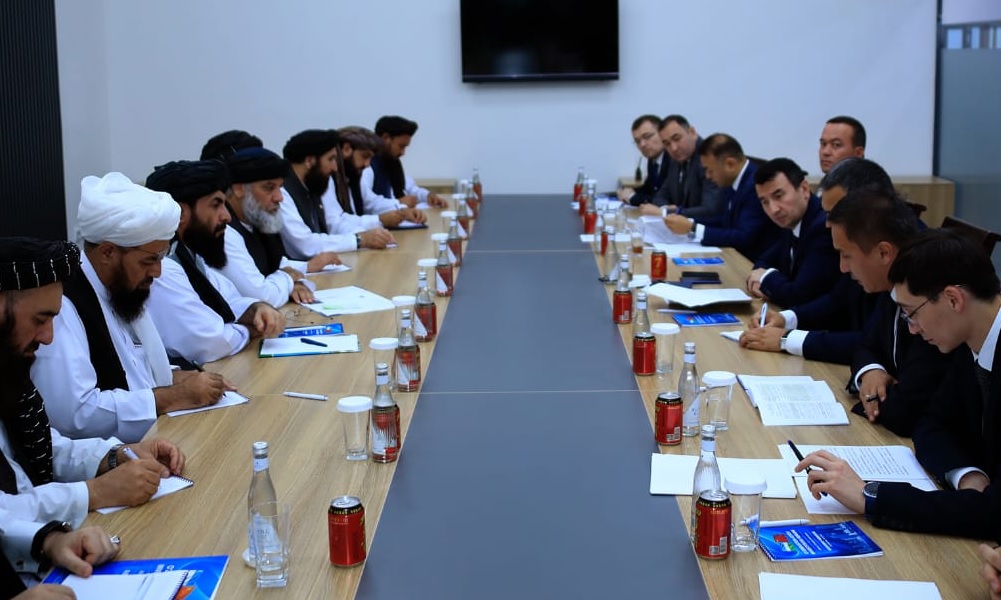
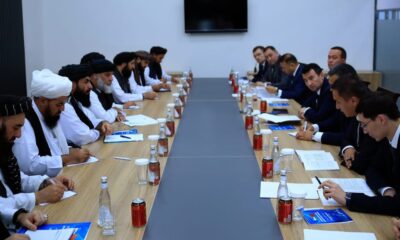
Afghanistan’s Minister of Industry and Commerce, Nooruddin Azizi, met with Uzbekistan’s Deputy Prime Minister Jamshed Khojaev in the city of Termez to discuss expanding economic cooperation and joint investment.
The meeting, held on Saturday at the Termez Trade Center, focused on cooperation in the electricity, mining and agriculture sectors, Afghanistan’s Ministry of Industry and Commerce said in a statement.
Uzbek officials expressed interest in investing in various sectors in Afghanistan. The Afghan delegation welcomed the interest and emphasized its readiness to create the necessary conditions for expanding economic cooperation and joint investment.
Mohammad Yousuf Wafa, governor of Balkh, and Abdul Ghaffar Bahr, Afghanistan’s ambassador to Tashkent, also attended the meeting.


Tahawol: U.S. non-recognition of IEA

Saar: Tensions between Iran and the United States

Afghanistan received more than $11 billion in humanitarian aid over the past five years

Afghanistan expresses condolences over deadly Indonesia earthquake

Afghan commerce minister meets Uzbek deputy prime minister in Termez

Pakistan’s governance system has ‘collapsed’: Mohsin Naqvi

Spain sweep FIFA World Cup player awards after historic triumph

First Chinese transit shipment arrives in Herat via Iran’s railway corridor

Afghanistan, India discuss ways to boost trade and investment ties

Afghanistan exports first stone shipment to US in $100,000 trade milestone
Tahawol: U.S. non-recognition of IEA
Saar: Tensions between Iran and the United States

Debate with Nooruddin Azizi, Minister of Industry and Commerce

Saar: Marking IEA’s fifth anniversary in Afghanistan discussed

Tawsia: $420M investment in TAPI gas distribution network in Herat discussed
-

 Latest News4 days ago
HesabPay unveils new visa card and digital payment app in Kabul
-

 International Sports4 days ago
AFC Champions League Elite draw nears as Al-Nassr seeded above Al-Hilal
-

 Sport5 days ago
Afghanistan to host India for three-match T20I series in Delhi
-
 Latest News4 days ago
Afghan envoy invites Fazlur Rehman to embassy event marking IEA’s return to power
-
 Sport5 days ago
Afghanistan face Ireland with series win in sight
-
 World5 days ago
US military operations killed 153 civilians in 2025, Pentagon assessment shows
-
 Sport5 days ago
Kabul Premier League: Abasin Defenders thrash Band-e Amir Stars by 163 runs
-
 Regional4 days ago
Iran says no progress on reviving interim peace deal with US