
Latest News
BBC chiefs quit amid Trump video scandal and mounting credibility crisis

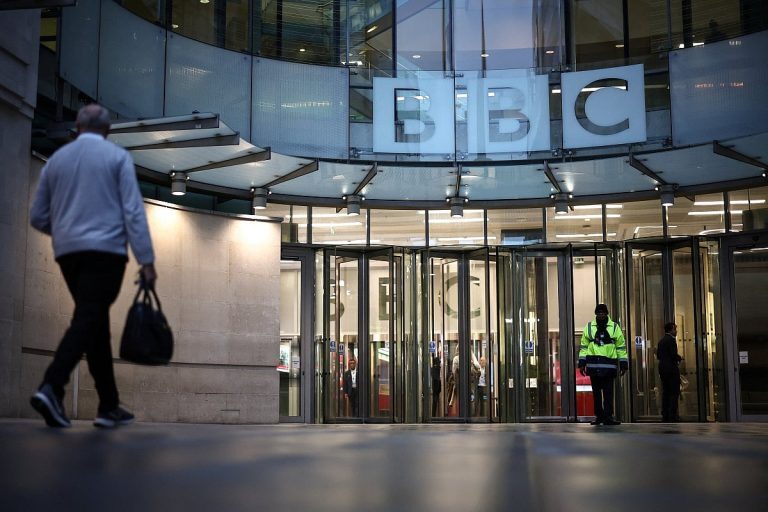
The BBC has been thrust into turmoil after Director-General Tim Davie and News CEO Deborah Turness resigned over a scandal involving the mis-editing of a Donald Trump speech, an incident that has reignited debate over the broadcaster’s impartiality and credibility.
The controversy centers on a Panorama documentary that spliced sections of Trump’s January 6, 2021 address, omitting his call for supporters to demonstrate “peacefully and patriotically” while highlighting his more combative remarks to “fight like hell” and march to the Capitol. The edit, critics say, falsely implied that Trump directly urged violence.
BBC Chairman Samir Shah issued a public apology, describing the broadcast as an “error of judgment” that fell short of the corporation’s standards. In his resignation letter, Davie said he accepted “ultimate responsibility” for the failure but defended the BBC as “a precious institution that remains globally respected.”
Turness, who also stepped down, said the controversy had “reached a point where it risks damaging the BBC — an organization I love and have served with pride.”

‘Systematic breaches’ of impartiality guidelines
The fallout has prompted sharp political reactions in both Britain and the United States. Trump’s campaign team accused the BBC of being “100 percent fake news” and a “propaganda machine,” citing the doctored video as proof of what it called “mainstream media manipulation.”
The resignations come amid wider criticism that the BBC has lost its reputation for neutrality, with ongoing disputes over its coverage of the Israel–Hamas war and British domestic politics. A leaked internal memo from a former editorial adviser alleged “systemic breaches” of impartiality guidelines, adding fuel to the crisis.
Media analysts say the episode has deepened public skepticism toward an institution once viewed as the gold standard of global journalism. “The BBC’s greatest asset has always been trust,” said media scholar Dr. Eleanor Wright. “Once that’s eroded, rebuilding it becomes far harder than any structural reform.”
As the broadcaster approaches its next Royal Charter renewal in 2027 — a review that will determine its funding and public remit — the crisis is seen as a defining test of whether the BBC can restore confidence, enforce accountability and reclaim its place as one of the world’s most trusted news organizations.

Davie and Turness resign
Tim Davie, who resigned as BBC Director-General in 2025, had led the corporation since 2020 through one of its most turbulent modern eras. A long-time BBC executive and former head of BBC Studios, Davie was widely regarded as a pragmatic and commercially minded leader.
During his tenure, he oversaw the organization’s digital transformation and cost-cutting drives, while navigating political pressure from both the British government and critics who accused the BBC of bias. His resignation, following the doctored Trump video controversy, marks the end of a leadership defined by both modernization and deepening questions over editorial integrity.
Deborah Turness, the outgoing BBC News and Current Affairs Chief Executive, brought with her decades of experience in broadcast journalism. Before joining the BBC in 2022, she was CEO of ITN and previously headed NBC News International in the United States, where she earned a reputation for decisive leadership and newsroom reform.
Turness was tasked with rebuilding trust in BBC journalism after a string of editorial missteps — a mission that became increasingly difficult amid growing political polarization and social media scrutiny. Her departure, alongside Davie’s, underscores the scale of the crisis gripping the broadcaster.
Both Davie and Turness were seen as reformers committed to balancing the BBC’s public service mandate. However, their exit highlights the enduring challenges the organization faces — from declining audience trust and political scrutiny to the growing influence of misinformation online. Their resignations have prompted calls for a comprehensive overhaul of the BBC’s editorial practices and governance structures, as the corporation confronts a defining moment for its credibility and future relevance.

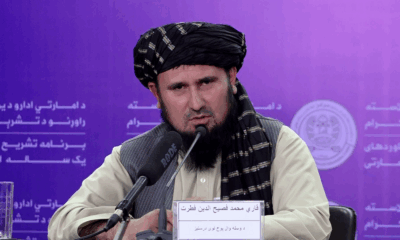



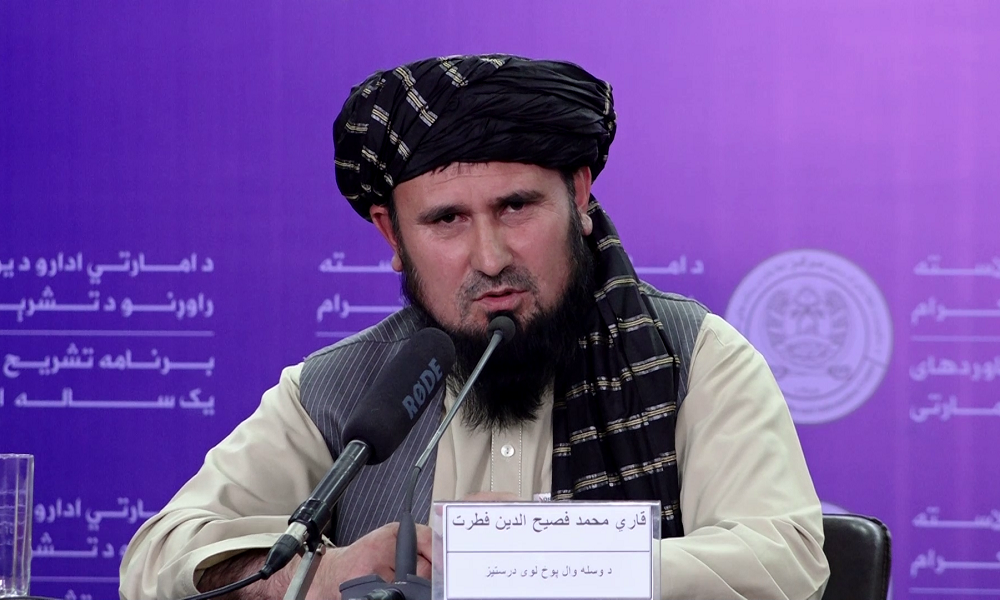
Afghanistan’s Chief of Armed Forces, Fasihuddin Fitrat, said in his Eid message that Pakistan’s military regime has violated the ceasefire along the Durand line.
According to the Eid message released by the Ministry of Defense, several civilians were killed in attacks carried out by Pakistani forces in border areas.
Fitrat added that the continuation of Pakistan’s attacks despite the ceasefire “demonstrates a lack of commitment and deception” on the part of the country.
He stressed that the Islamic Emirate has refrained from retaliatory action in order to prevent further deterioration of the situation and has remained committed to the ceasefire.
However, he warned that if such attacks are repeated, “the ceasefire will become meaningless,” and the Islamic Emirate will deliver a “decisive response” to Pakistan’s actions.
It is worth noting that the Islamic Emirate and Pakistan reached a temporary ceasefire on the occasion of Eid al-Fitr through mediation by Qatar, Turkey, and Saudi Arabia.
Latest News
Security Sources: Pakistani military shelling in Kunar and Nuristan leaves female doctor dead
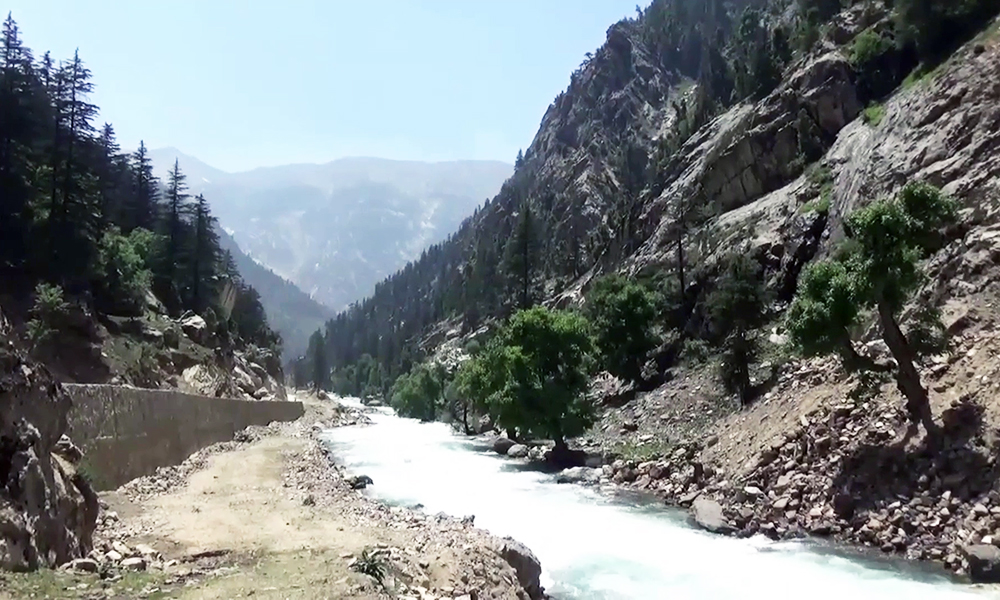
The sources said the vehicle was struck by gunfire and subsequently fell into the Kunar River.
Security sources report that several security incidents in the eastern provinces of Kunar and Nuristan have resulted in the death of a female doctor, injuries to others, and several people reported missing.
According to the sources, early Thursday morning at around 9:30 a.m., Pakistani military forces opened fire on a Toyota vehicle in the Dokalam Baghcha area of Nari district in Kunar province.
The sources said the vehicle was struck by gunfire and subsequently fell into the Kunar River. As a result of the incident, a female doctor was killed and another person was injured. Five other individuals who were reportedly in the vehicle remain missing, the sources added.
In a separate incident, security sources stated that around 11:00 a.m. in the Seno area of Shultan district, Kunar province, Pakistani forces carried out artillery shelling that left one person injured. The injured individual was transferred to the provincial hospital for medical treatment.
Meanwhile, security sources in Nuristan say that despite Pakistan’s announced ceasefire, the main road between Kamdesh and Barg-e-Matal districts has been completely closed to traffic since Thursday morning.
According to the sources, the closure of the route has caused serious difficulties for local residents, preventing any movement in the area. The sources also claim that Pakistani military posts are located within close proximity of the road and have opened fire on people attempting to pass through the area.
Latest News
UN Secretary-General condemns Pakistani airstrike on Kabul rehab center
Meanwhile, a spokesperson for the Iranian Ministry of Foreign Affairs expressed concern over rising tensions between Afghanistan and Pakistan, stressing the importance of diplomacy to resolve conflicts.
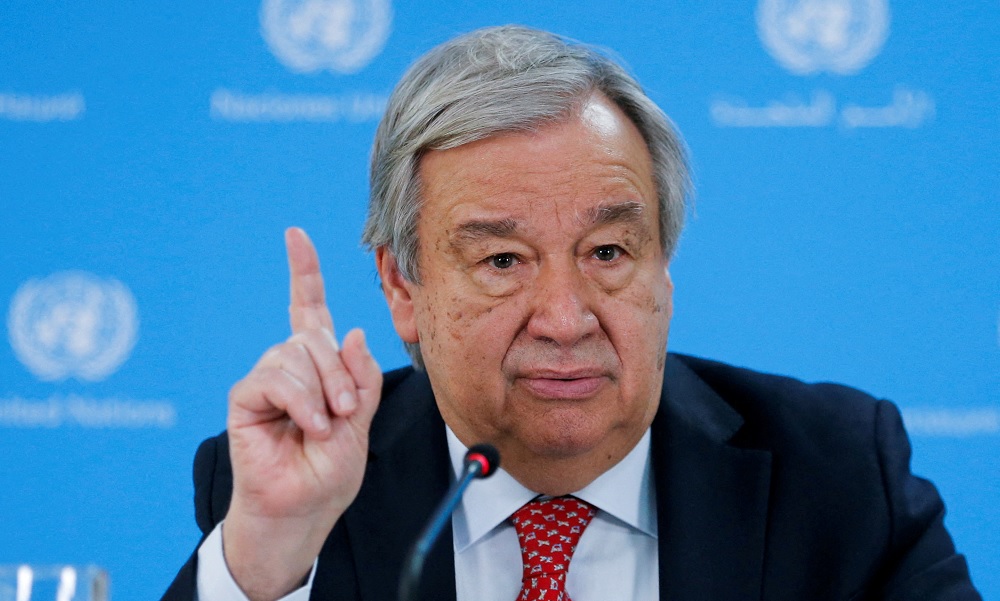
The United Nations Secretary-General has strongly condemned a Pakistani airstrike on a rehabilitation center for addicts in Kabul and expressed condolences to the families of the victims.
The attack, which occurred on March 16, reportedly left over 600 people killed or injured, according to local sources.
In an official statement, Antonio Guterres, UN Secretary-General, emphasized that under international humanitarian law, patients, medical staff, and healthcare facilities, including hospitals, must be respected and protected at all times.
Farhan Haq, Deputy Spokesperson for the UN Secretary-General, stated: “The Secretary-General strongly condemns the airstrike in Kabul, the capital of Afghanistan, on March 16, which reportedly resulted in the deaths and injuries of civilians at a medical facility.”
Haq added that Guterres has called for an independent and impartial investigation into the incident, while offering his deepest condolences to the families of the victims and wishing a speedy recovery for the injured.
The Secretary-General reiterated the urgent need to reduce tensions and immediately halt hostilities between Afghanistan and Pakistan, emphasizing that disputes should be resolved through dialogue and peaceful solutions in accordance with the UN Charter.
Meanwhile, a spokesperson for the Iranian Ministry of Foreign Affairs expressed concern over rising tensions between Afghanistan and Pakistan, stressing the importance of diplomacy to resolve conflicts.
This development comes after Afghanistan and Pakistan announced a temporary cessation of hostilities ahead of Eid al-Fitr, a move that regional officials hope will pave the way for a lasting ceasefire and ensure the protection of civilians in both countries.


FIFA sanctions Israeli Football Association over discrimination violations

IEA defense ministry accuses Pakistan of ceasefire violations

Israel launches new wave of attacks on Iran as regional crisis deepens

Tahawol: Temporary ceasefire draws broad support

Security Sources: Pakistani military shelling in Kunar and Nuristan leaves female doctor dead

Pakistani military jet downed in Afghanistan’s Jalalabad, pilot captured alive

Afghan Air Force conducts airstrikes in Islamabad, other cities

Afghanistan’s Chief of Armed Forces underscores readiness and equipment for national defense

Afghanistan welcomes investment and technology partnerships with India

Prominent Muslim scholar issues fatwa calling for Afghanistan-Pakistan ceasefire
Tahawol: Temporary ceasefire draws broad support

Saar: Emphasis on resolving conflicts through diplomacy

Tahawol: Global reactions to Pakistan’s recent attacks discussed

Saar: Consequences of Pakistani airstrikes on Afghans discussed

Tahawol: Pakistan’s new attacks on Kabul hospital discussed
-
 Latest News4 days ago
IEA Supreme Leader issues Eid-ul-Fitr message urging unity and support for Islamic system
-
 Latest News5 days ago
Regional criticism grows amid Pakistan strikes inside Afghanistan
-
 Latest News5 days ago
Afghan airstrike targets a military camp in South Waziristan
-

 Business4 days ago
Turkmenistan, Afghanistan discuss steps to speed up land acquisition for TAPI pipeline
-
 Sport5 days ago
IPL 2026 kicks off in under two weeks; Afghan players set to shine
-

 Business5 days ago
Afghanistan expands exports through Lapis Lazuli Corridor
-
 Latest News2 days ago
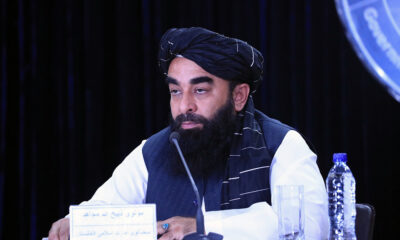
IEA announces temporary pause in defensive operations against Pakistan for Eid
-
 Sport3 days ago
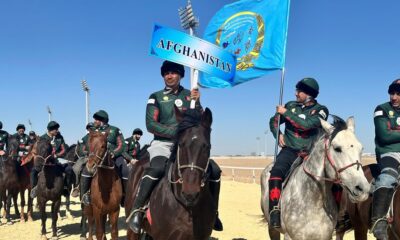
Afghanistan national buzkashi team defeats Hungary 14–0