
Latest News
BBC chiefs quit amid Trump video scandal and mounting credibility crisis

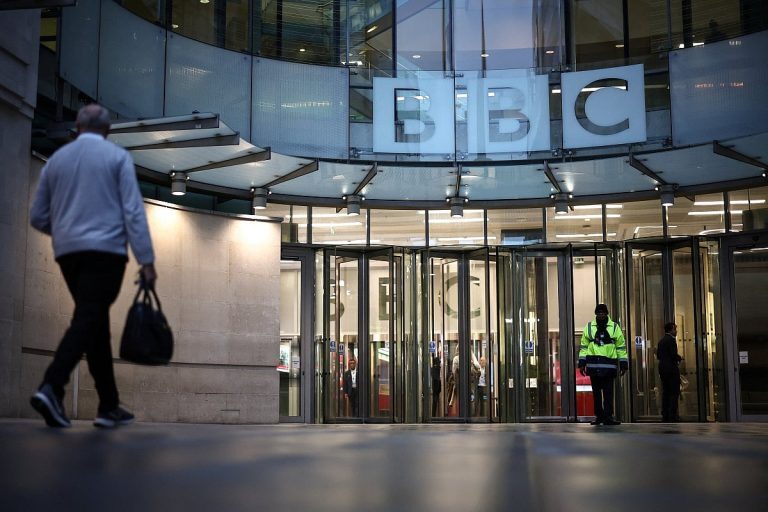
The BBC has been thrust into turmoil after Director-General Tim Davie and News CEO Deborah Turness resigned over a scandal involving the mis-editing of a Donald Trump speech, an incident that has reignited debate over the broadcaster’s impartiality and credibility.
The controversy centers on a Panorama documentary that spliced sections of Trump’s January 6, 2021 address, omitting his call for supporters to demonstrate “peacefully and patriotically” while highlighting his more combative remarks to “fight like hell” and march to the Capitol. The edit, critics say, falsely implied that Trump directly urged violence.
BBC Chairman Samir Shah issued a public apology, describing the broadcast as an “error of judgment” that fell short of the corporation’s standards. In his resignation letter, Davie said he accepted “ultimate responsibility” for the failure but defended the BBC as “a precious institution that remains globally respected.”
Turness, who also stepped down, said the controversy had “reached a point where it risks damaging the BBC — an organization I love and have served with pride.”
‘Systematic breaches’ of impartiality guidelines
The fallout has prompted sharp political reactions in both Britain and the United States. Trump’s campaign team accused the BBC of being “100 percent fake news” and a “propaganda machine,” citing the doctored video as proof of what it called “mainstream media manipulation.”
The resignations come amid wider criticism that the BBC has lost its reputation for neutrality, with ongoing disputes over its coverage of the Israel–Hamas war and British domestic politics. A leaked internal memo from a former editorial adviser alleged “systemic breaches” of impartiality guidelines, adding fuel to the crisis.
Media analysts say the episode has deepened public skepticism toward an institution once viewed as the gold standard of global journalism. “The BBC’s greatest asset has always been trust,” said media scholar Dr. Eleanor Wright. “Once that’s eroded, rebuilding it becomes far harder than any structural reform.”
As the broadcaster approaches its next Royal Charter renewal in 2027 — a review that will determine its funding and public remit — the crisis is seen as a defining test of whether the BBC can restore confidence, enforce accountability and reclaim its place as one of the world’s most trusted news organizations.
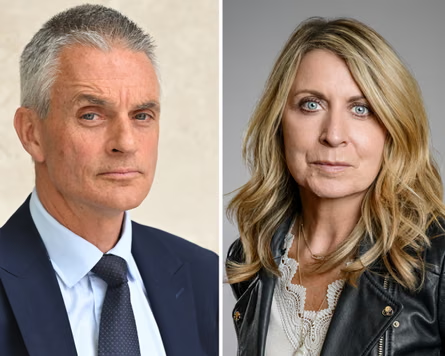
Davie and Turness resign
Tim Davie, who resigned as BBC Director-General in 2025, had led the corporation since 2020 through one of its most turbulent modern eras. A long-time BBC executive and former head of BBC Studios, Davie was widely regarded as a pragmatic and commercially minded leader.
During his tenure, he oversaw the organization’s digital transformation and cost-cutting drives, while navigating political pressure from both the British government and critics who accused the BBC of bias. His resignation, following the doctored Trump video controversy, marks the end of a leadership defined by both modernization and deepening questions over editorial integrity.
Deborah Turness, the outgoing BBC News and Current Affairs Chief Executive, brought with her decades of experience in broadcast journalism. Before joining the BBC in 2022, she was CEO of ITN and previously headed NBC News International in the United States, where she earned a reputation for decisive leadership and newsroom reform.
Turness was tasked with rebuilding trust in BBC journalism after a string of editorial missteps — a mission that became increasingly difficult amid growing political polarization and social media scrutiny. Her departure, alongside Davie’s, underscores the scale of the crisis gripping the broadcaster.
Both Davie and Turness were seen as reformers committed to balancing the BBC’s public service mandate. However, their exit highlights the enduring challenges the organization faces — from declining audience trust and political scrutiny to the growing influence of misinformation online. Their resignations have prompted calls for a comprehensive overhaul of the BBC’s editorial practices and governance structures, as the corporation confronts a defining moment for its credibility and future relevance.







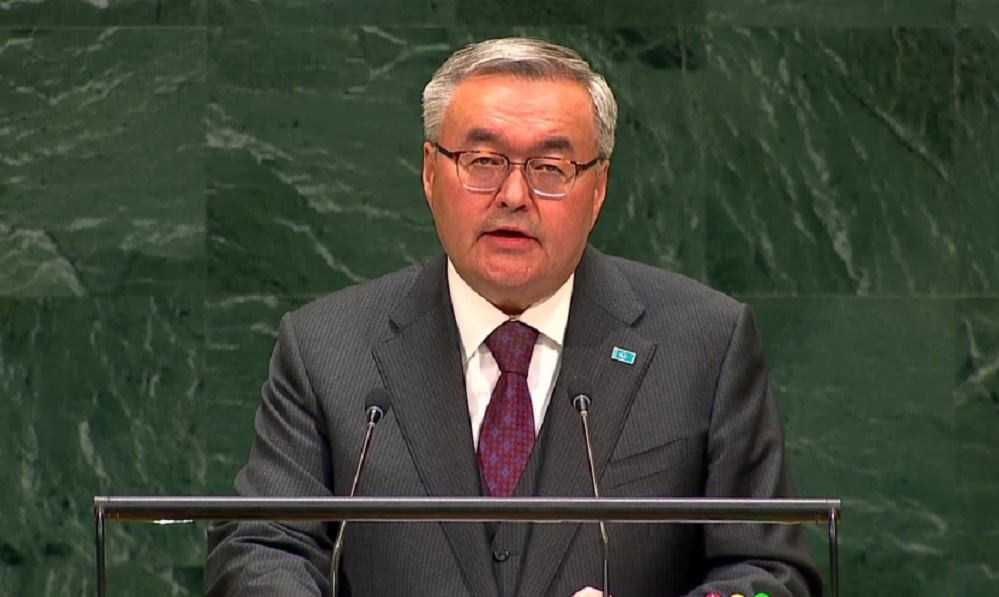
Kazakhstan’s Foreign Minister Mukhtar Tileuberdi has called for pragmatic and coordinated international engagement with Afghanistan, saying the country’s long-term stability is closely linked to the security and sustainable development of Central Asia.
Speaking during the general debate of the 81st session of the United Nations General Assembly in New York on Friday, Tileuberdi said humanitarian assistance to Afghanistan remains essential but alone cannot break the cycle of poverty, displacement and dependency.
He said Kazakhstan supports a “pragmatic, coordinated and step-by-step” approach to international engagement with Afghanistan, with the United Nations playing a central role.
Tileuberdi also said Kazakhstan is working with the UN to operationalize the United Nations Regional Centre for the Sustainable Development Goals for Central Asia and Afghanistan in Almaty.
He said the success of the centre should be measured by the results and assistance it delivers to the region.


Abu Muslim Farah defeat Khurasan Faryab 2-0 in ACL season six

Saar: Concerns over Pakistan’s political crisis discussed

Afghanistan Champions League: Omar Zawak Herat beat Toofan Herat 1-0

Blast in Pakistan’s Dera Ismail Khan kills 11, injures 30

Ariana Afghan Airlines increases Kabul-Delhi cargo flights

Saudi energy group signs major Afghanistan deals covering gas exploration and pipeline plans

Trump floats idea of renaming Atlantic or Pacific Ocean

US hits Egyptian bank branches with Iran sanctions as war marks six months

Nepal flood rescue mission enters critical phase as thousands remain missing

Iranian clubs to face Gulf opponents at neutral venues in Asian Champions League Elite
Saar: Concerns over Pakistan’s political crisis discussed

Exclusive interview with Abdul Latif Mansoor, Minister of MRRD

Tawsia: Overview of Afghanistan’s iron mines

Tahawol: Discussion on fresh Pakistani airstrikes on Afghanistan

Saar: Calls for international support for Afghanistan discussed
-

 World5 days ago
CNN, MS NOW and Politico sue Trump, challenging White House ban
-

 Latest News3 days ago
Ariana Afghan Airlines ranks seventh among 45 Central Asian airlines
-

 Latest News5 days ago
UN reiterates call for respect for international law after Kunar airstrikes
-

 Regional4 days ago
US and Iran hold first talks since June after Trump’s ‘annihilation’ threat
-

 Latest News3 days ago
Silk Road highway in Wakhan corridor now reaches the China border
-

 Latest News5 days ago
Afghan Official: Pakistan’s airstrikes will not go unanswered
-
 Regional5 days ago
G7 foreign ministers call on Iran to stop arming Houthis
-

 Regional3 days ago
Iran airlines cancel flights as US sanctions hit