
Latest News
CENTCOM chief ‘developing concepts’ to deal with ‘terrorists’

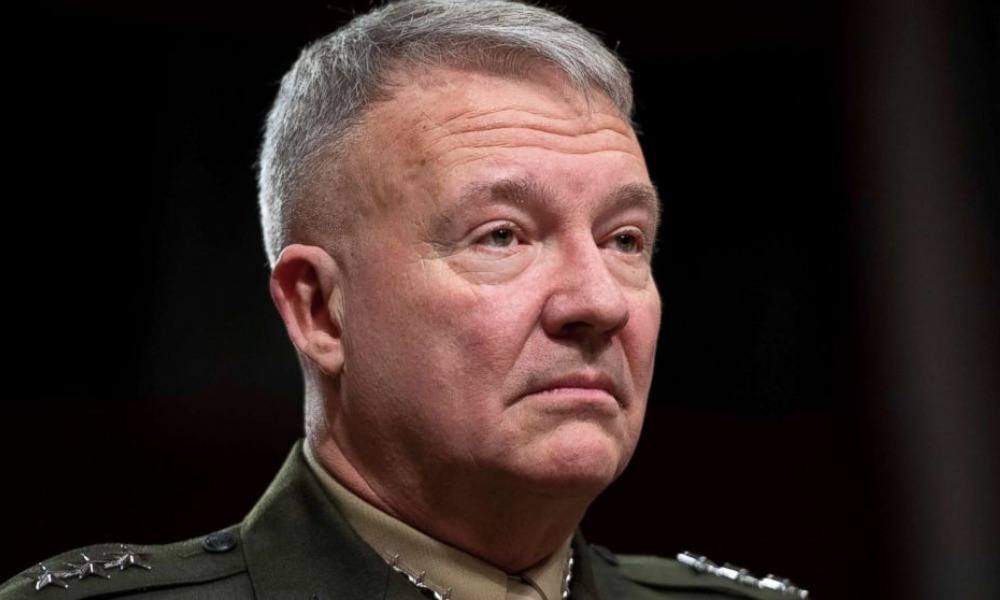
Commander of US Central Command General Kenneth F. McKenzie said on Tuesday he is developing concepts that will preserve the US’s ability to ensure Afghanistan does not again become a safe haven for terrorist attacks against the United States.
He said these concepts will help enhance America’s “ability to strike terrorists and capitalize on partnerships elsewhere in the region.”
He said his headquarters is also working closely with that of U.S Forces Afghanistan and the NATO-led Resolute Support mission “to ensure that we withdraw our forces from Afghanistan in a deliberate synchronized manner that protects our personnel.
He said the U.S will continue to provide security assistance to the Afghan National Defense and Security Forces on a bilateral basis.
“The department [of defense] is working through how we will manage this effort without personnel in Afghanistan, to manage security assistance, we’re also steadfastly supporting ongoing diplomatic efforts to resolve Afghanistan’s long war while holding the Taliban to their part of the February 2020 commitment that they will end their relationship with al-Qaeda and prevent the use of Afghanistan by any group or individual against the security of the United States and its allies,” he said.
McKenzie’s comments coincided with a US Senate Foreign Relation Committee hearing on Tuesday, which saw lawmakers raise concerns about the future of Afghanistan post troop withdrawal.
“How we withdraw and what political arrangement is left in our wake matters deeply,” US Senate Foreign Relations Committee Chairman Bob Menendez said.
“If the Taliban were to come back to power, the reality for Afghanistan’s women and girls, I think, would be devastating.”
Menendez said that he doesn’t “believe under any circumstances that the United States Senate will support assistance for Afghanistan, especially under the World Bank’s program which provides budget support, if the Taliban has taken a governing role that ends civil society advances and rolls back women’s rights.”
But US peace envoy Zalmay Khalilzad said any future support of a government that included the Taliban would be conditional.
“If they do want US assistance, they want international acceptance … those things will be all affected by how they treat their own citizens, first and foremost the women of Afghanistan, children and minorities,” Khalilzad said at the hearing.
“We should all remain concerned that those rights could suffer,” he said.
Asked if the US would keep any leverage to protect those rights once its troops are gone, Khalilzad said aid and other types of diplomatic support “would be not available if they did not respect the human rights of Afghan women or others.”
Senator Jim Risch said the US military withdrawal should proceed only with safeguards for the gains the US has made in Afghanistan.
“I have deep concerns about the administration’s rush for the exits in Afghanistan,” Risch said.
“I hope I’m wrong, but I’m concerned that the administration’s decision may result in a Taliban offensive that topples the government.”
But Khalilzad said that he doesn’t “believe the (Afghan) government is going to collapse or the Taliban is going to take over.”
“The choice that the Afghans face is between a negotiated political settlement or a long war,” he added.




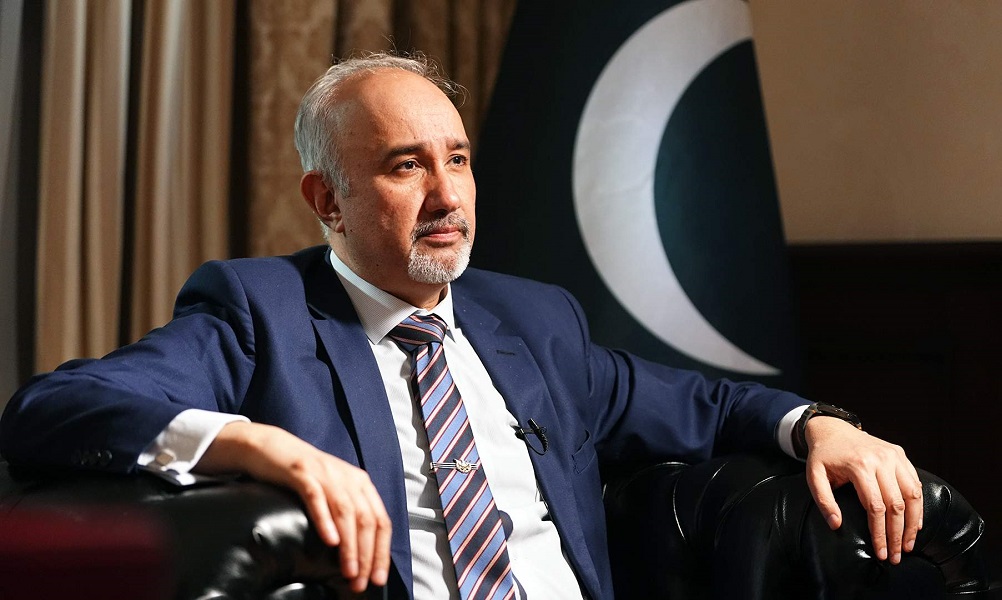
Pakistan’s ambassador to Russia, Faisal Niaz Tirmizi, has confirmed that Islamabad has asked Moscow to mediate in the ongoing conflict with Afghanistan.
In an interview with Russian daily Izvestia, Tirmizi said Pakistan is engaging with Russia and appreciates the “wonderful offer” to help resolve tensions. He noted that proposals from Russia, China, Qatar, Turkey, and Saudi Arabia led to an agreement on a temporary ceasefire.
“We tell all our interlocutors: please tell the Taliban (IEA) not to use this opportunity simply to regroup, recuperate, rearm, and re-attack,” Tirmizi said. “Because such large states as Russia or Pakistan cannot be destabilized by terrorist acts.”
The ambassador emphasized that decades of war in Afghanistan have affected not only Kabul and Islamabad but also neighboring countries, including Iran, Tajikistan, Turkmenistan, Uzbekistan, and even Russia. “Therefore, we must all trade with each other, develop education, art, and culture. Terrorism is the wrong way to go,” he added.
The appeal for mediation comes amid rising cross-Durand Line tensions and violence that have killed hundreds and displaced thousands in recent weeks.
Pakistani officials have repeatedly claimed that militant attacks in the country are organized in Afghanistan.
The IEA however denies the claim saying that Afghanistan is not responsible for Pakistan’s “security failure.”
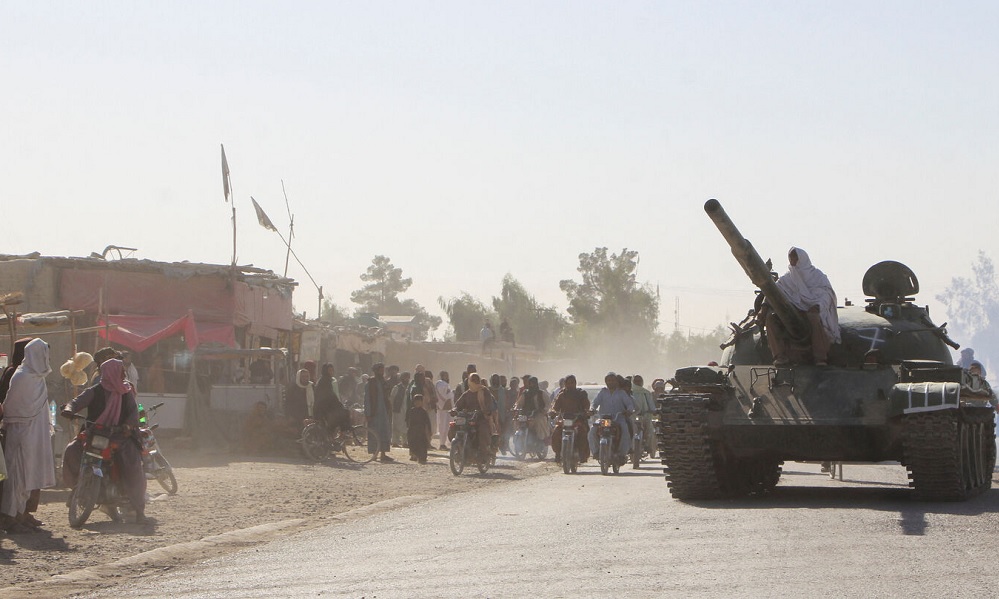
In an opinion article published on Sunday, Financial Times warned that rising tensions between Afghanistan and Pakistan risk spiraling into a wider conflict, and urged the international community to urgently re-engage with the troubled region.
The publication noted that nearly five years after the Islamic Emirate’s return to power, global attention has largely faded, despite growing instability. It highlighted restrictions on women’s rights and the worsening relationship between Kabul and Islamabad, once close allies.
According to the article, Pakistan’s ties with the IEA have sharply deteriorated since 2021. Islamabad accuses Afghan authorities of harboring militant groups responsible for attacks inside Pakistan—an allegation the IEA denies.
Recent weeks have seen a surge in violence, including cross-Durand Line airstrikes and clashes that have reportedly killed over 1,000 people and displaced more than 100,000. One of the deadliest incidents involved an airstrike on a drug rehabilitation center in Kabul, which Afghan officials say killed hundreds.
The newspaper warned that continued escalation could destabilize South and Central Asia and risk turning Afghanistan into a hub for militant activity once again.
It criticized Pakistan’s military approach, saying airstrikes alone cannot end insurgencies, and called for sustained ceasefire efforts following a temporary truce during Eid al-Fitr.
The editorial urged major powers, including the United States and China, to play a more active diplomatic role. It also pointed to China’s strategic interests in the region and suggested Beijing could step forward as a mediator.
Despite past failed attempts at peace, the Financial Times stressed that the risks are too high for the world to remain disengaged.


Trump backs down on strikes on Iran’s power network, says US and Tehran holding talks

Iran says coastal attack will lead to full Gulf closure and mine-laying

Afghanistan expresses condolences after deadly helicopter crash in Qatar

IPL 2026: Ishan Kishan named Sunrisers’ interim captain ahead of opening clash

Pakistan seeks Russian mediation to resolve Afghanistan tensions

Pakistani military jet downed in Afghanistan’s Jalalabad, pilot captured alive

Afghan Air Force conducts airstrikes in Islamabad, other cities

Prominent Muslim scholar issues fatwa calling for Afghanistan-Pakistan ceasefire

Afghan air force strikes key Pakistani military installations in retaliatory operation

IEA: Special circle in Pakistan has launched mission to destabilize region

Tahawol: Possibility of US ground forces entering Iran war discussed

Saar: Using US prisoners as political pressure

Tahawol: Pakistan’s efforts to destabilise Afghanistan

Saar: Decline in international assistance to Afghanistan

Tawsia: Assessment of Afghanistan’s economic activities in 1404
-
 Latest News5 days ago
IEA announces temporary pause in defensive operations against Pakistan for Eid
-
 Latest News4 days ago
Pakistani shelling hits Kunar districts despite ‘pause in hostility’ over Eid
-
 Sport3 days ago
Afghanistan national buzkashi falls short in Kokpar World Championship semifinals
-
 Regional4 days ago
Pakistan among top nuclear threats to America, US intelligence chief tells senate
-

 Latest News5 days ago
UNAMA puts death toll from Pakistan’s attack on Kabul’s Omid Hospital at 143
-
 Latest News4 days ago
Peshawar High Court grants bail to 68 detained Afghan nationals, including minors
-

 Sport2 days ago
Ireland to host Afghanistan for ODI series in August
-
 World4 days ago
US weighs troop deployment as Iran war enters new phase