
Latest News
German Bundestag: No option but to engage in dialogue with IEA

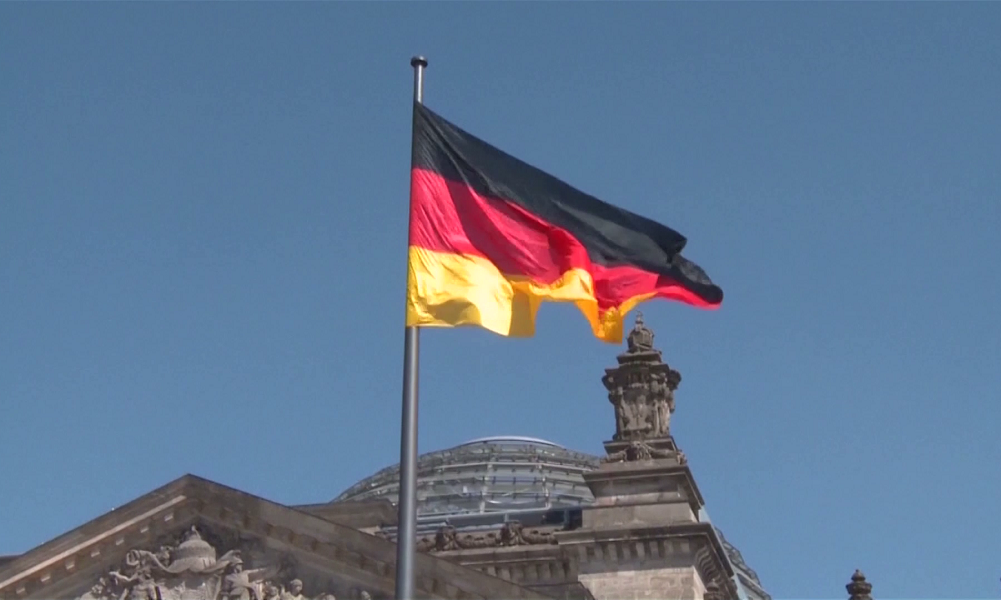
German Bundestag says there is no alternative but to engage in dialogue with the caretaker government of Afghanistan. In a report, the committee emphasized that although reopening the German embassy in Kabul is not necessary, it is important for Berlin to stay informed about the current situation in Afghanistan.
Michael Müller, the head of the committee, stated: “There is no way to avoid dialogue with the Taliban (Islamic Emirate). However, of course, we do not want to become complicit with this regime.”
The Islamic Emirate, however, recognizes the need for interaction with other countries and has stated that Afghanistan seeks positive relations with all countries, including Germany.
IEA’s spokesman Zabihullah Mujahid stated that Germany is one of the countries that has had historical and trustworthy relations with Afghanistan, and there is a need to revive these relations.
“The Islamic Emirate of Afghanistan wants good relations with all countries, including Germany. Germany is a country that has had long-standing and trustworthy relations with Afghanistan. The Islamic Emirate wishes to restore these relations and for the two countries, as independent states, to have positive interactions,” said Mujahid.
Meanwhile, some experts have stated that if IEA accepts the demands of the international community, Afghanistan’s rightful place in the region and the world will be restored.
The establishment of an inclusive government, respect for human rights, especially women’s rights, the fight against terrorist groups, and ensuring that Afghan soil shouldn’t be used to launch attacks on other countries are among the key conditions set by the international community for the recognition of the current government of Afghanistan. According to the international community, these are issues that have not yet been fully addressed by the caretaker government.
IEA, however, has consistently asserted that it has upheld the rights of Afghan women in accordance with Islamic law and has pledged that Afghan soil will never be used to harm other countries.
While Afghanistan maintains diplomatic relations with 38 countries, none of these countries has yet recognized the political structure of the Islamic Emirate.



The Ministry of Foreign Affairs of the Islamic Emirate of Afghanistan announced on Tuesday the release of American citizen Dennis Coyle from prison.
According to the ministry, Coyle’s mother had written to the leader of the Islamic Emirate demanding amnesty and the release of her son on the occasion of Eid. The Supreme Court considered time served sufficient and decided to release him.
The Ministry of Foreign Affairs stated that this action was carried out on the basis of humanitarianism and good faith, and it believes that such measures can strengthen trust between countries. The ministry also expressed hope that both countries, in the future, can find solutions to remaining issues through mutual understanding and constructive dialogue.
The Islamic Emirate also expressed appreciation for the cooperation of the United Arab Emirates in this matter.
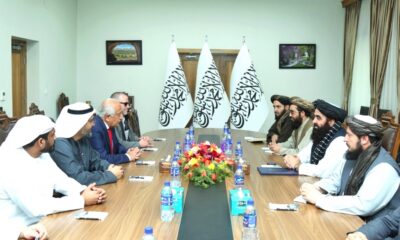
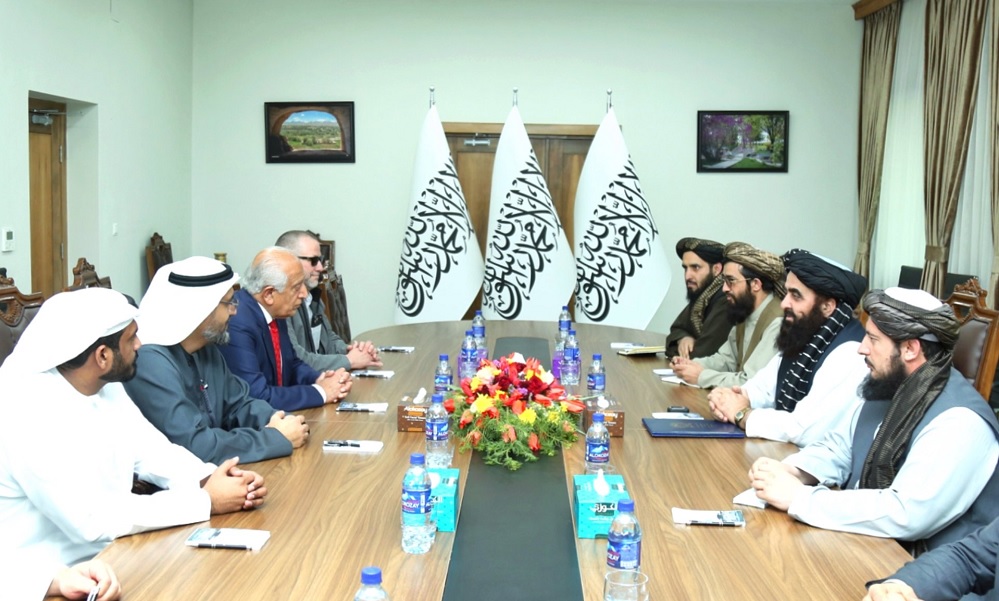
Separately, for Coyle’s release, an American delegation, including Zalmay Khalilzad, former U.S. Special Representative for Afghanistan, met on Tuesday with Amir Khan Muttaqi, the Foreign Minister of the Islamic Emirate.
The meeting was also attended by Saif Mohammed Al-Ketbi, Ambassador of the UAE in Kabul, and a member of the prisoner’s family.
According to the Ministry of Foreign Affairs, Muttaqi stated that the Islamic Emirate has not detained any citizen of any country to achieve political objectives; rather, detentions were the result of legal violations, and individuals were released after completing judicial procedures.
At the meeting, Khalilzad praised the action of the Islamic Emirate and emphasized the importance of continuing discussions on all issues between the two countries, expressing hope for further progress in the future.
Muttaqi also stressed that Kabul and the UAE should provide standard consular services to their citizens, and that the Afghan government is fully prepared in this regard.
He thanked Sheikh Mohamed bin Zayed Al Nahyan, President of the UAE, for their constructive role in facilitating the release of the prisoner and referred to the UAE as a close friend of Afghanistan.
Earlier, Muttaqi had also praised the role of the State of Qatar in facilitating information exchange between the Islamic Emirate and the prisoner’s family.
Additionally, the UAE ambassador expressed his country’s readiness to play a role in humanitarian institutions and called such developments beneficial for everyone.

The United Kingdom has announced an additional £3 million (AFN 257 million) in humanitarian assistance to Afghanistan, aimed at supporting people affected by natural disasters and other shocks.
Richard Lindsay, in a post on X, said the funding will be used to provide essential nutrition supplies and related support to vulnerable populations.
The new allocation brings the UK’s total bilateral assistance to Afghanistan for the current financial year to £154 million (AFN 13.18 billion).
Latest News
Around 2.3 million tourists visited Afghanistan’s recreational areas during Eid: Ghufran
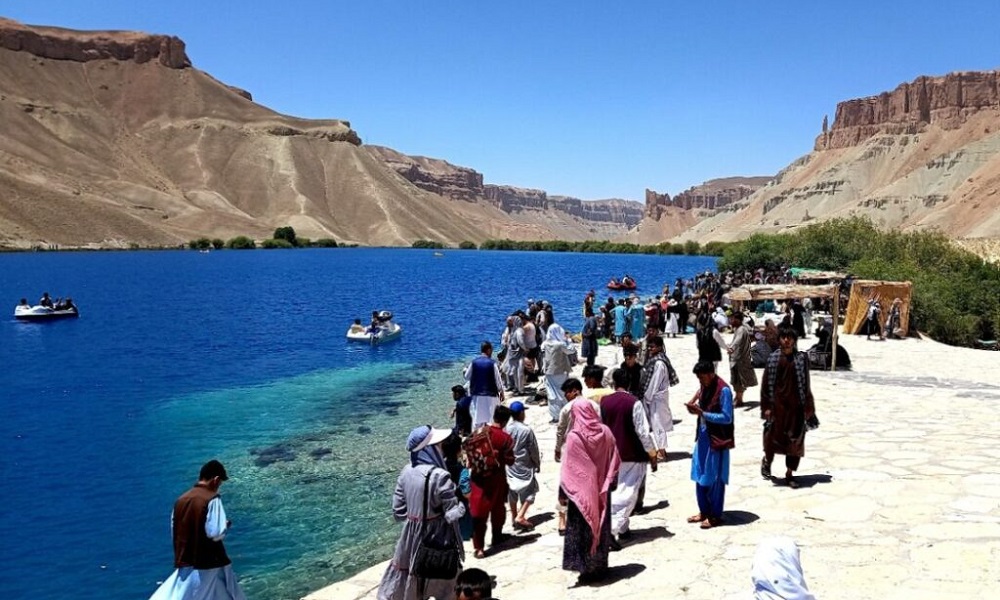
Khubaib Ghufran, spokesperson for the Ministry of Information and Culture, announced on Tuesday that over Eid al-Fitr holidays approximately 2.3 million domestic and foreign tourists visited the country’s recreational areas and natural attractions.
Ghufran said this level of tourist presence shows a significant increase compared to previous years and indicates growth and strengthening of the tourism sector.
Meanwhile, officials from the ministry’s departments, while emphasizing public cooperation in preserving the environment, maintaining cleanliness in public places, and protecting tourist attractions, stated that through extensive cooperation and efforts by security institutions, tourists were able to travel to different parts of the country with full confidence during the Eid holidays.
According to Ghufran, the Ministry of Information and Culture is working to develop and strengthen the tourism sector across the country and to provide more facilities and conveniences for tourists.
However, some tourists who traveled to various provinces praised the order, security, and hospitality of the people. They said that all provinces of Afghanistan have always been beautiful, but this year, with the current level of security and tourism facilities, their trips have become even more memorable.


Islamic Emirate releases American prisoner Dennis Coyle

UK announces additional £3 million in aid for vulnerable people in Afghanistan

Around 2.3 million tourists visited Afghanistan’s recreational areas during Eid: Ghufran

Berlin does not recognize IEA envoy as charge d’affaires of Afghan embassy

US allies in Middle East ‘edging closer’ to joining conflict

Pakistani military jet downed in Afghanistan’s Jalalabad, pilot captured alive

Afghan Air Force conducts airstrikes in Islamabad, other cities

Prominent Muslim scholar issues fatwa calling for Afghanistan-Pakistan ceasefire

Afghan air force strikes key Pakistani military installations in retaliatory operation

IEA: Special circle in Pakistan has launched mission to destabilize region

Tahawol: Possibility of US ground forces entering Iran war discussed

Saar: Using US prisoners as political pressure

Tahawol: Pakistan’s efforts to destabilise Afghanistan

Saar: Decline in international assistance to Afghanistan

Tawsia: Assessment of Afghanistan’s economic activities in 1404
-
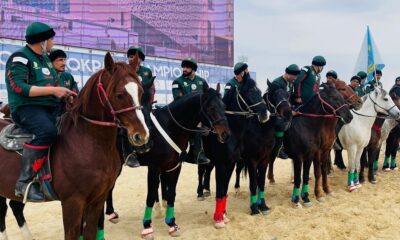
 Sport4 days ago
Afghanistan national buzkashi falls short in Kokpar World Championship semifinals
-
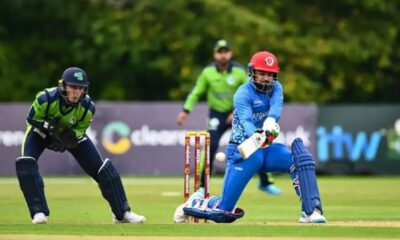
 Sport3 days ago
Ireland to host Afghanistan for ODI series in August
-
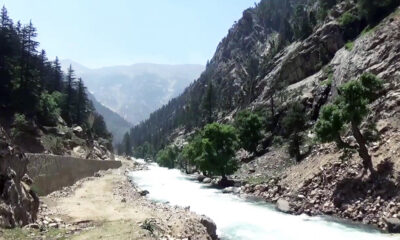
 Latest News5 days ago
Security Sources: Pakistani military shelling in Kunar and Nuristan leaves female doctor dead
-
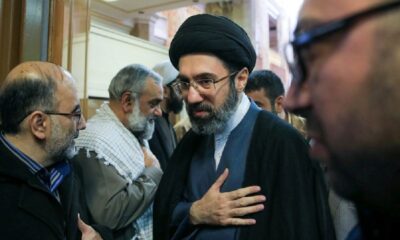
 Latest News3 days ago
Mojtaba Khamenei calls for improved Afghanistan–Pakistan relations, offers help
-

 Latest News2 days ago
Deadly violence likely without dialogue between Afghanistan and Pakistan: ICG
-

 Sport4 days ago
FIFA sanctions Israeli Football Association over discrimination violations
-
 Latest News3 days ago
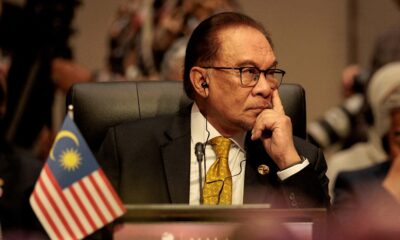
Malaysian PM welcomes temporary Afghanistan–Pakistan truce, urges lasting peace
-
 Latest News4 days ago
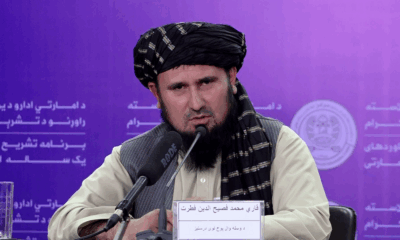
IEA defense ministry accuses Pakistan of ceasefire violations