
Latest News
Govt’s Negotiating Team Members: ‘We Are Not Aware of the Selection’

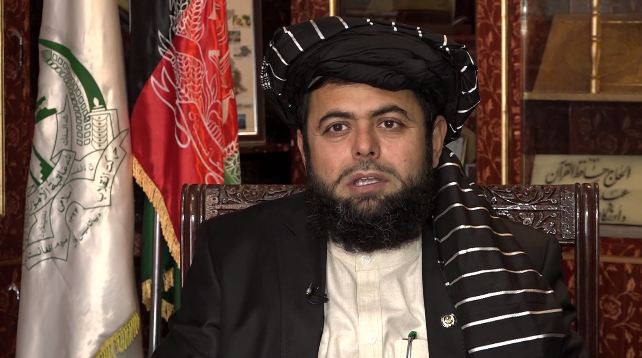
Some members of the government’s negotiating team for peace talks with the Taliban say they are not aware of their selection, insisting that the President’s Office has not consulted them in this regard yet.
It has been a week since the list of government’s 12-member negotiating team has been shared with the people.
The team includes: Ghani’s chief of staff Abdul Salam Rahimi, Mohammad Mirwais Balkhi, Minister of Education, Hasina Safi, Minister of Information and Culture, Abdul Tawab Balakarzai, Deputy Minister of Higher Education, Alema, Deputy Minister of Refugees and Repatriation, General Ebadullah Ebad, Deputy of National Directorate of Security, Shahgul Rezaee, Member of Wolesi Jirga, Attaullah Ludin, Member of Ulema Council, Shamim Katawazai, governor of Paktia province, Abdullah Attai, Member of Supreme Court, Tooryali Ghiasi, Director of Cultural Affairs, Ministry of Foreign Affairs and Abdul Hakim Muneeb, Deputy Minister of Haj and Religious Affairs
However, some members of the formulated team expressed “unawareness” regarding the issue.
“We have been included in the team, but we are not even aware of our selection so far,” said Abdul Munib who is also the head of Islamic Revolution Movement of Afghanistan. “We have not been consulted in this regard.”
The negotiating team was announced by President Ashraf Ghani on the second day of the two-day Geneva Conference where he also revealed the formation of a new advisory board.
The board is comprised of nine committees including Political Leaders Committee, Political Parties Committee, Youth Affairs Committee, Women’s Affairs Committee, Ulema Committee, Provincial Leaders Committee, Civil Society and Cultural Committee and Private Sector Committee and Refugees and Diaspora Committee.
However, some political parties said that the negotiating team should have been comprised of representatives from political parties, civil society, and tribal elders.
“Over the last 17 years, they [the Taliban] refuse to negotiate with the government. The team which has been introduced should have had representatives of political parties, civil society, and tribal elders,” said Abdul Satar Murad, a member of Jamiat-e-Islami party.
This comes as the Taliban has rejected the government’s negotiating team and insisted on having direct talks with the United States.


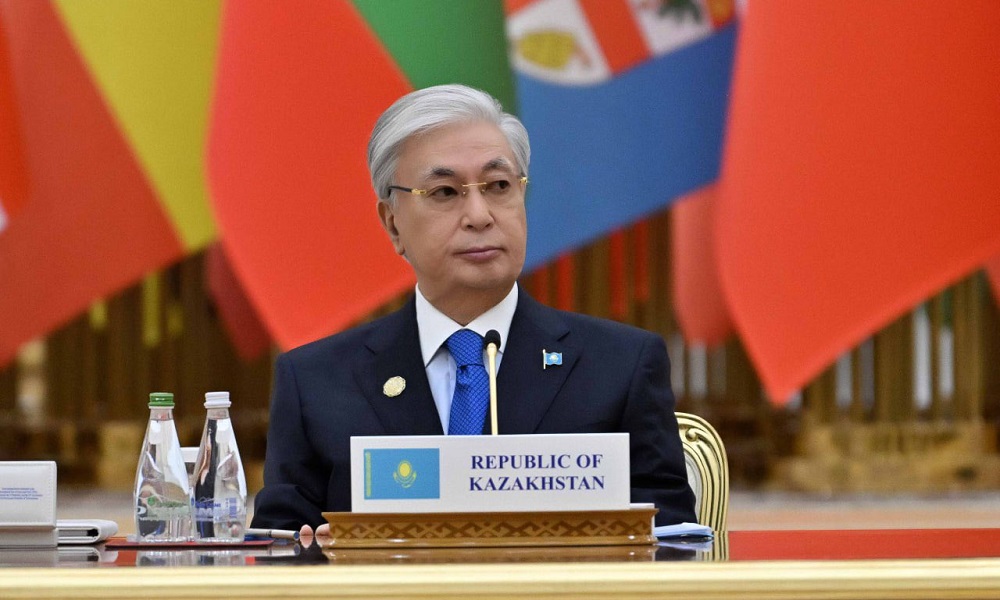
Kazakhstan’s President Kassym-Jomart Tokayev has emphasized the continuation of humanitarian assistance to Afghanistan, stating that the ongoing provision of such aid plays an important role in ensuring regional security.
Speaking at the international conference “Peace and Trust” in Ashgabat, the capital of Turkmenistan, Tokayev described addressing complex humanitarian challenges and the reconstruction of Afghanistan as a necessity.
“To ensure regional security, we consider it essential to continue providing assistance to Afghanistan, including by strengthening international efforts to address complex humanitarian issues and the reconstruction of this country. Kazakhstan remains committed to supporting the people of Afghanistan through humanitarian aid, educational projects, trade development, and food security initiatives,” he said.
Meanwhile, experts believe that sustainable improvement of the humanitarian situation in Afghanistan requires broad cooperation from the international community and support for the country’s economic development.
“Investment can be defined as one of the fundamental drivers of the economic cycle, and whenever Afghan traders do not take their money out of the country and instead invest domestically, it naturally leads to greater growth and dynamism in Afghanistan’s economy,” said Abdul Zahoor Modabber, an economic analyst.
As the humanitarian crisis in Afghanistan continues, reports by international relief organizations indicate that millions of citizens of the country are in urgent need of food, health, and livelihood assistance.
The reduction in funding for aid organizations, the impacts of climate change, and the return of migrants have increased concerns about a further deterioration of the humanitarian situation in the country.


US delivers second batch of Afghan Black Hawk helicopters to Peru

Two US soldiers and an interpreter killed in suspected Daesh attack in Syria

Police hunt for gunman who killed 2 Brown University students, injured 9 people

Saar: Iran’s regional meeting on Afghanistan discussed

ACL: Jawanan Perozi 1-0 Arman FC; Abu Muslim Farah 2-0 Sarsabz Yashlar

Pakistan will lose big market in both Afghanistan, Central Asia: Sarhadi

Afghanistan records $580m in fruit exports in six months

Tashkent: Central Asian leaders say regional stability hinges on Afghanistan

Afghan Abdalyan beat Sri Lanka A by 3 wickets in Rising Stars Asia Cup opener

Afghanistan U19 cricket team defeats India A U19
Saar: Iran’s regional meeting on Afghanistan discussed

Saar: Calls to avoid using Afghan soil against nations

Tahawol: UNSC meeting outcome regarding Afghanistan discussed

Saar: Ongoing Kabul–Islamabad tensions discussed

Tahawol: Pakistan’s warning on Afghanistan reiterated
-
 Latest News3 days ago
Muttaqi: Afghanistan’s progress requires both religious and modern education
-

 Sport5 days ago
ILT20: Desert Vipers edge Gulf Giants in historic super over thriller
-

 Regional5 days ago
Six Pakistani soldiers killed in TTP attack in Kurram District
-
 Business5 days ago
Trade bodies warn almost 11,000 Afghan transit containers stuck at Karachi port
-
 World5 days ago
Powerful 7.6 earthquake hits northern Japan, tsunami warnings issued
-

 Latest News4 days ago
Trump calls Afghanistan a ‘hellhole’ country as US expands immigration restrictions
-

 Sport4 days ago
Commanding wins for Arman FC and Sarsabz Yashlar in Afghanistan Champions League
-
 Latest News2 days ago
Dual-citizen Afghans don’t need a visa to enter the country: Foreign Ministry