
World
Hamas in talks with US about Gaza ceasefire and aid, says senior Palestinian official
The U.S. had previously held discussions with the Palestinian militant group on securing the release of U.S. hostages held in Gaza, read the report.

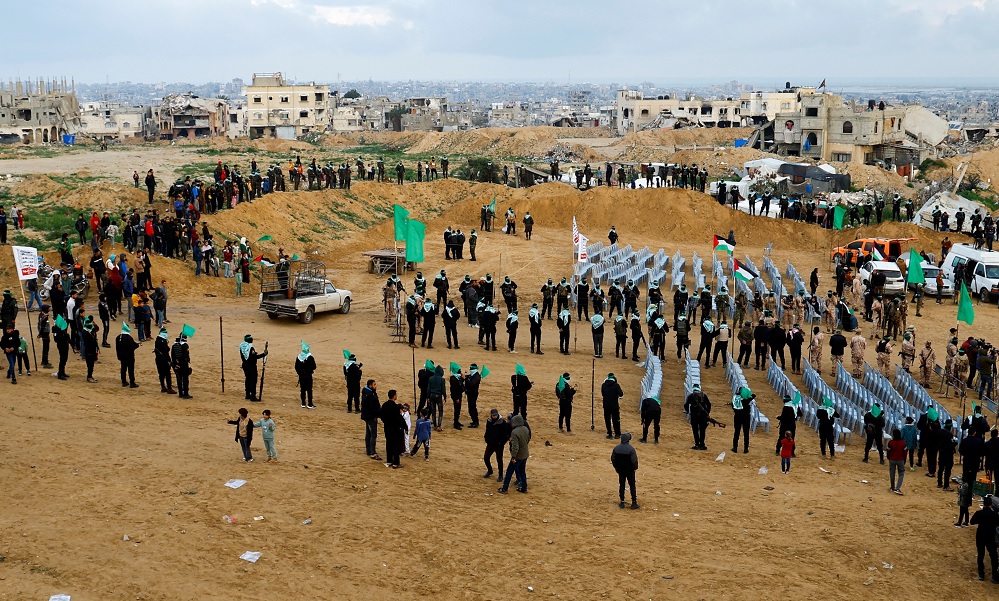
Talks between Hamas and the U.S. administration on a ceasefire in Gaza and the entry of humanitarian aid to the besieged enclave are underway, a senior Palestinian official familiar with the discussions told Reuters on Sunday.
U.S. President Donald Trump recently repeated a pledge to help get food to Palestinians in Gaza. A U.S.-backed mechanism for getting aid into Gaza should take effect soon, Washington’s envoy to Israel also said on Friday.
A State Department spokesperson said: “We cannot speak to ongoing negotiations, but I will note recent statements by Qatar and Egypt that they are continuing to engage in pursuit of an agreement.”
The spokesperson said that Hamas bore sole responsibility for the war as well as for the resumption of hostilities.
“President Trump has made clear the consequences Hamas will face if it continues to hold the hostages, including American Edan Alexander and the bodies of four Americans,” the spokesperson added.
The U.S. had previously held discussions with the Palestinian militant group on securing the release of U.S. hostages held in Gaza, read the report.
Israeli media reported on Sunday that Prime Minister Benjamin Netanyahu had told a closed session of the Foreign Affairs and Defense Committee that Hamas could soon release Alexander, an American-Israeli hostage, as a goodwill gesture towards Trump, who will visit this Middle East this week.
The prime minister’s office did not immediately respond to a request for comment on the reports.
Since March 2, Israel has cut off all supplies to the 2.3 million residents of Gaza, and food stockpiled during a ceasefire at the start of the year has all but run out.
On March 18, Israel effectively ended the January ceasefire agreement with Hamas and renewed its military campaign in Gaza, Reuters reported.
Hamas has said it is willing to free all remaining hostages seized by its gunmen in attacks on communities in southern Israel on October 7, 2023, and agree to a permanent ceasefire if Israel pulls out completely from Gaza.
Israel, vowing the war can only stop once Hamas is stamped out, has said it plans to expand its military campaign in Gaza, which has been devastated during the war and prompted warnings from the U.N. that the population faces imminent famine.
The October 2023 Hamas attacks killed 1,200 people, and 251 were taken hostage back to Gaza, according to Israeli tallies. Israel’s campaign has killed more than 52,800 Palestinians, mostly civilians, according to Hamas-run health authorities.

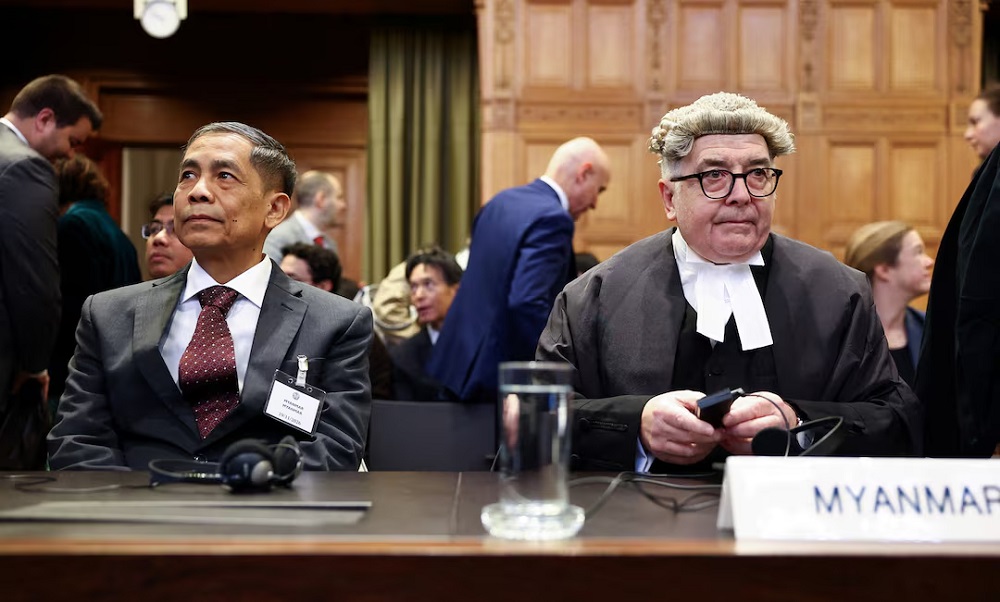
Myanmar’s security forces killed thousands of members of the Rohingya minority Muslim population and committed widespread sexual violence, judges at the World Court ruled on Thursday.
A reading of the verdict was ongoing, Reuters reported.
“The Court finds that Myanmar’s security forces killed thousands of Rohingya civilians, perpetrated widespread acts of sexual violence as well as acts of extreme violence against children and attacked fleeing Rohingya as they sought to flee in large numbers to Bangladesh,” the court said.
World
Islam forecast to soon exceed Christianity as world’s biggest faith
The study attributes the shift mostly to higher fertility rates in the Islamic world, averaging 3.1 children for each Muslim woman, compared with 2.5 children per Christian woman during the period 2020-2025.
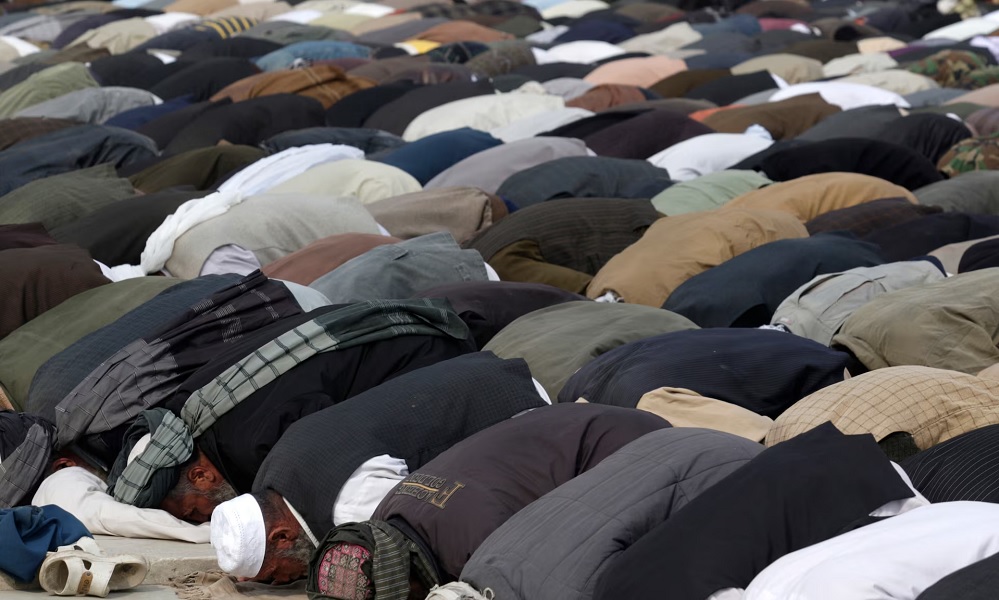
Islam is expected to surpass Christianity as the world’s biggest religion by the middle of the next decade as the birth rate among Muslims outpaces the number of babies born to women of any other faith, the Pew Research Center projected on Wednesday.
While Christianity has ranked as humanity’s largest religion for centuries, the global Muslim population has grown much faster and is forecast to reach 2.57 billion by 2035, compared with a projected tally of 2.52 billion Christians in that year, the Pew study found, Reuters reported.
If recent trends hold, Muslims will outnumber Christians 3.6 billion to 3 billion worldwide by 2070, and Islam will also then account for the largest portion of the global population – 37%, up from 26% in 2020, Pew said. Christianity, meanwhile, is expected to hold steady at around 29%, ranking No. 2 in global proportion.
The study attributes the shift mostly to higher fertility rates in the Islamic world, averaging 3.1 children for each Muslim woman, compared with 2.5 children per Christian woman during the period 2020-2025.
In all other religious categories combined, the birth rate in that period averaged 1.6 children per woman, below the minimum rate of 2.1 considered necessary for a generation to replace itself.
While natural population growth – births exceeding deaths – remains the biggest factor in the changing face of Muslim and Christian demographics, religious switching will also play a role, said Pew, a non-partisan, Washington-based think tank.
SWITCHING FAITHS
Based on past trends, according to Pew, both Islam and Christianity will lose more adherents from switching than they gain, but Muslims are expected to lose far fewer – 8 million between 2020 and 2070, compared with 105 million for Christians.
The world’s overall population is projected to increase 29% between 2020 and 2070, with Islam and Christianity the only two religious groups forecast to keep pace with or exceed that growth rate, expanding by 80% and 30%, respectively.
Hindus are growing in absolute numbers but are expected to shrink slightly as a share of the world’s population (13.6% in 2070), with Jews projected to follow a similar pattern (0.17% in 2070). Buddhists, meanwhile, are forecast to decline in numbers and as a percentage of global population (2.5% in 2070).
SMALLER FAITHS, NON-BELIEVERS
All other faiths combined – including Baha’is, Daoists, Jains, Sikhs and followers of various folk religions – are expected to see a modest rise in numbers, while collectively slipping below 2% of all humanity by 2070, according to Pew.
Moreover, people with no religious affiliation, a category that includes those identifying as atheist or agnostic, are expected to decline sharply as a proportion of the global whole, from 24% in 2020 to 17% in 2070, the study found.
The geographic distribution among religions is also shifting dramatically.
By 2070, for instance, Christianity will rank as the largest religion in the United States but not its majority faith, and the Democratic Republic of Congo will surpass the US as the country with the greatest concentration of Christians.
The numbers of religiously unaffiliated people will grow in most countries in the coming decades, but those increases will be entirely outweighed by the dwindling population forecast for China, where most of the world’s non-believers currently reside.
World
US floated idea of Ukraine ceding Donbas for NATO membership, Zelenskiy says
Zelenskiy reiterated his position that Kyiv was not ready to concede territory but said that if it received a comprehensive package including security guarantees, the right to a strong and well-funded Ukrainian army and funds to rebuild, he would put the question to a national referendum.
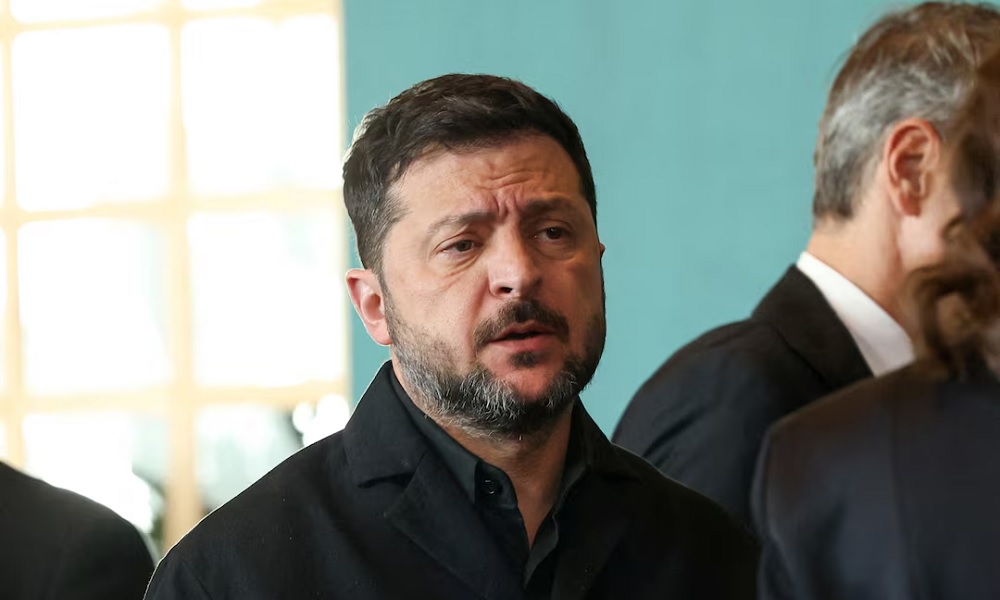
US negotiators have floated the idea of Ukraine’s potential withdrawal from its eastern region of Donbas in exchange for joining NATO, President Volodymyr Zelenskiy said, following the latest round of peace talks with Russia in Abu Dhabi.
This is the first time the question of linking NATO membership to territorial concessions has been raised during the talks, Zelenskiy said in remarks to reporters released by his office on Saturday, Reuters reported.
“The Americans raised a question: ‘What if Ukraine joins NATO? Would Ukraine withdraw from Donbas?” he said.
“That is why I believe NATO is back on the agenda. But you have also heard (Russian President Vladimir) Putin’s signals, and this is an extremely difficult conversation.”
Putin has long said Ukrainian membership of NATO is a red line for Moscow, citing the issue as one reason for launching Russia’s full-blown invasion in 2022.
Zelenskiy reiterated his position that Kyiv was not ready to concede territory but said that if it received a comprehensive package including security guarantees, the right to a strong and well-funded Ukrainian army and funds to rebuild, he would put the question to a national referendum.
‘THIS WAR MUST BE ENDED FIRST’
Echoing comments made by European leaders at a summit in Dublin on Friday, Zelenskiy dismissed Russia’s call for a broad agreement on European security architecture to be reached before the specifics are agreed on how to end the war in Ukraine.
“We cannot turn everything upside down and start by talking about changing the security framework in the world or across the continent overall, and only then talk about ending this war. This war must be ended first,” he said.
US President Donald Trump’s envoy and son-in-law Jared Kushner said on Saturday that the two sides had set out “maximalist positions” in the talks this week, but in private discussions both “understand that practical compromises will be necessary to end this war.”
“Serious and constructive work continues among those of us committed to finding solutions,” Kushner said in a social media post.
Zelenskiy also dismissed Putin’s suggestion for a local humanitarian ceasefire in Kostiantynivka, a hotly contested city in Ukraine’s eastern Donetsk region, saying it reflected Moscow’s inability to take the city by force. Civilians there have already had the opportunity to evacuate, he added.
“Putin simply wants us to leave Kostiantynivka so that they can move in and occupy the entire city that way,” he said.
Ukraine has given a list of seven or eight other frontline settlements where civilians, including children, are trapped for a potential humanitarian truce but Russia prefers to use them as military targets, Zelenskiy said.
Moscow denies deliberately targeting civilians in the war.
LARGE PRISONER EXCHANGE AGREED
The two days of US-brokered talks between Ukraine and Russia concluded on Wednesday in the Emirati capital without a major breakthrough, though the sides agreed to a prisoner exchange that will involve more than 1,000 people, Zelenskiy said.
The final numbers for the prisoner swap were still under discussion, he added.
Kushner and fellow US envoy Steve Witkoff had pledged to raise an energy ceasefire with Putin at a meeting in Moscow on Thursday, Zelenskiy said, but there was no news of any progress after their talks.
“Putin personally does not support a ceasefire,” he said.
Zelenskiy met Witkoff and Kushner on Thursday in Ireland after their talks in Moscow. He said the US negotiators had told him that all sides had agreed for Europe to have a seat at the negotiating table in forthcoming peace talks.
In Abu Dhabi, delegates from Europe — which is now Ukraine’s largest financial and military backer — had talks with US and Ukrainian officials but did not sit at the table with Russia.
At the summit in Ireland, EU leaders agreed that Europe’s team for any Ukraine peace talks would comprise five major military powers — non-EU member Britain plus France, Germany, Italy and Poland — as well as EU officials.
Kushner said the US focus was now on “facilitating direct engagement between Moscow and European partners and preparing the agenda for the next round of trilateral talks.”

World Court finds Myanmar forces killed thousands of Rohingya, ruling ongoing
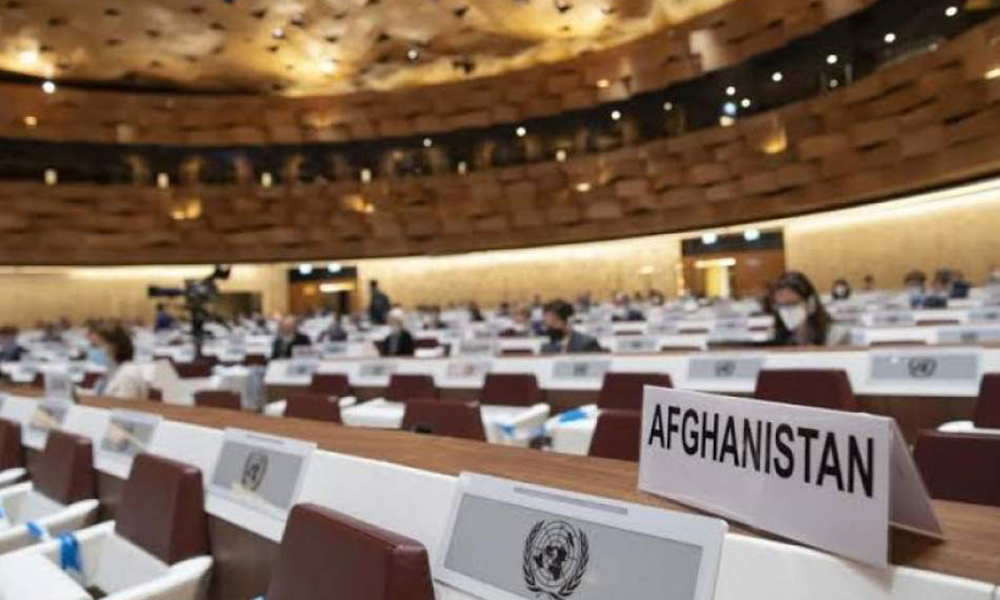
Afghanistan marks 80 years of UN membership amid ongoing dispute over representation

Afghanistan suffer 9-2 defeat to Iran in Beach Soccer Asian Cup opener

IEA rejects UN concerns over Daesh’s growing capabilities in Afghanistan

Four Afghan youths buried in Samangan after dying on migration route

Governments take websites offline as critical cyber flaws trigger global alert

Afghanistan’s new Wakhan road to China faces major hurdles
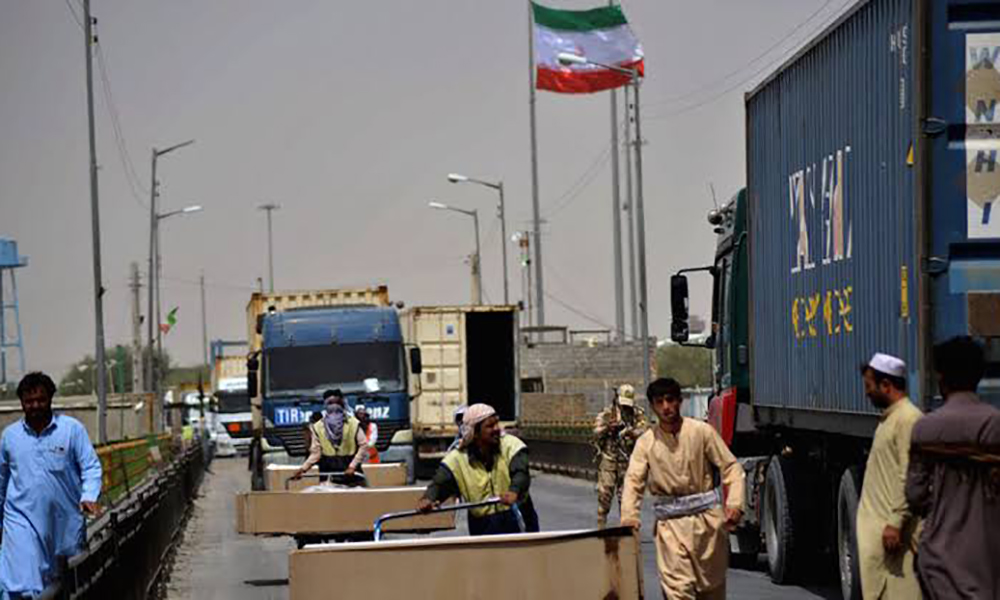
US sanctions and blockade measures disrupt Iran’s trade with Afghanistan and regional neighbors

Pakistan exporters suffer billions in losses as Afghanistan trade halt continues
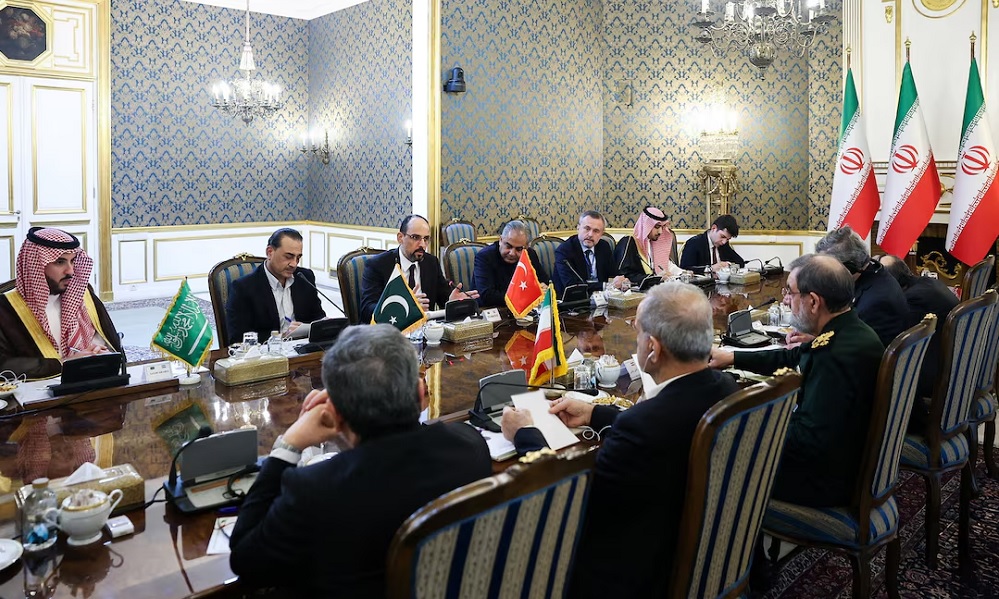
Saudi defence pact countries push for peace in Tehran as Houthis launch more attacks
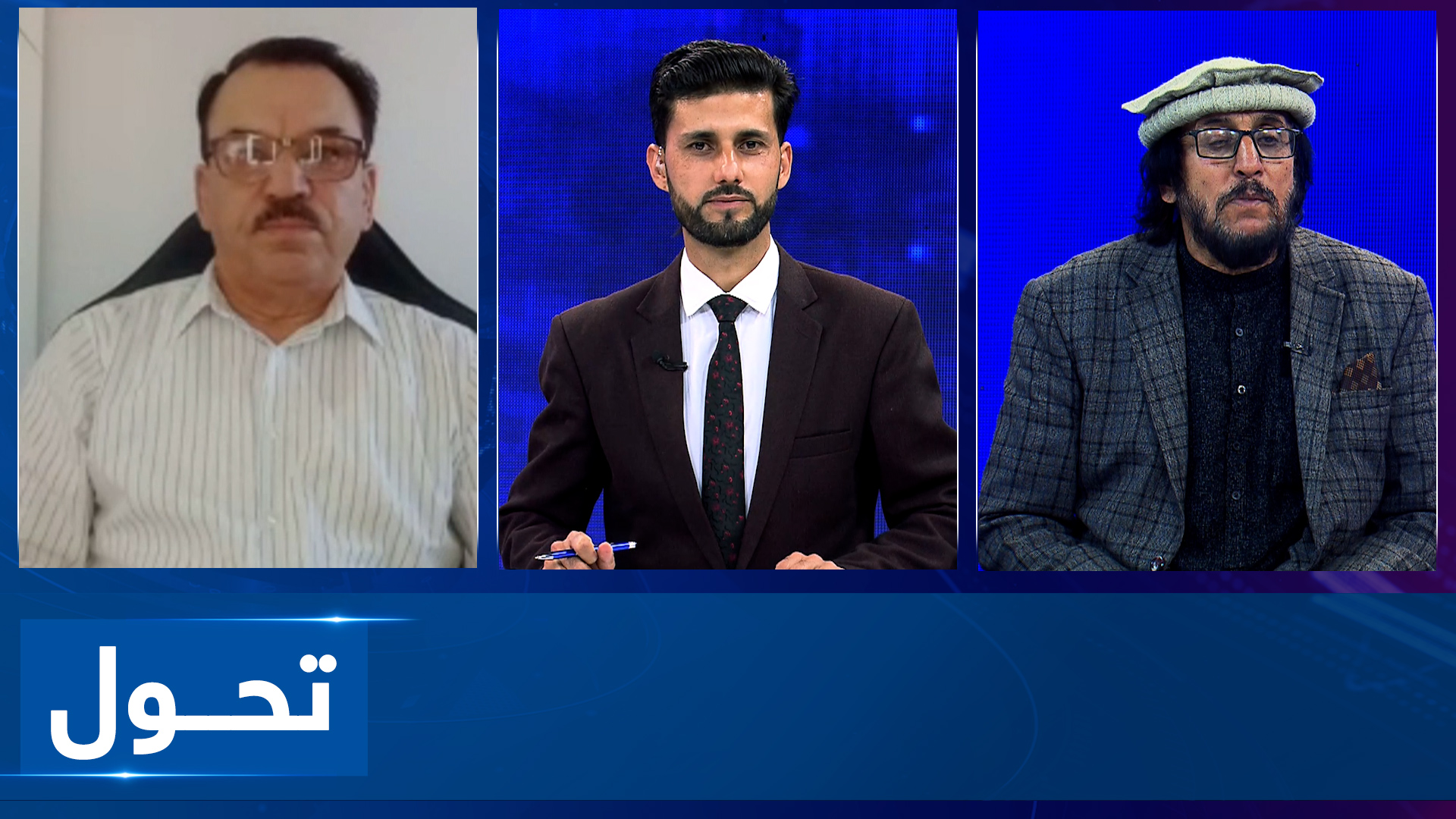
Tahawol: Qatar-UK consultations on Afghanistan discussed
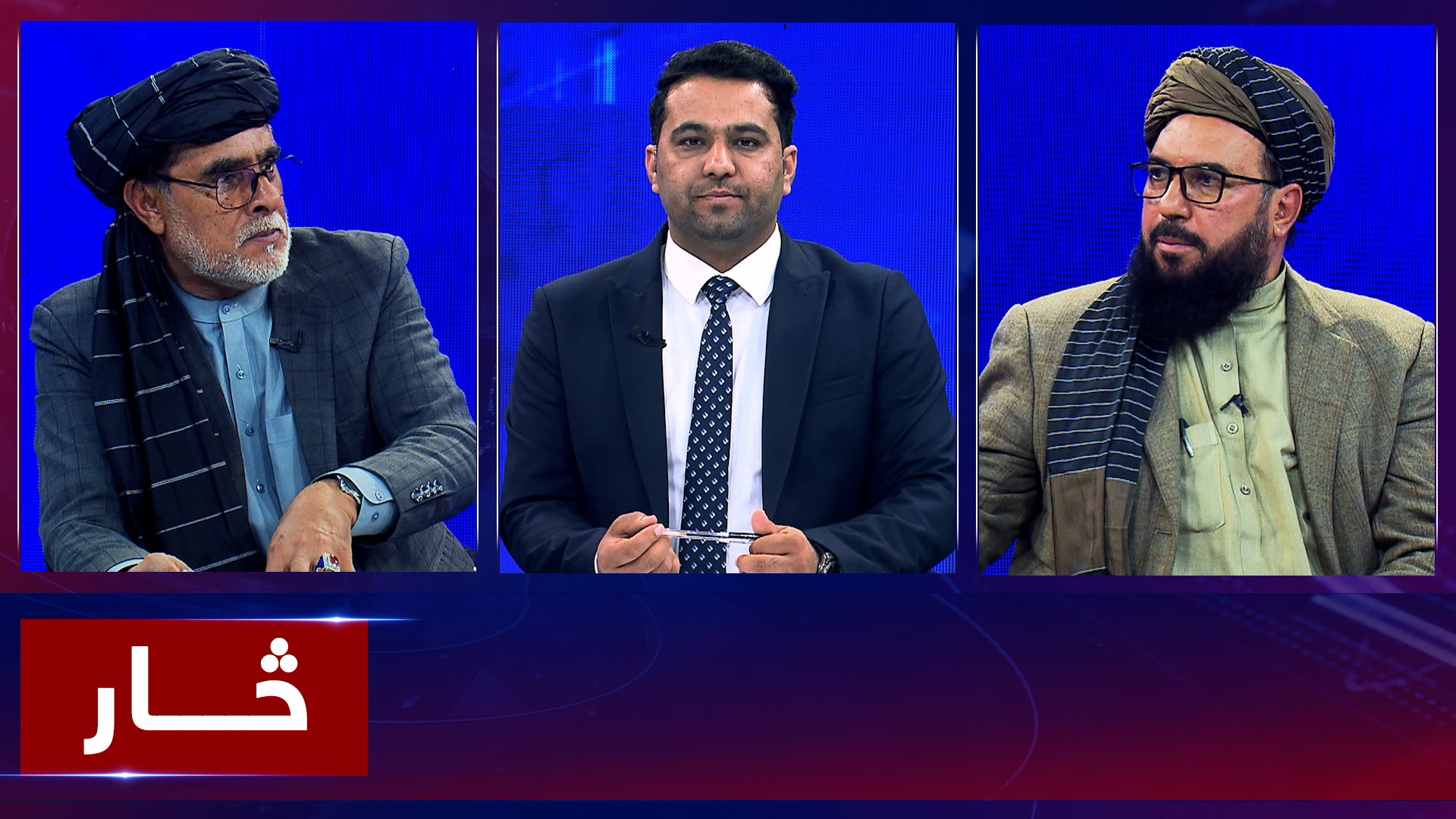
Saar: Efforts to deliver urgent humanitarian aid to needy Afghans
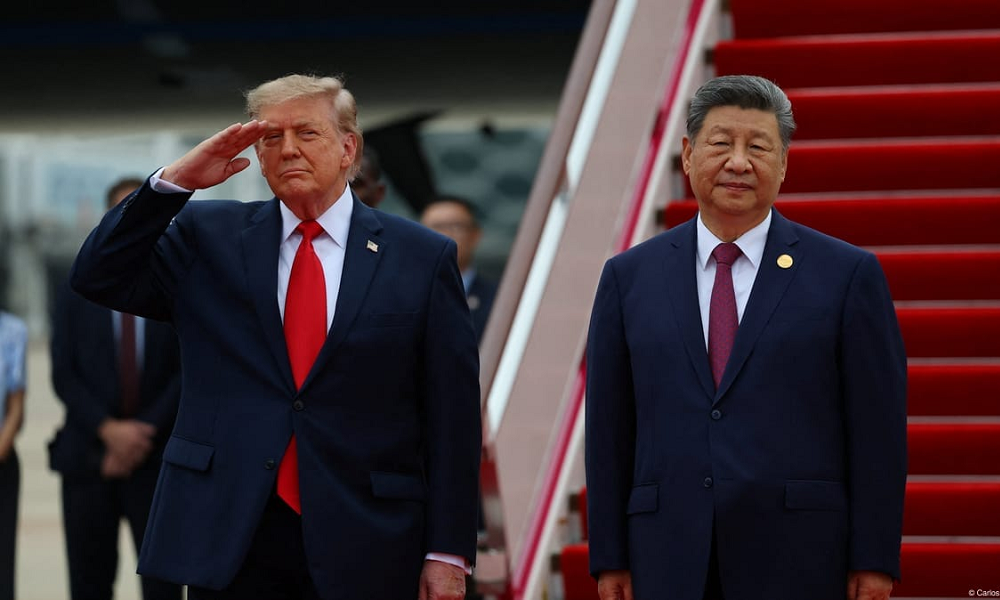
Xi welcomes Trump to China ahead of highly anticipated summit with Putin
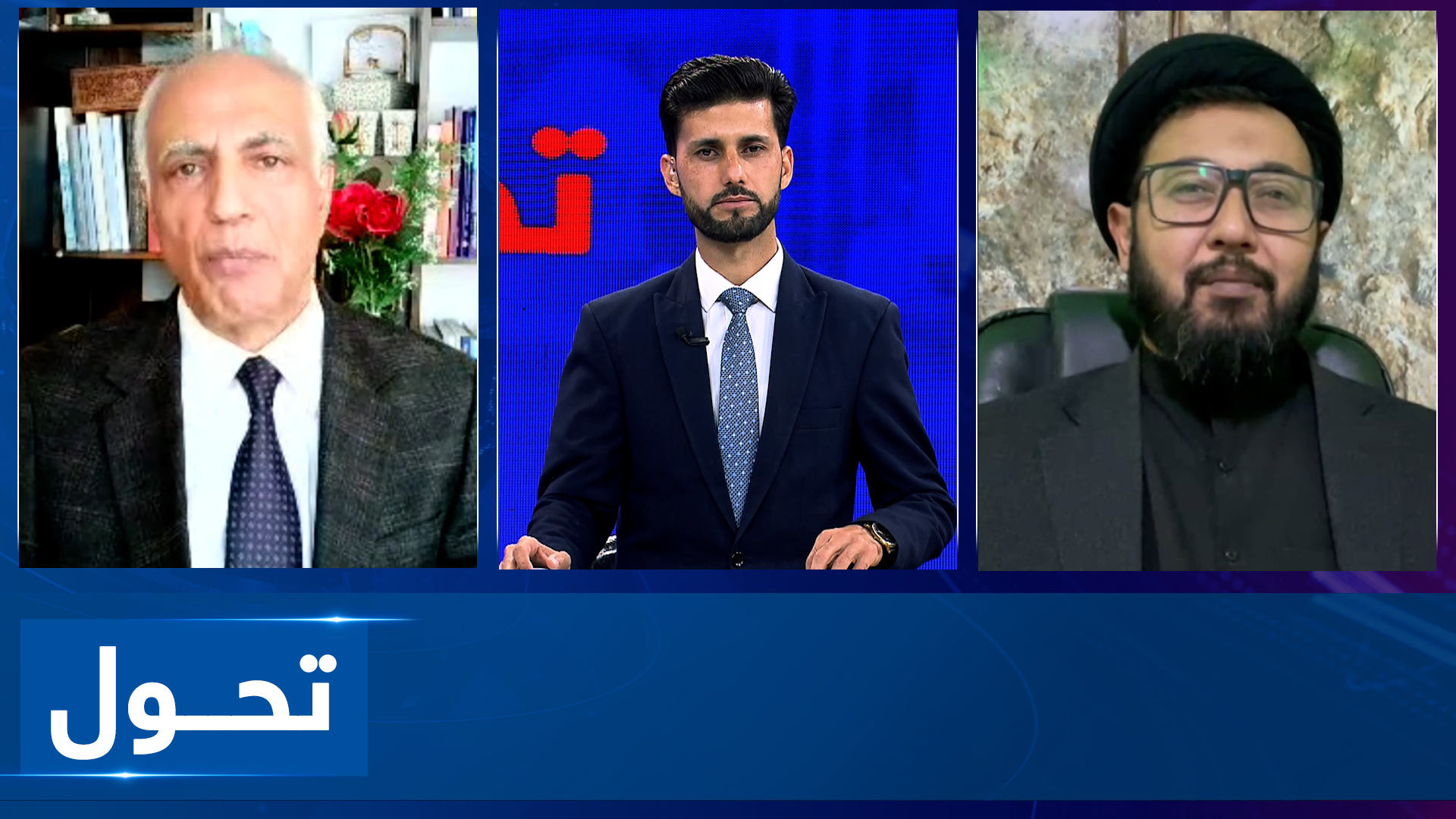
Tahawol: 80th anniversary of Afghanistan’s UN membership discussed
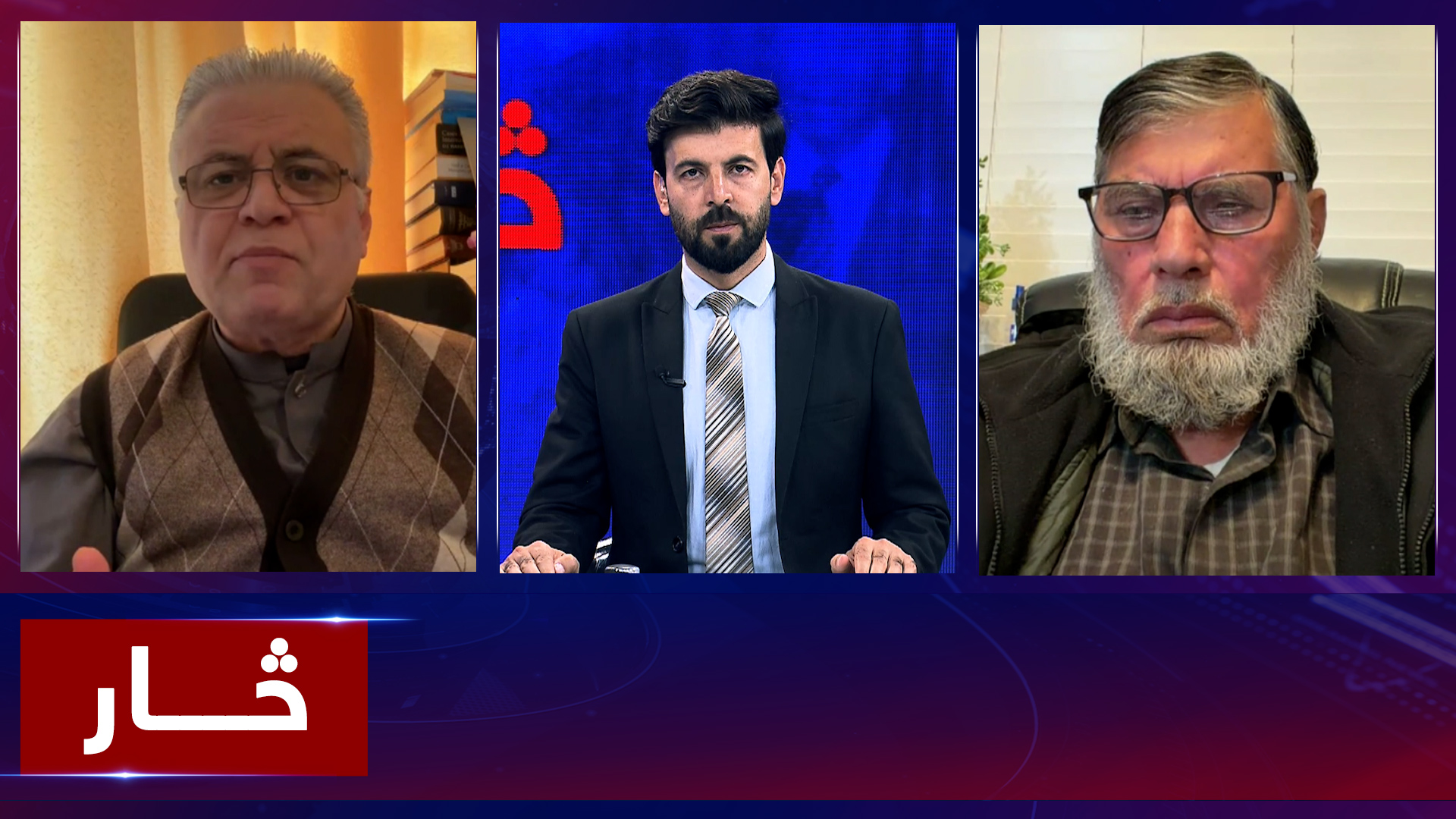
Saar: Europe’s shift toward engagement with the IEA discussed
-
 Sport4 days ago
ILT20 teams required to field at least two UAE and Afghanistan players in Season 5
-
 Sport4 days ago
Arman FC cruise to 5-0 victory over Istiqlal Kabul in ACL match
-
 Sport5 days ago
Afghanistan trail Zimbabwe by 180 runs at stumps on day two of second Test
-
World4 days ago
US floated idea of Ukraine ceding Donbas for NATO membership, Zelenskiy says
-
 Latest News5 days ago
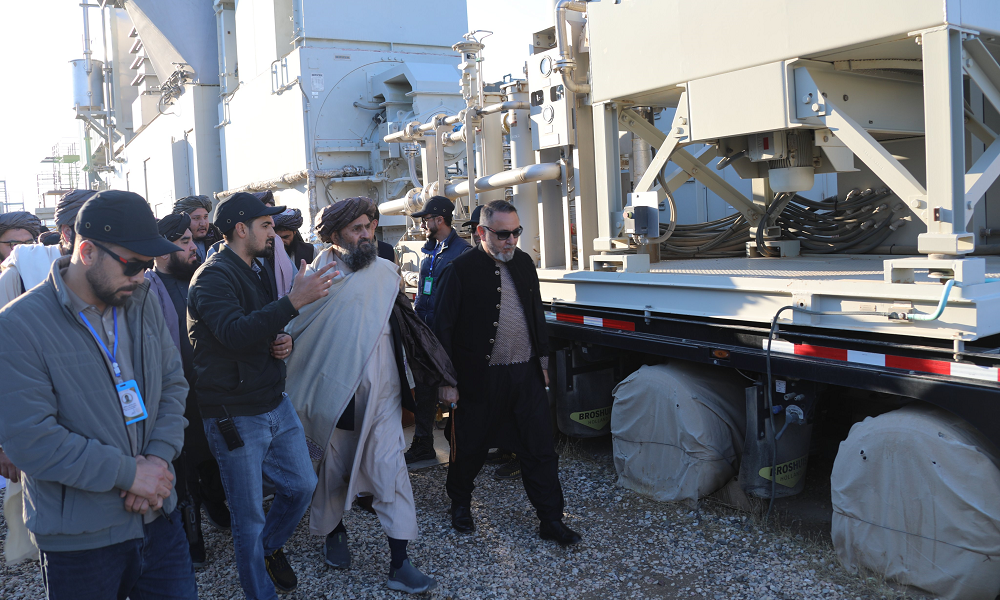
Bayat Power’s 40-megawatt gas-fired turbine resumes operations in Jawzjan
-
 Latest News4 days ago
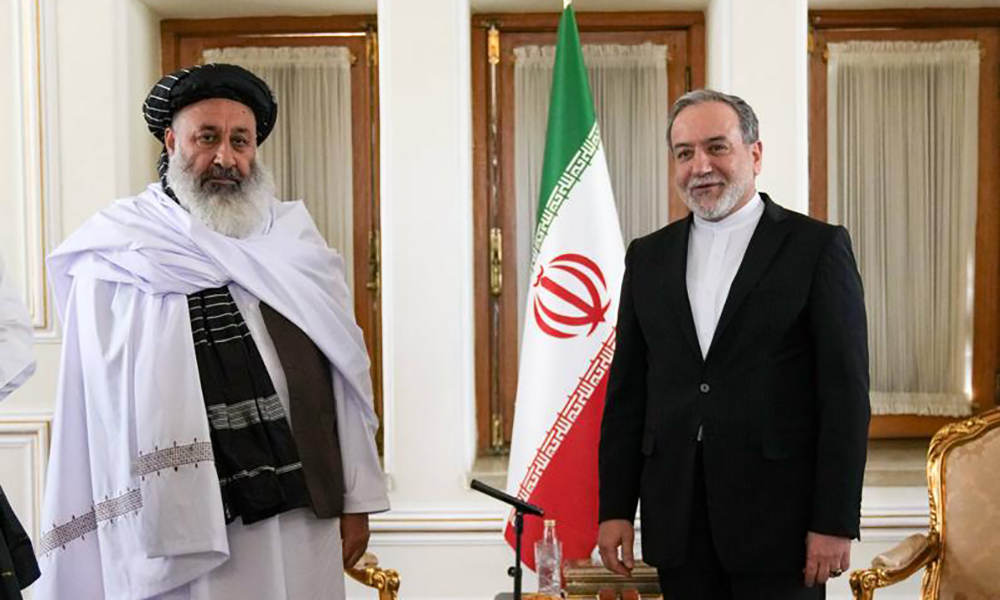
Afghanistan and Iran agree to expand trade cooperation and upgrade border infrastructure
-
 Sport3 days ago
25 Afghan cricketers secure contracts for ILT20 Season 5
-
 Regional4 days ago
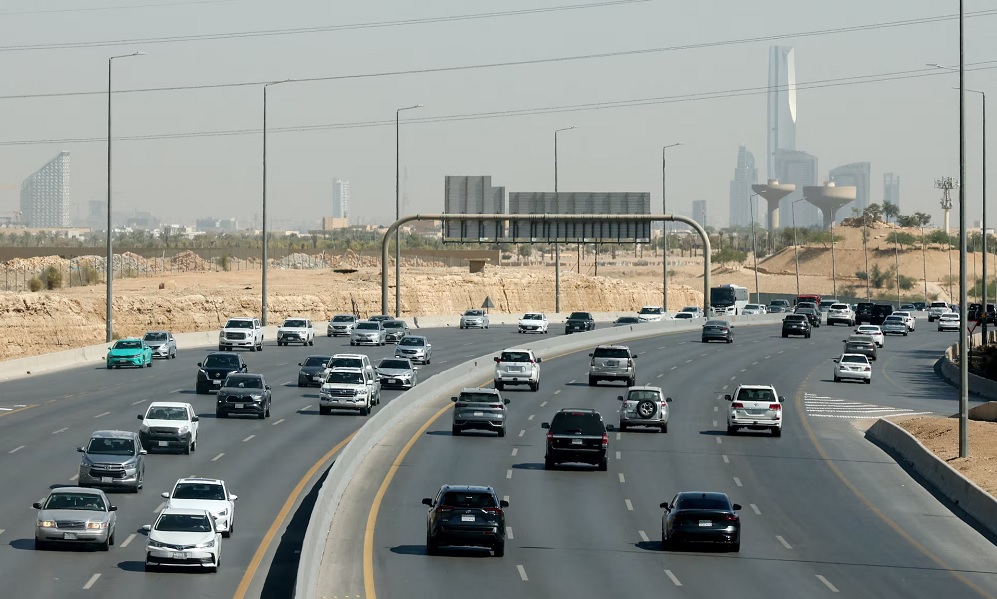
Saudi-led coalition intercepts missiles towards Riyadh, drones in Eastern Province