
Latest News
IEA, EU discuss reactivating Afghanistan’s WTO membership

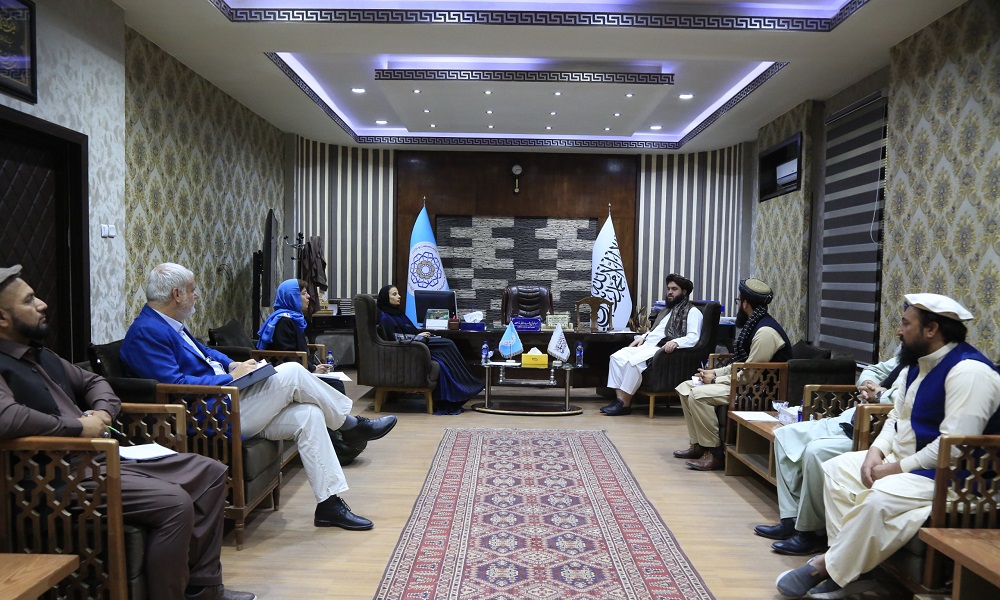
Ahmadullah Zahed, Deputy Minister of Industry and Commerce, met late Tuesday with Veronika Boskovic Pohar, Chargé d’Affaires of the European Union in Afghanistan, to discuss the reactivation of Afghanistan’s World Trade Organization (WTO) membership and the expansion of trade relations.
“During the meeting, discussions focused on the EU’s cooperation in reactivating Afghanistan’s WTO membership, facilitating the export of Afghan goods, establishing connections between the Ministry of Industry and Commerce of the Islamic Emirate and international exhibition organizations, and promoting the active participation of Afghan private sector members in global trade fairs,” said Abdul Salam Jawad Akhundzada, spokesperson for the Ministry of Industry and Commerce.
The EU Chargé d’Affaires pledged to consult with relevant colleagues on the matters discussed and to share the outcomes with the leadership of the Ministry of Industry and Commerce.
Meanwhile, the private sector has emphasized that Afghanistan’s return to the WTO is a key step toward expanding the country’s trade relations.
Economic experts have also stated that if Afghanistan is able to rejoin the WTO, it could help address many of the country’s challenges related to imports and exports.
Afghanistan’s membership in the WTO was suspended following the return of the Islamic Emirate to power in 2021. Currently, more than 150 countries are members of the organization. Afghanistan originally joined in 2015.




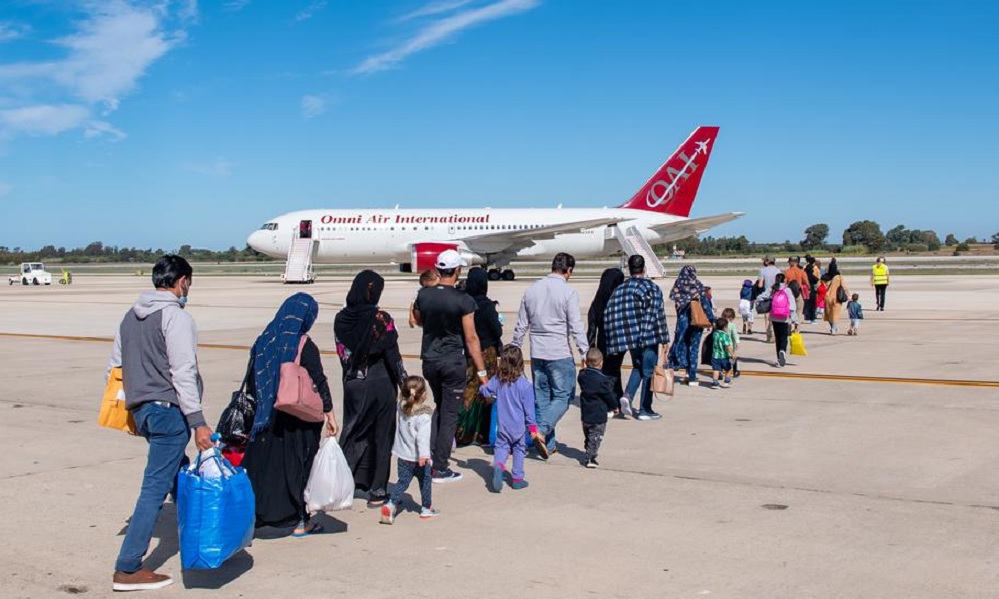
A U.S. federal court has ordered the State Department to process travel documents for the spouses and children of several Afghan asylees, ruling that the Trump administration’s travel restrictions cannot be used to prevent them from reuniting with their families in the United States.
U.S. District Judge Anthony Trenga directed the State Department to issue travel documents within 15 days for the families of five Afghan plaintiffs whose relatives had already received approval to enter the United States. The court also ordered the department to reassess the eligibility of other family members without applying the travel ban and to provide regular updates until the reunifications are completed.
The lawsuit, filed in Virginia, was brought by a group of Afghan refugees who had supported U.S. forces during the war in Afghanistan. They argued that the administration’s travel restrictions unlawfully blocked their spouses and children from joining them, despite existing legal protections for asylees and refugees.
The ruling comes amid ongoing legal challenges to U.S. travel restrictions affecting Afghan nationals. The State Department had not indicated by Monday whether it would appeal the decision.
Advocates for the plaintiffs welcomed the decision, saying many Afghan families have spent years separated after fleeing Afghanistan and that some relatives remain stranded in third countries or have been forced to return to Afghanistan while awaiting permission to travel.
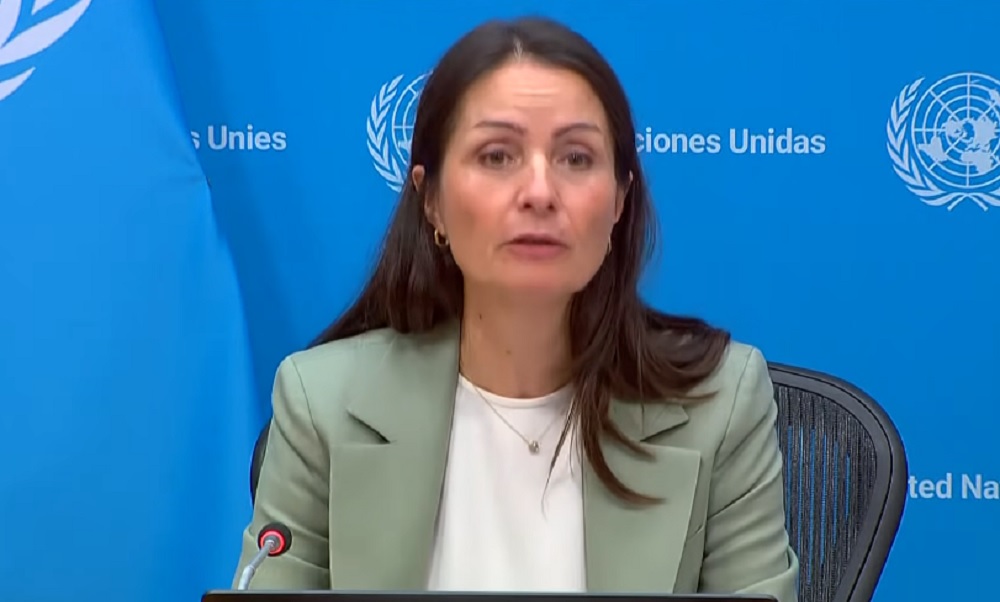
Christina Markus Lassen, Denmark’s Permanent Representative to the United Nations and the Security Council president for August, said on Monday that this month marks five years since the Islamic Emirate’s takeover of Afghanistan and that the UNSC presidency will seek to highlight the consequences of this event.
Speaking at a briefing, she described the anniversary as a “rather grim” milestone and said the Council presidency wants to draw attention to the consequences of the IEA’s takeover over the past five years.
Lassen noted that the Security Council’s focus will be on the impact the IEA’s rule has had on the Afghan population, particularly on women and girls.
The Islamic Emirate returned to power in Afghanistan on August 15, 2021.
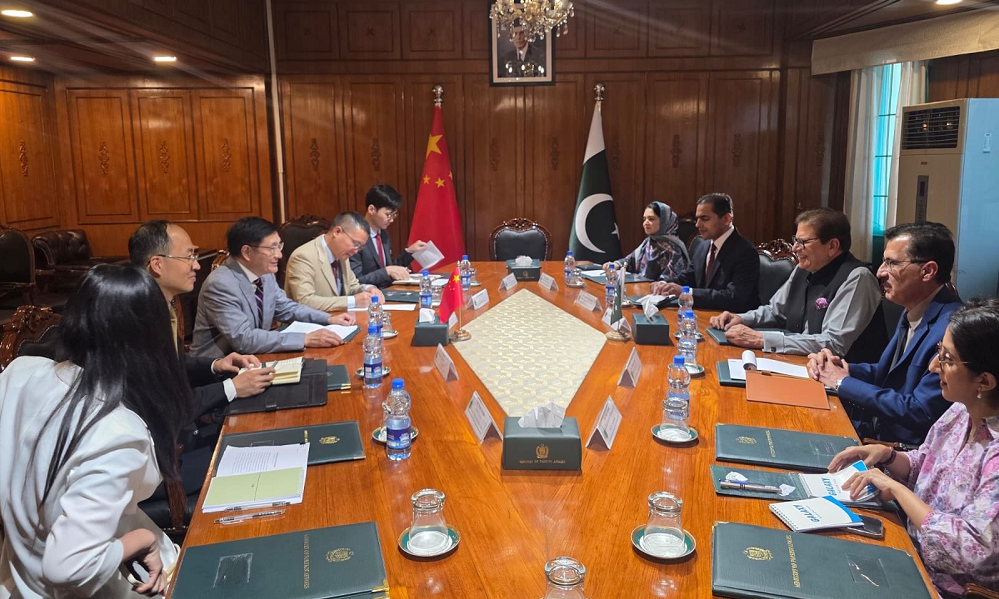
Pakistan’s Special Envoy for Afghanistan, Mohammad Sadiq, says he held talks with China’s Special Representative for Afghanistan, Yue Xiaoyong, on regional security and the latest developments related to Afghanistan.
In a post on X on Monday, Sadiq said he welcomed the Chinese envoy and his delegation to Islamabad for what he described as “productive discussions” on regional security issues.
According to Sadiq, the two sides exchanged views on the threats posed by the Tehreek-e-Taliban Pakistan (TTP) and the East Turkestan Islamic Movement (ETIM), which he claimed are operating from Afghan territory.
He added that Pakistan and China agreed to strengthen bilateral coordination and deepen cooperation to counter terrorist threats and promote regional peace, security, and stability.
The meeting comes amid continued concerns by Islamabad and Beijing over militant groups they say are using Afghan soil, an allegation that the Afghan authorities have repeatedly denied, insisting they do not allow Afghanistan’s territory to be used against any other country.


Final touches being made to Ayubi Cricket Stadium ahead of Kabul Premier League

Status of US-Iran talks uncertain as ship struck in Hormuz

US court rules in favor of Afghan families seeking travel documents

UNSC presidency to highlight consequences of IEA’s return to power

Pakistan, China envoys discuss Afghanistan, pledge closer counterterrorism cooperation

Pakistan’s governance system has ‘collapsed’: Mohsin Naqvi

India offers 1,000 online scholarships for Afghan students for 2026-27 academic year

Cricket world pays tribute to Afghanistan fast bowler Shapoor Zadran

Turkey spent over $120 million to prepare airport for Qatar-donated U.S. presidential aircraft

Thousands pay final respects as Afghan cricketer Shapoor Zadran buried in Kabul

Tahawol: Worsening security crisis in Khyber Pakhtunkhwa

Saar: Trump’s claim over Iran talks

Tahawol: US cancelling strikes on Iran

Saar: Strained relations between Kabul and Islamabad

Saar: Trade shifts from Pakistan to Central Asia and Iran discussed
-
 Latest News4 days ago
Pakistan’s governance system has ‘collapsed’: Mohsin Naqvi
-

 Sport5 days ago
Qosh Tepa crowned champions of inaugural Afghanistan Wrestling Premier League
-

 Latest News4 days ago
World Bank: Afghanistan’s economic growth too weak to improve living standards
-
 Latest News3 days ago
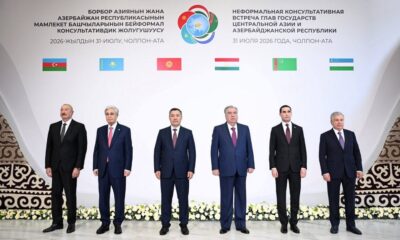
Uzbek president calls for Central Asia-Afghanistan development space
-

 World3 days ago
US to make visa bond program permanent for people from dozens of countries
-
 Business5 days ago
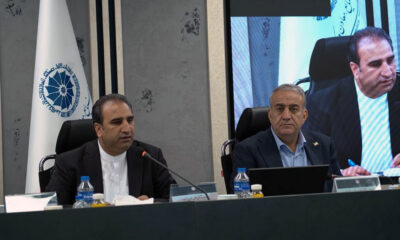
Afghanistan invites Iranian investors to expand economic cooperation
-
 World4 days ago
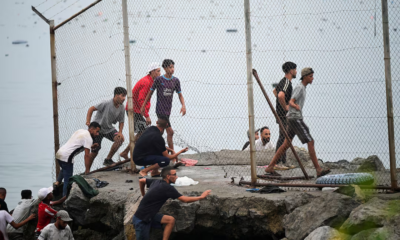
Spain says migrant surge into Ceuta has eased as thousands return to Morocco
-
 Latest News4 days ago
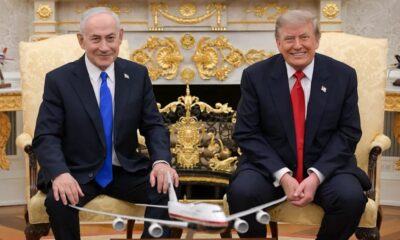
Israel and US consider Iran land blockade