
Latest News
IEA plans to sign gas transit agreement with Russia

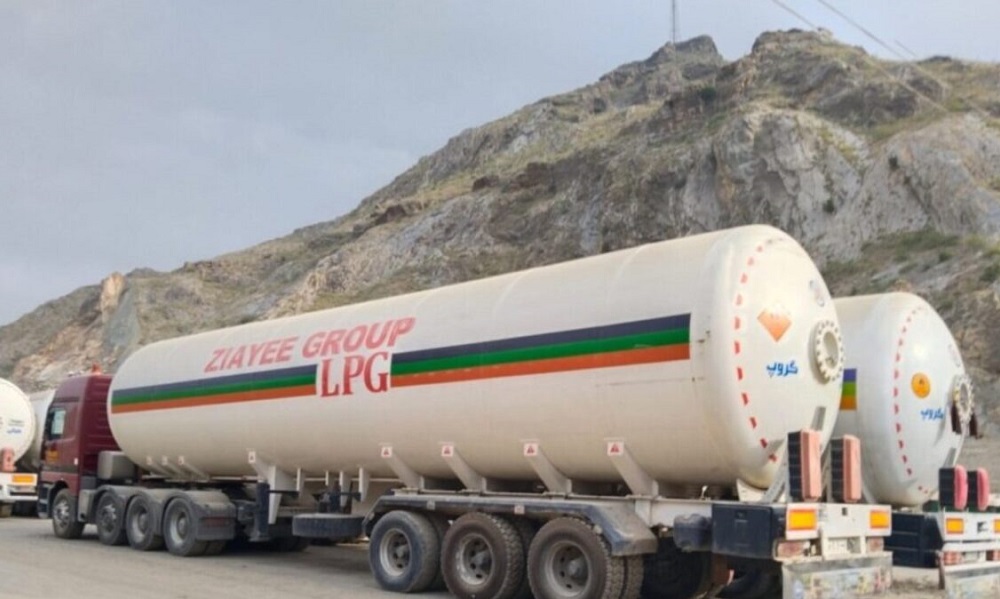
Afghanistan is preparing to sign an agreement with Russia for the transit of 50 million cubic meters of liquefied natural gas (LNG) through its territory, according to Rustam Khabibullin, head of the Russian Business Center in Afghanistan.
The agreement is expected to be finalized at the upcoming International Economic Kazan Forum 2025, which will be held in mid-May, Sputnik reported on Friday.
Khabibullin revealed that the LNG will be transported to Southeast Asia, with the transit likely to be carried out via gas tankers. He further noted that trial shipments have already been completed successfully.
This potential agreement follows previous successful negotiations at the Kazan Forum. In 2023, a contract was signed for the annual transit of 50 million tons of Russian oil, and in 2024, a deal for the transit of 2 million tons of Russian wheat and flour was established.
The Kazan Forum, a key platform for economic cooperation between Russia and the Organization of Islamic Cooperation (OIC) countries, continues to play a vital role in fostering regional trade and development.
The upcoming forum is expected to further strengthen economic ties between Russia and Afghanistan, particularly in the energy sector.
Meanwhile, the spokesperson for the Ministry of Industry and Commerce, Abdul Salam Jawad Akhundzada, stated that initial steps have been taken for signing this contract.
“Fortunately, the groundwork for a final agreement has been laid. With the establishment of nationwide security and the facilities we have from NATO forces for oil and gas transfers, Afghanistan’s position in the implementation of this project is strengthened. Once this major regional project is operational, sectors such as transportation, electricity, security, services, job creation, and manufacturing industries will be activated and developed, leading to economic growth in the country,” said Jawad Akhundzada.
In the meantime, members of the private sector have stated that with the implementation of this contract, the country’s geopolitical position in terms of revenue, job creation, and increased transportation activity in the regional economy will practically be solidified.
Zabihullah Nazari, a member of the private sector, said: “For the implementation of this project, local labor will be needed, which can create many job opportunities for the people of Afghanistan.”
Economic experts also stated that the implementation of this project is important for the country in the short term but have added that Afghanistan’s focus should primarily be on the TAPI project.
The Islamic Emirate, meanwhile, has repeatedly stated that with an economy-focused policy, Afghanistan will be transformed into the region’s transit hub.





Latest News
Pakistan president claims situation in Afghanistan is ‘similar to or worse than pre-9/11’’
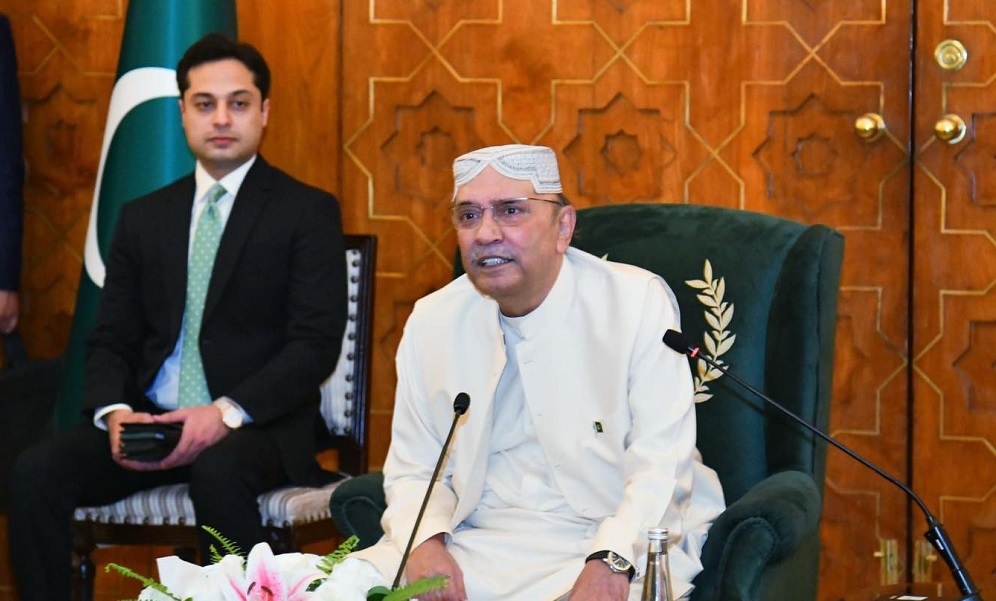
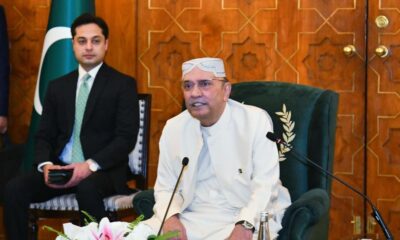
Pakistan’s President Asif Ali Zardari has warned that the presence of militant groups in the region poses risks to global peace, and repeated Islamabad’s concerns regarding what it describes as the activities of “terrorist organisations operating from Afghanistan.”
Zardari made the remarks in a statement issued Sunday, as he thanked world leaders for expressing solidarity with Pakistan following the recent attack on an imambargah in Islamabad, which left dozens dead and many others wounded. The incident was claimed by Daesh militant group.
According to the statement from the President’s Secretariat, Zardari said Pakistan remains committed to combating terrorism and stressed that no single country can address the threat alone.
“Pakistan has long maintained that terrorism cannot be confronted by a single country in isolation,” he was quoted as saying.
Citing Pakistan’s experience, he said in the statement that whenever “terrorist groups are allowed space, facilitation or impunity beyond national borders, the consequences are borne by innocent civilians all over the world.”
Zardari further claimed that the situation in Afghanistan under the Islamic Emirate authorities has created conditions “similar to or worse than pre-9/11,” and said this has influenced security developments across the region. IEA has repeatedly rejected such allegations, insisting that Afghan soil is not used against any country.
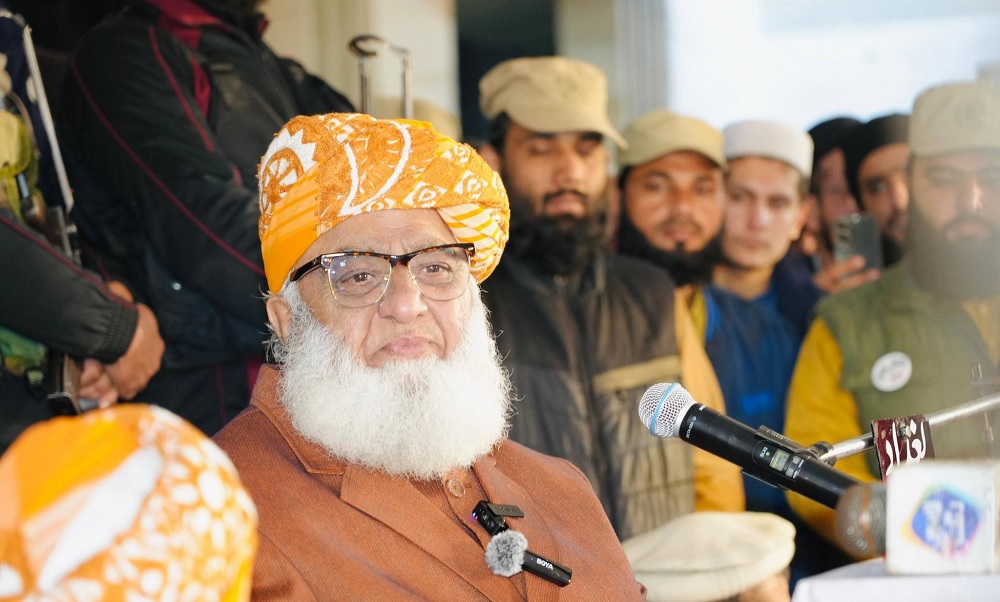
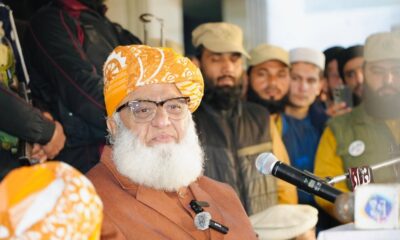
Maulana Fazlur Rehman, the leader of Pakistan’s Jamiat Ulema-e-Islam (JUI-F), has said that Afghanistan’s economic situation has become better than Pakistan’s, as Pakistan faces deepening financial hardship and increasing emigration.
Speaking at a gathering in Rawalpindi, Fazlur Rehman warned that business activity in Pakistan is collapsing and that many Pakistanis are leaving the country in search of stability. He sharply criticized Islamabad’s policies toward Afghanistan, describing them as “complete failures.”
Addressing Pakistan’s repeated claims that militants enter from Afghan territory, he said: “Authorities say terrorists are coming from there. If they are coming, stop them. If they are coming, eliminate them. The Afghan government has never objected to your actions.”
He also rejected the logic behind these allegations, pointing to the closure of key crossings between the two countries: “When not even a single pomegranate can enter Pakistan from Afghanistan today, how can militants enter?”
Fazlur Rehman argued that Pakistan’s foreign policy is shaped not by the civilian government, but by the military establishment: “One general comes and says we will negotiate; another comes and says we will wage war.”
Pakistani officials have long claimed that attacks inside Pakistan are planned from Afghan soil. The Islamic Emirate of Afghanistan has consistently denied this, saying Afghanistan cannot be blamed for Pakistan’s internal security failures.
Latest News
Tajik foreign minister urges international community to help Afghanistan address its challenges
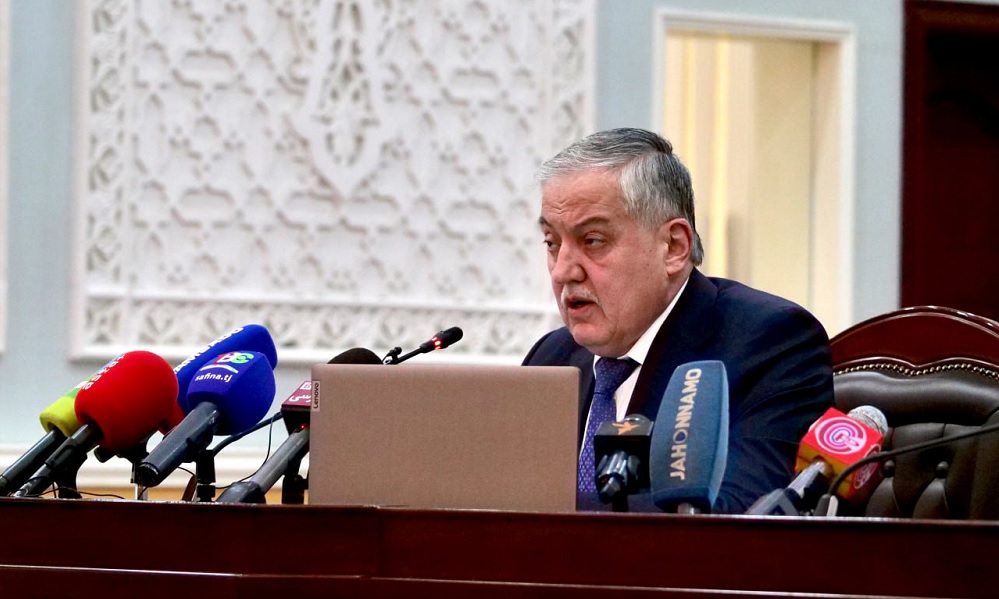
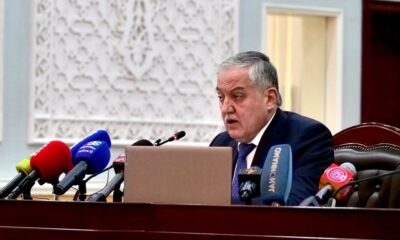
Tajikistan’s Minister of Foreign Affairs, Sirodjiddin Mukhriddin, has called on the international community to step up assistance for Afghanistan as the country continues to face challenges.
Speaking at a press conference, Mukhriddin said Tajikistan and Afghanistan maintain active coordination between their law enforcement agencies to prevent security incidents along their shared border. He noted that this cooperation remains essential, as the frequency of armed attacks and criminal activity in border regions has increased in recent months.
He said that Afghan authorities had assured Tajikistan they would take necessary measures to stop further incidents and would conduct thorough investigations into any violations.
Mukhriddin emphasized that Tajikistan supports constructive international engagement aimed at improving Afghanistan’s socio-economic conditions. He highlighted that Tajikistan has provided more than 6,000 tons of humanitarian aid to Afghanistan, including food and essential supplies delivered in 2025 to assist communities affected by devastating earthquakes.
The minister also pointed to growing economic cooperation between the two neighbors. Tajikistan has reopened border markets and continues to supply electricity to Afghanistan.
Tajikistan and Afghanistan share a border of more than 1,300 kilometers—over 1,100 km of which consists of waterways and about 190 km of land boundaries.
Meanwhile, Zafar Samad Director of the Drug Control Agency under the President of the Republic of Tajikistan, has said that last year, 17 incidents of clashes happened with drug smugglers along the border with Afghanistan. As a result, two Tajik forces and 10 Afghan nationals have been killed, he added.


Pakistan president claims situation in Afghanistan is ‘similar to or worse than pre-9/11’’

Fazlur Rehman: Afghanistan’s economic situation is better than Pakistan’s

Hong Kong tycoon Jimmy Lai sentenced to 20 years in jail in national security trial

Saar: Afghanistan’s relations and opportunities with regional countries

Winter Olympics gain momentum as medal table takes shape

ICG report says Pakistan most impacted by IEA’s return in Afghanistan

Afghanistan–China joint market opens in Kabul

Pakistan approves re-export of stranded Afghan transit trade cargo

ATN secures broadcast rights to Carabao Cup semis across Afghanistan

Pakistan army orders evacuation of Tirah Valley, fears of mass displacement grow
Saar: Afghanistan’s relations and opportunities with regional countries

Tahawol: Kabul’s response to Pakistan’s new accusation discussed

Saar: Discussion on Iran-US talks in Oman

Tawsia: Afghanistan’s interest in buying Russian oil and gas

Tahawol: IEA calls UNSC’s Daesh concerns baseless
-
 Latest News4 days ago
Terrorist threat in Afghanistan must be taken seriously, China tells UNSC
-
 Latest News2 days ago
Afghanistan to grant one- to ten-year residency to foreign investors
-
 Latest News5 days ago
Uzbekistan, Pakistan advance Trans-Afghan railway project
-
 Sport5 days ago
Winter Olympics finally underway, ATN to broadcast exclusively across Afghanistan
-
 Sport5 days ago
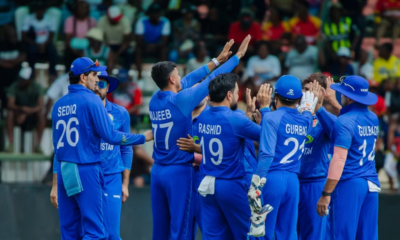
Afghanistan beat West Indies in final T20 WC warm-up match
-

 Sport3 days ago
Indonesia shock Japan to reach historic AFC Futsal Asian Cup final
-
 Regional5 days ago
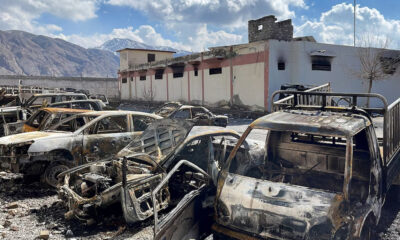
Pakistan sends helicopters, drones to end desert standoff; 58 dead
-
 Sport4 days ago
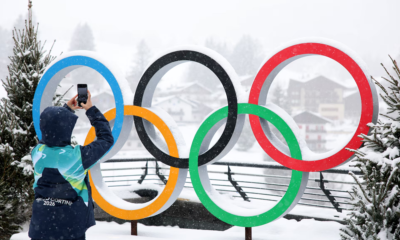
Milano Cortina 2026 Winter Olympics: What You Need to Know