
Latest News
Islam: The world’s fastest-growing religion from 2010 to 2020

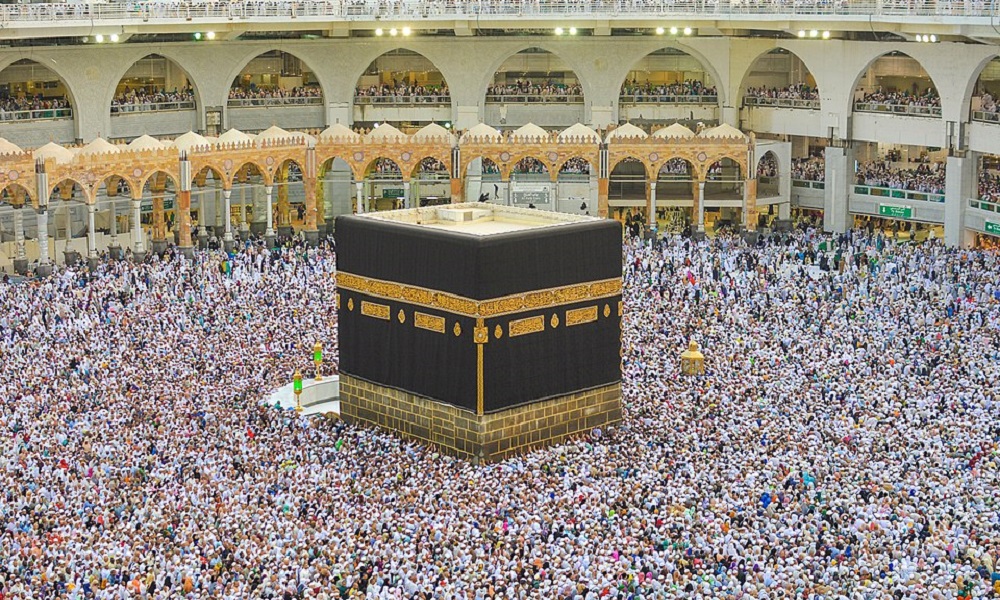
Islam experienced the fastest growth among the world’s major religions in the decade leading up to 2020, according to new estimates from the Pew Research Center.
During this period, the global Muslim population surged by 347 million, reaching approximately 2.0 billion. This growth outpaced that of every other religious group, solidifying Islam’s position as the second-largest religion globally, following Christianity.
In contrast, the number of Christians grew by 122 million, totaling 2.3 billion by 2020. Notably, Buddhists were the only major group to see a decline in absolute numbers, decreasing by 19 million to 324 million.
The study spanned 201 countries and territories, covering 99.98% of the global population, and focused on seven religious categories: Christians, Muslims, Hindus, Buddhists, Jews, followers of other religions, and the religiously unaffiliated.
Muslim population growth during this decade exceeded the combined growth of all non-Muslim groups, which totaled 248 million. Remarkably, the increase in Muslims alone was greater than the entire global Buddhist population in 2020.
This rapid expansion has narrowed the population gap between Muslims and Christians.
In 2010, Muslims represented 23.9% of the global population compared to Christians at 30.6%. By 2020, those figures had shifted to 25.6% for Muslims and 28.8% for Christians. One key factor behind the slower growth of Christianity is high rates of religious disaffiliation.
Why Is the Muslim Population Growing So Quickly?
Pew Research Center reported that the primary drivers of Muslim population growth are demographic. Muslims tend to be younger and have higher fertility rates than adherents of other religions.
Between 2015 and 2020, Muslim women had an average of 2.9 children, compared to 2.2 for non-Muslim women. Additionally, the median age of Muslims in 2020 was 24, nine years younger than the global non-Muslim median age of 33.
Religious conversion played a minimal role in this growth. Survey data from 117 countries between 2008 and 2024 indicate that about 1% of those raised as Muslims leave the faith. However, this is roughly offset by an equivalent number of people converting to Islam.
Where Do Most Muslims Live?
In 2020, the largest number of Muslims resided in the Asia-Pacific region (1.2 billion), followed by the Middle East and North Africa (414 million), and Sub-Saharan Africa (369 million). Although Europe and North America have much smaller Muslim populations, these communities
experienced significantly faster growth compared to their non-Muslim counterparts during the decade.
Muslims made up the highest share of the population in the Middle East and North Africa, comprising 94% of the region’s inhabitants. However, despite its strong association with Islam, this region accounted for only about 20% of the world’s Muslim population, Pew Research Center reported.
The countries with the largest Muslim populations in 2020 were outside the Middle East:
Indonesia: 239 million
Pakistan: 227 million
India: 213 million
Bangladesh: 151 million
Globally, Muslims formed the majority in 53 countries and territories as of 2020.

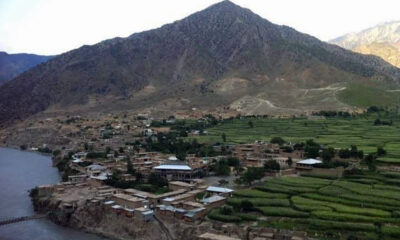





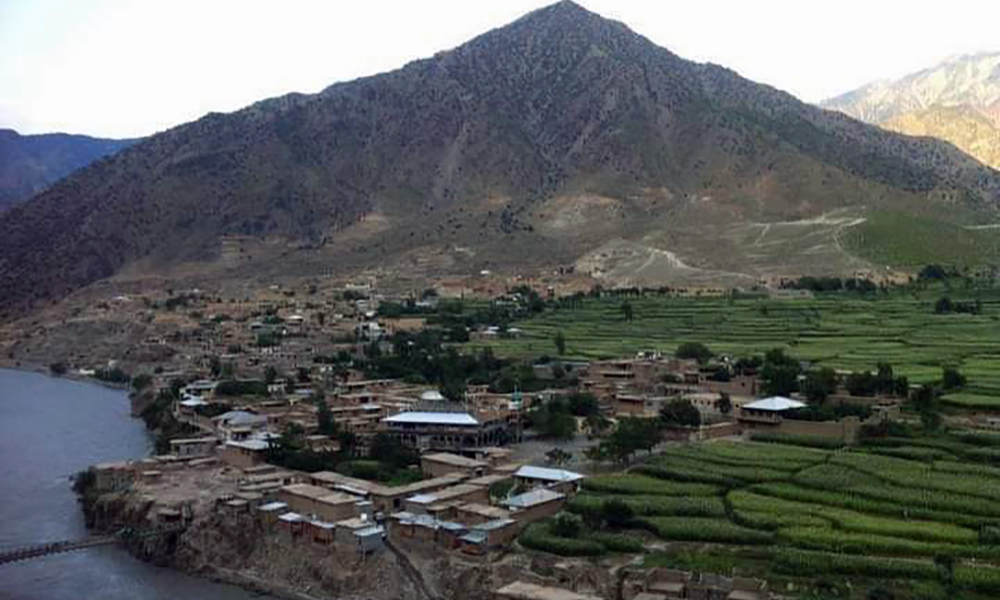
Hamdullah Fitrat, deputy spokesman of the Islamic Emirate, said that a mortar shell of the Pakistani military regime hit Shanpat area of Nari district of Kunar province at 9:30 am on Sunday, killing one civilian and wounding another.
The injured person is a woman, he said.
Pakistani forces also opened fire on a civilian vehicle in Shakin district of Paktika province, but no casualties were reported, Fitrat said.
The Pakistani government had earlier announced that it would halt its attacks on Afghanistan until Monday night on the occasion of Eid-ul-Fitr.
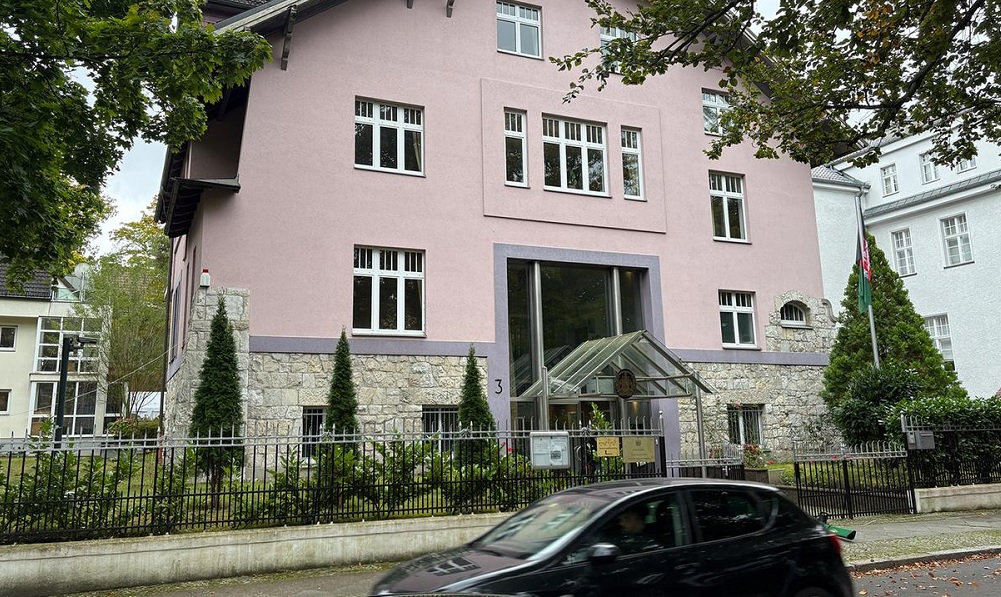
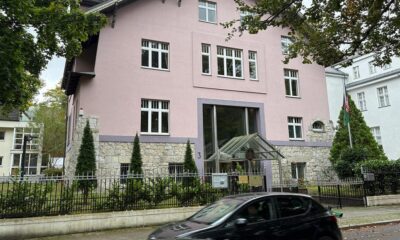
Germany was not informed of the appointment of a new Afghan diplomat in Berlin, according to a report by public broadcaster ARD, raising fresh questions about the Islamic Emirate’s expanding control over overseas missions.
The report states that an IEA-linked official has assumed the role of chargé d’affaires at Afghanistan’s embassy in Berlin without prior approval from the German government. Under the 1961 Vienna Convention on Diplomatic Relations, host countries must consent to such diplomatic appointments.
Germany does not formally recognize the IEA government, which returned to power in August 2021 following the withdrawal of US and NATO forces.
Undisclosed leadership role
According to ARD, the official—identified as Nebrasul H.—arrived in Berlin in July last year as a junior consular staff member, a position approved by German authorities. However, documents obtained by the broadcaster suggest he was also quietly appointed to lead the embassy.
He is reportedly acting as chargé d’affaires, effectively heading the mission and liaising directly with Afghanistan’s Foreign Ministry in Kabul.
The move highlights the IEA’s efforts to consolidate authority over Afghan diplomatic missions abroad, despite lacking broad international recognition.
Berlin ‘not notified’
Germany’s Foreign Ministry said it had received “no notification of any personnel changes” at Afghan diplomatic missions in the country.
Berlin has consistently maintained that Afghan embassies should remain under representatives appointed by the former government of Ashraf Ghani, which was ousted in 2021.
Previous envoy sidelined
The report also claims that the previous head of mission, Abdul P., has been stripped of his authority and reduced to a largely symbolic role. He was originally appointed under the Ghani administration.
Despite being sidelined, he remains in Berlin, reportedly continuing to live in the ambassador’s residence and retaining diplomatic privileges.
Wider diplomatic shift
In a related development, ARD reported that another Afghan official who arrived alongside Nebrasul H. has assumed a leadership role at the Afghan consulate in Bonn, also without formal recognition from German authorities.
The developments suggest a broader strategy by the IEA to assert control over Afghanistan’s diplomatic presence in Europe, even in countries that do not officially recognize its rule.


Pakistani military violates Afghanistan ceasefire again

IEA allegedly appoints envoy to Berlin embassy ‘without Germany’s approval’

Tahawol: Pakistan’s efforts to destabilise Afghanistan

Saar: Decline in international assistance to Afghanistan

Afghanistan secures third place at 2026 World Kokpar Championship

Pakistani military jet downed in Afghanistan’s Jalalabad, pilot captured alive

Afghan Air Force conducts airstrikes in Islamabad, other cities

Prominent Muslim scholar issues fatwa calling for Afghanistan-Pakistan ceasefire

Afghan air force strikes key Pakistani military installations in retaliatory operation

IEA: Special circle in Pakistan has launched mission to destabilize region
Tahawol: Pakistan’s efforts to destabilise Afghanistan
Saar: Decline in international assistance to Afghanistan

Tawsia: Assessment of Afghanistan’s economic activities in 1404

Tahawol: Temporary ceasefire draws broad support

Saar: Emphasis on resolving conflicts through diplomacy
-
 Latest News4 days ago
Pakistan opposes normal Afghanistan–India relations: Shaheen
-
 Latest News4 days ago
IEA announces temporary pause in defensive operations against Pakistan for Eid
-

 Sport5 days ago
Afghanistan national buzkashi team defeats Hungary 14–0
-
 Latest News4 days ago
Karzai accuses Pakistan of seeking to destabilise Afghanistan after Kabul strike
-
 Latest News3 days ago
Pakistani shelling hits Kunar districts despite ‘pause in hostility’ over Eid
-
 Latest News5 days ago
WHO Chief urges Kabul and Islamabad to prioritize peace
-
 Regional5 days ago
Israel’s Katz says Iran’s security chief killed, Tehran strikes Gulf neighbours
-
 Regional4 days ago
Iran strikes Tel Aviv with cluster warheads in retaliation for killing of security chief