
Business
Liquidity crisis at core of Afghanistan’s economic challenges: SIGAR

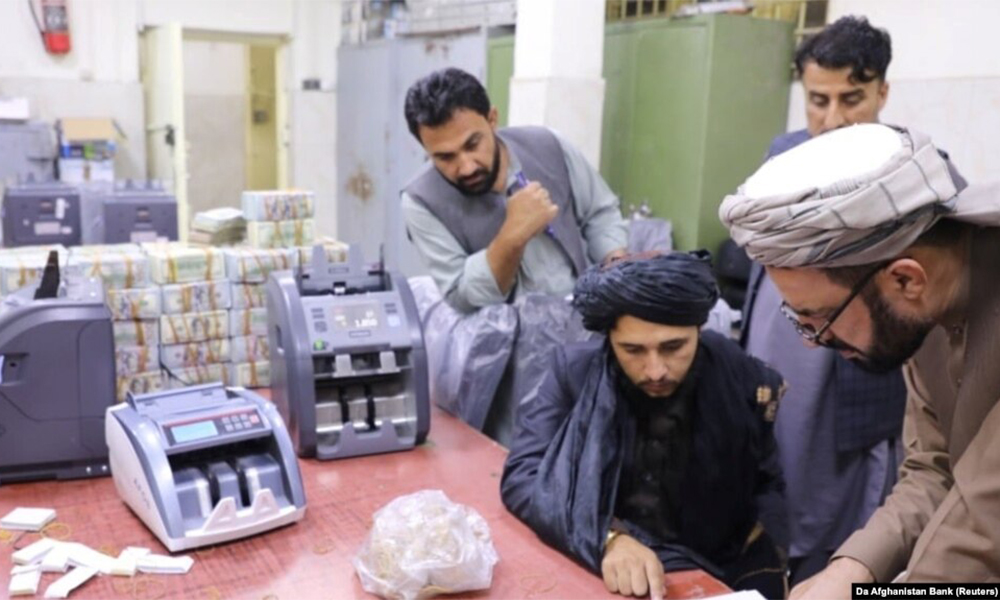
Afghanistan continued to face a severe liquidity crisis this quarter with access to physical bank notes constrained and banks facing major liquidity challenges due to declining economic activity, lack of trust in the banking center among Afghans, and an inability to transact internationally.
The US Special Inspector General for Afghanistan (SIGAR) said in its latest quarterly report that Da Afghanistan Bank (DAB), Afghanistan’s central bank, will require significant technical support from the international community to tackle these challenges.
The report stated that prior to the Islamic Emirate of Afghanistan’s (IEA) takeover in August last year, Afghanistan’s financial system had been underdeveloped relative to the context of its growth in recent decades, with a low assets-to-GDP ratio and a heavily dollarized banking system.
Approximately 60% of deposits in the country were made in foreign currency. The report stated that in this monetary environment, maintaining financial stability requires both domestic currency (AFN) liquidity and, more importantly, foreign exchange (FX) liquidity.
However, DAB is limited in its ability to control the AFN monetary supply and value due to several factors including the lack of domestic technical capabilities to print currency, which Afghanistan outsources to foreign companies.
“For years, DAB would prop up the value of the afghani (AFN) by regularly auctioning US dollars pulled from its foreign reserves. Prior to August 2021, Afghanistan’s central bank reportedly received quarterly shipments of $249 million in US banknotes from its foreign reserves. This stopped after the Taliban (IEA) takeover prompted the United States to place a hold on US-based Afghan central bank reserves.
“The loss of these US dollar transfers and other sources of foreign currency plunged Afghanistan’s financial system into free fall,” SIGAR stated.
With Afghanistan’s international reserves, including banking sector foreign exchange deposits at the DAB, frozen; the SWIFT system and international settlements suspended; grant transfers suspended; and AFN liquidity printing interrupted, a dramatic adverse shock in the financial and payment systems ensued.
The resulting liquidity crisis has caused salary disruptions for hundreds of thousands of government employees, teachers, and health-care workers, and has imposed limitations on the operations of international aid groups in the country.
“The banking system is totally paralyzed. The central bank is not operating,” according to Robert Mardini, director general for the International Committee of the Red Cross as cited by SIGAR.
Mardini said that his organization is instead paying 10,000 doctors and nurses via the informal hawala money-transfer system.
This has also contributed to a worsening domestic credit market. In the absence of international support, banks have ceased extending new credit to small- and medium-sized enterprises.
In recent months, the increased supply of US dollars from humanitarian channels, averaging around $150 million per month, has helped stabilize the value of the afghani.
However, these humanitarian channels are viewed as stopgap measures that are an insufficient substitute for the normal functioning of a central bank, SIGAR stated.
In her March 2 statement to the UN Security Council, UNAMA head Deborah Lyons cited the “lack of access to hard currency reserves, lack of liquidity, and constraints on the central bank to carry out some of its core functions” as key challenges to reviving the Afghan economy.
Total international DAB reserves were $9.76 billion at the end of 2020, according to the most recent data available to the IMF. Of this amount, $2 billion was deposited in financial institutions in the United Kingdom, Germany, Switzerland, and the United Arab Emirates.
Some $7 billion in DAB reserve funds deposited at the Federal Reserve Bank of New York are now frozen by the US government.
Economists at New York University and the University of Chicago suggested that if central-bank reserves were placed directly with households or with other financial intermediaries, it could enhance the desired increase in liquidity.
Liquidity is a concern for households as well as for the banking system and businesses. Raising household liquidity in Afghanistan is challenged by rising unemployment, the fact that only 10–20% of Afghans have bank accounts, the uncertain status of DAB’s electronic payment system and the declining volume of market transactions as reflected in the country’s declining GDP.
SIGAR stated however that the Biden Administration is currently exploring possible avenues for disbursing $3.5 billion of the frozen assets for humanitarian relief efforts, possibly through a separate trust fund or by providing support through the United Nations or another enabling organization.
US Special Representative for Afghanistan Thomas West has stated that the $3.5 billion could alternatively contribute toward “the potential recapitalization of a future central bank [in Afghanistan] and the recapitalization of a financial system.”
The move to freeze assets meanwhile sparked outrage throughout Afghan society, including among leaders unaffiliated with the IEA.
Shah Mehrabi, a long-time member of the Afghan central bank’s board of governors, called the decision “unconscionable” and “short-sighted.”
Mehrabi argued that the central bank should be treated as independent of the IEA regime, and that depriving the bank of its reserves could lead to “total collapse of the banking system” and further hurt millions of Afghans suffering in the economic and humanitarian crises.
The order to freeze assets has also drawn criticism from US and international policy analysts, human rights groups, lawyers, and financial experts, SIGAR reported.
Analysts have expressed concern over both the seizure of the reserves and the reported proposals to provide those funds in the form of humanitarian assistance.
Paul Fishstein of NYU’s Center on International Cooperation argues that the executive order gave inadequate attention to the macroeconomic collapse of the country.
Fishstein said the release of the central bank’s reserves could instead be used to restore unnecessary exchange rate stability and ease the liquidity crisis.
William Byrd of the US Institute of Peace (USIP) said that even if only half of DAB’s total reserves are devoted to support its basic activities as a central bank, it would “provide an opportunity to make a start toward stabilizing the economy and private sector.”








Business
TAPI gas deliveries to Afghanistan and Pakistan expected to begin in 2027
Turkmenistan regards TAPI as a key project for diversifying its gas exports and strengthening regional economic cooperation.
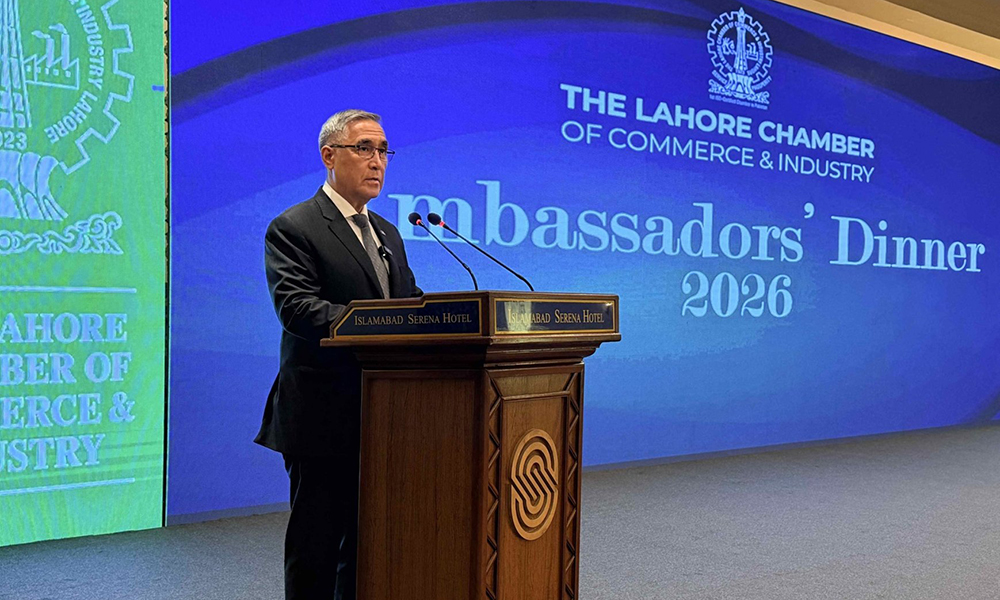
Turkmenistan expects natural gas supplies to Afghanistan and Pakistan through the Turkmenistan-Afghanistan-Pakistan-India (TAPI) pipeline to begin in 2027, according to the Turkmen Embassy in Islamabad.
Turkmen Ambassador Atajan Movlamov said construction of the strategically important Serhetabat-Herat section of the pipeline is expected to be completed by the end of this year.
Movlamov made the remarks during an Ambassadors’ Dinner hosted by the Lahore Chamber of Commerce and Industry in Islamabad.
He said the implementation of TAPI and other regional energy projects could strengthen Pakistan’s energy security while creating new opportunities for industrial development and economic growth.
The planned 1,800-kilometre pipeline is designed to transport up to 33 billion cubic metres of natural gas annually from Turkmenistan’s giant Galkynysh gas field through Afghanistan to Pakistan and India.
Turkmenistan regards TAPI as a key project for diversifying its gas exports and strengthening regional economic cooperation.
The Galkynysh field, which is the main resource base for TAPI, is among the world’s largest gas fields, with estimated reserves of more than 27 trillion cubic metres.
The project has faced years of delays, but recent construction and developments in the regional energy sector have renewed attention to TAPI as a potential link between Central Asian gas resources and South Asian energy markets.
Business
Dogharoun handles 60% of Iran’s exports to Afghanistan
Modoudi invited machinery manufacturing companies in Iran to establish operations in the area.
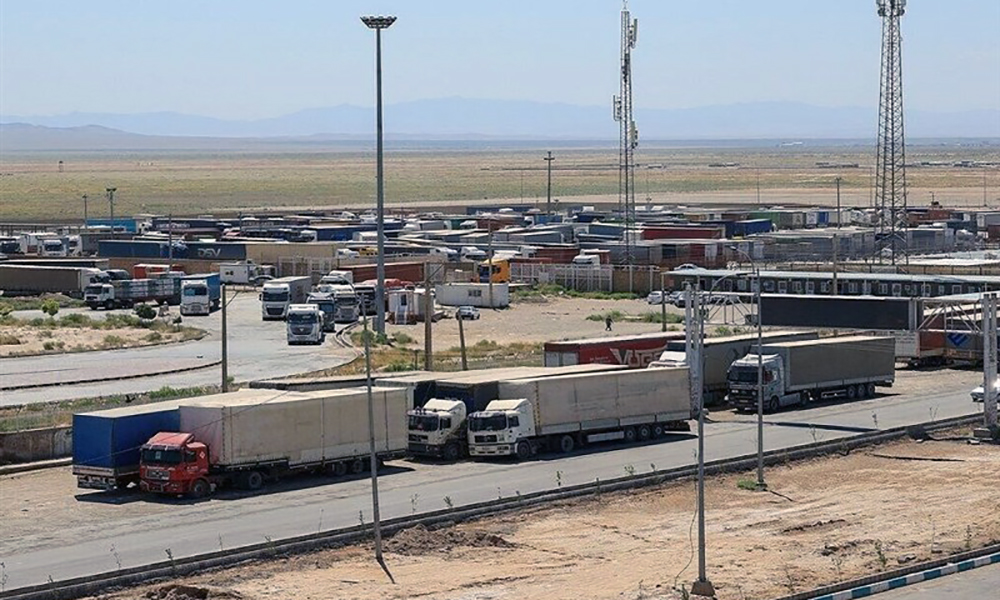
Mohammadreza Modoudi, CEO of the Dogharoon Free Zone, has criticized what he described as the neglect of Dogharoun’s potential, saying Iran ranks first among all countries in terms of exports of goods to Afghanistan.
He said 60 percent of this large volume of exports passes through the Dogharoun border crossing, adding that, despite this, the region’s significant potential has been overlooked.
Modoudi invited machinery manufacturing companies in Iran to establish operations in the area.
He said it is time to take a realistic approach and transform Dogharoun from a transit route into a major hub for production, value-chain development and a driving force for international trade.
Business
EU and FAO launch €5m programme to strengthen Afghanistan’s agrifood sector
FAO Representative in Afghanistan Richard Trenchard said agrifood businesses had shown potential to grow and create jobs despite difficult conditions.
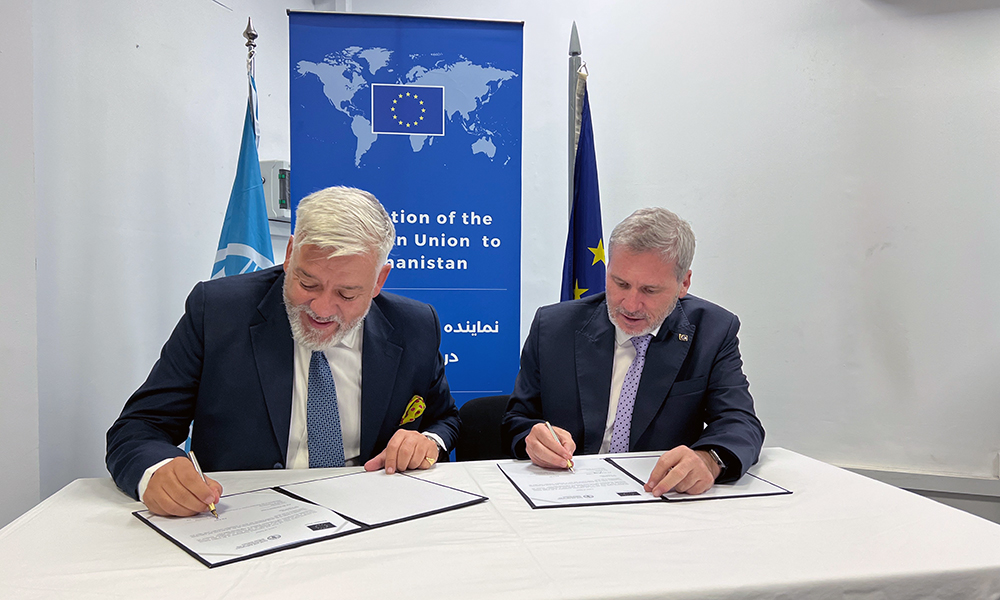
The European Union (EU) and the Food and Agriculture Organization of the United Nations (FAO) have launched a €5 million initiative to help Afghan farmers and agribusinesses access markets, improve incomes and withstand climate and economic shocks.
The programme will target vulnerable households, including returnees, internally displaced people and host communities, particularly in areas affected by food insecurity, climate risks and limited economic opportunities. Women and youth will be key beneficiaries.
Four one-stop service hubs will connect farmers and rural entrepreneurs with agricultural advice, specialised services, businesses and markets. Farmers will also gain access to FAO climate analysis and early-warning information to help them make timely production and marketing decisions.
The initiative will restore 2,000 hectares of degraded forests and rangelands and support 250 women- and community-led nurseries, combining environmental protection with new livelihood opportunities.
FAO will also provide matching grants and technical and business support to established agrifood and environmentally sustainable enterprises with growth potential. Participating businesses will contribute their own resources, helping expand processing, source from more local farmers and create rural jobs.
Nicola Bellomo, the EU’s new Chargé d’Affaires for Afghanistan, said the programme reflected the EU’s commitment to food security and economic empowerment.
“Afghanistan’s agricultural potential remains undervalued and constrained by the country’s extreme climate vulnerability,” Bellomo said, adding that the partnership would strengthen agricultural services, support agribusiness growth and promote nature-based solutions.
FAO Representative in Afghanistan Richard Trenchard said agrifood businesses had shown potential to grow and create jobs despite difficult conditions.
“When farmers can produce with confidence, businesses can grow and products can reach markets, agriculture becomes a powerful engine for recovery and resilience,” he said.


ACL: Sorkh Poshan Khafi maintain top spot after fourth straight win

Tahawol: Reactions to Pakistan’s attacks on Afghanistan discussed

Saar: Uncertain fate of Afghanistan’s seat at UN discussed

Omar Zawak edge Arman FC 4–2 in dramatic Afghanistan Champions League clash

Pezeshkian heads to UN as Iran vows to defend its position

Afghanistan’s trade diversification challenges Pakistan

Saudi energy group signs major Afghanistan deals covering gas exploration and pipeline plans

ATN secures exclusive rights to broadcast T20I series in India across Afghanistan

Afghanistan squad announced for three-match T20I series against India

China evacuates thousands as Typhoon Narra brings torrential rain
Tahawol: Reactions to Pakistan’s attacks on Afghanistan discussed
Saar: Uncertain fate of Afghanistan’s seat at UN discussed

Tahawol: Uncertain future of Afghanistan’s permanent UN seat

Saar: Pakistan military strikes Afghan provinces discussed

Tahawol: Impact of middle East war on Afghanistan
-
 Latest News5 days ago
Afghanistan seeks stronger ties with Saudi Arabia, dialogue with Pakistan: Mujahid
-

 Latest News5 days ago
Afghan man in Germany kills wife and goes to police station
-
 Regional5 days ago
China presses Iran to help rein in Houthis after Saudi appeal
-
 World4 days ago
US and Denmark reach deal on Greenland, Trump says
-
 World5 days ago
UN allows Palestinian president to again speak via video after US denies visa
-
 Latest News3 days ago
Pakistan says Kohat attackers had roots in Afghanistan
-
 Latest News4 days ago
Afghanistan condemns mosque attack in Khyber Pakhtunkhwa
-
 Latest News4 days ago
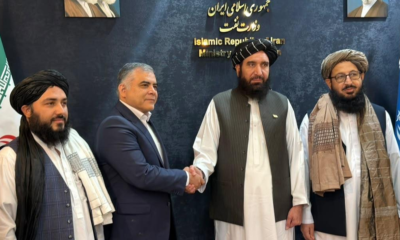
Afghan official meets Iranian oil minister to discuss energy cooperation