
Latest News
More troops may be needed in Afghanistan: Gen. Campbell

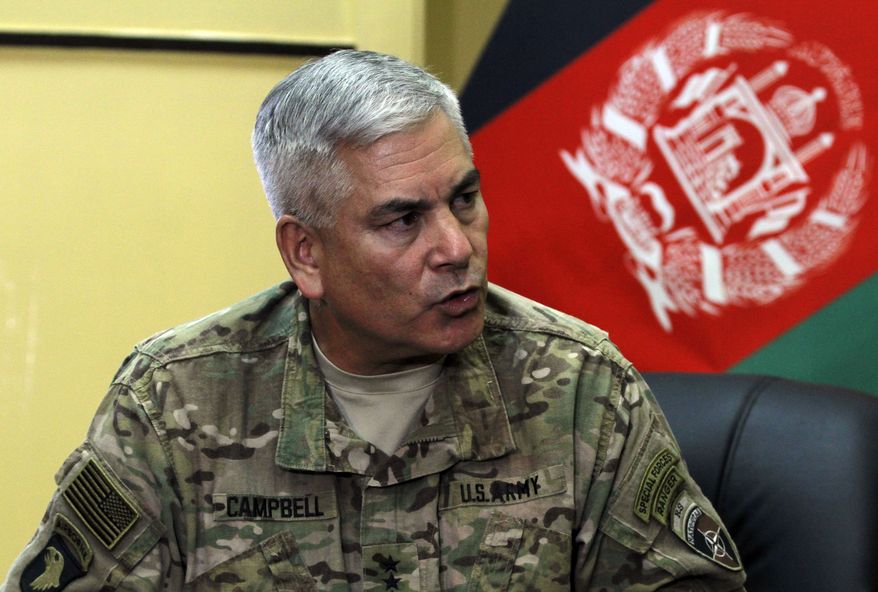

The top US and Nato military commander in Afghanistan may seek additional American troops to help local forces as they struggle to contain the Taliban insurgency, according to reports.
Army Gen. John Campbell said in an interview with USA TODAY that maintaining the current force of 9,800 U.S. troops to train Afghan forces and conduct counter-terrorism raids is vital, and that the scheduled reduction to 5,500 by Jan. 1, 2017, should be put off as long as possible.
“My intent would be to keep as much as I could for as long as I could,” Campbell said by telephone from Kabul. “At some point it becomes physics. I’m going to have to get them out.”
News from Afghanistan in 2015, when American troops ended their daily combat mission after 14 years, has been grim.
Taliban insurgents stormed the northern provincial capital of Kunduz in October and were pushed out after fierce fighting that included an inadvertent attack by a U.S. warplane on hospital that killed 42 civilians.
In the south, Taliban insurgents have battered Afghan troops in Helmand province; an al-Qaeda training camp was also discovered there and destroyed.
Islamic State fighters have set up outposts in the east. Last week, six U.S. airmen were killed by a suicide bomber outside Bagram Air Base.
The Pentagon’s own quarterly assessment of security in Afghanistan this month noted that in “the second half of 2015, the overall security situation in Afghanistan deteriorated with an increase in effective insurgent attacks and higher (Afghan security force) and Taliban casualties.”
Campbell will be Washington soon to brief senior leaders on the security situation in Afghanistan and troop levels required for their missions. He declined to offer specifics on his recommendations, saying they were classified.
“Some of them will not go over well with people,” Campbell said. “Some of them will get approved.”
In October, President Obama announced that he was reversing his decision to withdraw all but embassy personnel by the end of 2016. Instead, 9,800 U.S. troops will remain through most of 2016. After that, the residual force of 5,500, Obama said, will be a key part of a counter-terrorism network stretching west into Africa.
The long-term U.S. commitment by Obama encouraged Afghan leaders, troops and neighboring Pakistan, Campbell said. Still, Campbell said he won’t hesitate to ask for more troops for Afghanistan if necessary. He has commanded all NATO forces there since Aug. 2014.
“My job as commander on the ground is to continually make assessments,” Campbell said. “Every time I’ve gone to the president and said, ‘I need X,’ I’ve been very, very fortunate that he’s provided that. So he’s been very flexible. It’s actually been conditions based as we’ve gone forward.
“If I don’t believe that we can accomplish the train, advise and assist and the (counter-terrorism) missions, then I owe it to the senior leadership to come back and say, ‘Here’s what I need.’ If that’s more people, it’s more people.”
Campbell is a highly regarded officer and former vice chief of staff for the Army. If he does ask for more troops, he’ll have high-profile allies on Capitol Hill, including Rep. Mac Thornberry, the Texas Republican and chairman of the House Armed Services Committee.
Thornberry called the troop level of 9,800 “a political number to make sure we were under 10,000.” If more U.S. troops are needed, and if they need greater leeway in prosecuting the war, Campbell should have them, Thornberry said in an interview.
“The sheer lack of numbers as well as the restrictions our folks are put under handicap our efforts,” Thornberry said.
Earlier this year, U.S. troops were stretched so thin that they advised their Afghan partners by video conference, Thornberry said. He said he’d rely on commanders for a recommendation on troop levels, adding that they had sought as many as 20,000.
“Nobody is looking to re-insert 100,000 combat troops,” he said.
Michael O’Hanlon, a military analyst at the Brookings Institution who recently traveled to Afghanistan, said a contingent of 12,000 U.S. troops would be able to advise Afghan forces involved in the toughest fights and to battle terrorists. At that level, in teams ranging from dozens to hundreds, U.S. troops could provide the sort of expertise they offered Iraqi forces in retaking Ramadi this week from Islamic State fighters, he said.
In any event, O’Hanlon doesn’t expect decisions so soon after Obama agreed to the October commitment of troops that will extend into the next administration.
“The next president is still going to be in Afghanistan,” O’Hanlon said. “We should think of it as shoring up the eastern flank in the fight against extremists.”
The news from Afghanistan is not all dire, Campbell said. He cited some signs of progress: the number of high-profile suicide bombings that killed or wounded people dropped 36% from 262 in 2014 to 168 in 2015.
“When I drive around Kabul, it’s busy,” he said. “Traffic is almost as bad as Washington, D.C. All the stores are open. It’s still a vibrant city.”
For 2016, Campbell has issued four challenges to Afghan troops, he said. First, they need to drive down attrition by creating a system that allows troops to train, fight and rest to drive down rates. The Afghan military also needs to move from manning checkpoints to taking the fight to the Taliban. Finally, military brass needs to root out bad commanders and do a better job recruiting.
“I think this will drive the Taliban to the peace table,” Campbell said. “If they don’t do those things, it’s going to be a tough fighting season.”
The stakes for the Afghans and the United States couldn’t be higher, he said.
“If we don’t stay engaged here to build their capacity to fight this, keep sanctuary down, it’s coming back to the homeland,” Campbell said. “So it’s pay a little bit now, build the capability, and keep this an away game as opposed to a home game.”

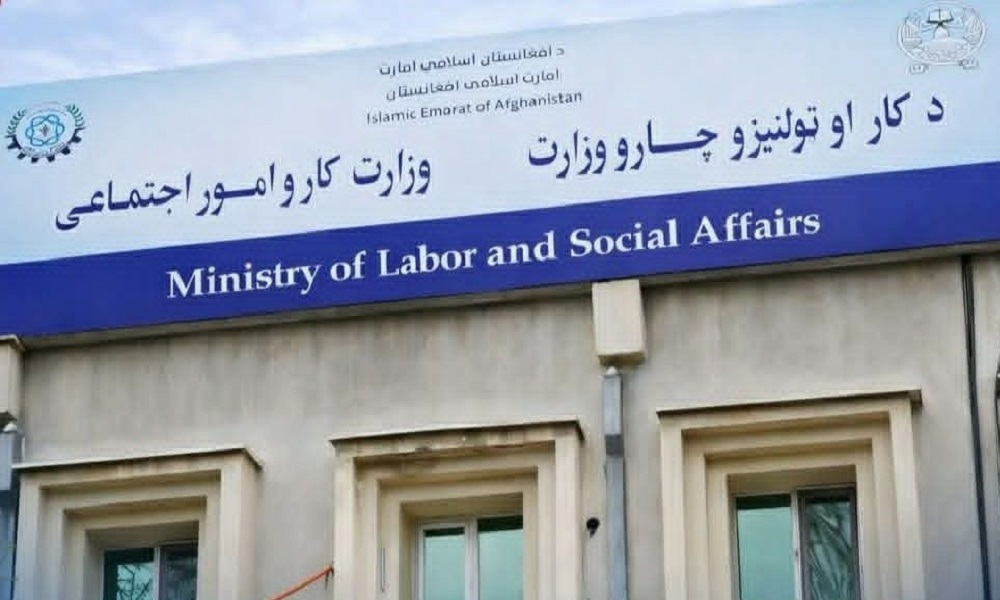
The Directorate of Child Protection at the Ministry of Labor and Social Affairs announced on Saturday that in the solar year 1404, through the implementation of extensive support programs and the handling of thousands of protective cases, it has achieved significant accomplishments in securing rights, raising awareness, and improving the situation of children across Afghanistan.
According to the directorate, the registered cases have been organized into 23 different categories, allowing for targeted and specialized handling of each type of case. In the area of awareness-raising, extensive programs have also been implemented to improve the general knowledge of children and their families, resulting in 404,207 children and family members being informed about child rights, explosive hazards, environmental protection, and other important topics.
To strengthen local structures and accelerate case management, the Directorate of Child Protection, within the framework of its 1404 work plan, established 20 new committees at the district level in provincial centers. These committees play a key role in coordinating between government offices, rapidly identifying cases, and providing support services. Currently, child protection committees are active in 204 districts and regularly review and resolve children’s issues.
Latest News
Severe rainfall and natural disasters cause heavy casualties across Afghanistan
At least 61 people have been confirmed dead, with 116 others injured. Four individuals remain unaccounted for as search and rescue operations are underway.
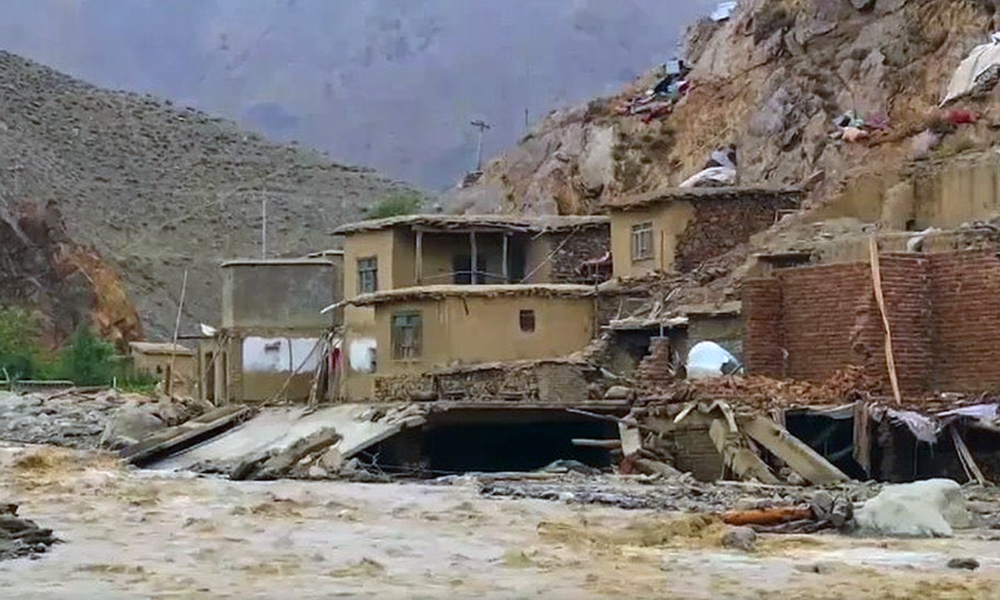
The Spokesperson for the Islamic Emirate of Afghanistan, Zabihullah Mujahid, has confirmed widespread devastation across the country following a series of natural disasters and heavy rainfall. The toll continues to rise as authorities assess the damage.
At least 61 people have been confirmed dead, with 116 others injured. Four individuals remain unaccounted for as search and rescue operations are underway. The disaster has also led to the destruction of 2,448 homes, leaving thousands displaced, while 26,841 acres of agricultural land have been severely damaged. In addition, the storm claimed the lives of 1,045 livestock animals, further exacerbating the already dire situation for rural communities.
In a statement, Mujahid emphasized the ongoing relief efforts. The Islamic Emirate is mobilizing all available resources to assist the hardest-hit regions and ensure the swift recovery of affected communities. The focus remains on providing immediate aid, including shelter, medical supplies, and food, while also beginning the long-term process of reconstruction and recovery.
Authorities have urged citizens in vulnerable areas to remain vigilant as more rain is forecast, adding to the urgency of the ongoing relief operations.
Latest News
Afghan citizens reported among casualties in US, Israeli attacks, Iran says
As of now, authorities of the Islamic Emirate of Afghanistan have not issued an official response to the claims.
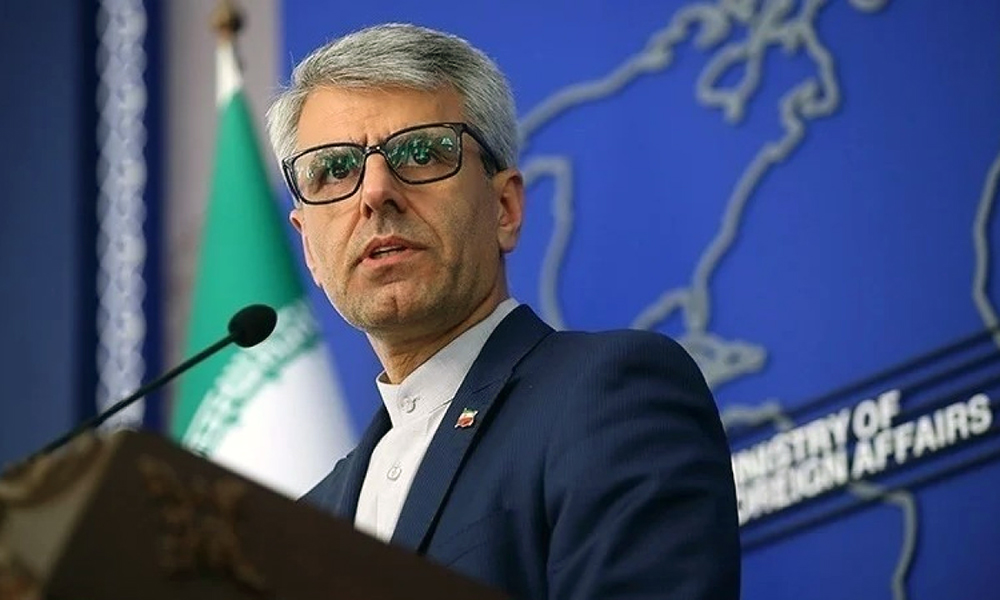
Iran’s Embassy in Kabul, citing Foreign Ministry spokesperson Esmaeil Baghaei, has stated that a number of Afghan citizens were killed or injured during what Tehran described as a 35-day military campaign carried out by the United States and Israel.
According to the statement, the Afghan nationals were living in Iran at the time of the attacks. Baghaei referred to them as “honored guests” of the country, adding that some lost their lives while others sustained injuries during the reported strikes.
He did not provide specific figures regarding the number of Afghan casualties or further details about the incidents.
As of now, authorities of the Islamic Emirate of Afghanistan have not issued an official response to the claims.


Around 15,000 cases of vulnerable Afghan children addressed over past year

Severe rainfall and natural disasters cause heavy casualties across Afghanistan

Kazakhstan eyes rare metals mining projects in Afghanistan and Rwanda

Afghan citizens reported among casualties in US, Israeli attacks, Iran says

Save the Children: Nearly one Afghan child killed or injured daily by explosive remnants

Prominent Muslim scholar issues fatwa calling for Afghanistan-Pakistan ceasefire

IEA Supreme Leader issues Eid-ul-Fitr message urging unity and support for Islamic system

14 Pakistani soldiers killed after military post falls along Durand line: MoD

Afghanistan steps in to replace Iran in supplying fruits and vegetables to Russia

Afghan airstrikes target Pakistani military sites in retaliation for air attacks

Tawsia: This week’s key economic developments in Afghanistan discussed

Tahawol: Start of talks between Kabul-Islamabad in China discussed

Saar: Ongoing US and Israeli attacks on Iran discussed

Tahawol: Ongoing US–Israeli war with Iran discussed

Saar: Afghanistan-Pakistan talks in China discussed
-
 Latest News3 days ago
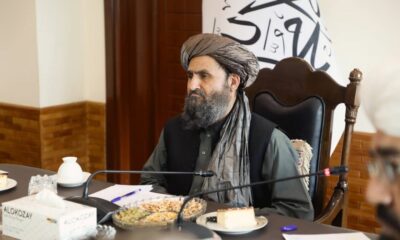
Baradar approves 17 projects worth over one billion AFN
-

 Business4 days ago
Russia backs Uzbekistan–Afghanistan trade hub, praises regional economic cooperation
-
 Sport4 days ago
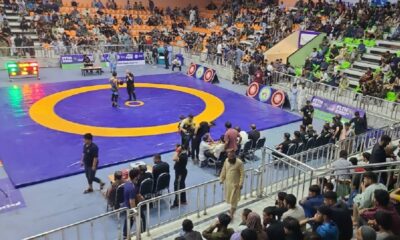
ATN secures broadcast rights for inaugural Afghanistan Wrestling Premier League
-

 Sport4 days ago
ATN to broadcast second season of Ariana Snooker Championship
-

 Sport4 days ago
Rajasthan Royals outclass Chennai Super Kings as IPL action continues
-
 Regional4 days ago
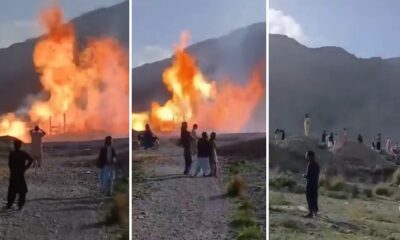
Gas pipeline blown up in southern Pakistan, says official
-
 Latest News4 days ago
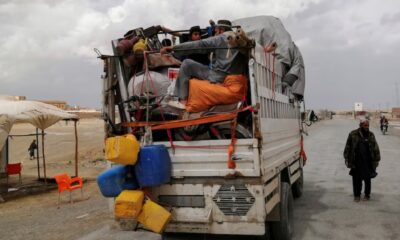
Islamic Relief Worldwide urges Afghanistan–Pakistan de-escalation, calls for aid to displaced
-

 Latest News3 days ago
Afghan delegation heads to China for talks with Pakistan