
Latest News
MPs accuse security bodies of failing to safeguard the lives of civilians

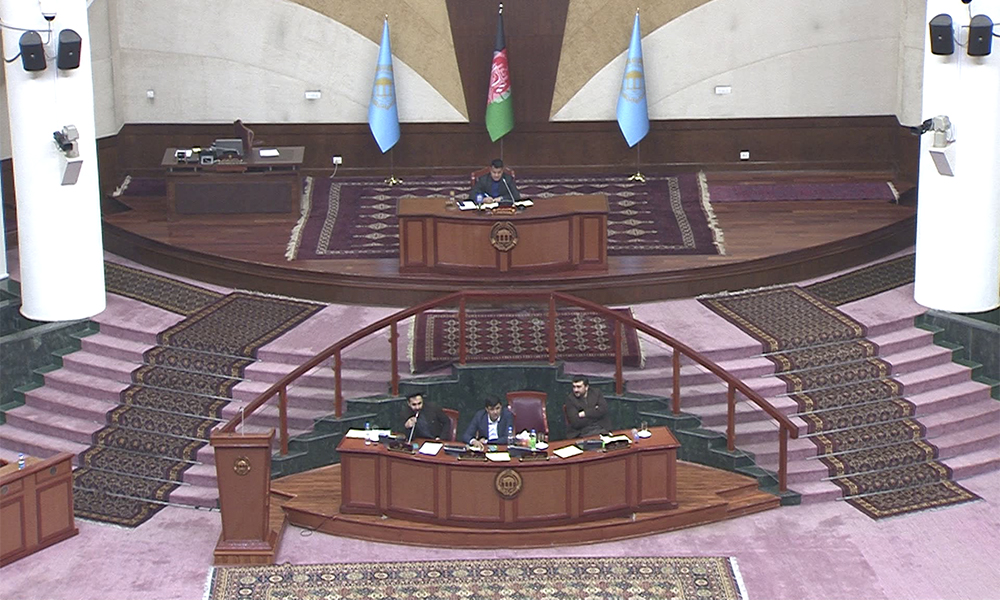
Some members of the Wolesi Jirga (Lower House of Parliament) said on Monday that since the start of First Vice President Amrullah Saleh’s 6.30am daily meetings, security in Kabul has deteriorated.
They said that government has failed to maintain security and because of this the number of people killed has increased.
“People want security, but they are making sacrifices everyday, and no one hears their voices. Kabul’s situation is bad and the situation in the provinces is worse. The country has become a slaughterhouse, and no one is being held responsible,” said one MP Mohammad Zahir Tamim.
“Security has not been provided since the implementation of the security charter but insecurity has increased. Government should investigate the blood of victims,” said another MP, Abdul Khaliq.
“The security sector is paralyzed, the daily 6:30am sessions are useless and have created a crisis in Afghanistan,” a third MP, Khalid Asad said.
Mir Rahman Rahmani, head of the Wolesi Jirga, agreed and said officials had failed to provide security.
“Security institutions can’t control the terrorist attacks; the people who vowed to bring security now do not have answers for the people; we should summon the security bodies [to answer to parliament],” said Rahmani.
On the other hand, Saleh said after Monday’s security meeting that insurgent groups plan to use fake MP vehicle registration plates in order to sow chaos. He informed the public that the current plates in use are no longer valid and that MPs need to exchange these for new ones through the ministry of interior.
This comes after MP Khan Mohammad Wardak survived an explosion that targeted his convoy in Kabul city on Sunday.
Ten people were killed in the explosion and another 52 were wounded – including Wardak.

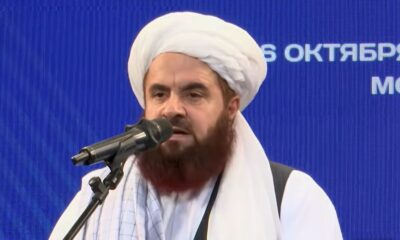
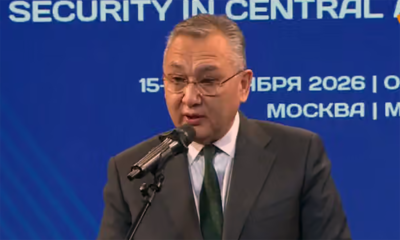


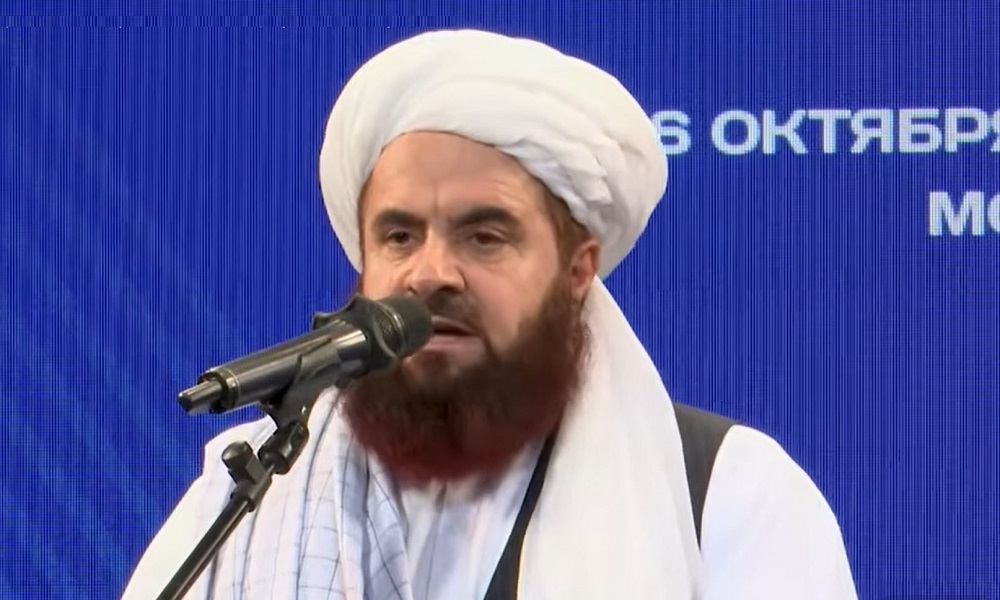
Gul Hassan Hassan, the Islamic Emirate of Afghanistan’s (IEA) ambassador to Russia, said on Friday that the group’s leadership and centers had been completely eliminated from Afghan territory.
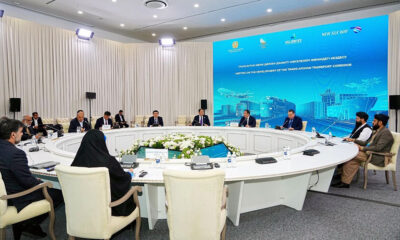
He made the remarks during a joint security conference in Moscow involving the Collective Security Treaty Organization (CSTO), the Commonwealth of Independent States (CIS) and the Shanghai Cooperation Organization (SCO), which focused on security issues in Central Asia and Afghanistan.
Hassan stressed that the IEA would not allow anyone to use Afghan territory against other countries.
He also said the IEA had made significant progress in strengthening security, combating narcotics and boosting the country’s economy over the past five-plus years.
Latest News
CSTO chief says IEA has become long-term political actor in Afghanistan
Masadykov said CSTO member states have stepped up bilateral engagement with the IEA authorities in Kabul to promote economic development.
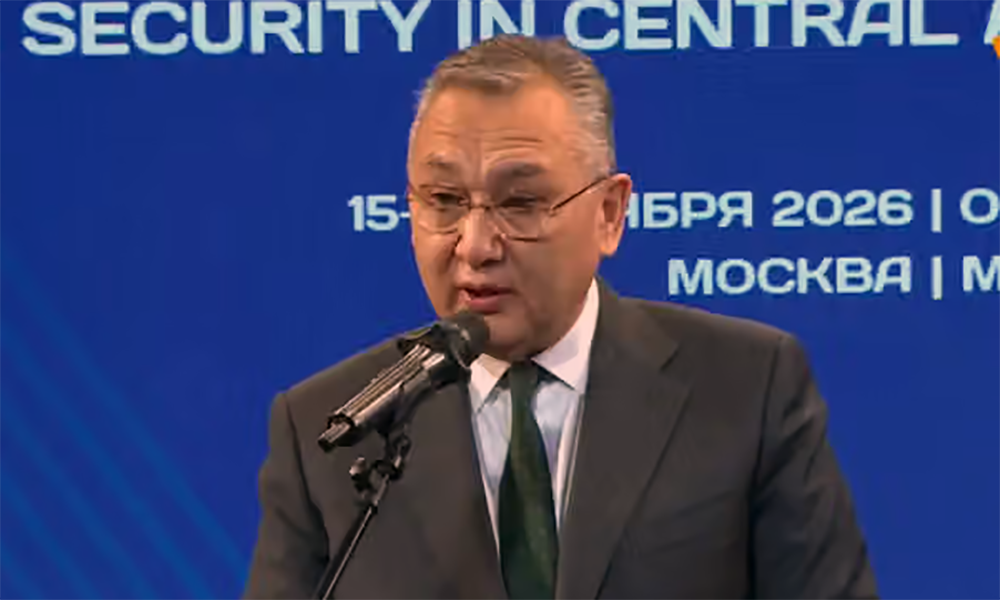
Talatbek Masadykov, secretary-general of the Collective Security Treaty Organization (CSTO), has said the Islamic Emirate of Afghanistan (IEA) has become a long-term political actor in the country, noting that most CSTO member states have intensified contacts with IEA officials.
Masadykov said CSTO member states have stepped up bilateral engagement with the IEA authorities in Kabul to promote economic development, strengthen social stability and reduce security risks originating from Afghanistan.
He stressed that Afghanistan urgently needs peace, stability and economic development, adding that addressing poverty, drug trafficking, terrorist activities, armed conflicts and other security threats requires pragmatic, coordinated and gradual international engagement with the country.
The CSTO secretary-general also highlighted the importance of closer coordination among the CSTO, the Commonwealth of Independent States (CIS) and the Shanghai Cooperation Organization (SCO) in supporting peace and stability in Afghanistan.
Masadykov made the remarks during a joint meeting of representatives from the three organizations focused on security in Central Asia and Afghanistan.
Latest News
Lavrov warns of western-backed ‘color revolutions,’ raises concerns over Afghanistan’s regional security
He also warned that radical groups were seeking to use Afghanistan as a launching pad to expand threats towards Central Asia and Russia.
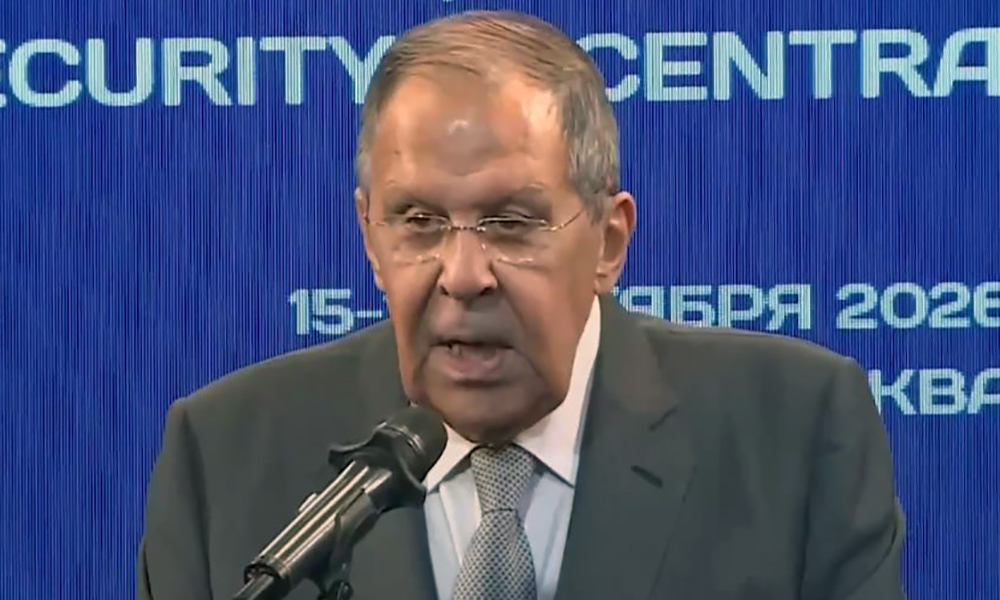
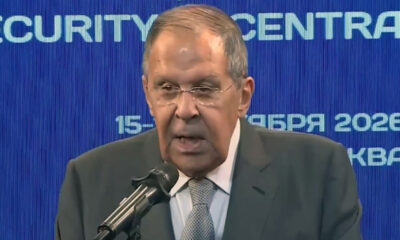
Russian Foreign Minister Sergey Lavrov has warned that any country, including Russia’s partners in Central Asia, could become a target of what he described as Western-orchestrated “color revolutions,” while raising concerns about security threats emerging from Afghanistan.
According to Russia’s TASS news agency, Lavrov made the remarks on Friday, October 16, during a conference on security in Central Asia and Afghanistan in Moscow, attended by representatives of the Collective Security Treaty Organization (CSTO), the Commonwealth of Independent States (CIS) and the Shanghai Cooperation Organization (SCO).
Lavrov said attempts to initiate such movements in several neighbouring countries had already been thwarted.
Lavrov Raises Concerns Over Afghanistan’s Security Legacy
Referring to the two decades of US and NATO military presence in Afghanistan, Lavrov said the consequences of what he described as an unsuccessful occupation would take a long time to overcome.
He also warned that radical groups were seeking to use Afghanistan as a launching pad to expand threats towards Central Asia and Russia.
This comes as the Islamic Emirate of Afghanistan has repeatedly stated that Afghan territory will not be used against any neighboring country, and that no armed group will be permitted to operate.
The meeting was held with the participation of representatives from the Collective Security Treaty Organization, the Commonwealth of Independent States, and the Shanghai Cooperation Organization.


Tawsia: Efforts to increase energy production capacity in Afghanistan

Afghanistan Champions League: Abu Muslim Farah beat Sarsabz Yashlar 3-1

IEA ambassador: Daesh leadership and centers ‘completely’ eliminated in Afghanistan

Regional partners seek progress on Trans-Afghan corridor and CASA railway

CSTO chief says IEA has become long-term political actor in Afghanistan

Cricket Bonanza: Afghanistan set for packed international schedule

Afghanistan says 28 killed, 32 captured in Nuristan operation

Silk Road highway in Wakhan corridor now reaches the China border

CNN, MS NOW and Politico sue Trump, challenging White House ban

Dogharoun handles 60% of Iran’s exports to Afghanistan
Tawsia: Efforts to increase energy production capacity in Afghanistan

Saar: Review of state officials’ visits to Kabul over past month discussed

Tahawol: Kyrgyzstan’s rejection of Afghan refugees discussed

Saar: Central Asia’s trade alternative to Pakistan discussed

Tahawol: Warnings over worsening insecurity in Pakistan discussed
-
 World5 days ago
One dead in new attack on Saudi airport, a day after Houthi strike kills 13
-
 Latest News2 days ago
Afghan official says Durand Line crossings to remain closed until Islamabad accepts demands
-
 Sport3 days ago
Afghan futsal coach: Brazil tournament is first step towards new goals and World Cup
-
 Regional5 days ago
Pakistan deploys military to Peshawar after emergency rule declared
-
 Business4 days ago
Afghanistan, US business leaders discuss trade and investment opportunities
-
 Sport4 days ago
Afghanistan U19 begin Asia Cup Preparations with Oman tour
-
 Latest News5 days ago
Mujahid accuses Pakistani military circles of sabotaging talks with Afghanistan
-
 Latest News5 days ago
Afghanistan calls for faster completion of CASA-1000 power project