
Latest News
National Journalists Day sparks reaction from Afghanistan’s media workers

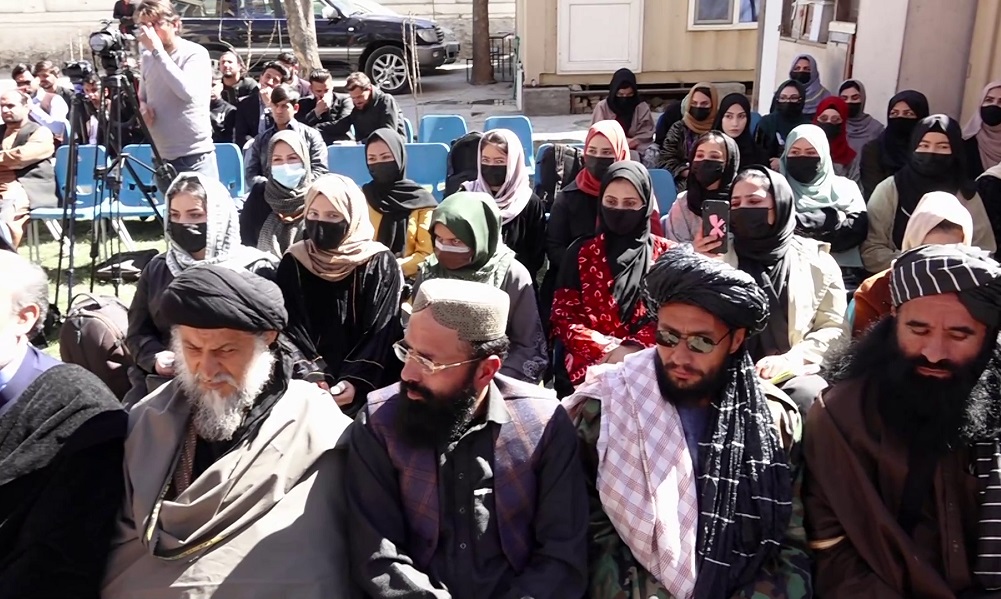
Marking Afghanistan’s National Journalists Day on Monday, journalists around the country raised concerns over the lack of access to information and the media restrictions they face.
One journalist, Heela Mohmand, said: “In addition to the fact that restrictions have increased, there are other problems. Women should be attended to. Many sisters and mothers are journalists, and they are facing many problems. I am also unemployed.”
Meena Habib, another journalist, said: “Some have lost their income and many have great problems due to the lack of access to information. We journalists still cannot obtain accurate information. Many spokespersons refuse to provide information to women. In many cases, when they find out that a woman is calling them, they don’t answer.”
Media advocacy groups consider the right to access accurate and timely information important in the field of reporting. These groups also called better working conditions for journalists in the country.
“This year, compared to last year, the number of female journalists has increased. Currently, 745 female journalists are working in the media. Last year, their number was 601,” said Hujjatullah Mujaddidi, head of the Afghan Independent Journalists Union.
The Ministry of Information and Culture emphasized that the current situation is favorable for the media and that the ministry is committed to supporting the media in various areas. The ministry also called on the media to continue their activities based on Islamic principles and national values.
Khubaib Ghufran, spokesman for the Ministry of Information and Culture, said: “Since the Ministry of Information and Culture is a support authority for journalists and the media, it ensures that it supports the country’s journalists in any area they face problems and in case they need anything, whether in the field of access to information or in the field of financial support to address their problems, for which work is underway to create a mechanism. Similarly, if journalists have a complaint, it will be addressed by the Media Violations Commission.”
Currently, 470 media outlets are operating in the country, including 84 television stations, 273 radio stations, 57 news agencies, and 52 print media outlets. 745 female journalists work in these media outlets.

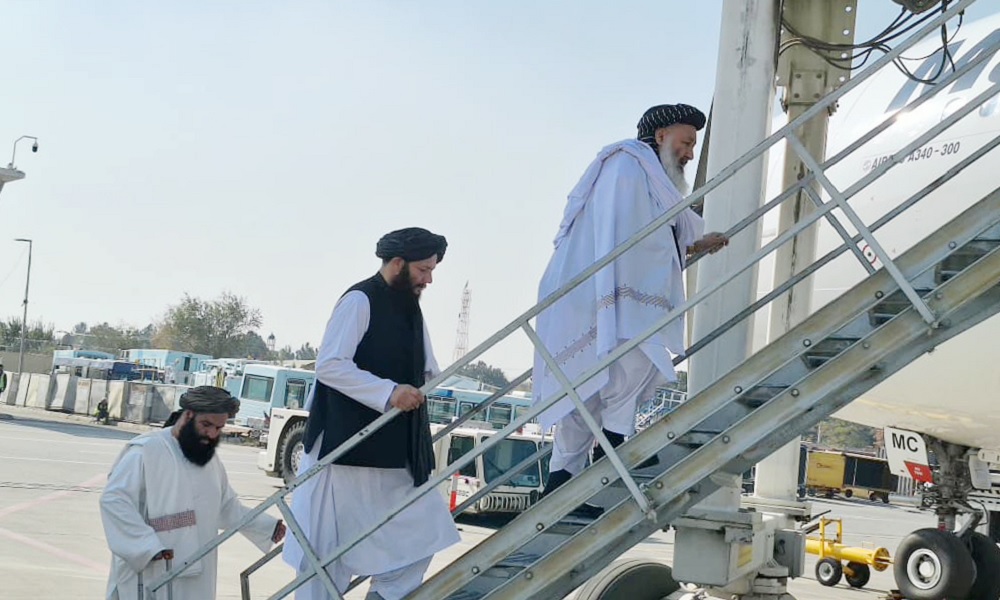
Afghanistan’s Minister of Finance, Mohammad Nasir Akhund, has travelled to Iran at the head of a delegation following an official invitation from Iran’s Minister of Agriculture, the Ministry of Finance said.
During the visit, Akhund is expected to meet with various Iranian officials to discuss bilateral economic, trade, customs and other related issues.
The visit will also include discussions on key topics for an upcoming meeting of the joint economic commission between Afghanistan and Iran.
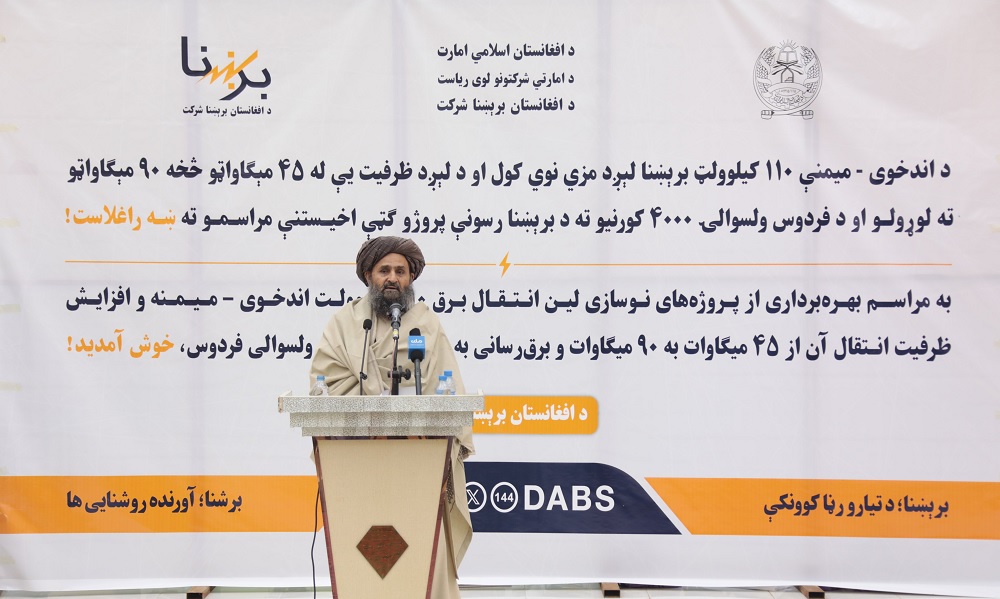
Afghanistan’s Deputy Prime Minister for Economic Affairs, Mullah Abdul Ghani Baradar, on Saturday inaugurated the rehabilitated 110-kilovolt (kV) power transmission line connecting Maimana and Andkhoy in Faryab province.
According to the Deputy Prime Minister’s Office for Economic Affairs, the completion of the project will provide around 60,000 consumers with a more stable and reliable electricity supply.
Speaking at the inauguration ceremony, Baradar said the project would help meet local electricity needs, expand industrial activities and contribute to the region’s economic and social development.
He said the Islamic Emirate of Afghanistan (IEA) had implemented several electricity generation and transmission projects in a relatively short period, reducing reliance on imported electricity and power outages while creating new opportunities for industrial growth.
Baradar also said several major electricity infrastructure projects would be implemented over the next year to ensure a sustainable power supply, adding that the country’s existing electricity capacity would increase several times.
Addressing Afghanistan’s security situation, Baradar said the country was currently experiencing a level of security that he claimed was unmatched in most countries. He added that foreign tourists and visitors had continued to travel to Afghanistan since the IEA returned to power, including to remote areas of the country.
He rejected security-related concerns raised by some countries over travel to Afghanistan, describing them as unfounded and politically motivated. He called on the international community to strengthen meaningful engagement with Afghanistan based on realities on the ground.
Baradar also invited domestic and foreign investors to invest in Afghanistan, saying a secure and suitable environment had been created for large- and medium-scale investments.
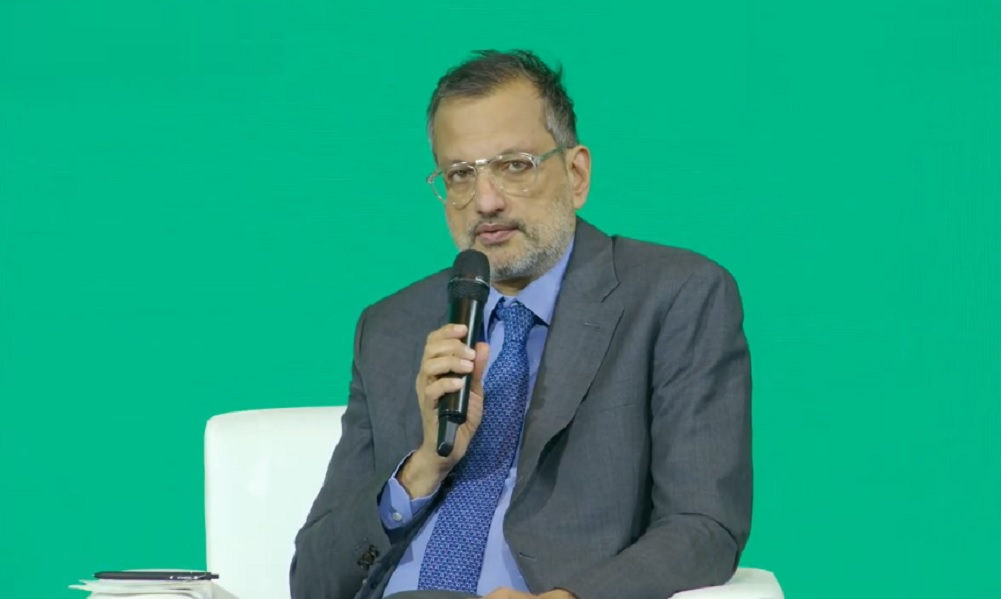
The UN refugee agency’s representative in Afghanistan has called on the international community to maintain their support for Afghanistan, warning that the return of more than 6.5 million Afghans over the past three years has placed significant pressure on the country.
Arafat Jamal, UNHCR Representative in Afghanistan, made the remarks during the eighth International Conference on Action with Women and Peace in Seoul, South Korea, where he highlighted the challenges facing returnees amid poverty, drought and climate-related disasters.
He said the returning population accounts for around 15 percent of Afghanistan’s total population, describing the influx as one of the world’s largest movements of people. He added that Afghanistan was struggling to absorb the large-scale returns due to its existing economic and humanitarian challenges.
Jamal also highlighted difficulties facing Afghan women, saying that the absence of war does not necessarily mean all citizens enjoy safety.
In a separate interview with The Korea Times during his visit to Seoul, Jamal said supporting refugees and vulnerable countries was not simply an act of charity but an investment in a safer and more stable international environment.
He stressed that Afghanistan’s strategic location, bordering seven countries including China, Pakistan and Iran, makes its stability a matter of wider international concern. Although the country is relatively calm at present, he cautioned that this situation should not be taken for granted without continued international support.

Afghanistan’s finance minister travels to Iran for official visit
Newly rehabilitated power line to benefit 60,000 consumers in Faryab
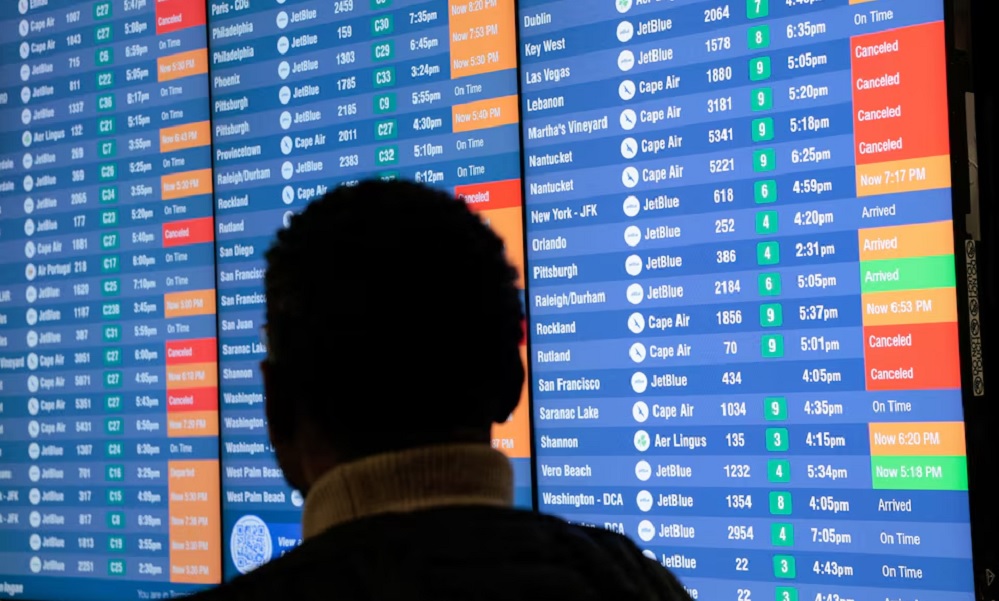
US to resume flights after air traffic network failure sparks chaos
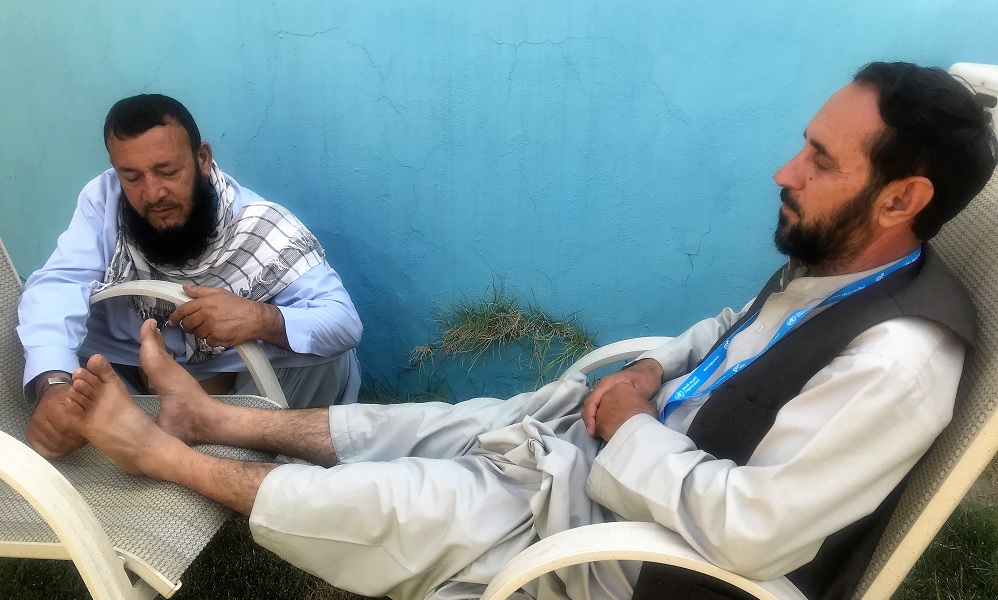
Diabetes screening available in only one in 20 public health facilities in Afghanistan: WHO
UNHCR representative urges continued international support for Afghanistan

Afghanistan finish runners-up after 6-0 defeat to Brazil in futsal final

Trump says US may strike Iran’s ‘Pickaxe Mountain’ nuclear facility

Rubio heads to Central Asia while other US officials hit foreign policy hot spots

Violent protests spread across Europe as Albanian PM blames ‘foreign hand’

Governments take websites offline as critical cyber flaws trigger global alert
Tahawol: Russia’s special attention to situation in Afghanistan discussed
Saar: Discussion on US’s humiliating defeat in Afghanistan
Tahawol: High-level Russian delegation’s visit to Kabul discussed
Saar: Afghanistan’s situation in focus at CSTO discussed
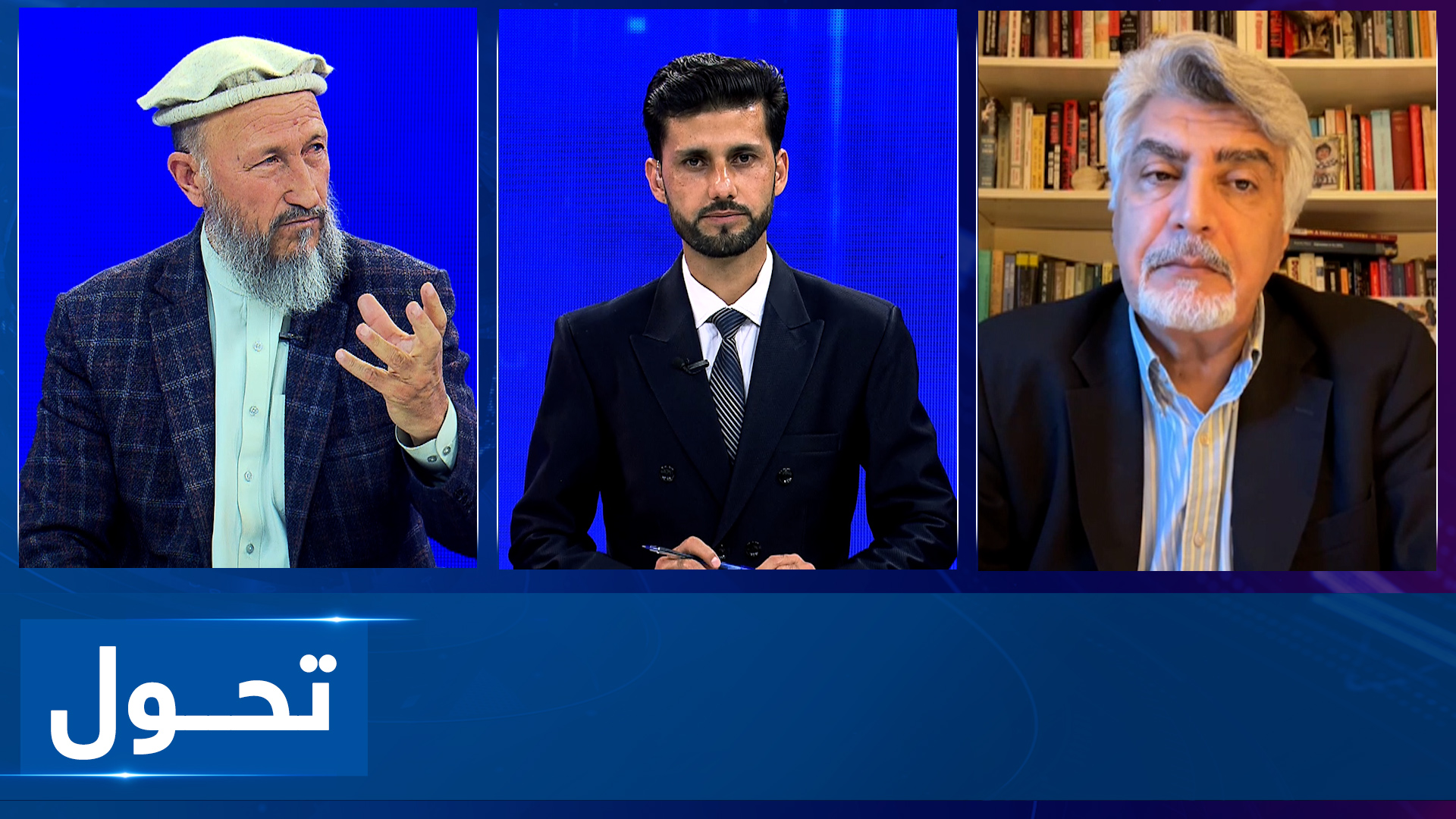
Tahawol: Efforts to halt deportation of Afghan refugees from US discussed
-
 Sport5 days ago
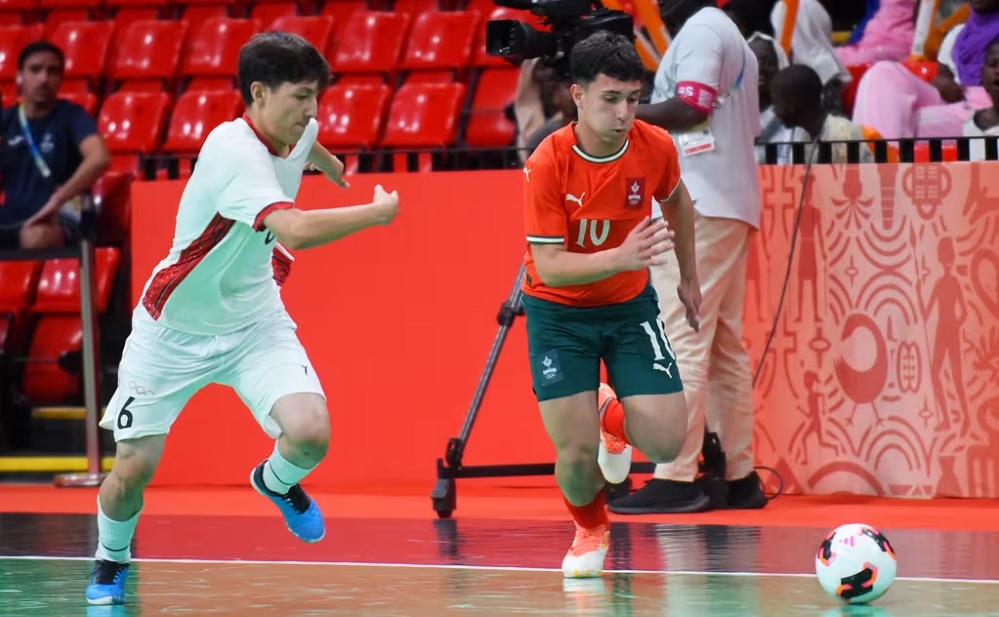
Portugal beat Afghanistan 2-0 in Dakar Youth Olympics futsal semi-finals
-
 World5 days ago
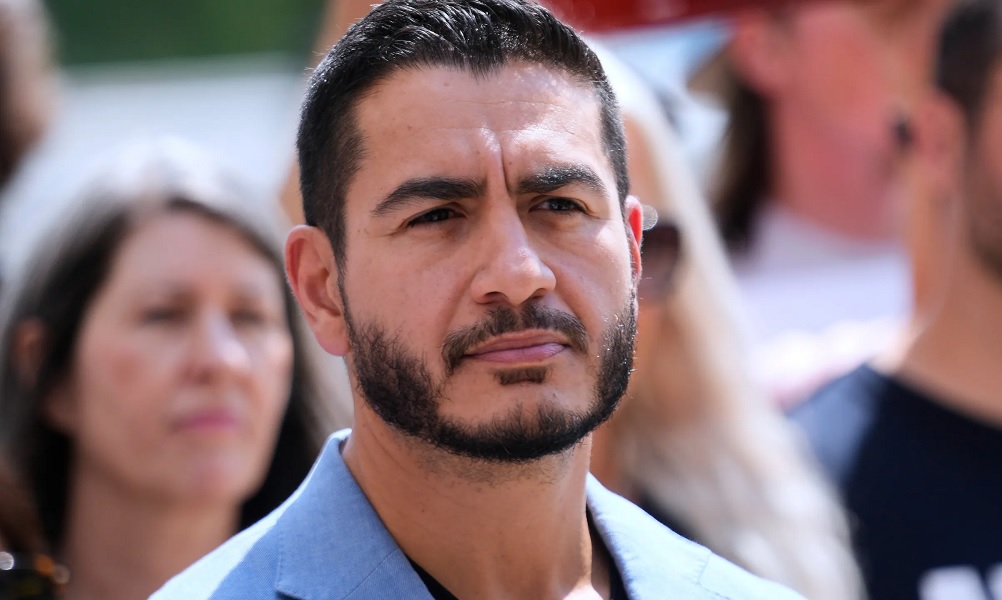
First Muslim US senator-elect El-Sayed calls for review of aid to Pakistan
-
 Sport4 days ago
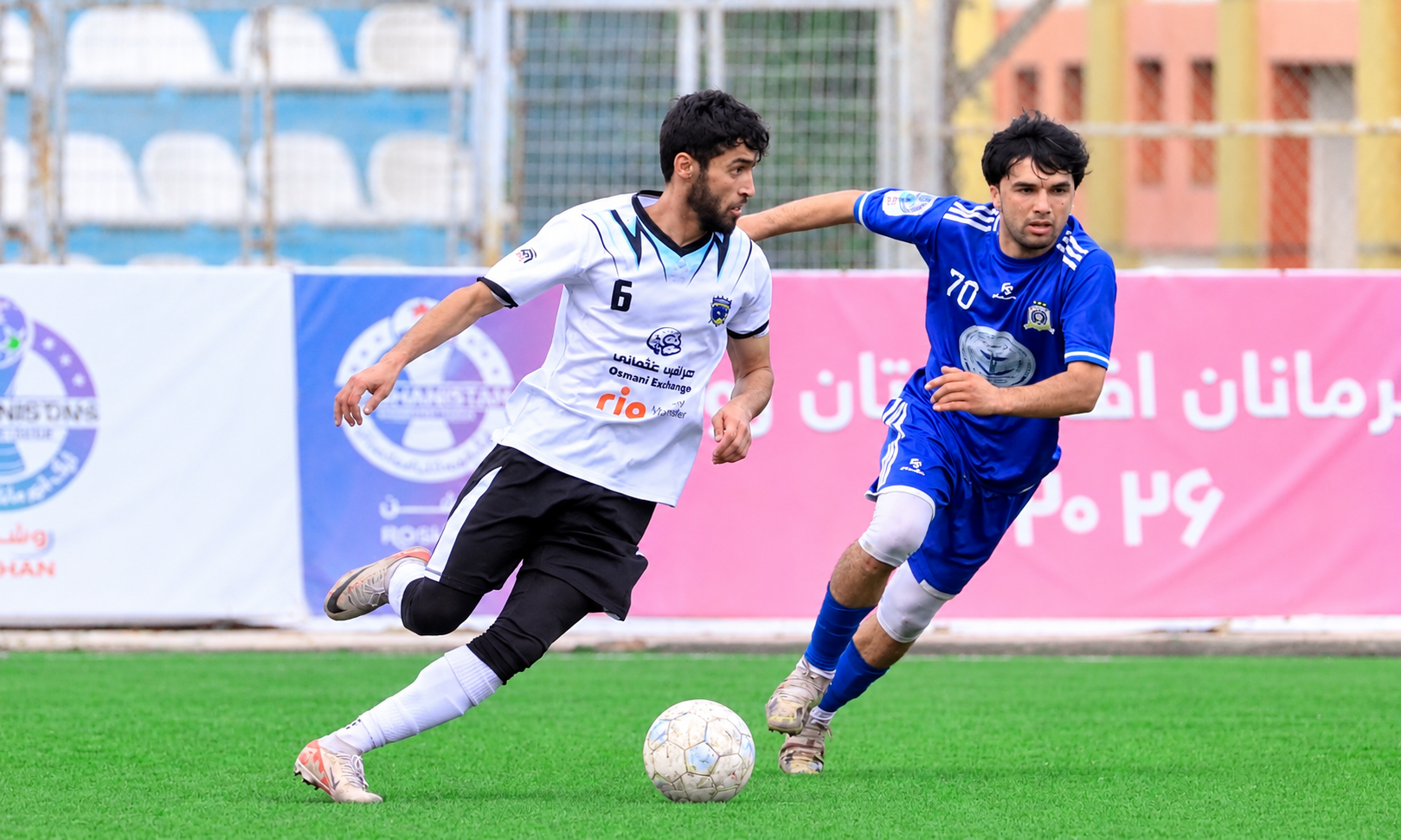
Omar Zawak thrash Istiqlal Kabul 5-1 in ACL
-

 World4 days ago
Trump says further US attacks on Iran ‘highly unlikely’ as peace talks gain momentum
-
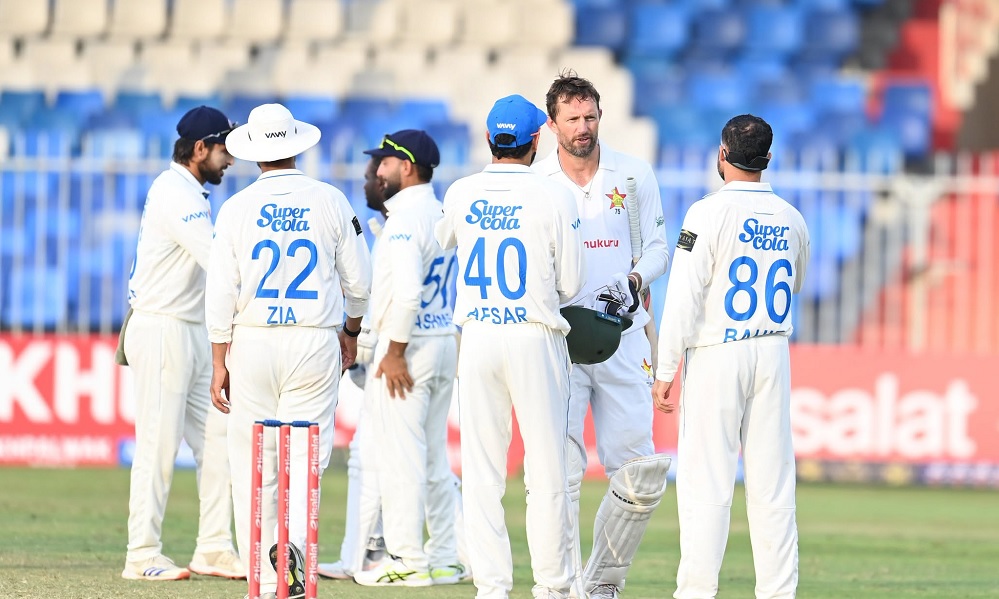 Sport5 days ago
First Test between Afghanistan and Zimbabwe ends in a draw
-
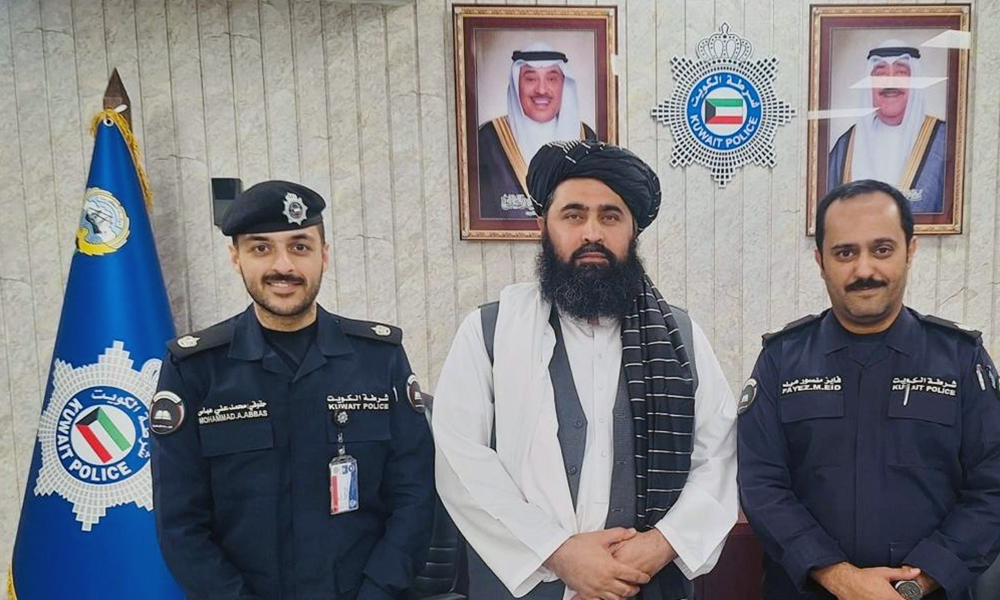 Latest News3 days ago
Afghan embassy in Kuwait discusses situation of Afghan prisoners with Kuwaiti officials
-
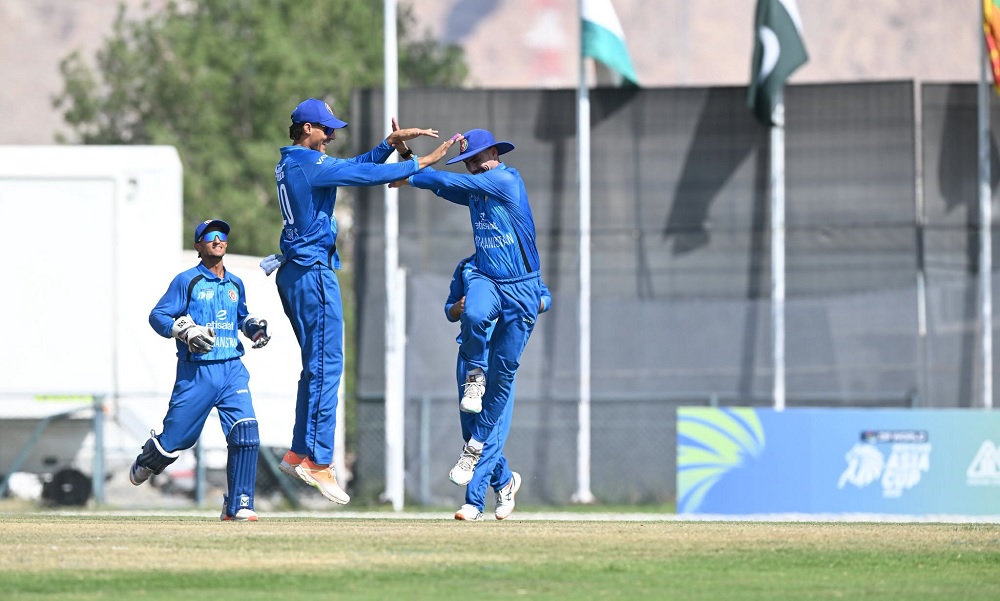 Sport5 days ago
Afghanistan beat Sri Lanka by 106 runs in Under-19s Asia Cup
-
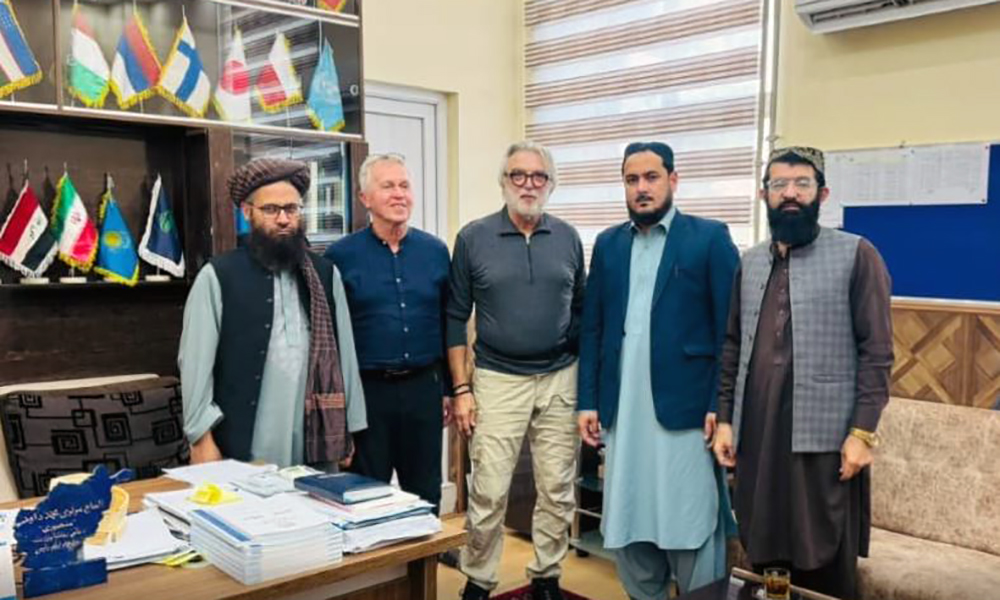 Health4 days ago
German medical team launches free surgical mission at Bamiyan provincial hospital