
Latest News
Pakistan and Afghanistan inaugurate ‘Friendship Hospital’ at Kharlachi border
The “Pak-Afghan Friendship Hospital”at the Kharlachi Border Terminal is equipped with modern facilities, a laboratory, pharmacy, cardiovascular testing services.

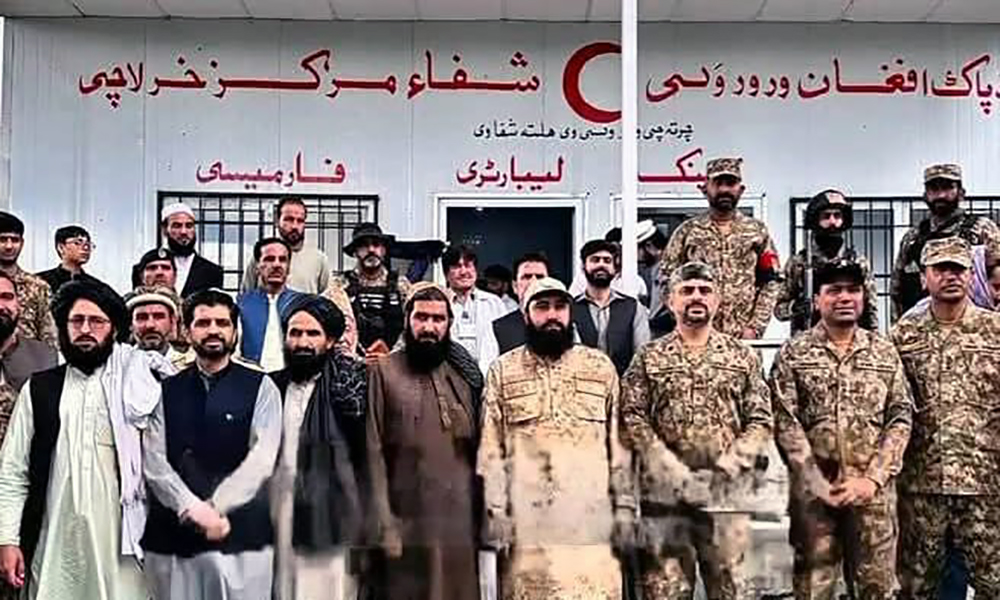
The Afghan government and Pakistan Army have jointly inaugurated a hospital at the Kharlachi border crossing between the two countries.
The “Pak-Afghan Friendship Hospital”at the Kharlachi Border Terminal is equipped with modern facilities, a laboratory, pharmacy, cardiovascular testing services and diabetes and blood pressure screening unit.
According to Pakistan’s special envoy to Afghanistan Mohammad Sadiq, the hospital is expected to serve as a vital healthcare hub, particularly for residents of the border regions and Afghan citizens seeking medical support.
The inauguration ceremony was attended by senior military officials, administrative representatives, and tribal elders from both countries.
Sadiq said the primary objective behind establishing the hospital is to strengthen friendly relations between the people of Pakistan and Afghanistan and to foster the spirit of humanitarian service.
He said the initiative has been widely appreciated by the local communities, who expressed hope that such projects will pave the way for lasting peace, enhanced cooperation, and improved welfare across the region.
The inauguration comes just days after the crossing was reopened to trade after a six-month closure.
Speaking to the media at the crossing, Pakistan’s border in-charge Major Moez and Afghanistan’s border affairs representative Maulana Javed confirmed that trade operations through this border crossing between the two countries officially resumed on Friday.
Moez credited the successful reopening to coordinated efforts between officials from both governments, security forces and tribal elders. “This step is in the best interest of both countries and will promote economic stability in the region,” he stated.
Javed in turn expressed hope for improved bilateral relations, saying: “Afghanistan desires friendly and brotherly ties with its neighbors.”




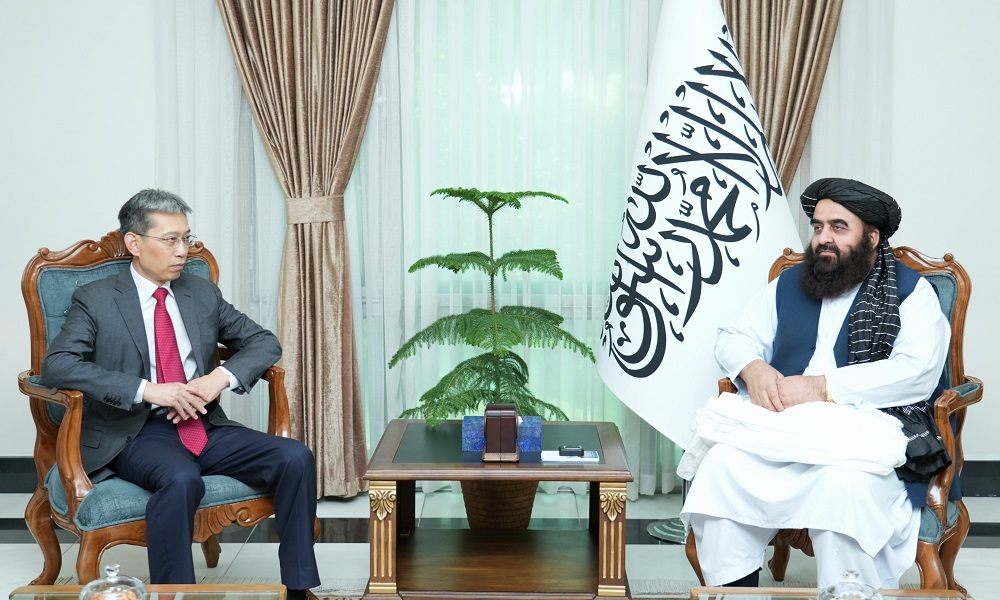
China’s Ambassador to Kabul, Zhao Sheng, has discussed bilateral relations with Afghanistan’s Foreign Minister Amir Khan Muttaqi during a farewell meeting in Kabul on Saturday.
According to the Ministry of Foreign Affairs, Muttaqi described relations between Afghanistan and China as historical and positive, praised Zhao’s tenure and wished him success in his future assignment.
Zhao, meanwhile, described ties between the two countries as friendly and thanked the Foreign Ministry for its cooperation during his tenure. He expressed hope that bilateral relations would further expand across various fields.

A representative of the Islamic Emirate of Afghanistan (IEA) said at a forum in China that a recent security operation in the northern province of Badakhshan demonstrated the capabilities of the country’s security forces to counter threats to stability.
The remarks were made at the 2026 Conference of the Global Public Security Cooperation Forum (Lianyungang) in China, where a delegation from Afghanistan’s Ministry of Interior participated. The delegation was led by Zainullah Abir, chief of staff of the minister’s office, and Abdul Rahim Saqib, a senior adviser to the ministry.
Addressing the conference, the Islamic Emirate representative cited the recent operation in Badakhshan as an example of the security forces’ ability to confront groups and individuals it described as disrupting security.
“With the assistance of Allah, our security forces have the capability to prevent any form of insecurity within the country, suppress those who disrupt security, and thwart the objectives and malicious intentions of groups seeking to destabilize Afghanistan,” he said.
He described the recent failure of what he called “security disruptors” in Badakhshan as a clear example of that capability.
The official also said Afghanistan’s security forces were committed to preventing the country’s territory from being used to carry out attacks or create insecurity against Afghans, neighboring countries or other states.
He called for greater regional cooperation on security issues, including intelligence sharing, border security, and joint efforts to combat narcotics and smuggling.
The Afghan representative also praised China’s role in supporting peace and stability in the region and said Kabul was prepared to expand security cooperation with Beijing and other regional countries.
He said Afghanistan sought peace, security and economic development based on mutual respect and shared interests.
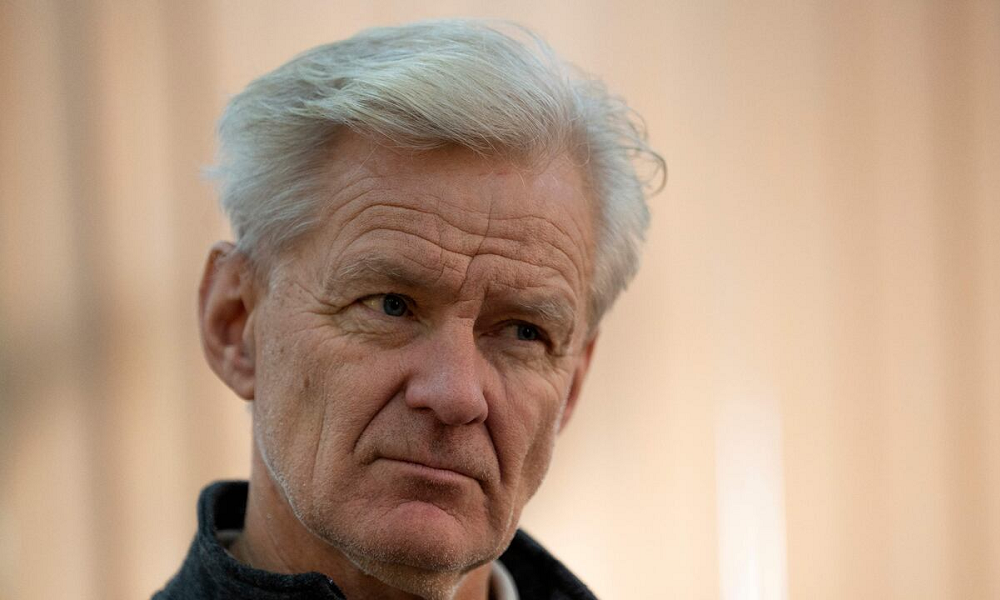
The head of the Norwegian Refugee Council (NRC), Jan Egeland, has urged governments in Europe, North America and elsewhere to reopen their embassies in Afghanistan and engage directly with the Islamic Emirate authorities.
Speaking to AFP in Kabul on Thursday, Egeland said governments should continue pressing the IEA for women’s rights while also providing humanitarian assistance to a population facing a deepening crisis.
He stressed that diplomatic engagement would not necessarily mean formally recognising the IEA authorities, whose government is officially recognised only by Russia.
“Our appeal is… come here and engage with us,” Egeland said, calling on governments to demand rights for women and girls while also offering assistance to them.
His comments came as international aid to Afghanistan has fallen sharply since the Islamic Emirate returned to power in 2021. The United Nations said it had received less than 30 percent of the funding needed to provide life-saving assistance as of late August.
Egeland also criticised governments that publicly advocate for Afghan women’s rights while reducing humanitarian funding.
“It is hypocrisy when one does that from abroad in a seminar in some capital in Europe and cut aid for food to Afghan girls and even for primary education for Afghan girls,” he said.


Zadran calls on Afghan fans to rally behind team against India

EU and FAO launch €5m programme to strengthen Afghanistan’s agrifood sector

Iran and UAE back joint BRICS statement urging restraint in war

Houthi advance in Yemen puts U.S. in a new bind

Tahawol: Norwegian delegation’s call for engagement with Afghanistan discussed

Four mediators struggle to secure lasting Pakistan-Afghanistan ceasefire

Juma Khan Fateh surrenders to IEA forces in Badakhshan

Afghanistan’s trade diversification challenges Pakistan

Syria and Saudi Arabia condemn Kabul bombing, express solidarity with Afghanistan

Afghanistan crowned champions of five-match ODI series against Ireland
Tahawol: Norwegian delegation’s call for engagement with Afghanistan discussed

Saar: Pakistan’s dual policy towards Afghanistan reviewed

Exclusive interview with ACB CEO Naseeb Khan

Saar: UN reaffirming support for Afghanistan discussed

Saar: Pakistan’s decision to expel Afghan medical students discussed
-
 Latest News5 days ago
Amnesty International condemns Pakistan order requiring Afghan medical students to return
-
 Latest News5 days ago
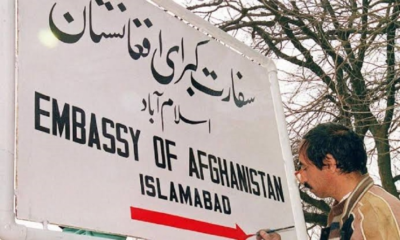
Afghan Embassy in Islamabad calls for halt to expulsion of Afghan students
-
 Latest News5 days ago
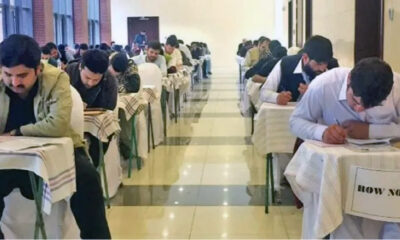
Kabul police spokesman condemns Pakistan order expelling Afghan medical students
-
 Latest News4 days ago
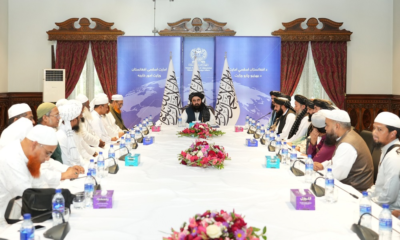
Muttaqi and Bangladeshi delegation discuss expansion of bilateral ties
-
 Regional4 days ago
Iran attacks US base in Jordan, ships near Hormuz after tankers sunk
-
 World4 days ago
US Treasury ratchets up pressure on Iran with sweeping new aviation sanctions
-
 Sport3 days ago
Afghanistan Champions League Season 6 kicks off today: Abu Muslim Farah face Sarsabz Yashlar
-
 Business4 days ago
UAE firm eyes investment in Salang’s second tunnel and pharmaceutical factories