
Latest News
Pakistani and Uzbek envoys hold talks on Trans-Afghan railway project

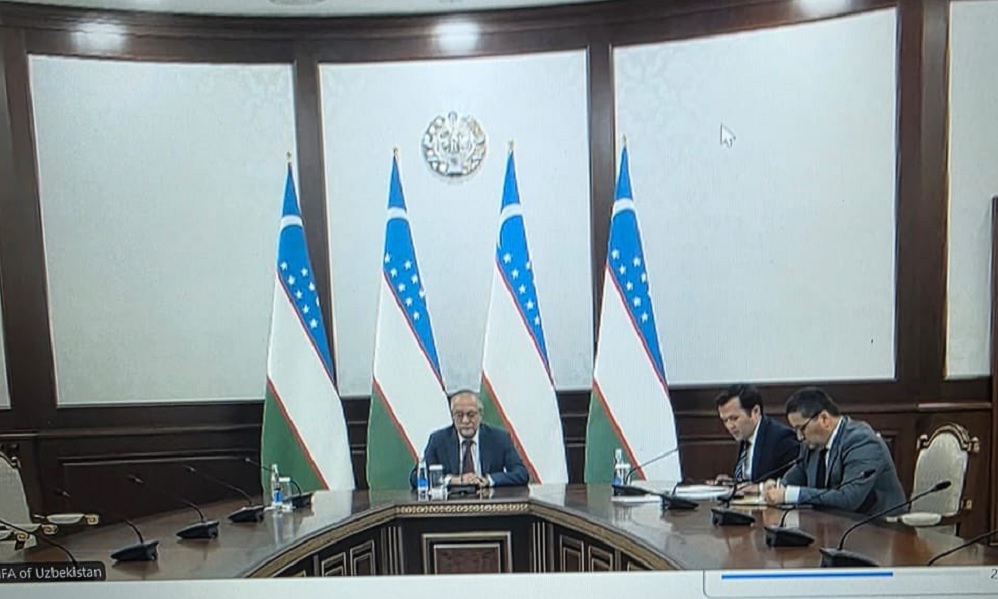
Pakistan’s Special Envoy for Afghanistan, Mohammad Sadiq, held a virtual meeting with his Uzbek counterpart, Ismatullah Ergashev, to discuss regional cooperation and progress on the ambitious Trans-Afghan railway project.
The two envoys engaged in wide-ranging discussions on their countries’ respective relations with Afghanistan, emphasizing areas such as trade, economic cooperation, and capacity building. Central to the dialogue was the Uzbekistan–Afghanistan–Pakistan railway project, which aims to connect Heratan in northern Afghanistan, near the Uzbek border, to Kharlachi, situated on the Durand Line.
Describing the meeting as “productive,” Mohammad Sadiq said the connectivity initiative holds strategic importance for the entire region. “This vital connectivity initiative will play a significant role in Afghanistan’s development and the broader progress of our region,” he stated in a post on X following the talks.
The three countries signed an agreement in February 2021 to construct a 573-kilometer railway line through Afghanistan, connecting landlocked Central Asia to Pakistan seaports, with an estimated cost of $4.8 billion to enhance regional economic connectivity.

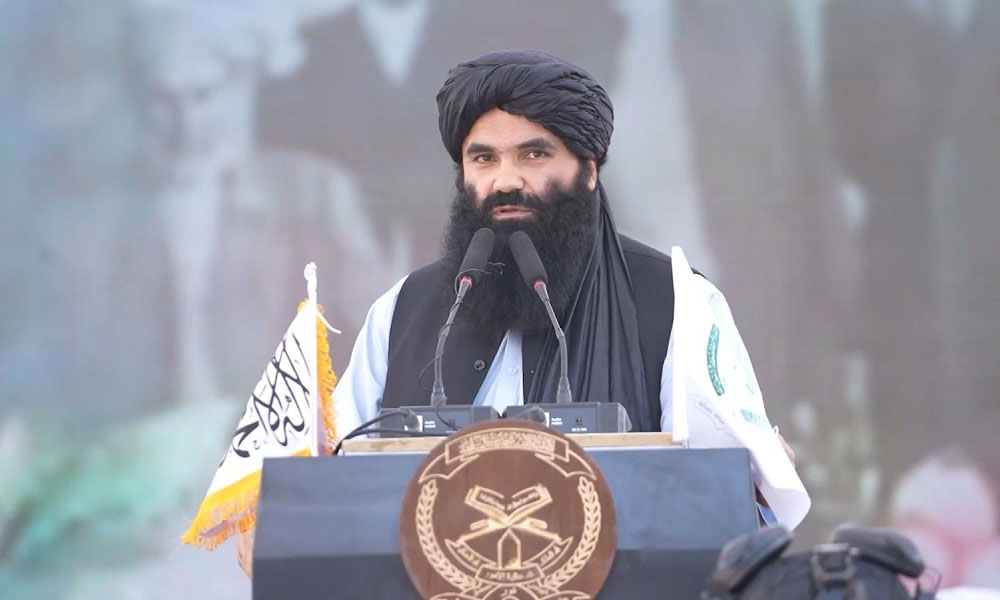
Afghanistan’s Ministry of Interior Affairs says Sirajuddin Haqqani attended a graduation ceremony for more than 400 students of Noor-ul-Madaris Madrasa in Ghazni province.
The ministry said graduates from various departments of the madrasa received their graduation certificates at the ceremony.
According to the ministry, Haqqani highlighted the importance of education, good conduct and personal reform, while praising the contributions of religious scholars and clerics to the country’s academic and jihad-related efforts, as well as its reconstruction.
He also called on people to follow the teachings and example of religious scholars and predecessors and uphold their moral values and good conduct.
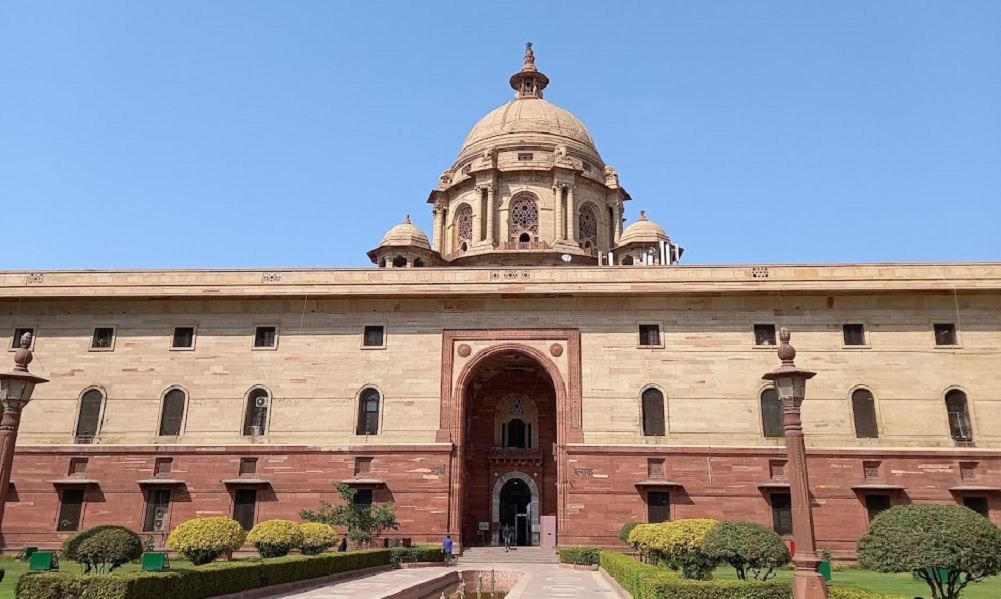
India has made it mandatory for Afghan Hindus and Sikhs who entered the country without valid travel documents to obtain visas to continue their stay.
The Indian Ministry of Home Affairs amended the Immigration and Foreigners (Exemption) Order, 2025, through a notification issued on Wednesday, The Hindu reported.
Under the amendment, Afghan Hindus and Sikhs who entered India on or before December 31, 2024, must obtain an appropriate category of visa to remain in the country.
The provision applies to those who entered India without valid travel documents or whose documents have since expired after seeking shelter due to religious persecution or fear of persecution.
The amendment retains an earlier exemption introduced on September 2, 2025, which allowed members of six non-Muslim communities from Afghanistan, Pakistan and Bangladesh to enter India without valid passports or visas. However, the latest notification requires them to obtain an appropriate visa after entering the country to continue their stay.
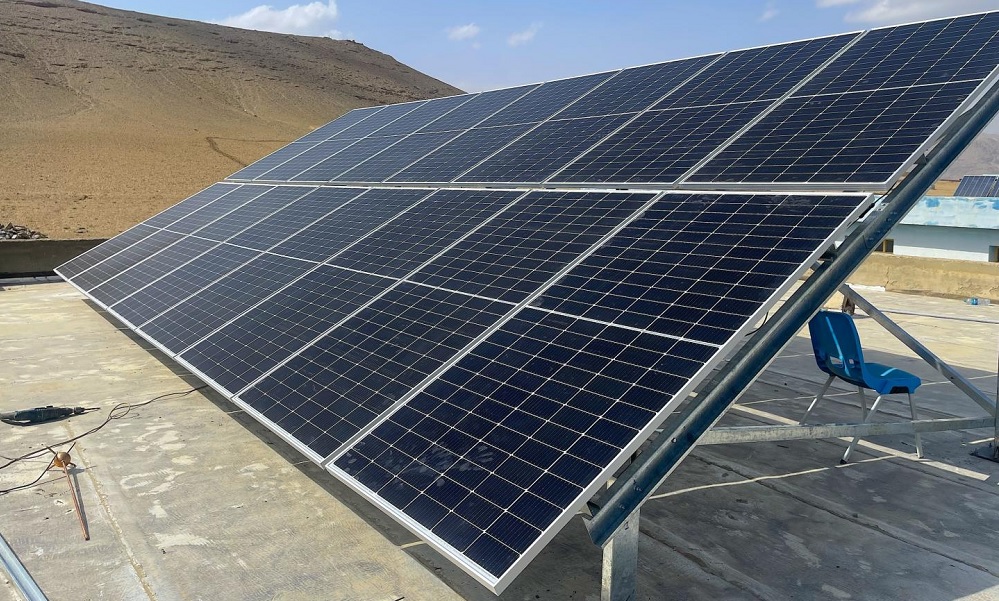
Afghanistan has the potential to generate up to 220 gigawatts of electricity from solar energy, yet it spends more than $280 million annually on electricity imports, the United Nations Development Programme (UNDP) says.
In a post on social media platform X on Thursday, UNDP said tapping into the country’s solar energy potential could reduce its reliance on imported electricity and expand public access to clean and sustainable energy.
According to the agency, more than 80 percent of Afghanistan’s electricity needs are currently met through imports, despite the country’s estimated solar power generation potential of up to 220 gigawatts.
Afghanistan imports most of its electricity from Tajikistan, Uzbekistan, Turkmenistan and Iran. Despite having considerable solar, wind and hydropower resources, the country has remained heavily dependent on foreign electricity supplies.
UNDP said that since 2021, its projects have helped more than 5.5 million people in Afghanistan gain access to clean energy.
The agency stressed the need for greater investment and cooperation among relevant institutions to harness Afghanistan’s solar energy potential and expand sustainable domestic electricity generation.


Abu Muslim Farah claim convincing 3-0 win over Omar Zawak in ACL
Haqqani attends graduation ceremony of over 400 students in Ghazni

Afghanistan trail Zimbabwe by 391 runs at stumps on day two of first test
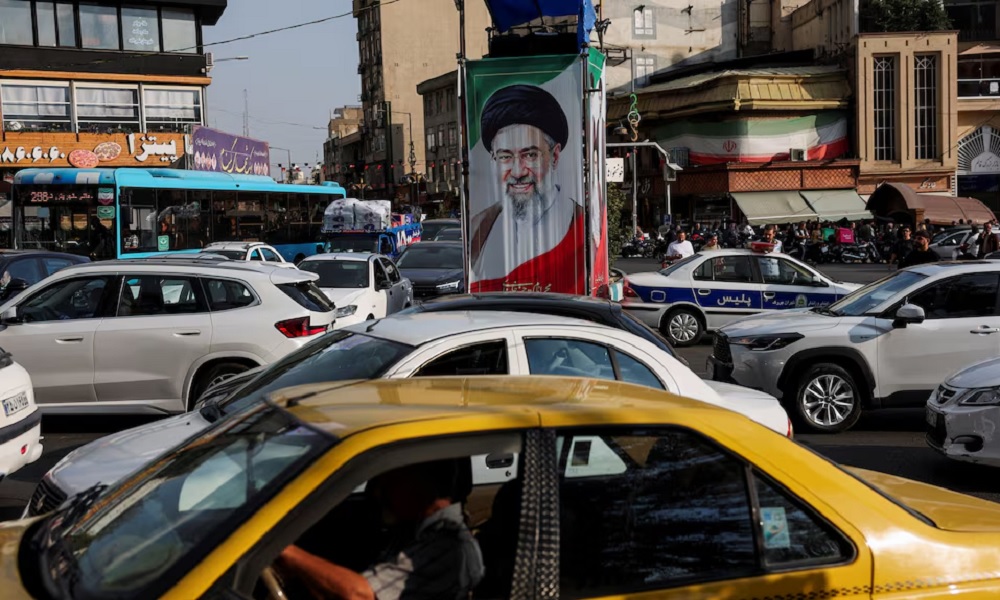
Iran sent nuclear proposal to the US via Qatar, senior Iranian official tells Reuters
India makes visas mandatory for Afghan Hindus and Sikhs to continue their stay

Afghanistan finish runners-up after 6-0 defeat to Brazil in futsal final

Trump says US will not attack Iran before midterm elections in November

Trump says US may strike Iran’s ‘Pickaxe Mountain’ nuclear facility

Afghan futsal coach: Brazil tournament is first step towards new goals and World Cup

WHO calls for greater mental health support in Afghanistan
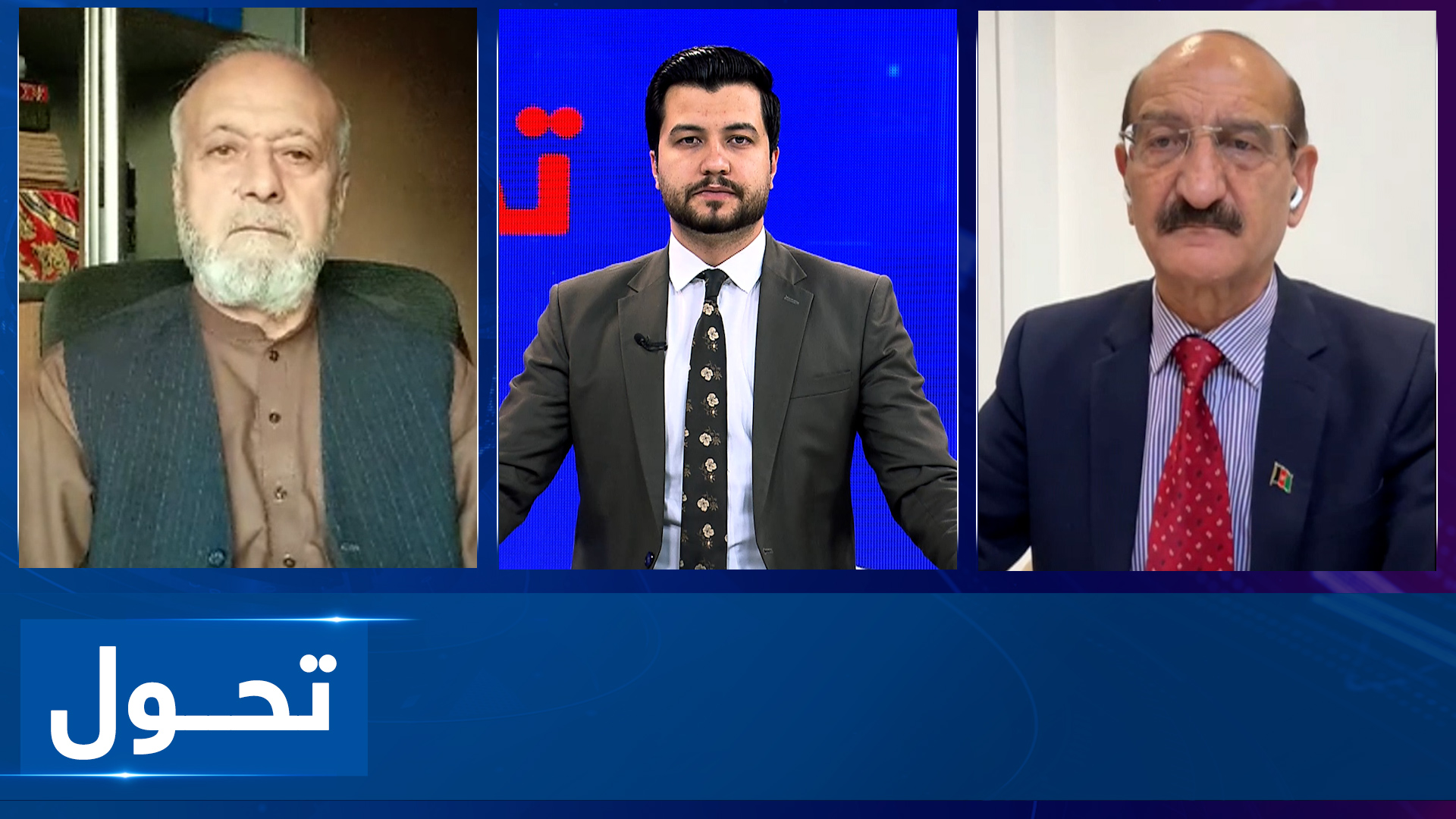
Tahawol: Calls for stronger joint action against terrorism discussed
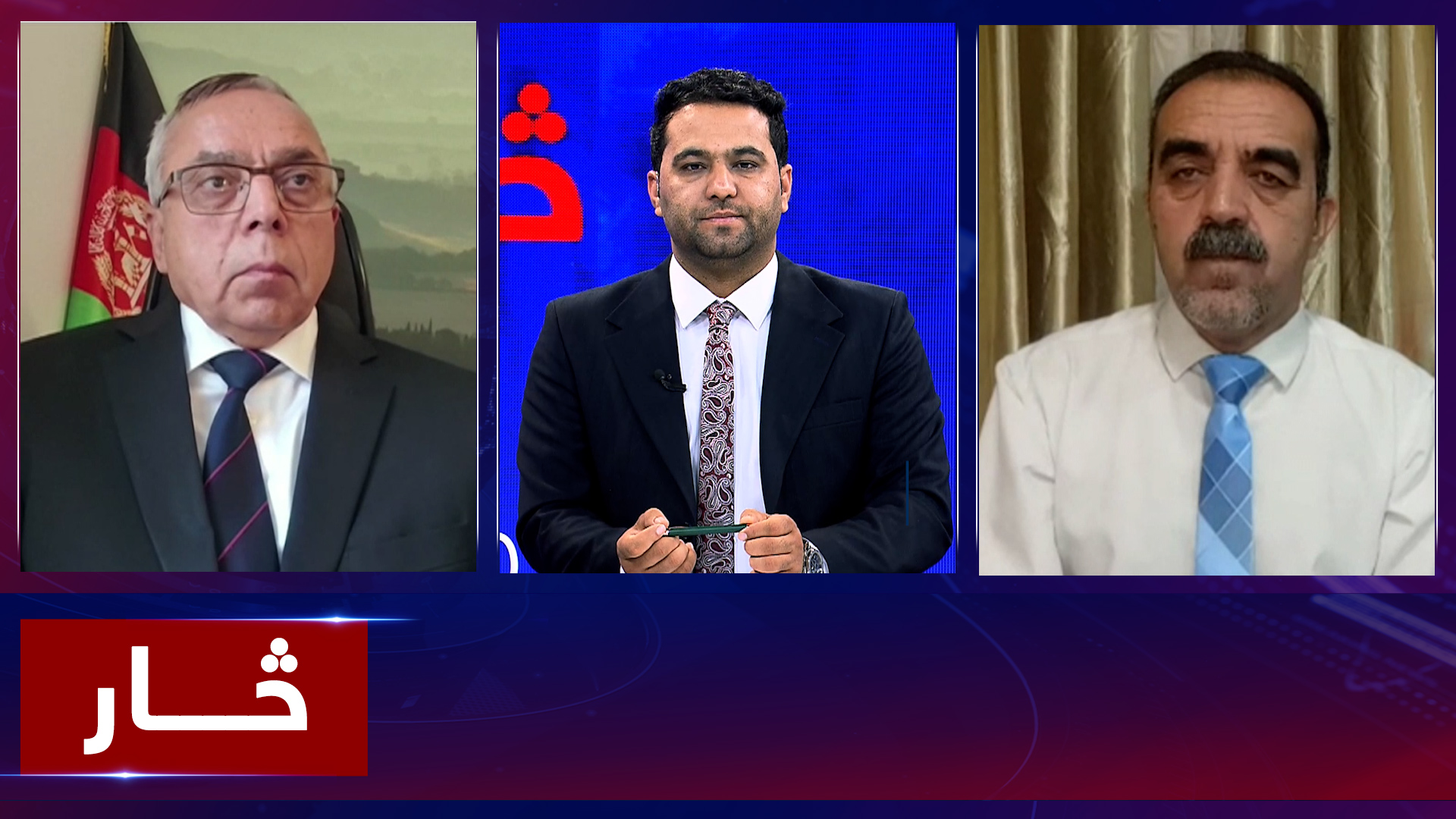
Saar: Impact of closing trade routes between Kabul-Pakistan discussed

El-Sayed’s historic victory opens a new chapter for Muslim Americans
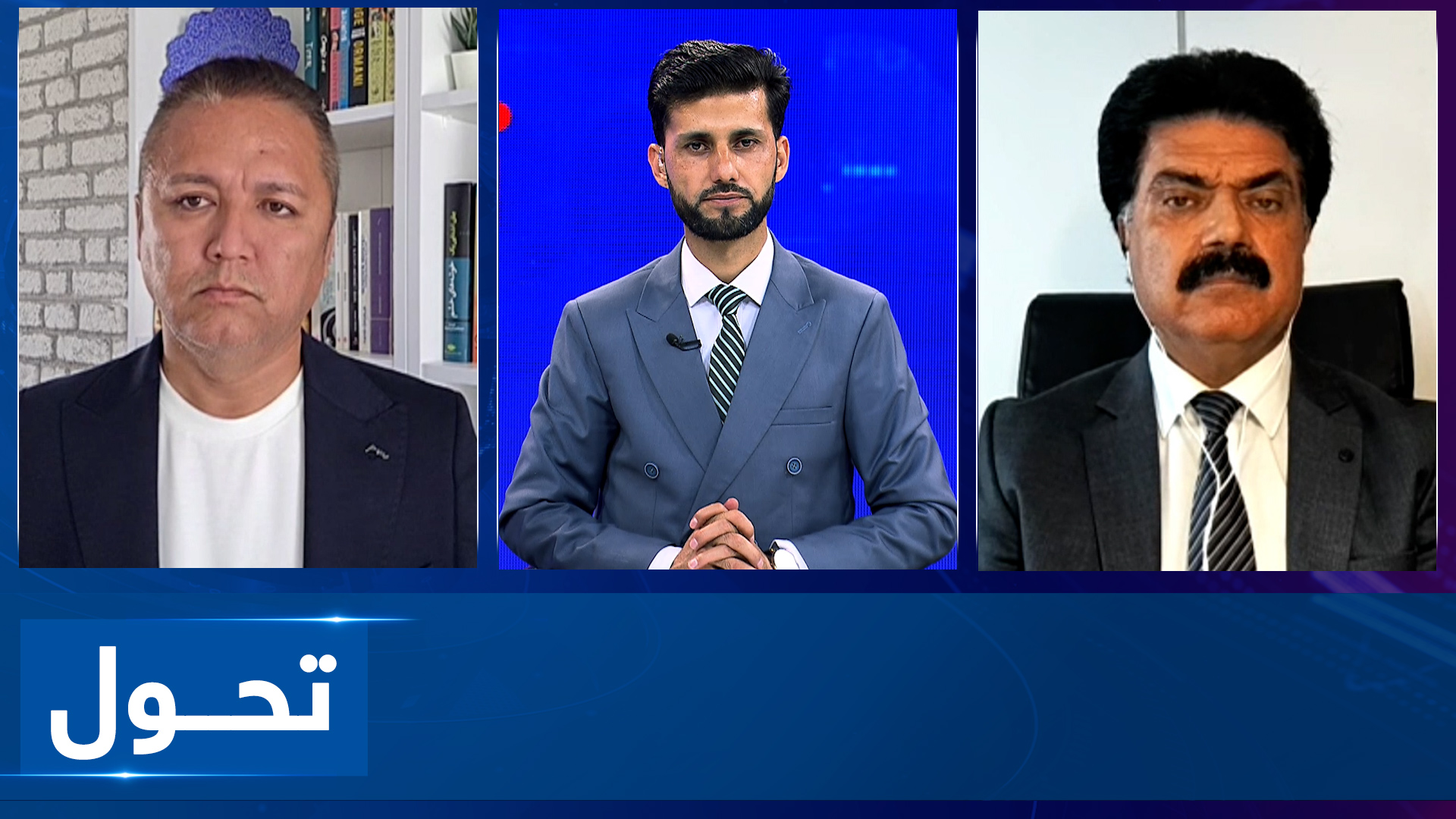
Tahawol: Russia’s Moscow Format for Afghan issues discussed
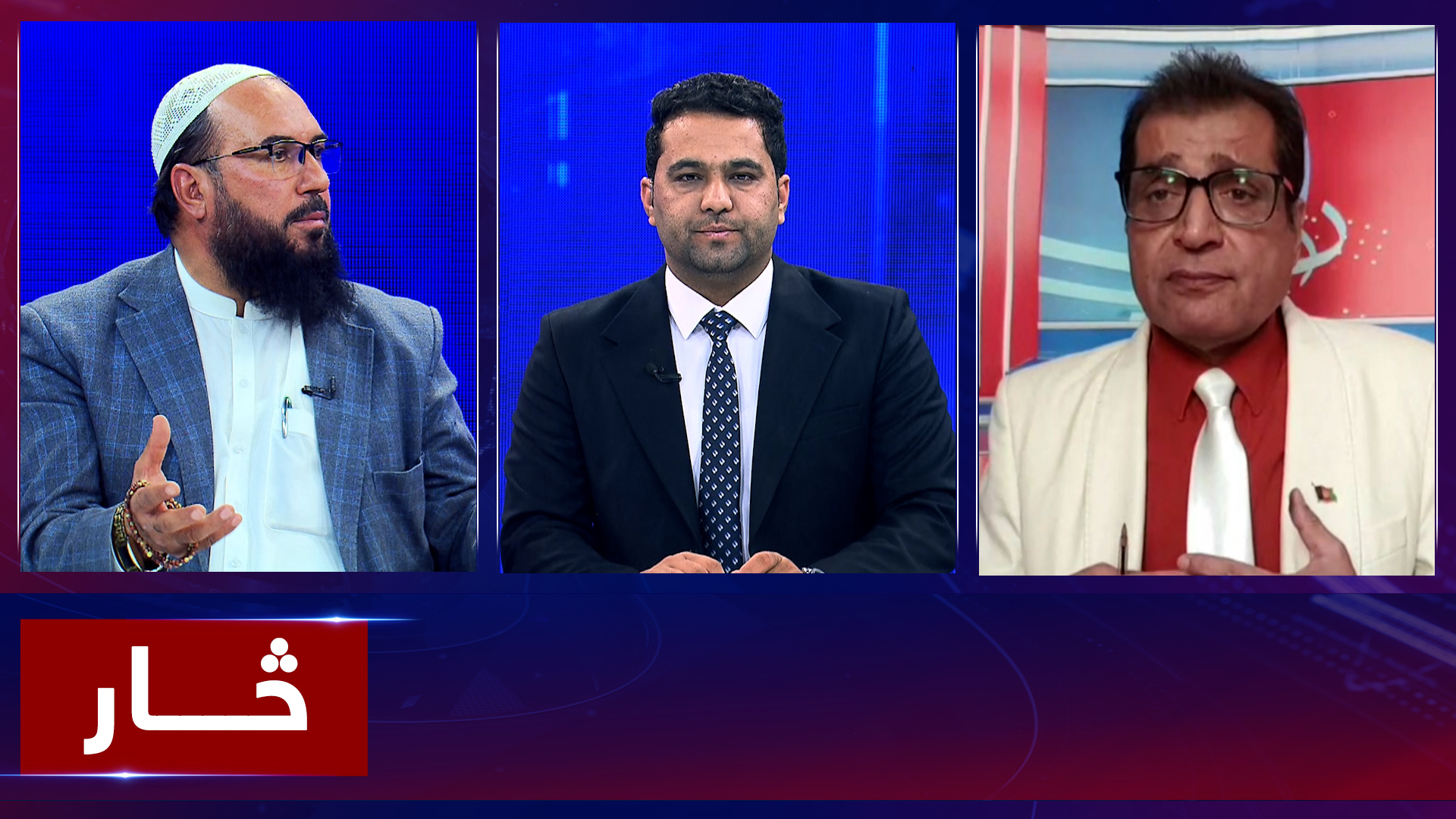
Saar: Afghanistan’s second invitation to Global Climate Summit discussed
-
 Sport4 days ago
Afghanistan futsal team thrash Panama 5-0 in flying start to Dakar Youth Olympics
-
 Sport5 days ago
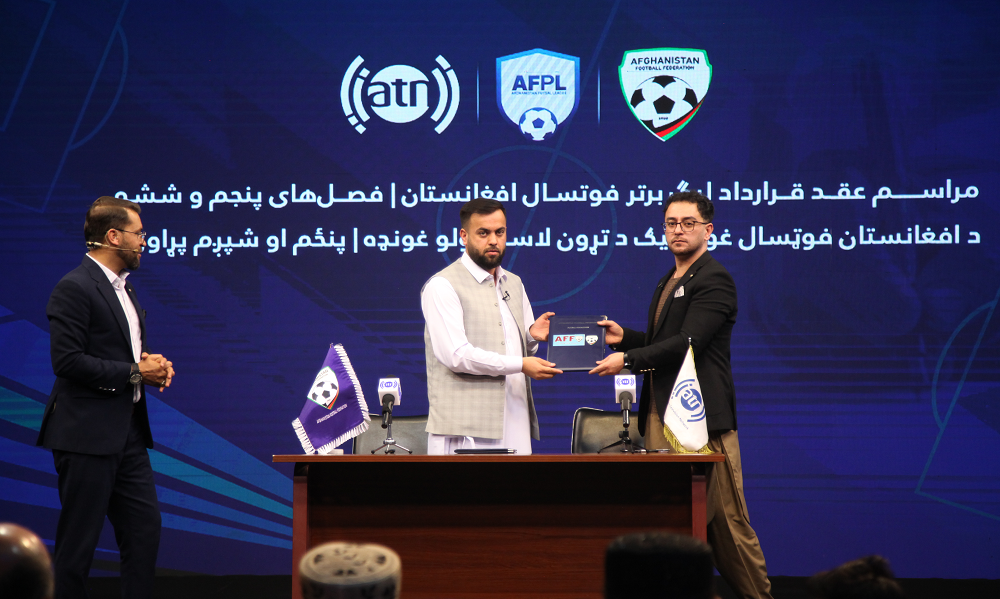
ATN signs deal to broadcast Afghanistan Futsal Premier League seasons 5 and 6
-
 World4 days ago
US carries out ‘defensive’ strikes on Iran’s Qeshm Island, officials say
-
 Latest News5 days ago
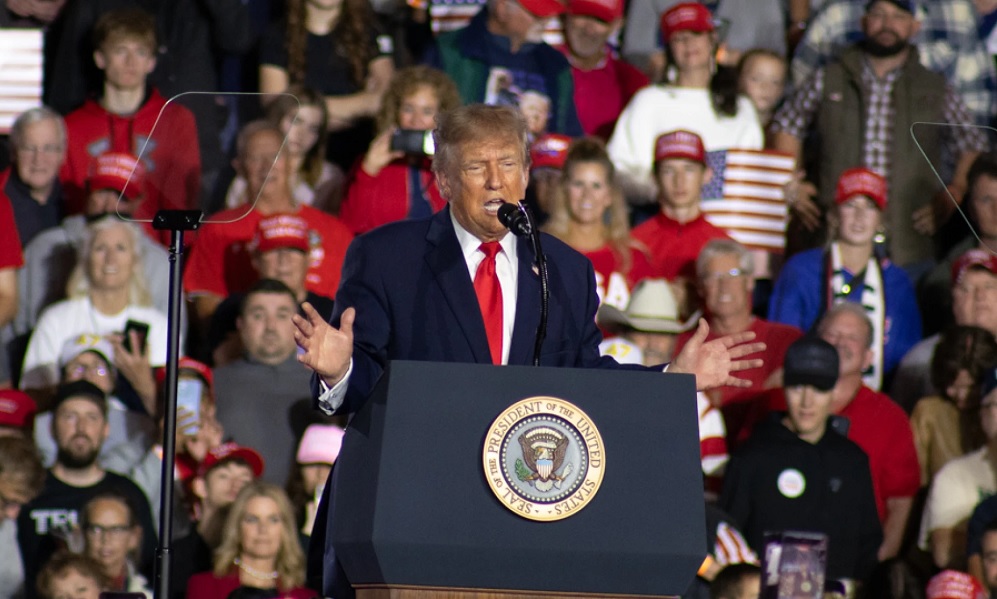
Trump claims he could have won Afghanistan war in three weeks
-
 Sport5 days ago
Afghanistan achieve their highest ICC Men’s ODI team ranking
-
 World5 days ago
Trump White House maps path to govern without Congress if Democrats win: report
-
 Sport2 days ago
Afghanistan suffer narrow defeat against Argentina at Dakar Youth Olympics
-
 Regional4 days ago
Iran says contacts over ending war continue after talks finish with no breakthrough