
Latest News
Pentagon says US, Turkey working out details of Kabul airport mission

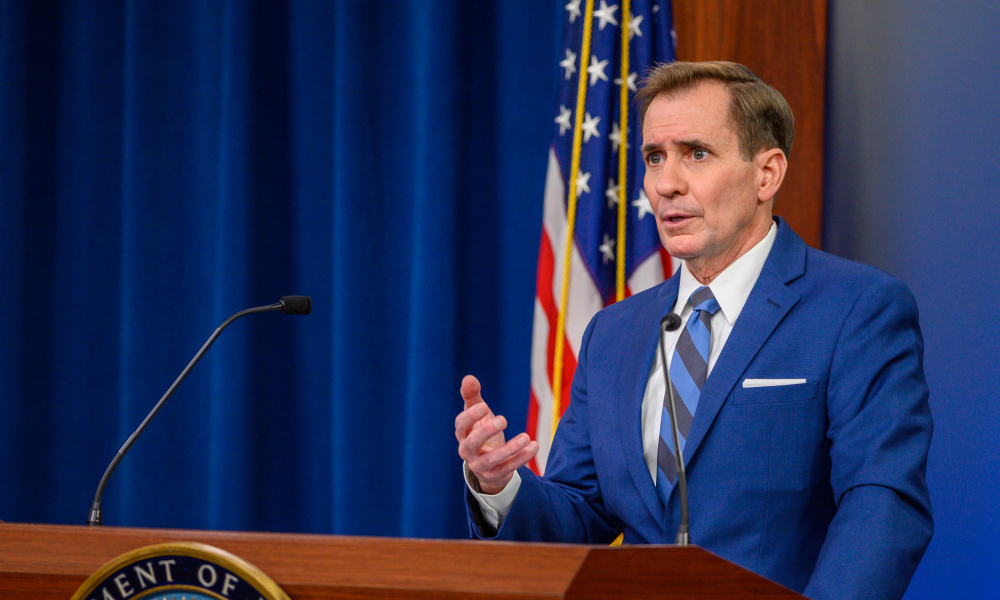
Some American troops will stay on in Afghanistan to protect the U.S. diplomatic presence after the troop withdrawal process ends, Pentagon Spokesperson John Kirby confirmed Tuesday.
Addressing a press briefing, Kirby also said that the US is still working on details of how to secure the Hamid Karzai International Airport in Kabul once troops have left the country.
Turkey has however indicated that it will help run and secure the airport but has attached conditions to this.
Asked about whether reports were true that 650 American troops would stay behind to protect the embassy and hundreds more to protect the airport, Kirby said he was not able to confirm specific numbers but that “it’s important to keep in mind that some U.S. troops will remain in Afghanistan. We have to do this to protect our diplomatic presence.”
He also stated: “So there will be some number of — of U.S. troops there, and as we’ve said before, security at the airport is critical to being able to protect and have a diplomatic presence on the ground.
“We are still working out some of the details of what the security situation is going to look like at the airport and how that’s going to be facilitated.”
AP meanwhile reported that last week, a U.S. delegation visited Turkey to discuss the details of the airport mission following the NATO troops’ withdrawal.
On the sharp increase in violence in the country, Kirby was asked whether the Biden administration was “OK with the Taliban” having made such gains across territory in Afghanistan in the past two months.
In turn, Kirby stated that the U.S. continues to say the violence remains too high. “And we’re all aware of — of the security situation in Afghanistan. I think you saw General [Scott] Miller speak to that earlier today, concerns over the — the security situation there.”
He went on to state that the U.S.government would like to see the Taliban return to the peace process in “a credible way”.
“And as we see events on the ground unfold, it certainly calls into question the sincerity of their efforts to be a legitimate, credible participant in the peace process.
“That’s really the right future for Afghanistan is a political process that leads to a negotiated settlement and a peaceful end to the fighting in Afghanistan,” he said adding that that’s what the U.S. administration’s policy continues to try to pursue.





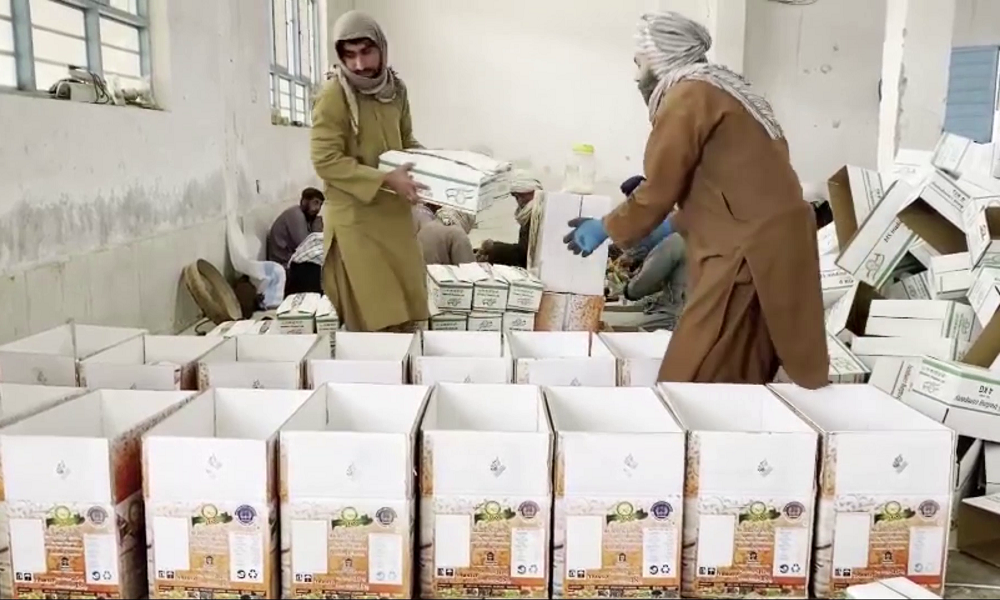
Officials from the Kandahar Chamber of Commerce and Investment say that 294,000 tons of fresh and dried fruit have been exported from the province to foreign countries over the past year.
According to them, the total value of these exports amounts to $519 million.
Abdulbaqi Bina, Deputy Head of the Kandahar Chamber of Commerce and Investment, says the products were exported to India, Pakistan, the United Arab Emirates, the United States, Canada and several other countries.
Meanwhile, fresh and dried fruit traders are calling on the government to provide alternative transit routes, new markets, and greater facilitation for obtaining visas and transportation for the export of these products.
This comes as nearly 59,000 tons of fresh and dried fruit were exported from Kandahar to foreign countries
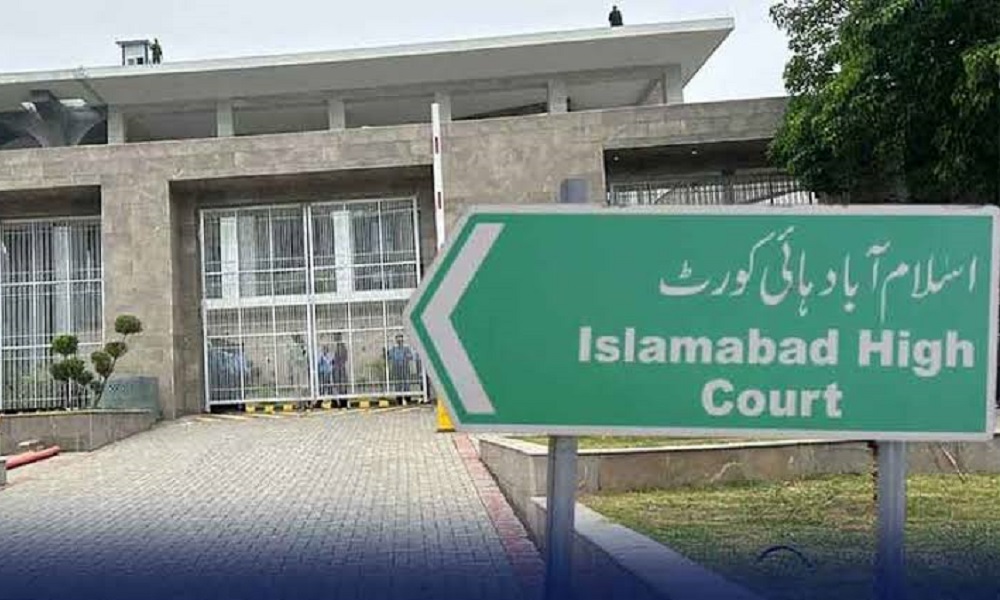
The case of 87 Afghan students seeking extensions of their study visas has reached the Islamabad High Court, with the students also asking for protection from arrest, detention and deportation, Pakistan’s Dawn newspaper reported.
According to Pakistani journalist Tahir Khan, the students have petitioned the court to order the government to extend their visas and prevent law-enforcement agencies from harassing, arresting, detaining or deporting them solely because their previous study visas have expired.
During Friday’s hearing, lawyer Aimal Khan Mandokhel told the court that Pakistan’s Interior Ministry had issued study visas to the Afghan students about a year ago. However, the students say authorities have since stopped extending existing visas and issuing new ones.
The Afghan Students Union at the International Islamic University Islamabad has also said Pakistani authorities have suspended study visa extensions for Afghan students for an extended period. It added that several students have allegedly been arrested and deported in recent months.
The hearing was adjourned following an exchange between Justice Khadim Hussain Soomro and lawyer Aimal Khan Mandokhel.
The case is expected to be heard again later this month.
Latest News
Wali Khan urges Pakistan to resolve tensions with Afghanistan through diplomacy
Wali Khan called on Islamabad to pursue a serious diplomatic approach to de-escalate tensions with Afghanistan and other neighboring countries.
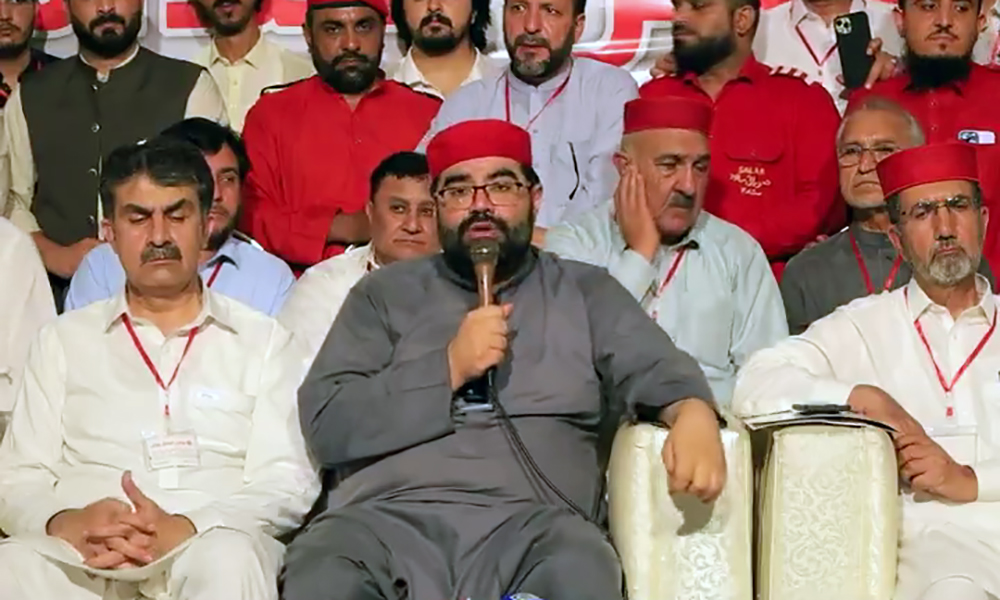
Aimal Wali Khan, the President of Awami National Party (ANP) in Khyber Pakhtunkhwa, has urged the Pakistani government to address tensions with neighboring countries, particularly Afghanistan, through serious diplomatic engagement.
Speaking to reporters in Islamabad on Thursday, Wali Khan said the ongoing tensions are causing the greatest harm to ordinary people, especially those in Khyber Pakhtunkhwa and Balochistan.
“War is not a permanent solution to any problem,” he stressed.
Wali Khan called on Islamabad to pursue a serious diplomatic approach to de-escalate tensions with Afghanistan and other neighboring countries.


Tawsia: Afghanistan’s efforts to boost production and exports disucssed

Kandahar exports 294,000 tons of fruit over past year

Case of 87 Afghan students reaches Islamabad High Court over visa delays

TAPI pipeline nears first gas sales in Afghanistan

Wali Khan urges Pakistan to resolve tensions with Afghanistan through diplomacy

Pakistan’s governance system has ‘collapsed’: Mohsin Naqvi

AFC confirms clubs for 2026/27 competitions; draw set for August 18

Only two days to go before Afghanistan and Ireland begin ODI series

Four mediators struggle to secure lasting Pakistan-Afghanistan ceasefire

Afghanistan invites Iranian investors to expand economic cooperation
Tawsia: Afghanistan’s efforts to boost production and exports disucssed

Tahawol: Fifth anniversary of America’s defeat in Afghanistan discussed

Saar: Ongoing expulsion of Afghans from Iran and Pakistan discussed

Tahawol: Calls for US engagement with the Islamic Emirate discussed

Saar: Call for dialogue to resolve issues with Afghanistan discussed
-
 Business5 days ago
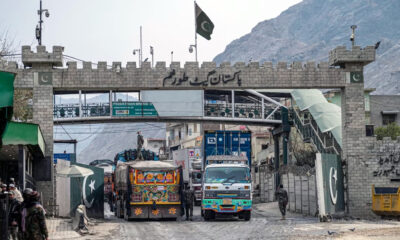
Afghanistan’s trade diversification challenges Pakistan
-
 Latest News4 days ago
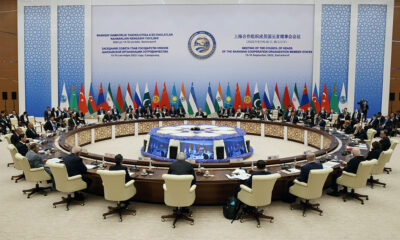
SCO summit to be held without confirmed Afghan invitation
-

 Sport4 days ago
Afghanistan squad announced for three-match T20I series against India
-

 Latest News4 days ago
Former US ambassador says Washington could eventually reopen embassy in Kabul
-
 Regional5 days ago
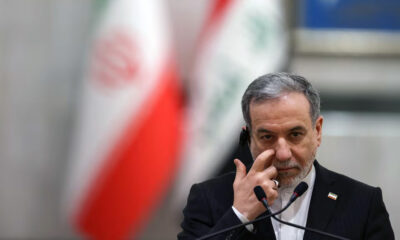
Iran says new sanctions threatened by ‘desperate’ US will fail
-
 Latest News5 days ago
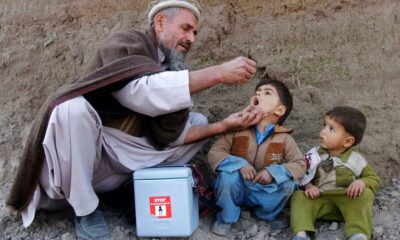
Afghanistan’s polio cases rise to 19 in 2026, WHO says
-

 Latest News4 days ago
First deportation flight to Haiti arrives as US ends temporary protected status
-
 Latest News2 days ago
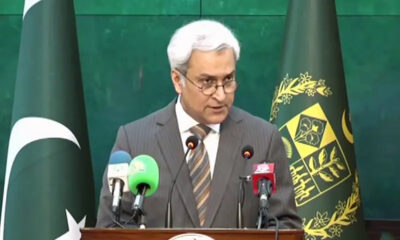
Pakistan open to state-to-state dialogue with Afghanistan on terrorism