
Latest News
SRSG Remarks at UN Security Council Debate on Afghanistan

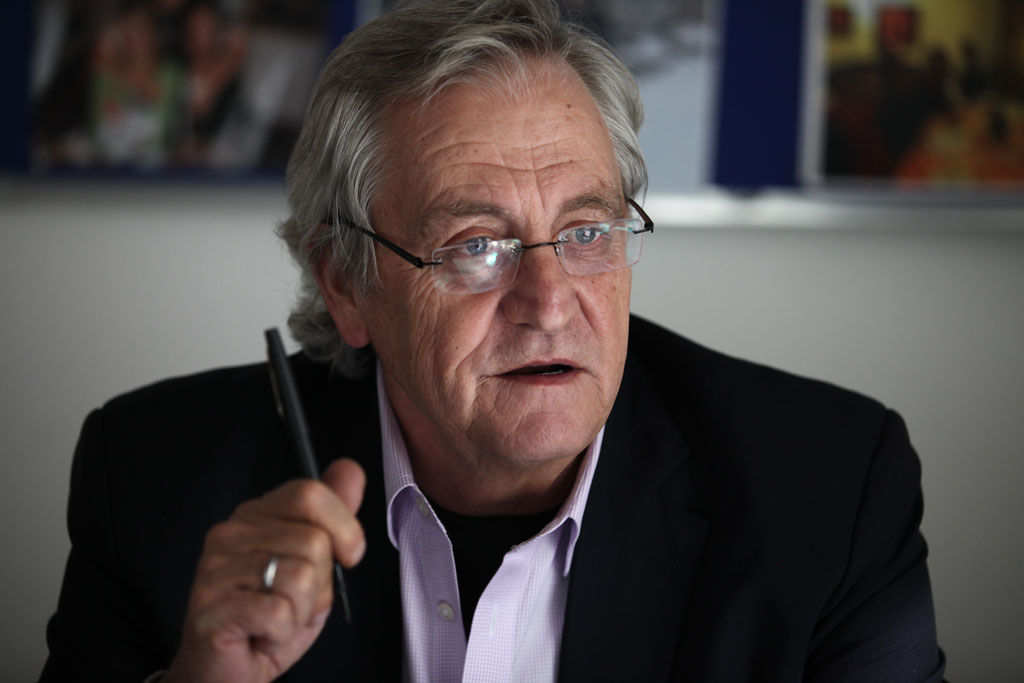

Date : New York, 22 June 2015
I thank you for this opportunity to share UNAMA’s perspectives on recent developments in Afghanistan.
Since my last briefing to the Security Council, there has been progress in meeting Afghanistan’s challenges in three distinct but interrelated areas: the economic, the security and the political. Although such progress itself has been modest, this should not be undervalued.
It needs to be stressed that Afghanistan continues to be tested in meeting its benchmarks in all three areas. There is no room for complacency – failure in any one of these areas would have consequences for the overall success of the Afghan transition. It is absolutely clear that Afghanistan continues to need the support of the international community, as well as the sustained attention of this Council.
The economic contraction that followed the withdrawal of international military forces presents a continuing challenge to the Government to meet the fiscal gap; that is, the gap between the resources it can muster and the monies it must spend. Afghanistan is meeting and exceeding – admittedly modest – revenue targets. Nevertheless, Afghanistan is struggling to harness the resources to meet its governance commitments and its developmental priorities. At this time of continued low economic growth, we must also guard against the danger of an increasing shift into the illicit economy, particularly so in the case of burgeoning narcotics production.
Afghanistan is meeting its security challenges, but is nonetheless being increasingly tested. The Afghan National Security Forces [ANSF] have been undeniably stretched as they take on full security responsibilities. We have seen an intensification of conflict across the country, including in areas previously considered to be safe. Only yesterday, there were fresh challenges to Government security control in an area close to strategically important Kunduz City. And today there was a failed attack on parliament as it was about to review the nomination for the Minister of Defense.
While the ANSF face operational challenges, their commitment is beyond question and they are demonstrating resilience in the face of insurgent efforts to take and hold ground.
Foreign fighters from Afghanistan’s northern neighbors and elsewhere present a particular challenge. There also remains considerable concern that ISIL, referred to in Afghanistan as Daesh, is seeking to establish a foothold. This demands greater regional involvement and collaboration to address this shared threat. It seems inequitable that Afghanistan should be shouldering the burden of taking on terrorists whose points of origin and eventual destinations are its neighbors.
The determined outreach from Afghanistan to its neighbors is encouraging. Stronger relations between the Governments of Afghanistan and Pakistan are particularly noteworthy, amidst growing recognition of their shared interests.
Ultimately, deeper collaboration on the full range of political, economic and social issues will promote regional stability and prosperity.
The intensification of the conflict was as predicted. There has been higher attrition on both sides, but the most tragic index of this intensification is the toll on civilians – so far this year 4,216 civilians have been killed or injured. Just two days ago, 16 civilians, mostly women and children, were killed when a bus hit an improvised explosive device. Tragic though this is, sadly it was not an isolated incident, rather a typical event.
Such incidents take a terrible emotional and social toll on families, especially surviving widows, often left in the most appalling economic circumstances. Many other Afghans continue to be affected by the conflict, including those who have been displaced. Humanitarian assistance is often impeded by continued insecurity and, lamentably, humanitarian actors have been targeted.
The United Nations will continue to provide humanitarian support to those affected. UNAMA will work to increase levels of trauma care and meet the short term needs of the increasing number of those internally displaced. UNAMA will also continue to advocate with all parties, including the Taliban, to strengthen measures to ensure the protection of civilians.
On the political front, there has also been modest progress. Since I last briefed you, all the members of the cabinet have been appointed, even though one remains to be confirmed. As of this morning, 21 provincial governors have been appointed and there has been agreement on other significant appointments.
After long delays, the Government has committed to appoint the Electoral Reform Commission within a week, and to provide clarity on the electoral calendar within a month. The term of office of the lower house of the National Assembly, the Wolesi Jirga, was due to end today, without the election of the new members having taken place. The lack of clarity on the future of the current Wolesi Jirga had caused consternation, with the potential for public discord. Thankfully, just three days ago, President Ghani decreed an extension of the Wolesi Jirga until elections can be held.
Despite political tensions, Afghan institutions were able to work together to find solutions on sovereign issues. The United Nations looks forward to a decision on the date of the next elections, as well as action to implement the commitment to electoral reform. These steps will go a long way to reassuring Afghans that the democratic institutions and processes are able to fulfil their proper roles and to meet public expectations.
The most difficult aspect of the National Unity Government partnership has been in effecting appointments. With these largely now completed, and the cabinet in place, we can expect to see a more effective functioning of the Government.
Now is the time for a surge in delivery of public services, fulfillment of election promises, and implementation of the reforms set out in London and as promised in the ministerial 100-day action plans. The upcoming Senior Officials Meeting, in less than three months time, of the Tokyo Mutual Accountability Framework presents an opportunity to demonstrate real progress on the mutual commitments of donors and Governments to supporting governance reforms.
In reference to the request by the Security Council that the Secretary-General initiate an examination of the role, structure and activities of all United Nations entities in Afghanistan, I am pleased to update that we have now agreed with the Government to establish a Commission, comprised of representatives of the Government, the international donor community, UNAMA and affiliated agencies, funds and programmes; co-chaired by UNAMA and the Government. The terms of reference have been shared with the members and the Commission will commence its work shortly and we anticipate having a report ready for the Council by the time of its September meeting on Afghanistan.
Peace would have a major positive impact on the capacity of the Government to address its economic, security and political challenges.
In the long term, peace is not a luxury, it is a necessity. Unless Afghans can find a way to live together in harmony, Afghanistan’s political and security institutions and its economy simply may not be sustainable. Failure would have no beneficiaries.
Despite the disturbing security trends, or perhaps as a consequence, there has been a renewed interest in peace efforts to resolve the conflict.
In my last address I spoke of a unique alignment of circumstances that could be conducive to fostering peace talks.
Indeed, the essential ingredients for a peace process are present: a protracted violent conflict with little prospect of a military victory for either side; combined with clear signs of a growing interest in a peace process.
A conference hosted by the Qatari Government in early May reaffirmed the appetite for peace by a wide range of Afghans, showing the potential for progress to that end through dialogue. Since then, there have been several similar meetings in different locations, most recently in Oslo last week, which I attended.
These events confirm that Afghans want an end to the ever-present violence that does so much harm and which shows no signs of abating.
While the Government has repeatedly stated its readiness to engage in direct talks with the Taliban, what is still missing is a clear indication from the Taliban that they are ready to engage directly with the Government.
Without this direct engagement, no meaningful progress towards peace will be possible, a point that I continue to stress in my conversations with Taliban representatives. Conference pronouncements have been useful in clarifying positions, but can never be a format for a systematic engagement between empowered representatives on the conditions for, the agenda of, and the barriers to, an enduring peace. In short, a direct engagement is necessary for a negotiated agreement.
With leadership, peace is within reach. However, the intensification of the conflict is eroding the atmosphere for constructive negotiations. Just as the voices for peace are growing louder, so too are those who believe that peace is neither possible nor desirable or that the focus should now be on war.
It is thus critical that the international community as a whole, and the regional neighbors in particular, send the same message to all involved, unambiguously and forcefully: the time to begin direct peace and reconciliation talks is now.
UNAMA supports such a direct engagement between armed groups and the Government, has attempted to facilitate its realization and will continue to do so, in full consultation with the Government.
I would like to express, finally, my hope that, in this holy month of Ramadan, Afghans will be able to come together to worship in peace.
Thank you.

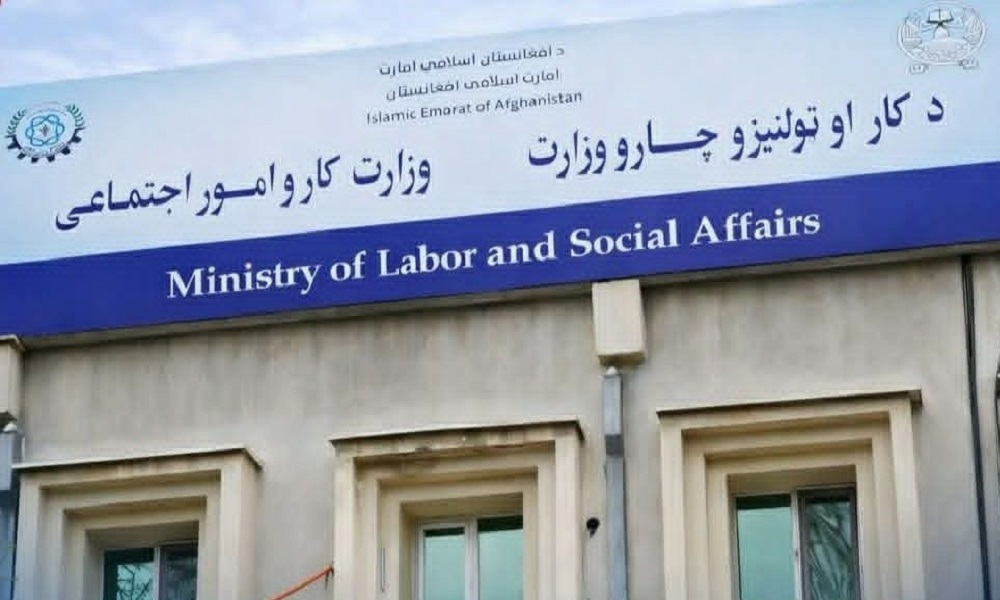
The Directorate of Child Protection at the Ministry of Labor and Social Affairs announced on Saturday that in the solar year 1404, through the implementation of extensive support programs and the handling of thousands of protective cases, it has achieved significant accomplishments in securing rights, raising awareness, and improving the situation of children across Afghanistan.
According to the directorate, the registered cases have been organized into 23 different categories, allowing for targeted and specialized handling of each type of case. In the area of awareness-raising, extensive programs have also been implemented to improve the general knowledge of children and their families, resulting in 404,207 children and family members being informed about child rights, explosive hazards, environmental protection, and other important topics.
To strengthen local structures and accelerate case management, the Directorate of Child Protection, within the framework of its 1404 work plan, established 20 new committees at the district level in provincial centers. These committees play a key role in coordinating between government offices, rapidly identifying cases, and providing support services. Currently, child protection committees are active in 204 districts and regularly review and resolve children’s issues.
Latest News
Severe rainfall and natural disasters cause heavy casualties across Afghanistan
At least 61 people have been confirmed dead, with 116 others injured. Four individuals remain unaccounted for as search and rescue operations are underway.
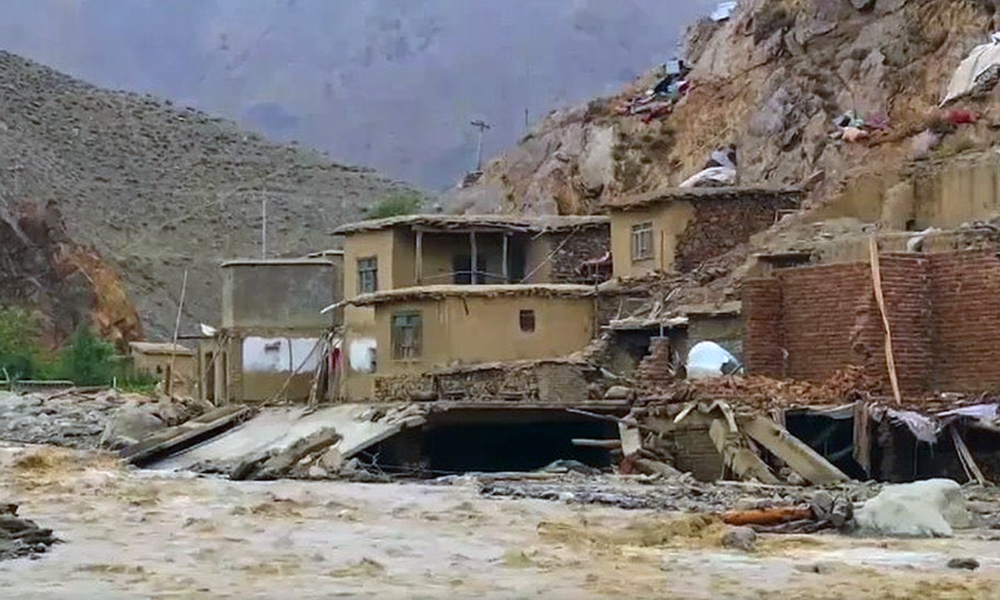
The Spokesperson for the Islamic Emirate of Afghanistan, Zabihullah Mujahid, has confirmed widespread devastation across the country following a series of natural disasters and heavy rainfall. The toll continues to rise as authorities assess the damage.
At least 61 people have been confirmed dead, with 116 others injured. Four individuals remain unaccounted for as search and rescue operations are underway. The disaster has also led to the destruction of 2,448 homes, leaving thousands displaced, while 26,841 acres of agricultural land have been severely damaged. In addition, the storm claimed the lives of 1,045 livestock animals, further exacerbating the already dire situation for rural communities.
In a statement, Mujahid emphasized the ongoing relief efforts. The Islamic Emirate is mobilizing all available resources to assist the hardest-hit regions and ensure the swift recovery of affected communities. The focus remains on providing immediate aid, including shelter, medical supplies, and food, while also beginning the long-term process of reconstruction and recovery.
Authorities have urged citizens in vulnerable areas to remain vigilant as more rain is forecast, adding to the urgency of the ongoing relief operations.
Latest News
Afghan citizens reported among casualties in US, Israeli attacks, Iran says
As of now, authorities of the Islamic Emirate of Afghanistan have not issued an official response to the claims.
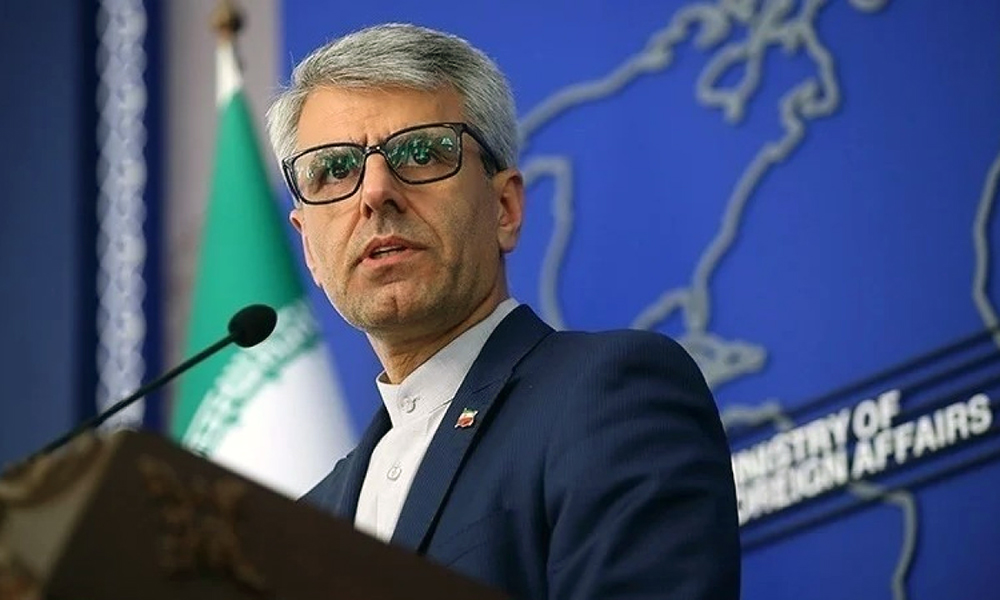
Iran’s Embassy in Kabul, citing Foreign Ministry spokesperson Esmaeil Baghaei, has stated that a number of Afghan citizens were killed or injured during what Tehran described as a 35-day military campaign carried out by the United States and Israel.
According to the statement, the Afghan nationals were living in Iran at the time of the attacks. Baghaei referred to them as “honored guests” of the country, adding that some lost their lives while others sustained injuries during the reported strikes.
He did not provide specific figures regarding the number of Afghan casualties or further details about the incidents.
As of now, authorities of the Islamic Emirate of Afghanistan have not issued an official response to the claims.


Around 15,000 cases of vulnerable Afghan children addressed over past year

Severe rainfall and natural disasters cause heavy casualties across Afghanistan

Kazakhstan eyes rare metals mining projects in Afghanistan and Rwanda

Afghan citizens reported among casualties in US, Israeli attacks, Iran says

Save the Children: Nearly one Afghan child killed or injured daily by explosive remnants

Prominent Muslim scholar issues fatwa calling for Afghanistan-Pakistan ceasefire

IEA Supreme Leader issues Eid-ul-Fitr message urging unity and support for Islamic system

14 Pakistani soldiers killed after military post falls along Durand line: MoD

Afghanistan steps in to replace Iran in supplying fruits and vegetables to Russia

Afghan airstrikes target Pakistani military sites in retaliation for air attacks

Tawsia: This week’s key economic developments in Afghanistan discussed

Tahawol: Start of talks between Kabul-Islamabad in China discussed

Saar: Ongoing US and Israeli attacks on Iran discussed

Tahawol: Ongoing US–Israeli war with Iran discussed

Saar: Afghanistan-Pakistan talks in China discussed
-
 Latest News3 days ago
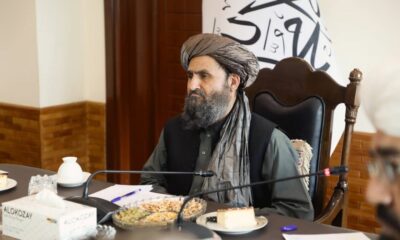
Baradar approves 17 projects worth over one billion AFN
-
 Business4 days ago
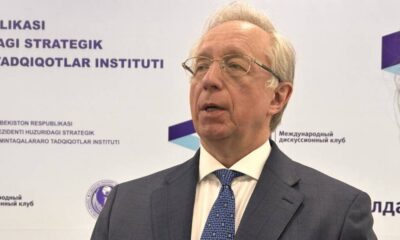
Russia backs Uzbekistan–Afghanistan trade hub, praises regional economic cooperation
-

 Sport4 days ago
ATN secures broadcast rights for inaugural Afghanistan Wrestling Premier League
-

 Sport3 days ago
ATN to broadcast second season of Ariana Snooker Championship
-

 Sport4 days ago
Rajasthan Royals outclass Chennai Super Kings as IPL action continues
-
 Regional4 days ago
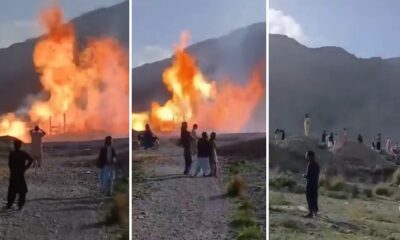
Gas pipeline blown up in southern Pakistan, says official
-
 Latest News4 days ago
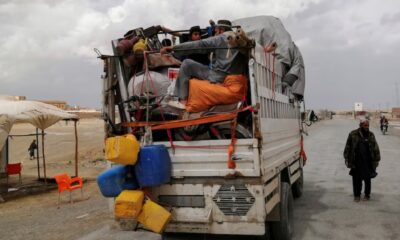
Islamic Relief Worldwide urges Afghanistan–Pakistan de-escalation, calls for aid to displaced
-
 Latest News3 days ago
Afghan delegation heads to China for talks with Pakistan