
Latest News
U.S. officials to meet IEA delegation in Doha to discuss economy, rights issues

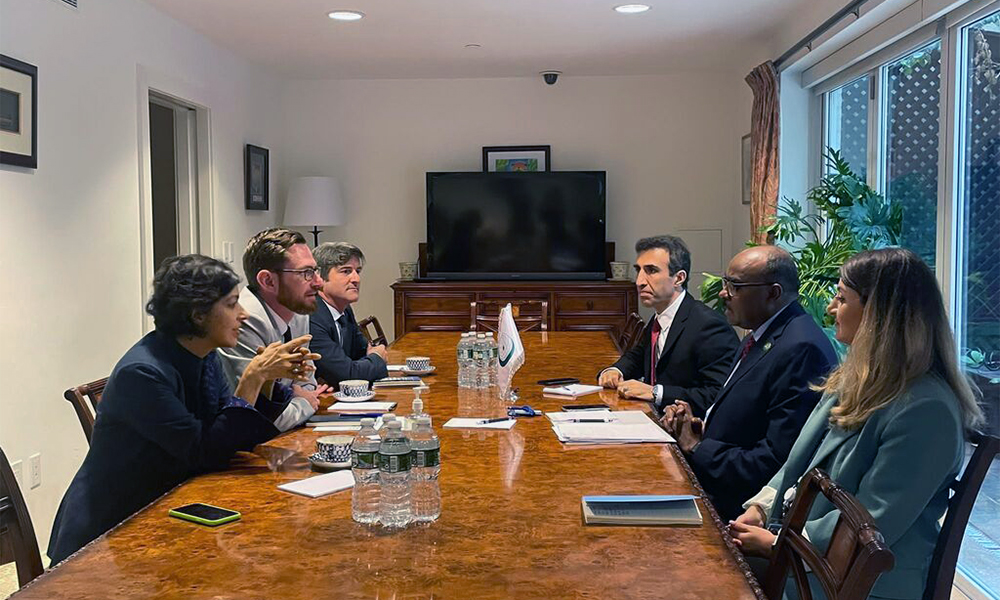
U.S. officials will meet Islamic Emirate representatives and “technocratic professionals” from key Afghan ministries during a visit to Doha this week, the State Department said on Wednesday, adding they will discuss economic issues, security and women’s rights, Reuters reported.
Special Representative for Afghanistan Thomas West and Special Envoy for Afghan Women, Girls, and Human Rights Rina Amiri will travel to Astana, Kazakhstan, and Doha, Qatar, from July 26 to July 31, the State Department said in a statement.
In Astana, they will meet with officials from Kazakhstan, the Kyrgyz Republic, Tajikistan, Turkmenistan and Uzbekistan to discuss Afghanistan, said the statement, which added the U.S. officials will also meet civil society members focused on women’s rights.
The U.S. officials will meet the IEA delegation in Doha and discuss humanitarian support for Afghanistan, security issues, women’s rights, the Afghan economy’s stabilization, and efforts to counter narcotics production and trafficking, the State Department said.
The meetings do not “mean any kind of indication of recognition or any kind of indication of normalization or legitimacy of the Taliban [IEA],” said State Department deputy spokesperson Vedant Patel when asked about the visit, reiterating U.S. concerns about human rights abuses and the marginalization of women and girls in Taliban-ruled Afghanistan.
“This does not indicate any change in the policy of the United States. We have been very clear that we will engage with the Taliban [IEA] appropriately when it is in our interest to do so,” Patel said.
The Islamic Emirate of Afghanistan returned to power in 2021 when NATO and U.S. forces withdrew after a 20-year conflict. The chaotic evacuation saw thousands of desperate Afghans trying to enter Kabul airport and men clinging to aircraft as they taxied down runways. An Islamic State suicide bomber killed 13 U.S. servicemembers and more than 150 Afghans outside an airport gate, Reuters reported.
A State Department report last month criticized Democratic President Joe Biden and his Republican predecessor Donald Trump for the pullout, which was negotiated by Trump and executed under Biden.








Kazakhstan’s Foreign Minister Mukhtar Tileuberdi has called for pragmatic and coordinated international engagement with Afghanistan, saying the country’s long-term stability is closely linked to the security and sustainable development of Central Asia.
Speaking during the general debate of the 81st session of the United Nations General Assembly in New York on Friday, Tileuberdi said humanitarian assistance to Afghanistan remains essential but alone cannot break the cycle of poverty, displacement and dependency.
He said Kazakhstan supports a “pragmatic, coordinated and step-by-step” approach to international engagement with Afghanistan, with the United Nations playing a central role.
Tileuberdi also said Kazakhstan is working with the UN to operationalize the United Nations Regional Centre for the Sustainable Development Goals for Central Asia and Afghanistan in Almaty.
He said the success of the centre should be measured by the results and assistance it delivers to the region.


Ariana Afghan Airlines increases Kabul-Delhi cargo flights

Khalilzad questions Pakistan’s commitment to Afghan welfare

India, UN envoy discuss Afghanistan’s humanitarian needs

Kazakhstan calls for coordinated international engagement with Afghanistan

Pakistan PM, UN chief discuss Afghanistan amid rising Kabul-Islamabad tensions

Saudi energy group signs major Afghanistan deals covering gas exploration and pipeline plans

Trump floats idea of renaming Atlantic or Pacific Ocean

US hits Egyptian bank branches with Iran sanctions as war marks six months

Nepal flood rescue mission enters critical phase as thousands remain missing

Iranian clubs to face Gulf opponents at neutral venues in Asian Champions League Elite

Exclusive interview with Abdul Latif Mansoor, Minister of MRRD

Tawsia: Overview of Afghanistan’s iron mines

Tahawol: Discussion on fresh Pakistani airstrikes on Afghanistan

Saar: Calls for international support for Afghanistan discussed

Tahawol: Opening of the 81st UN General Assembly Session
-
 Sport5 days ago
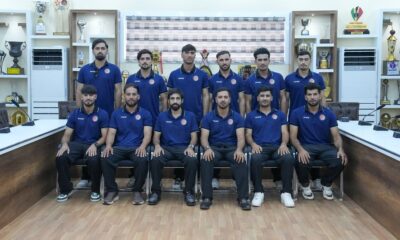
Afghanistan to face Japan and Nepal in Asian Games cricket group stage
-

 World4 days ago
CNN, MS NOW and Politico sue Trump, challenging White House ban
-
 Health5 days ago
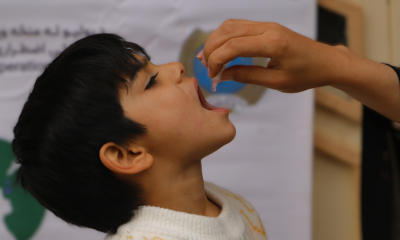
Four-day polio vaccination campaign begins across Afghanistan
-

 Latest News3 days ago
Ariana Afghan Airlines ranks seventh among 45 Central Asian airlines
-

 Latest News4 days ago
UN reiterates call for respect for international law after Kunar airstrikes
-
 Latest News5 days ago
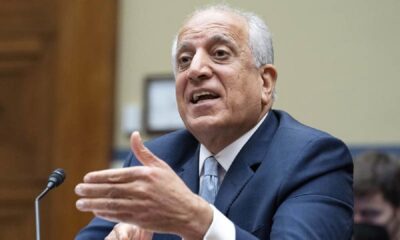
Khalilzad condemns Pakistan airstrikes, says current strategy is not working
-

 Regional3 days ago
US and Iran hold first talks since June after Trump’s ‘annihilation’ threat
-

 Latest News3 days ago
Silk Road highway in Wakhan corridor now reaches the China border