
Latest News
US may examine regaining control of Afghan assets transferred to Swiss-based fund: watchdog


Donald Trump administration may want to examine returning Afghan central bank assets from Swiss-based fund to the custody as part of the current review of foreign assistance, a US watchdog said on Thursday.
In 2022, the US transferred $3.5 billion in Afghan central bank assets previously frozen in the United States to the Swiss-based Fund for the Afghan People.
With accrued interest, the Fund has now grown to nearly $4 billion, the Office of the Special Inspector General for Afghanistan Reconstruction (SIGAR) said in a quarterly report.
According to the report, the US has spent nearly $3.71 billion in Afghanistan since withdrawing from the country in 2021. Most of that money (64.2%) went to UN agencies, the United Nations Assistance Mission in Afghanistan, and the World Bank-administered Afghanistan Resilience Trust Fund. Another $1.2 billion remains available in the funding pipeline for possible disbursement.
SIGAR said that while the assistance may have staved off famine in the face of economic collapse, it has not dissuaded the IEA from taking US citizens hostage, dismantling the rights of women and girls, allowing the country to become a terrorist safe haven.
The watchdog also said that the IEA exert some control over humanitarian activities and have at times required NGOs to sign memoranda of understanding (MOUs) as a condition for operating in Afghanistan.
On January 20, 2025, President Trump ordered a 90-day pause in U.S. foreign development assistance to assess “programmatic efficiencies and consistency with United States foreign policy.” The order requires all department and agency heads responsible for foreign assistance programs to immediately pause new obligations and disbursements of development assistance funds to foreign countries, nongovernmental organizations, international organizations, and contractors.


Latest News
Afghanistan publishes 20 new laws and dozens of legal documents over five years
The documents include 20 laws, 77 decrees, 30 orders, eight guidelines, six procedures, three codes, two charters, one regulation, one directive and one legal framework.
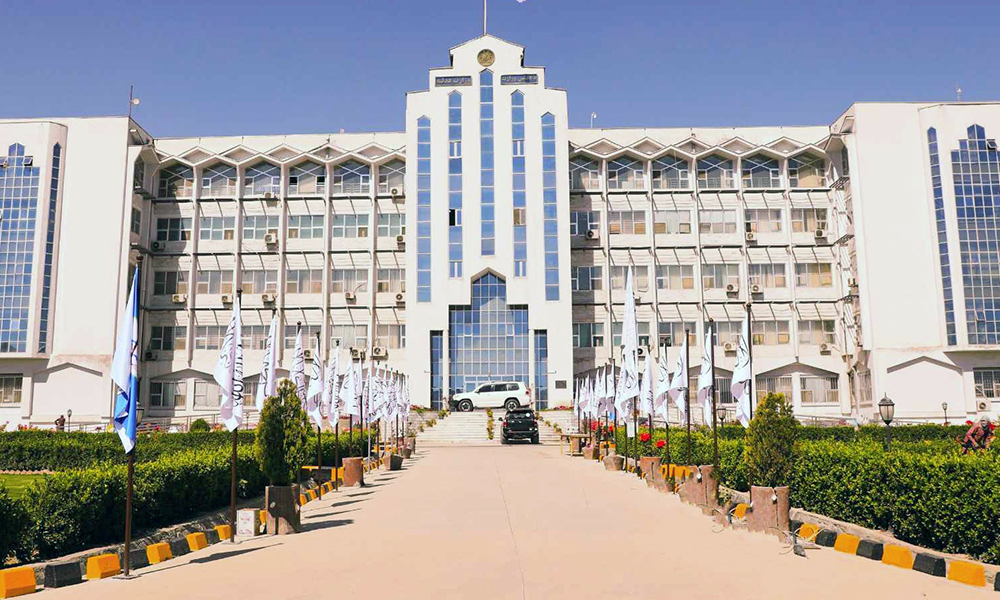
The Progress website, affiliated with the Government Media Centre, has reported that Afghanistan’s Ministry of Justice has published 20 laws and dozens of other legislative documents in 31 issues of the Official Gazette since the Islamic Emirate returned to power.
According to the published figures, the documents include 20 laws, 77 decrees, 30 orders, eight guidelines, six procedures, three codes, two charters, one regulation, one directive and one legal framework.
Among the laws published over the past five years are legislation on preventing land grabbing, hearing complaints, the promotion of virtue and prevention of vice, money changers and monetary services, as well as preventing the smuggling of food products and medicines.
The report highlights the Ministry of Justice’s legislative activities and the publication of legal documents through Afghanistan’s Official Gazette during the past five years.
Latest News
UN pledges to expand cooperation with Afghanistan as over 8 million migrants return home
Rabab said the United Nations intends to expand its cooperation with Afghanistan in several areas, alongside coordinating humanitarian assistance.
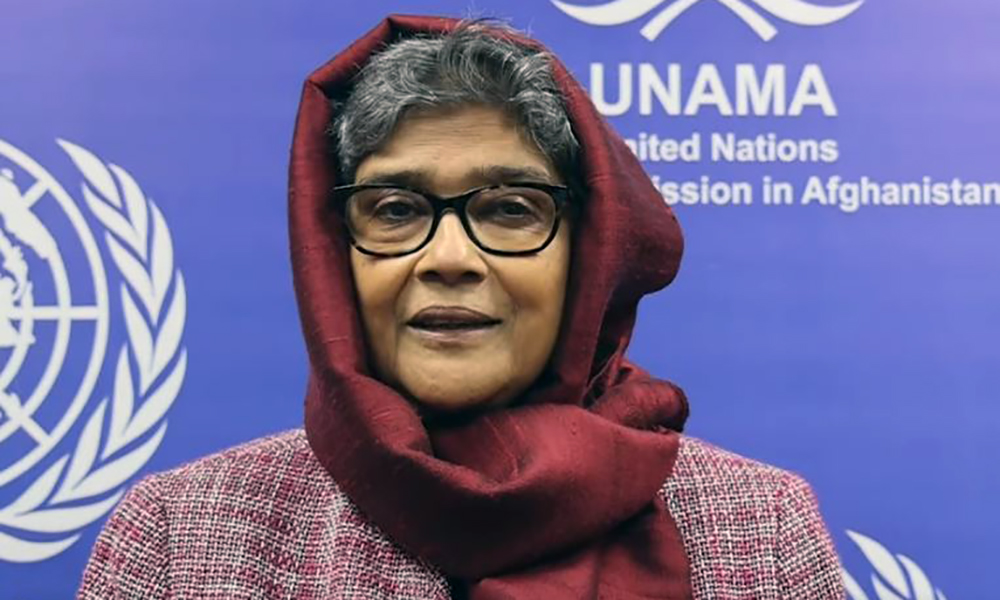
Abdul Salam Hanafi, Administrative Deputy Prime Minister of the Islamic Emirate of Afghanistan, has met with Rabab Fatima, the newly appointed Special Representative of the UN Secretary-General for Afghanistan, and her accompanying delegation to discuss humanitarian assistance, economic development and the challenges facing returning Afghan migrants.
During the meeting, Rabbah expressed her satisfaction at having the opportunity to serve the people of Afghanistan. She also spoke positively about development projects carried out in the country by the Islamic Emirate and expressed hope that efforts to promote economic growth and reconstruction would continue.
Rabab said the United Nations intends to expand its cooperation with Afghanistan in several areas, alongside coordinating humanitarian assistance. These include providing alternative livelihood opportunities for farmers, creating employment opportunities and expanding assistance to returning migrants.
She also praised the Islamic Emirate’s efforts to address the challenges facing returning Afghan migrants, describing the management of their return as one of Afghanistan’s major challenges.
For his part, Hanafi said more than eight million Afghan migrants have returned to the country, adding that the Islamic Emirate would use all available resources to support them and address their needs.
He further called on relevant institutions to strengthen efforts to protect the rights of returnees, create employment opportunities and provide adequate shelter.
The meeting comes amid ongoing humanitarian and economic challenges in Afghanistan, with support for returning migrants and expanded international cooperation remaining key priorities.
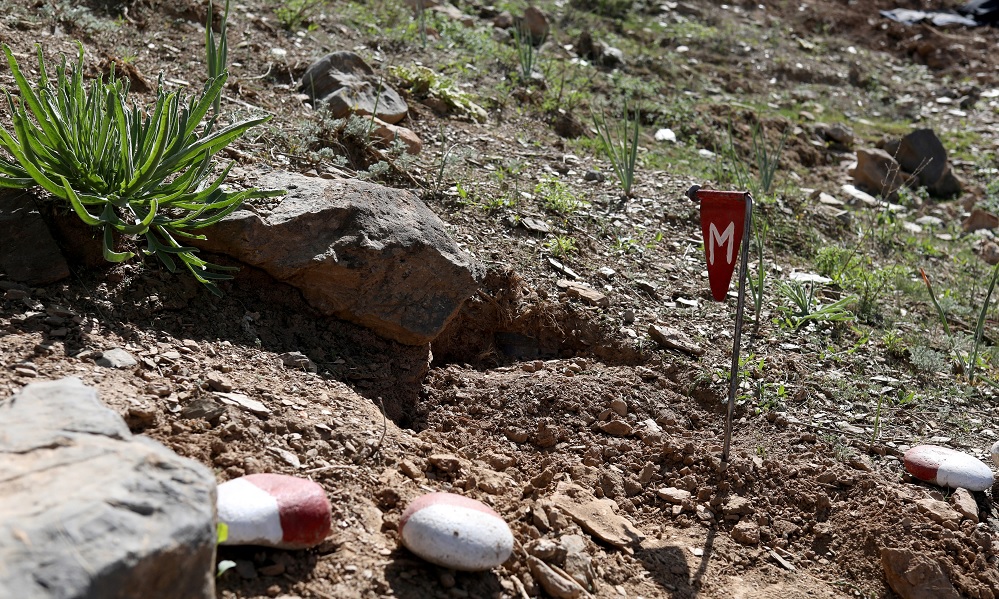
Around 901 square kilometres of land across Afghanistan is contaminated with unexploded ordnance, posing a continuing threat to civilians, particularly children, Afghanistan National Disaster Management Authority said.
Mohammad Yousuf Hammad, spokesperson for the Afghanistan National Disaster Management Authority, made the remarks in an interview with Afghanistan’s state-controlled national broadcaster.
Hammad said explosions involving landmines and unexploded remnants of war continue to kill and injure large numbers of Afghans every year.
He added that, with financial support from the United Nations Special Trust Fund for Afghanistan, more than 73,000 square metres of contaminated land had been cleared in Kunduz and Baghlan provinces by December 2025.
According to available figures, approximately 1,026 people were killed or injured in Afghanistan in landmine and unexploded ordnance explosions in 2021.
Decades of conflict have left large quantities of explosive remnants of war scattered across the country, creating persistent dangers for civilians.
Children remain particularly vulnerable, as unexploded devices can be mistaken for ordinary objects or encountered while playing and travelling through affected areas.
The reported contamination highlights the continuing need for mine-clearance operations, humanitarian assistance and public awareness programmes to protect communities and prevent further civilian casualties.

Afghanistan publishes 20 new laws and dozens of legal documents over five years
UN pledges to expand cooperation with Afghanistan as over 8 million migrants return home
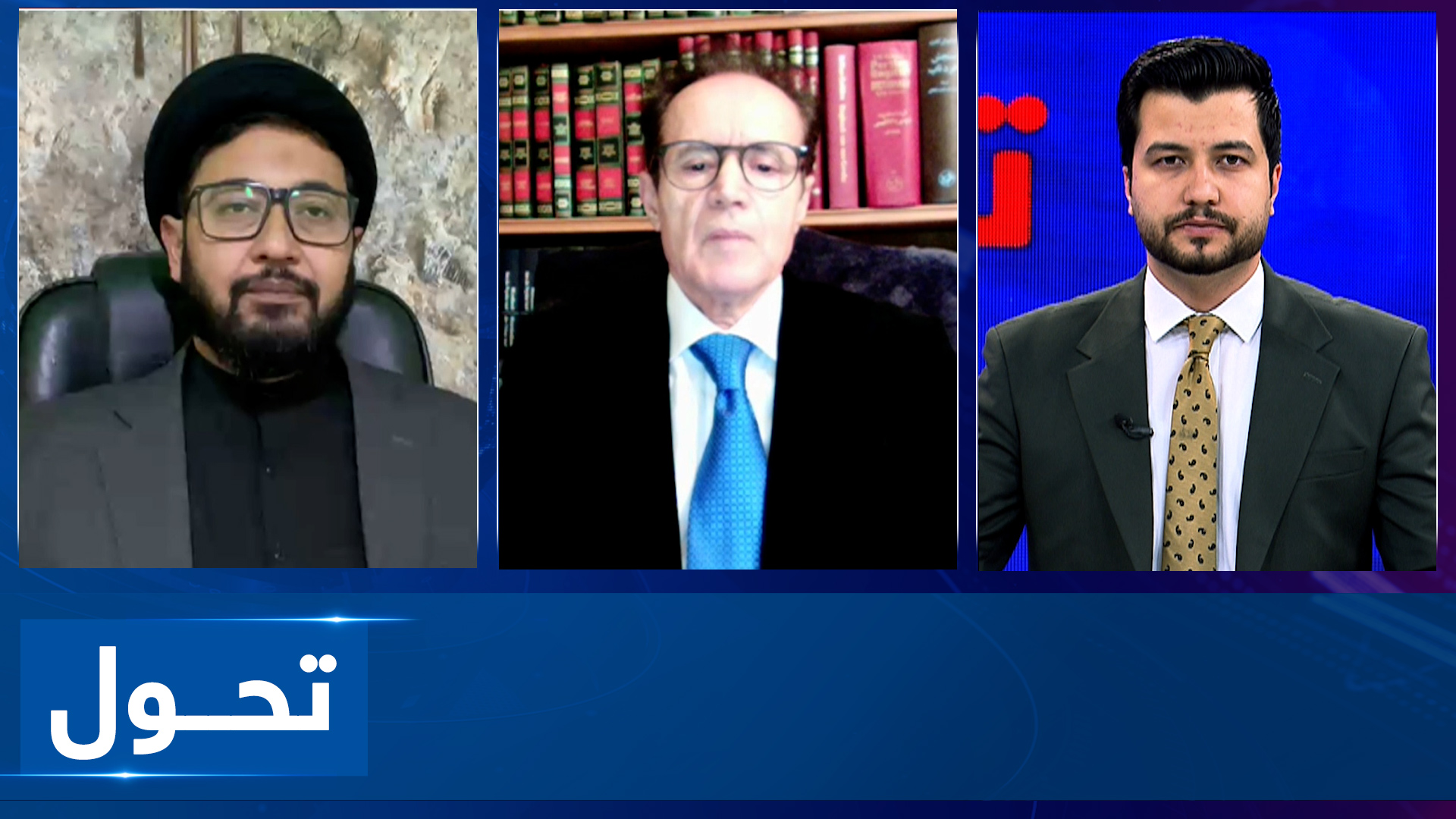
Tahawol: Geopolitical developments in the Middle East

Afghanistan thrash Senegal 6-0 to reach Dakar Youth Olympics futsal semi-finals
Unexploded ordnance contaminates 901 square kms of land in Afghanistan

Afghanistan finish runners-up after 6-0 defeat to Brazil in futsal final

Trump says US may strike Iran’s ‘Pickaxe Mountain’ nuclear facility

Afghan futsal coach: Brazil tournament is first step towards new goals and World Cup

WHO calls for greater mental health support in Afghanistan

Houthis warn airlines to avoid Saudi airports after deadly Riyadh attack
Tahawol: Geopolitical developments in the Middle East
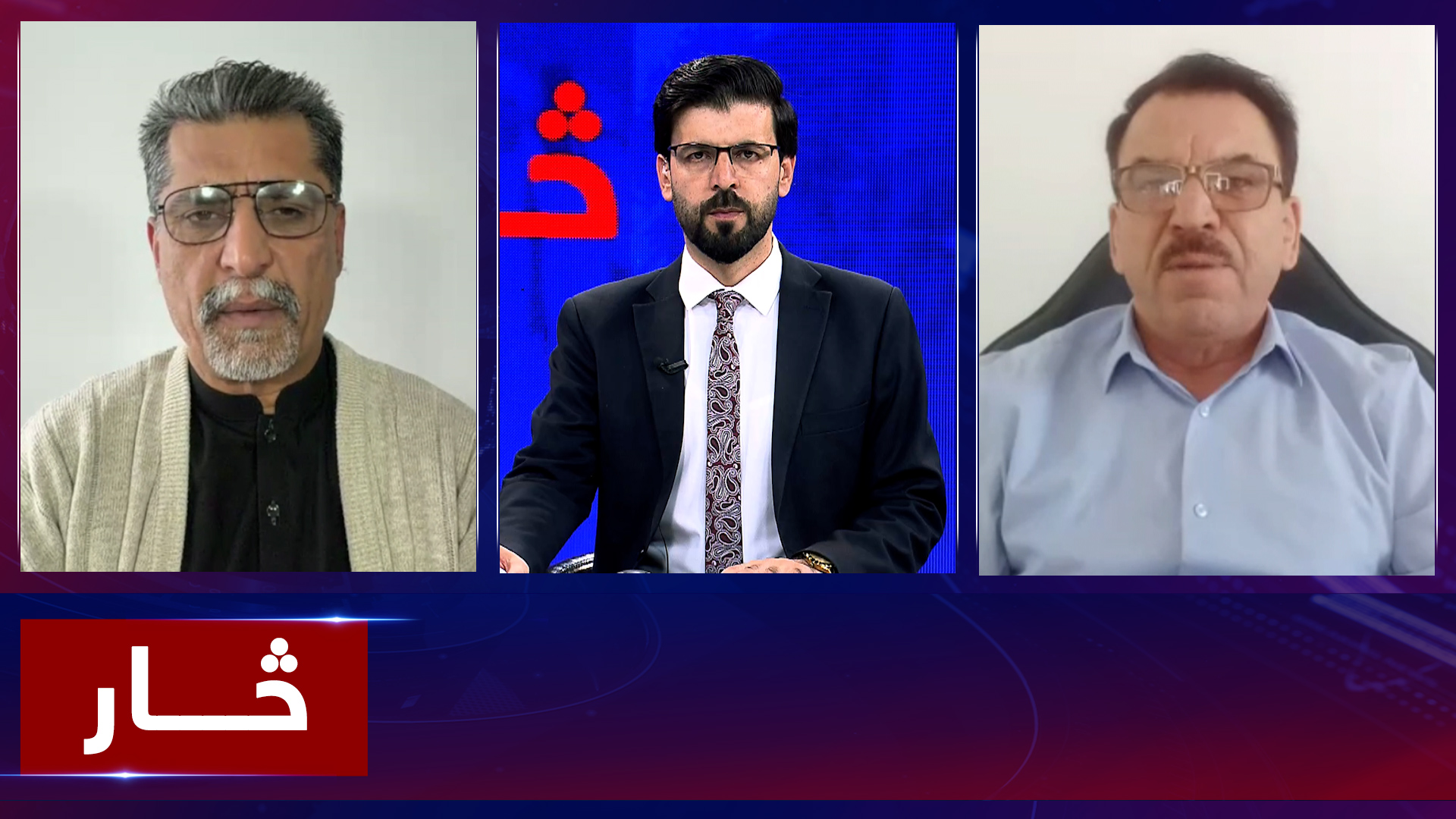
Saar: EU’s engagement with Afghanistan
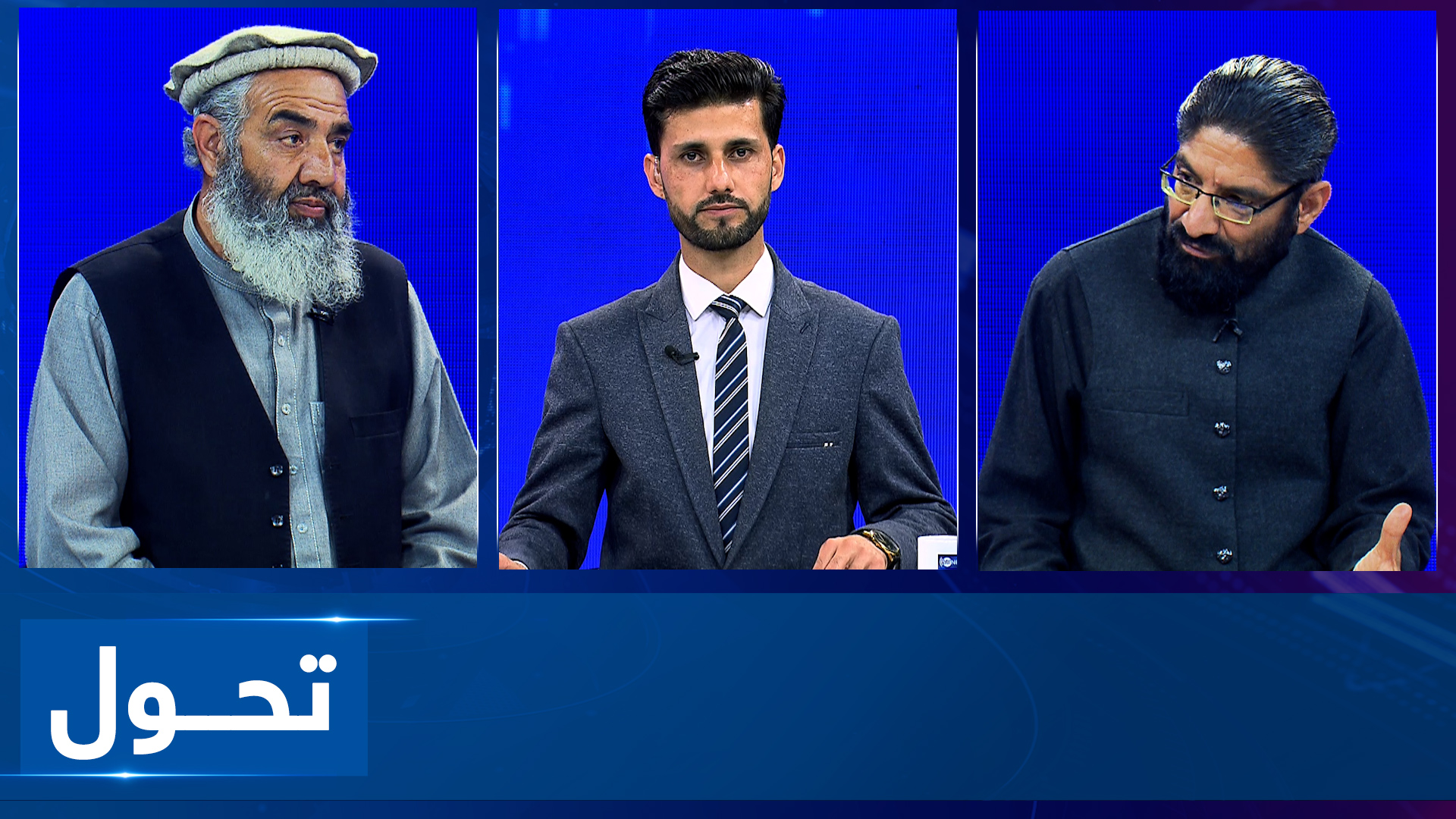
Tahawol: Afghanistan’s participation in Shanghai Plus security meeting discussed
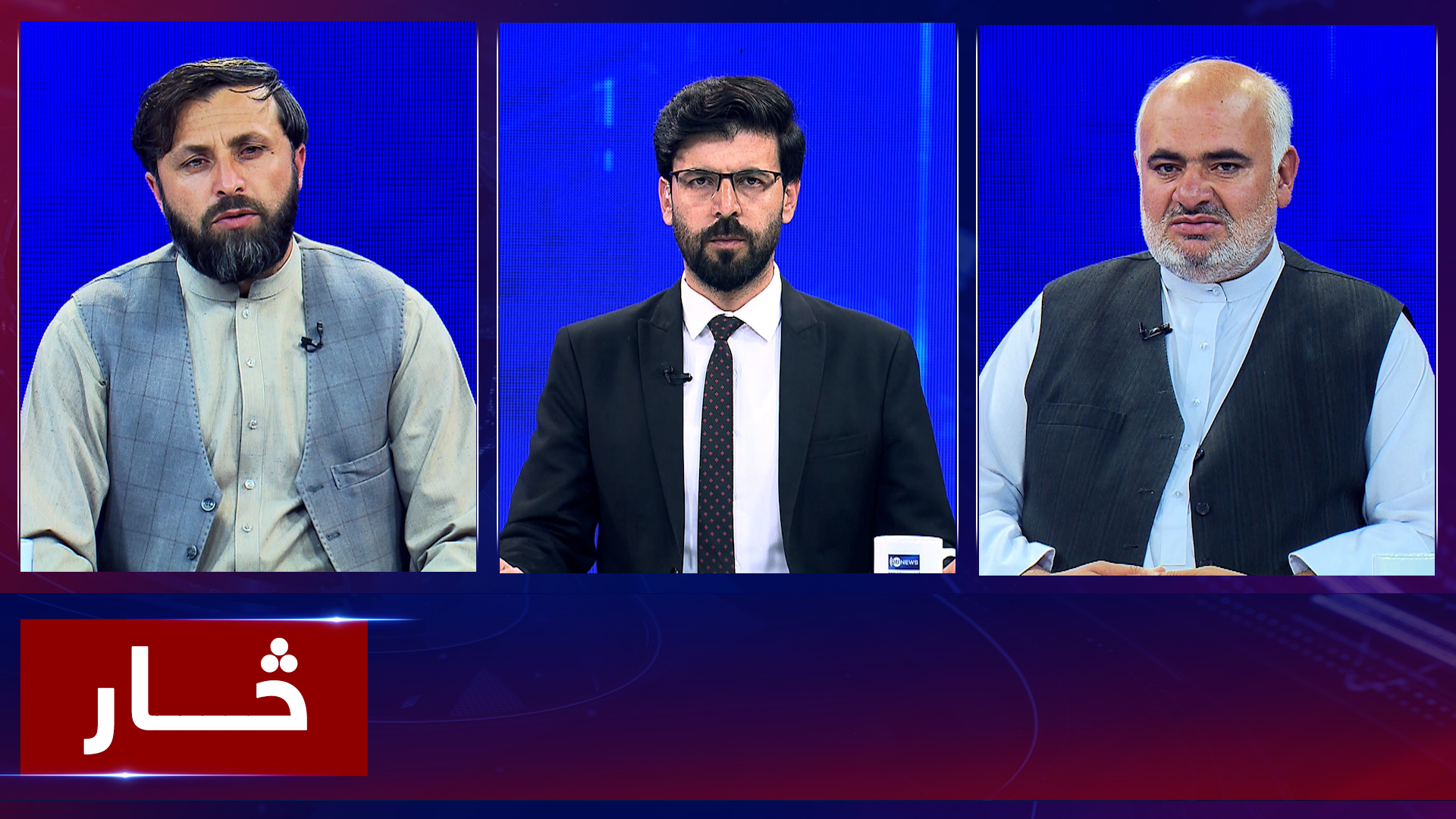
Saar: Afghanistan’s declining humanitarian aid funding discussed
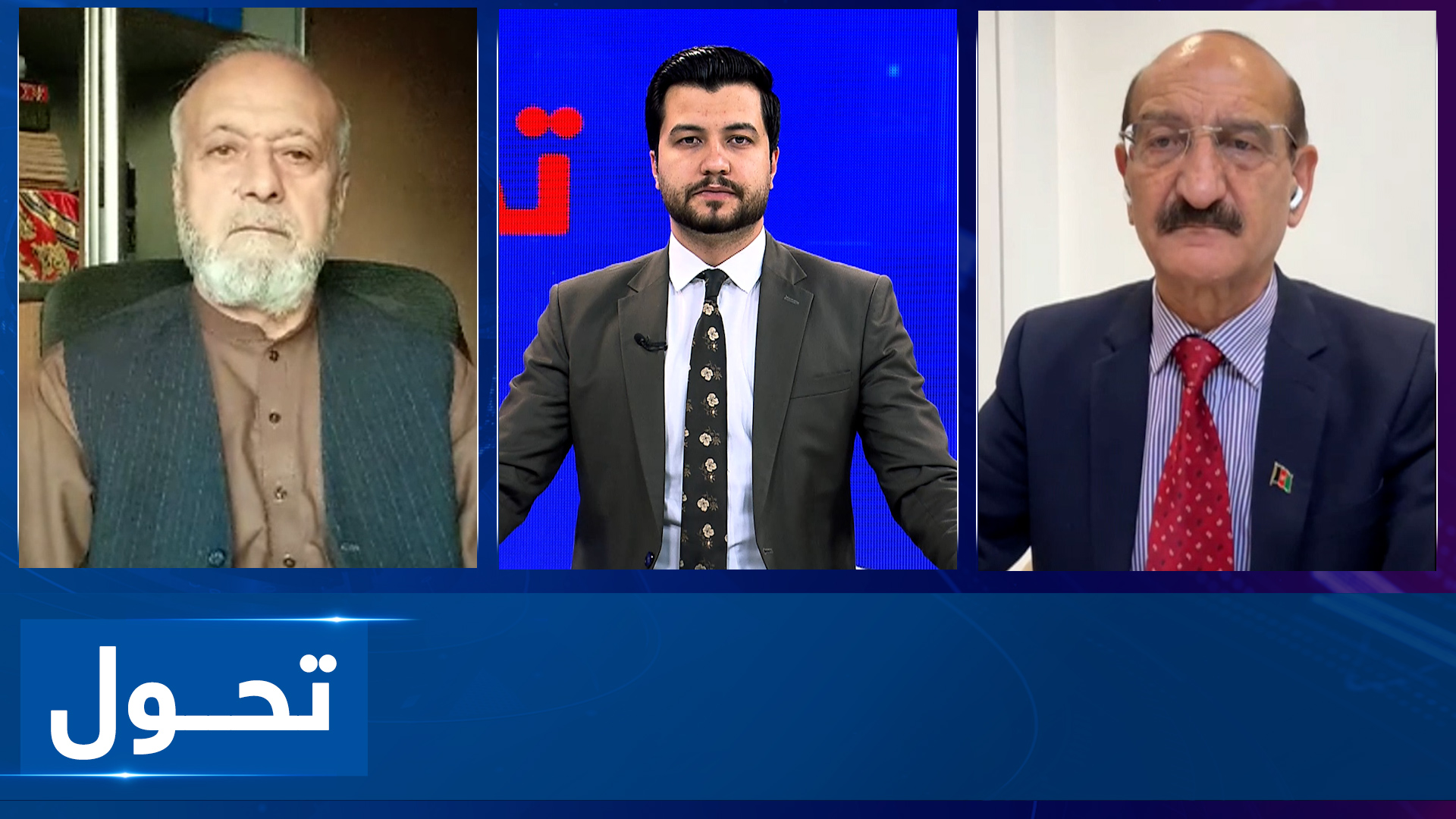
Tahawol: Calls for stronger joint action against terrorism discussed
-
 Sport4 days ago
Afghanistan suffer narrow defeat against Argentina at Dakar Youth Olympics
-
 World5 days ago
Democrat Abdul El-Sayed becomes first Muslim elected to US Senate
-

 International Sports4 days ago
Cristiano Ronaldo announces international retirement
-
 Regional4 days ago
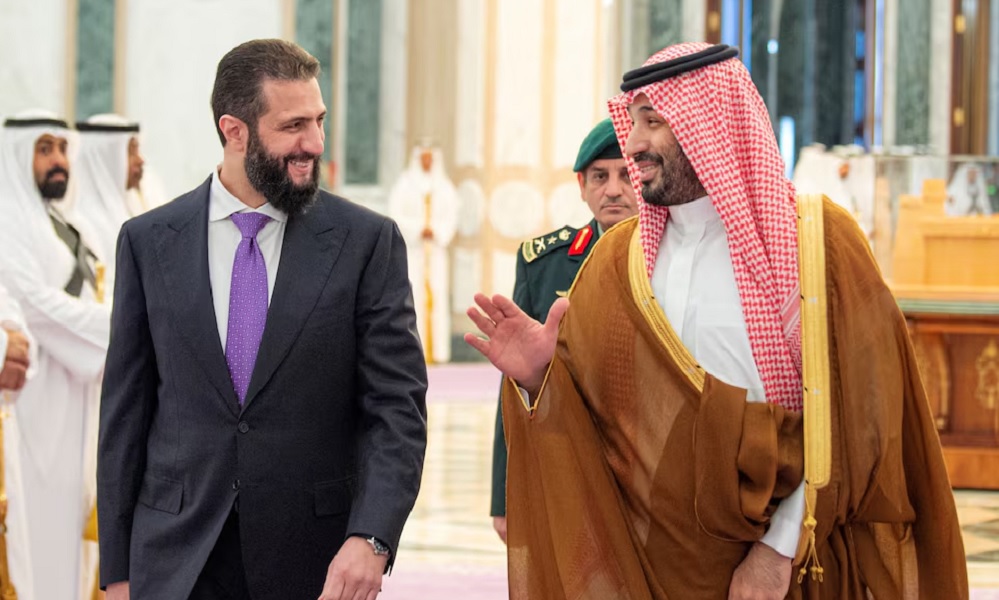
Saudi, Syrian defence ministries sign cooperation agreement
-
 World4 days ago
White House declares ‘Trump is still your president’ after Republicans suffer sweeping midterm defeats
-
 Regional4 days ago
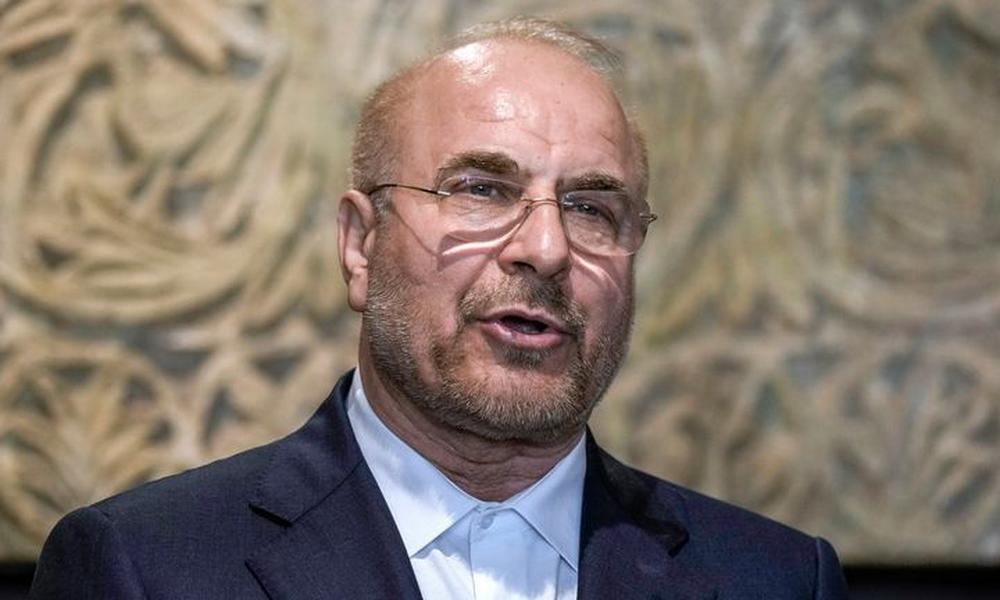
Iran says US voted ‘No to War’ after Republican midterm losses
-
 Latest News4 days ago
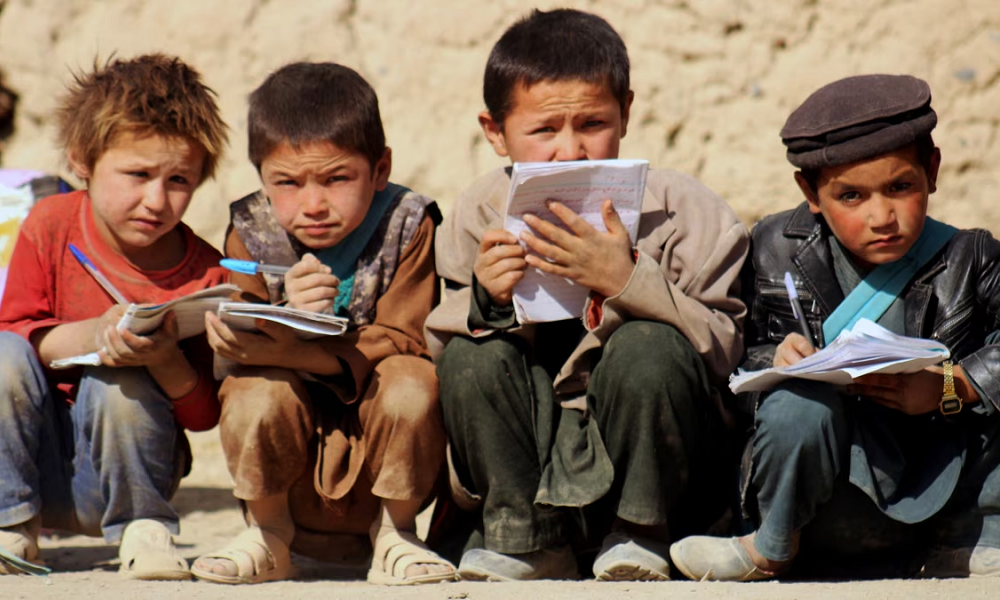
More than half of Afghan primary school-age children out of school: UN report
-
 Latest News5 days ago
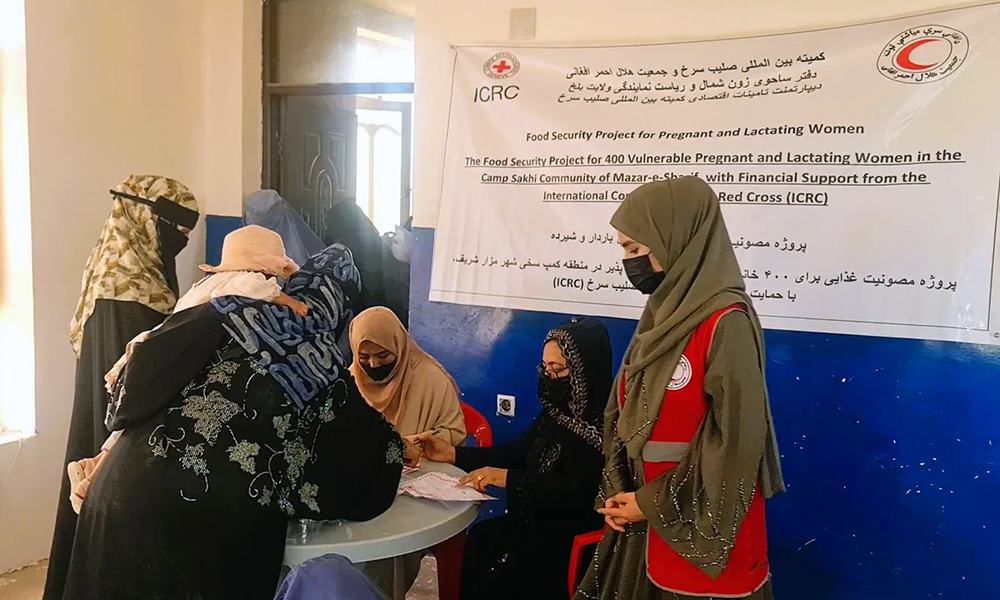
ICRC expands support for Afghan women and girls