
Latest News
US troops begin packing up gear ahead of withdrawal

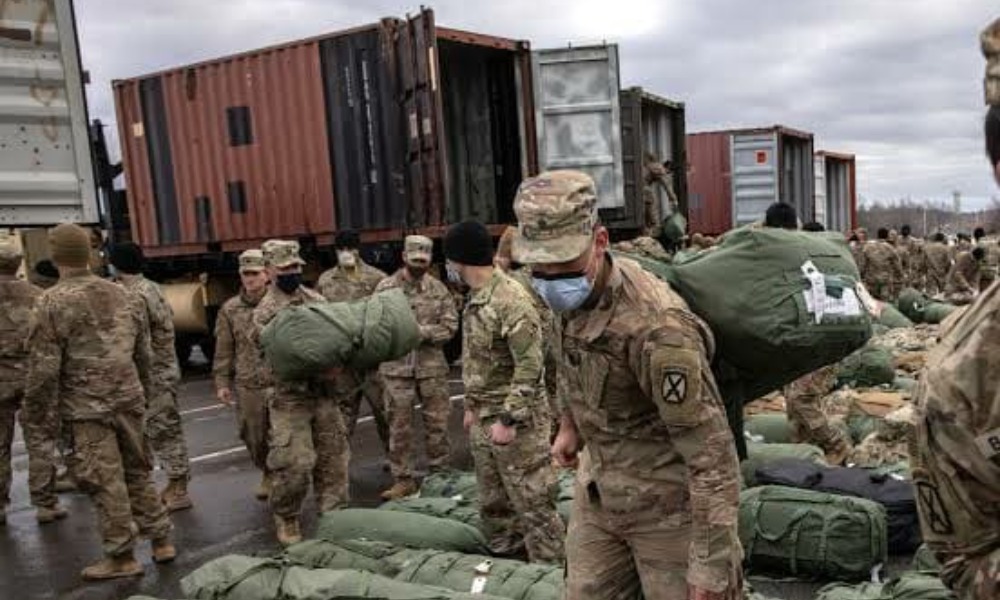
The U.S. military has begun shipping equipment and winding down contracts with local service providers ahead of the May 1 start of the final phase of its military pullout from Afghanistan, a U.S. Defense Department official said Thursday, The Associated Press reported.
Currently, 2,500 U.S. soldiers and about 7,000 NATO forces are still in Afghanistan.
In February last year, the U.S. military began closing its smaller bases. In mid-April, the Biden administration announced that the final phase of the withdrawal would begin May 1 and be completed before September 11.
Since then, the military has been shipping equipment and winding down local contracts for services such as trash pickup and maintenance work, the U.S. official told The Associated Press, speaking on condition of anonymity in line with briefing regulations.
While preparations are under way, troops likely won’t begin to depart for a few weeks, he said, adding that “we won’t see a coming down of the (troop) numbers” until remaining bases close.
There have been indications that the pullout could be completed well before September 11 – the 20th anniversary of the 9/11 attack on the United States.
On Wednesday, Germany’s Defense Ministry said discussions are underway among military planners with the NATO-led Resolute Support Mission in Kabul for a possible withdrawal of international troops from Afghanistan as early as July 4.
AP reported in the short term, America will likely increase its troop presence in Afghanistan. The additional troops would be in Afghanistan over the coming weeks and months to help with the herculean task of wrapping up 20 years of war.
While much of the equipment headed back to the U.S. will be shipped by air, the military will also use land routes through Pakistan and north through Central Asia, the Defense Department official told AP.
The U.S. equipment that is neither shipped back to America nor given to the Afghan National Security forces will be sold to contractors, who will, in turn, sell it in the local markets.
“You’ll most likely start seeing it eventually showing up in bazaars as scrap,” said the official.
The Taliban, meanwhile, were non-committal when asked by AP whether the insurgents would attack departing U.S. and NATO troops. “It’s too early for these issues, nothing can be said about the future,” said Taliban spokesman Mohammad Naeem.
In a deal the Taliban signed last year with former President Donald Trump, the final U.S. withdrawal deadline was set as May 1. Under the agreement, the Taliban promised not to attack U.S. and NATO troops but they also later promised “consequences” if Washington defied the May 1 deadline.

Latest News
Afghanistan and Uzbekistan agree to expand cooperation in livestock and breeding sector
The two sides agreed to organize advanced training courses and practical workshops, allowing Afghan specialists to receive free training in cattle breeding and artificial insemination.
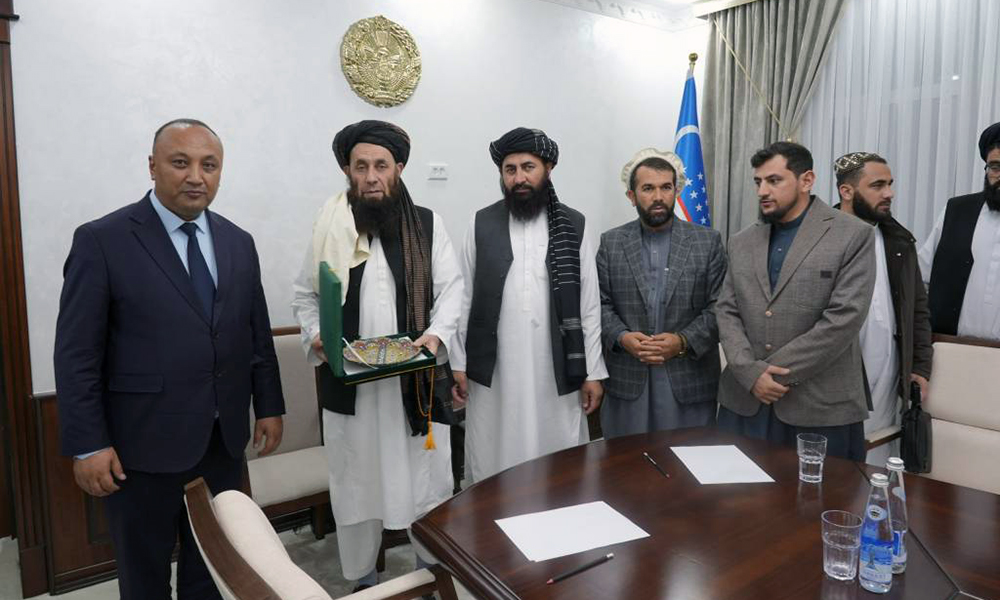
Afghanistan and Uzbekistan have discussed expanding bilateral cooperation in livestock farming, animal breeding and agricultural development, including plans to provide specialized training for Afghan experts.
According to Uzbekistan’s state news agency, UzA, an Afghan delegation led by Sadr Azam Usmani, Deputy Minister of Agriculture, Irrigation and Livestock, visited Uzbekistan’s Livestock and Pasture Development Agency to explore opportunities for strengthening cooperation in the sector.
During the meeting, officials from both sides discussed Uzbekistan’s experience in livestock farming, modern breeding technologies, cattle trade and professional training for agricultural specialists.
The Uzbek side also proposed issuing transit permits for breeding cattle imported from Iran through Afghanistan, creating a potential new opportunity for regional livestock trade.
The two sides agreed to organize advanced training courses and practical workshops, allowing Afghan specialists to receive free training in cattle breeding and artificial insemination.
Other issues discussed included supplying Afghanistan with improved breeding cattle and high-genetic-potential seeds, expanding livestock-related import and export activities, and exchanging technical expertise.
The discussions aim to strengthen agricultural cooperation between the two neighbouring countries and support the development of Afghanistan’s livestock sector through technology transfer, professional training and joint initiatives.
Latest News
Putin says CSTO closely monitoring Afghanistan’s security situation
Earlier, the CSTO Secretary-General identified efforts to counter cross-border threats and a programme to strengthen the Tajikistan-Afghanistan border as major priorities for regional security.
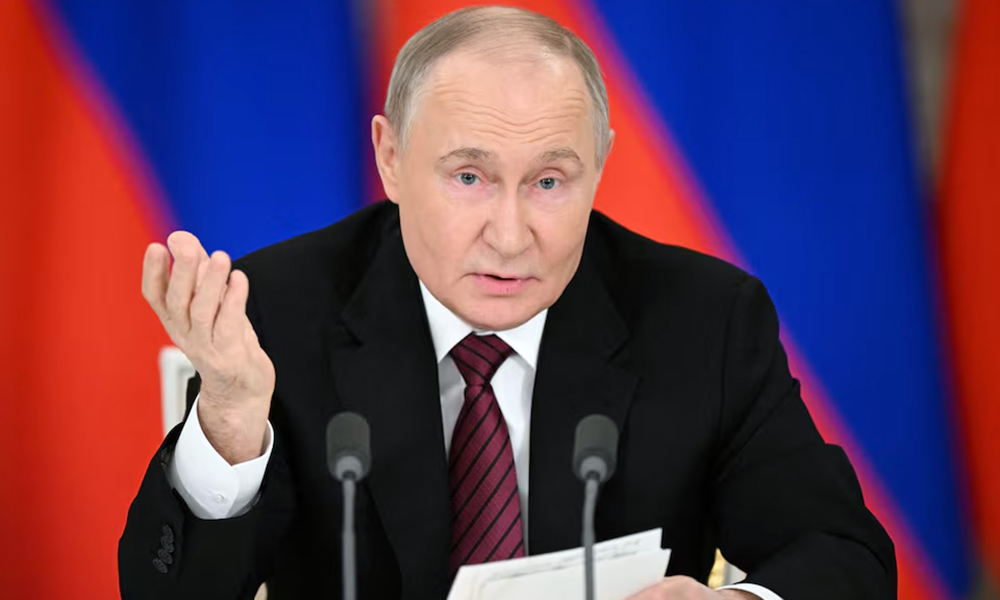
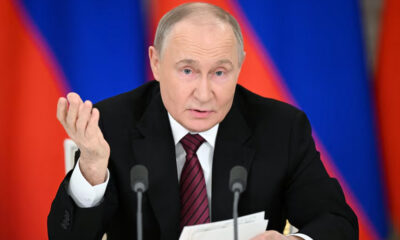
Russian President Vladimir Putin says member states of the Collective Security Treaty Organization (CSTO) are closely monitoring the security situation in Afghanistan amid broader efforts to strengthen security along the alliance’s external borders.
Putin made the remarks on Wednesday during a meeting of the CSTO Collective Security Council at the Kremlin, which he chaired. According to Russia’s state-run RIA Novosti news agency, he said developments in Afghanistan remain among the key issues receiving attention from member states.
Earlier, the CSTO Secretary-General identified efforts to counter cross-border threats and a programme to strengthen the Tajikistan-Afghanistan border as major priorities for regional security.
Meanwhile, Russian Deputy Prime Minister Alexey Overchuk is scheduled to arrive in Kabul on Thursday, November 12, leading a high-level economic delegation.
Hafiz Zia Ahmad Takal, head of the Information and Public Relations Department of Afghanistan’s Ministry of Foreign Affairs, said the visit aims to strengthen economic and trade relations between Afghanistan and Russia, explore investment opportunities and discuss potential joint economic projects.
The delegation is also expected to include Russian investors and business representatives.
The developments highlight the growing attention being given to both economic cooperation and regional security in Afghanistan’s relations with Russia and other neighbouring states.
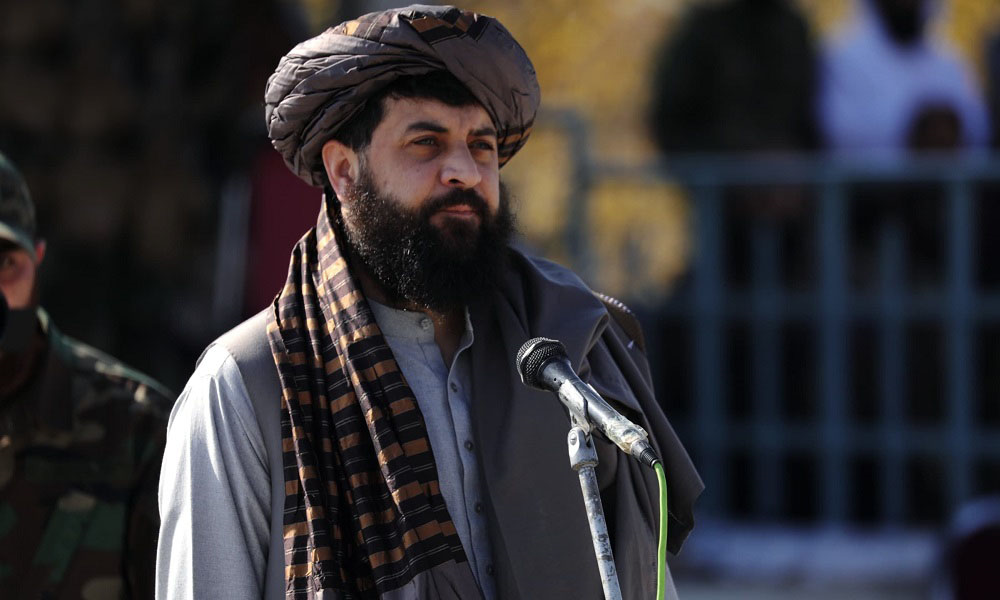
Mohammad Yaqoob Mujahid, the Minister of Defense of the Islamic Emirate, says that Afghanistan currently has a unified central government, and that no groups engaging in destructive activities are present in the country. He added that they will not allow anyone to undermine the country’s security.
According to a statement issued by the Ministry of Defense, Mujahid made these remarks at a graduation ceremony for commandos of the Special Forces Division. The ceremony was attended by Khalifa Sirajuddin Haqqani, the Minister of Interior; several cabinet ministers; foreign ambassadors and military attachés; special representatives; and a number of officials and military personnel.
Addressing the commandos, Yaqoob Mujahid said: “In the service you perform, make the pleasure of Almighty Allah your sole intention, because Almighty Allah will reward you for such an intention in this world and the hereafter. There is now a unified central government in the country, and no groups engaging in destructive activities are present. We will also not allow anyone to undermine security.”
He also added: “I assure our people that these forces will defend the lives, property, and territory of their beloved country with full courage and wisdom. I tell all foreign countries that Afghanistan is now secure, and there is no enemy in this country, whether from within or outside, that poses a threat to others.”
At the ceremony, Khalifa Sirajuddin Haqqani also said: “For half a century, Afghanistan did not have an independent army. However, now, it has an organized army and other security forces. You are not a ceremonial army, nor do you operate to serve the interests of others; rather, you are an organized and independent army. Although we may be materially weak, we are stronger than others in terms of morale and spirituality. We must maintain high morale, avoid acting emotionally in military affairs, and respond to the enemy at the appropriate time. We are not a threat to anyone; rather, we are defenders of our own land.”
It is worth noting that 1,000 young commandos of the Special Forces Division of the Ministry of Defense graduated from the eighth training course after completing six months of professional, ideological, and commando training.
During the ceremony, the graduating commandos, in cooperation with the Air Force, demonstrated coordinated practical and military exercises using various types of unmanned aircraft.

Afghanistan and Uzbekistan agree to expand cooperation in livestock and breeding sector
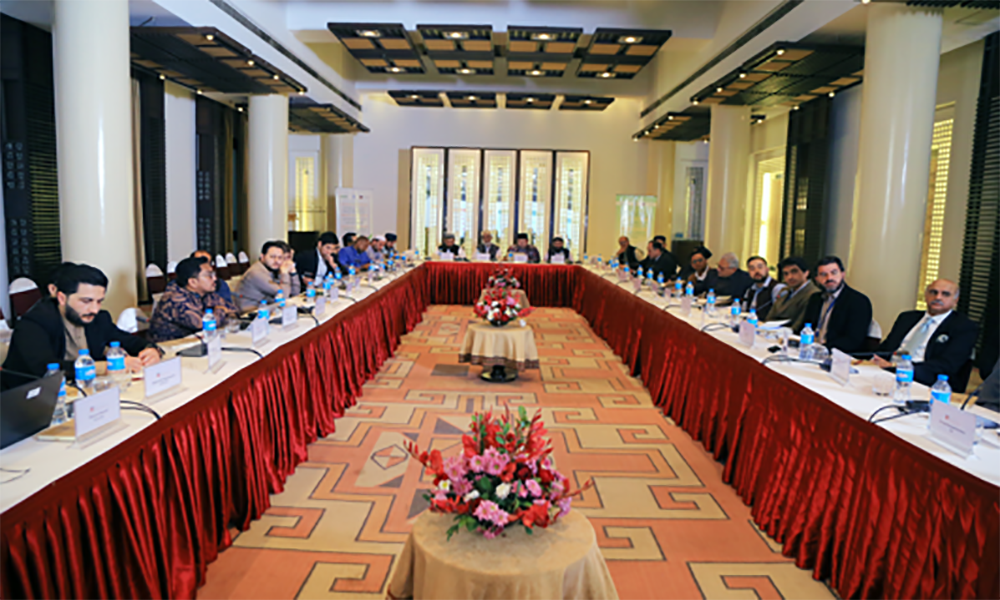
Afghanistan hosts dialogue on Islamic microfinance to expand access to Sharia-compliant financial services

Putin says CSTO closely monitoring Afghanistan’s security situation
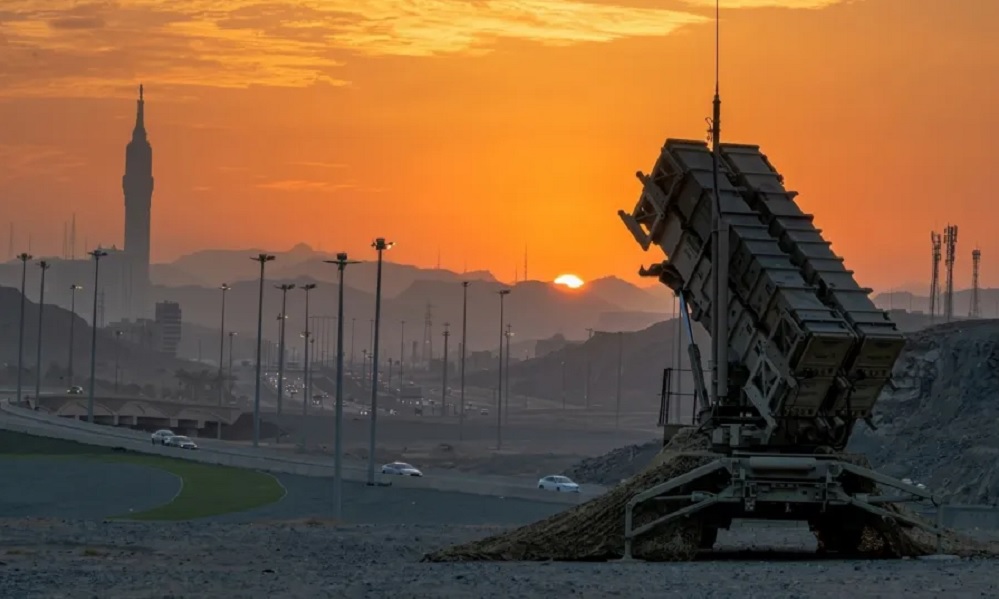
Saudi Arabia says debris from intercepted missiles falls in Mecca region
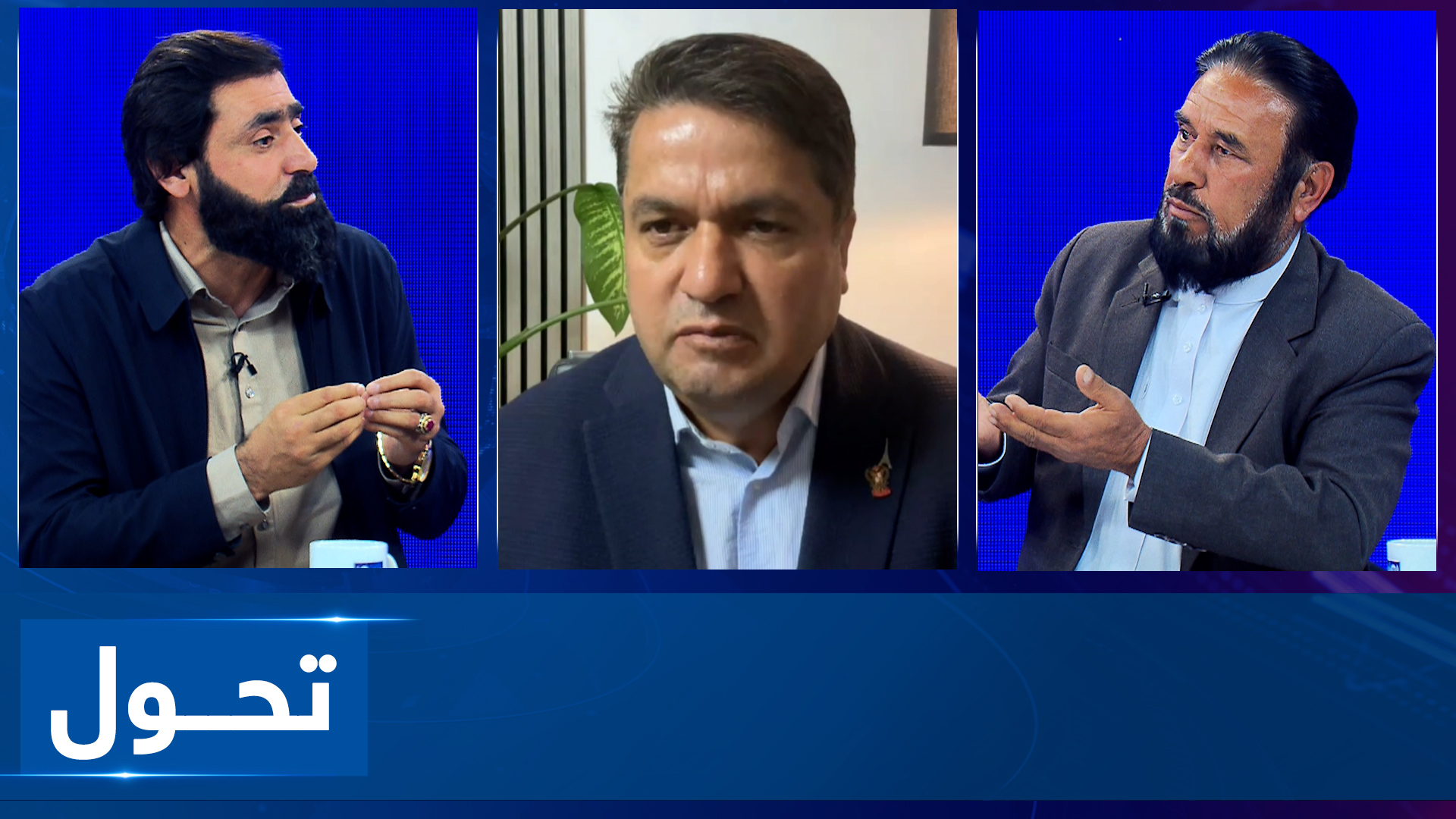
Tahawol: High-level Russian delegation’s visit to Kabul discussed

Afghanistan finish runners-up after 6-0 defeat to Brazil in futsal final

Trump says US may strike Iran’s ‘Pickaxe Mountain’ nuclear facility

Afghan futsal coach: Brazil tournament is first step towards new goals and World Cup

Violent protests spread across Europe as Albanian PM blames ‘foreign hand’

Rubio heads to Central Asia while other US officials hit foreign policy hot spots
Tahawol: High-level Russian delegation’s visit to Kabul discussed
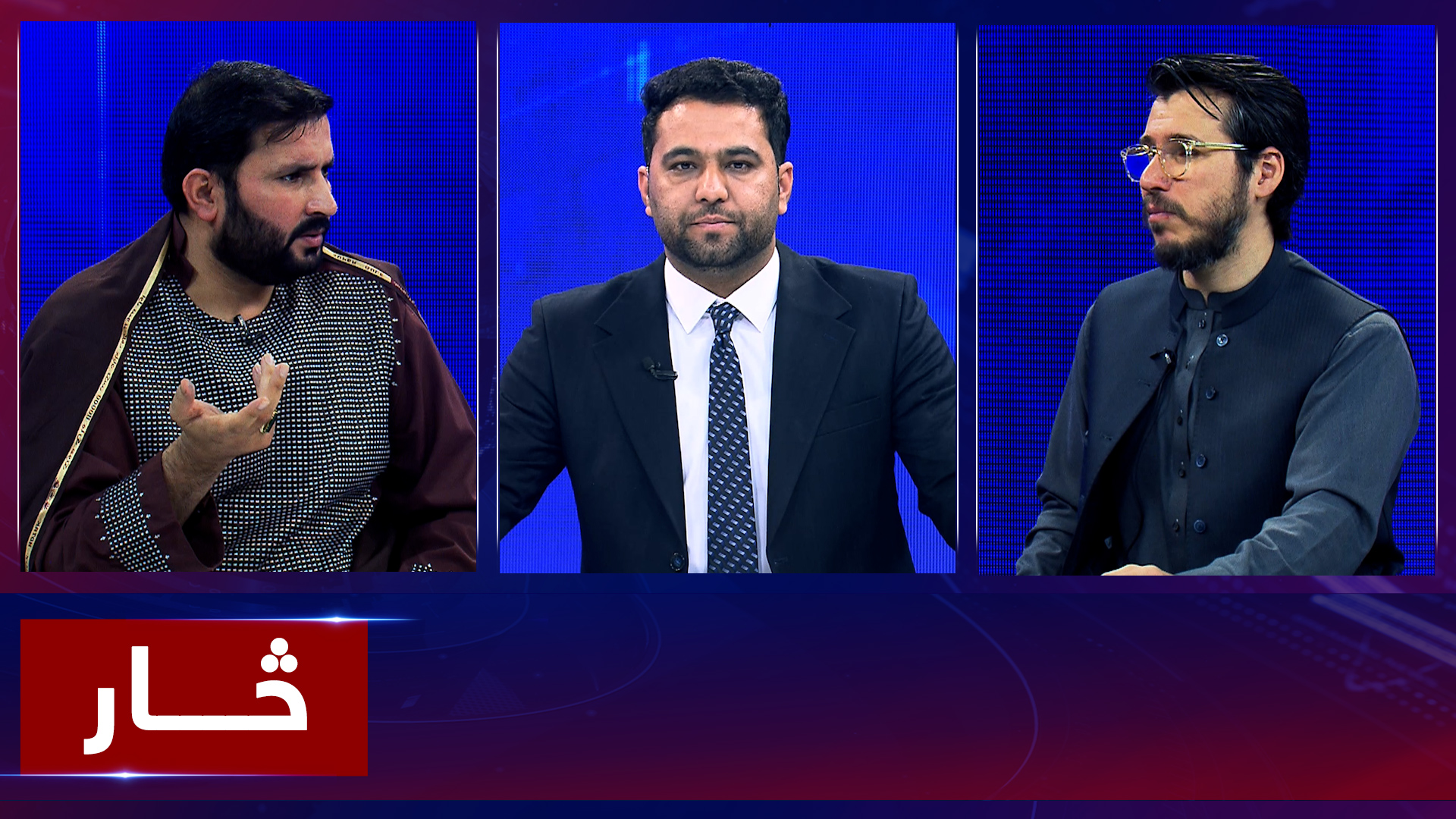
Saar: Afghanistan’s situation in focus at CSTO discussed
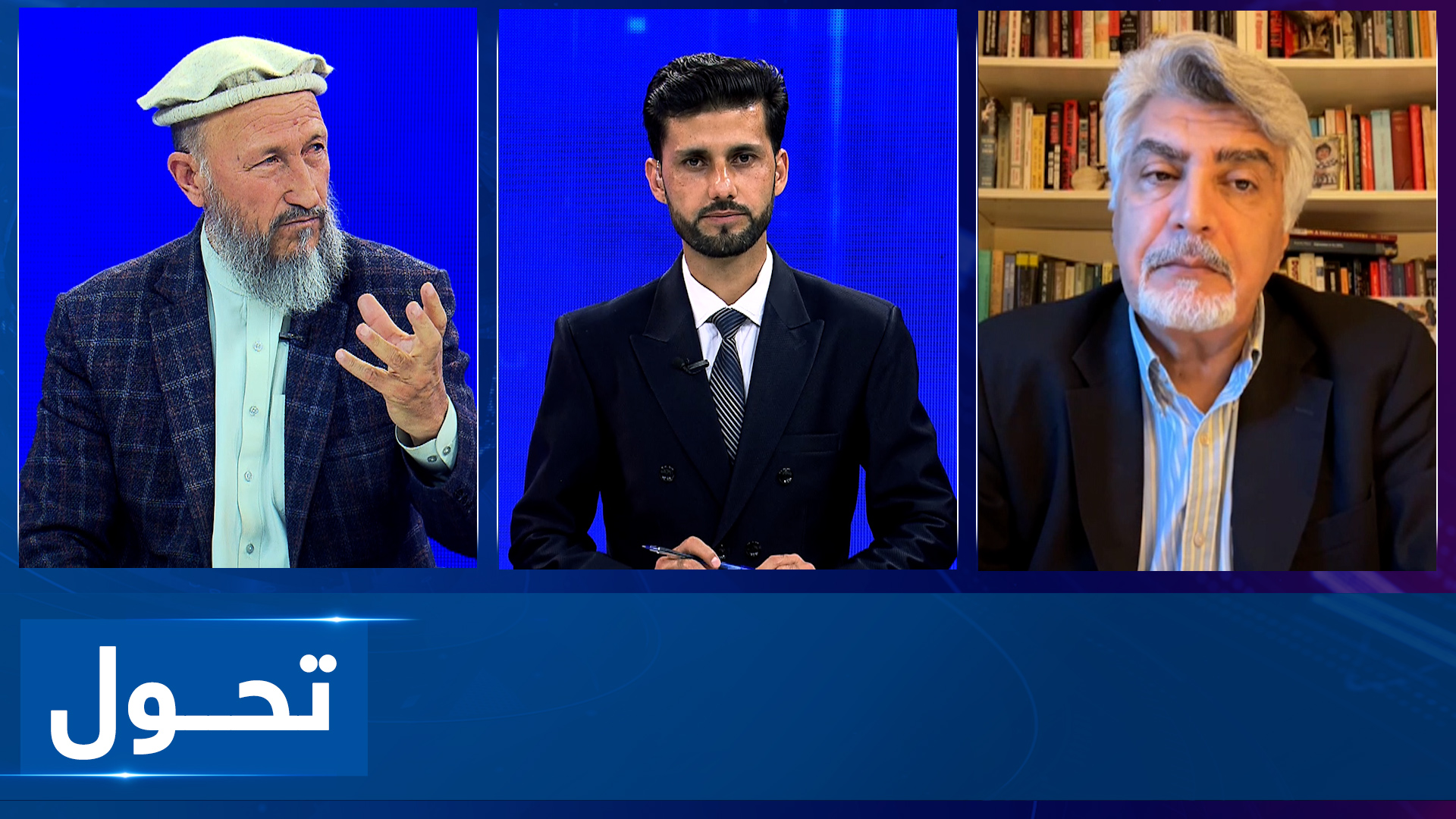
Tahawol: Efforts to halt deportation of Afghan refugees from US discussed
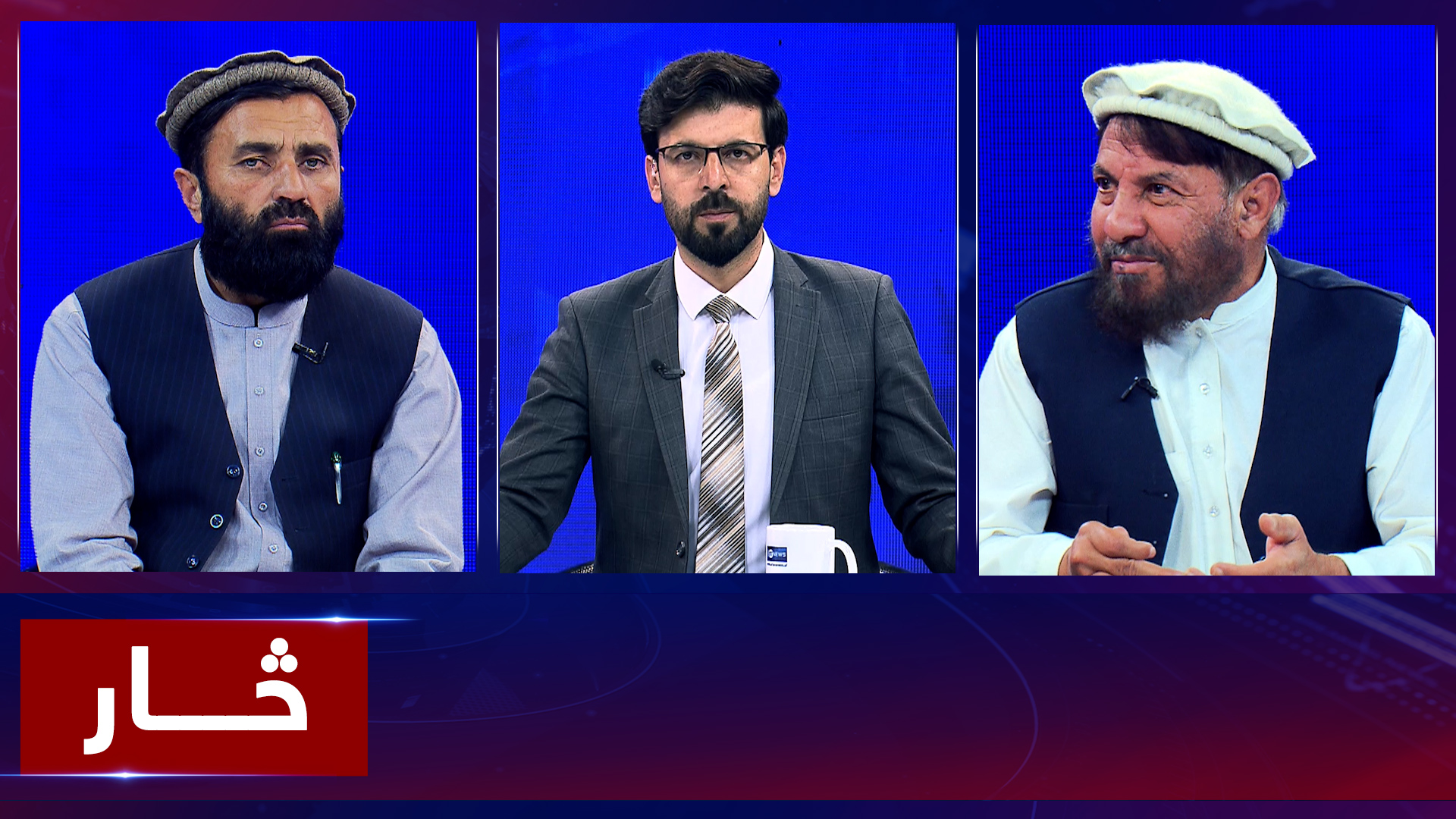
Saar: Russia’s stance on Afghanistan discussed

Trump says further US attacks on Iran ‘highly unlikely’ as peace talks gain momentum
-
 World4 days ago
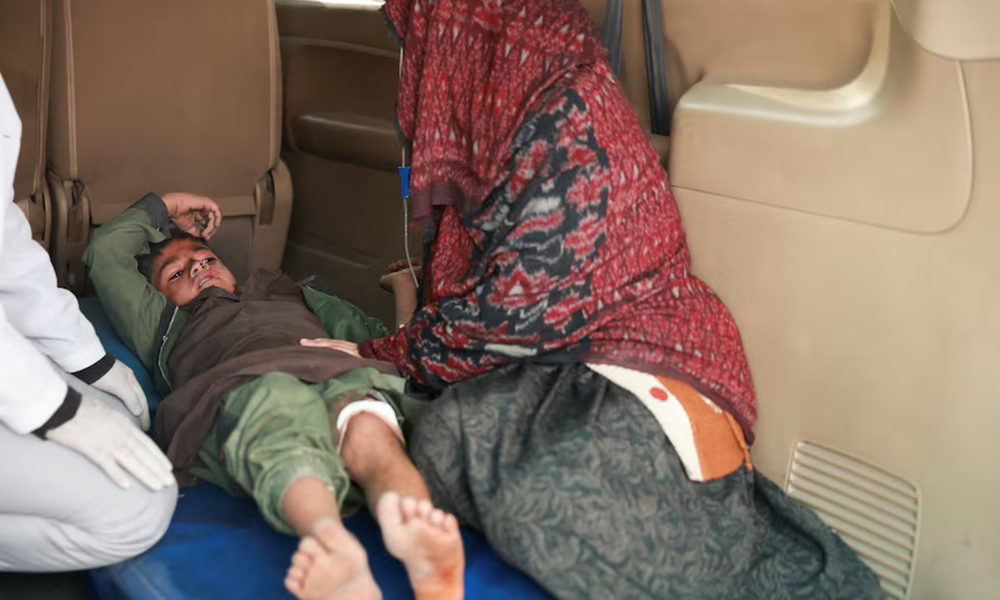
Houthi-run health ministry says airstrikes kill 33 near Yemen capital
-
 Sport4 days ago
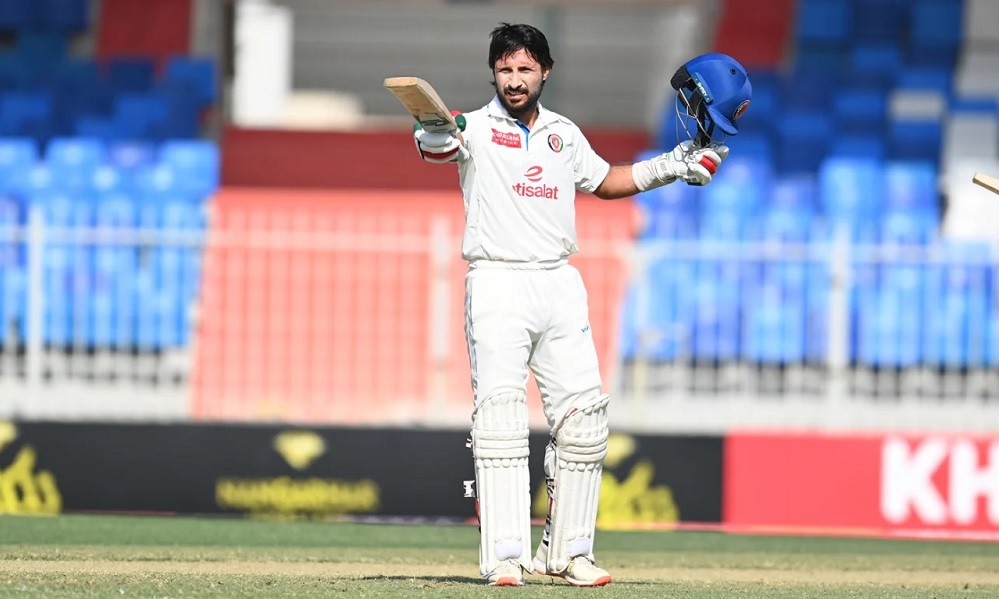
Afghanistan’s record partnership highlights fourth day of Test against Zimbabwe
-
 Sport3 days ago
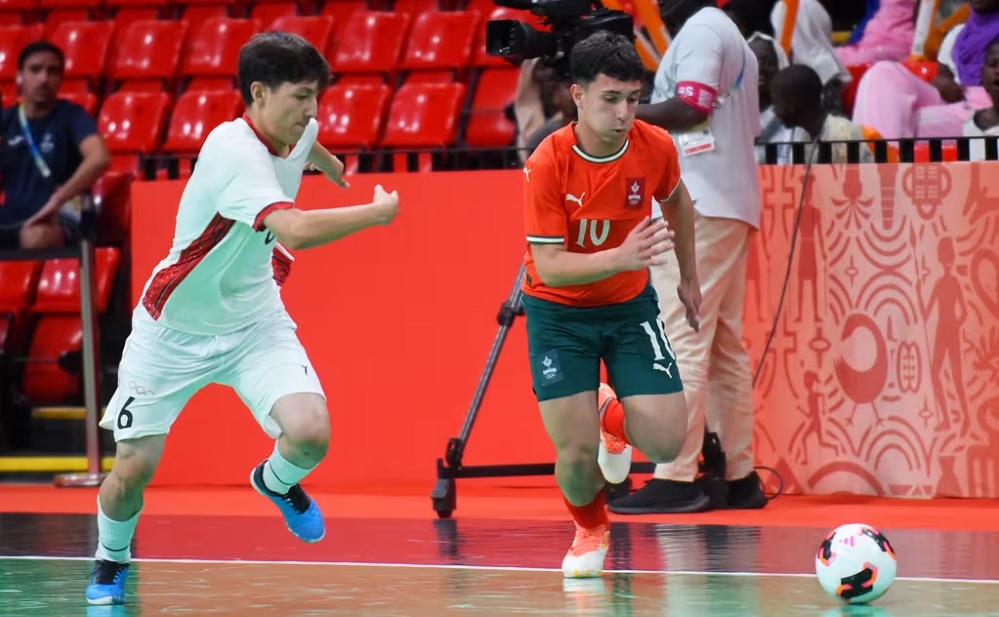
Portugal beat Afghanistan 2-0 in Dakar Youth Olympics futsal semi-finals
-
 Sport5 days ago
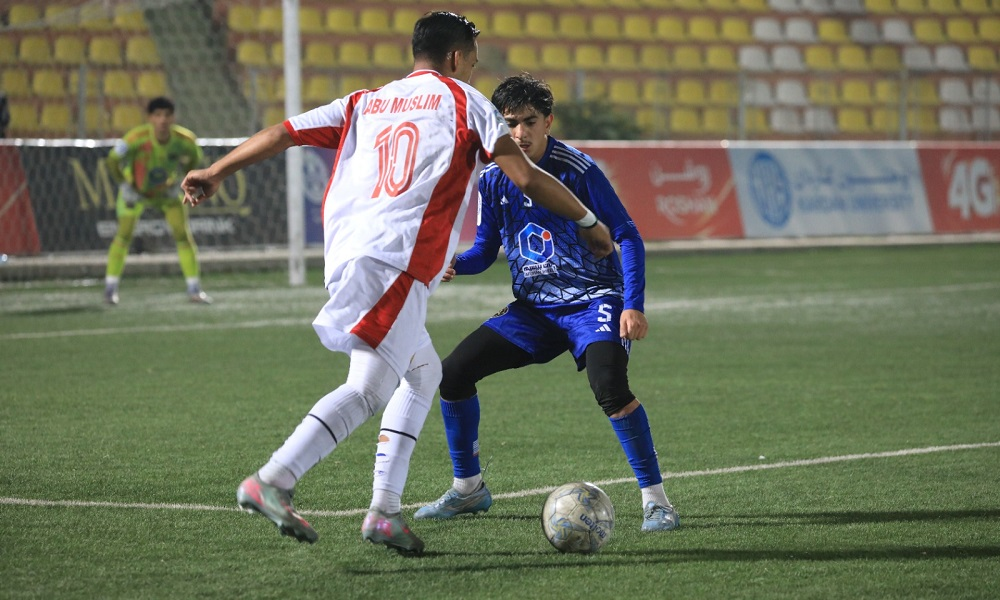
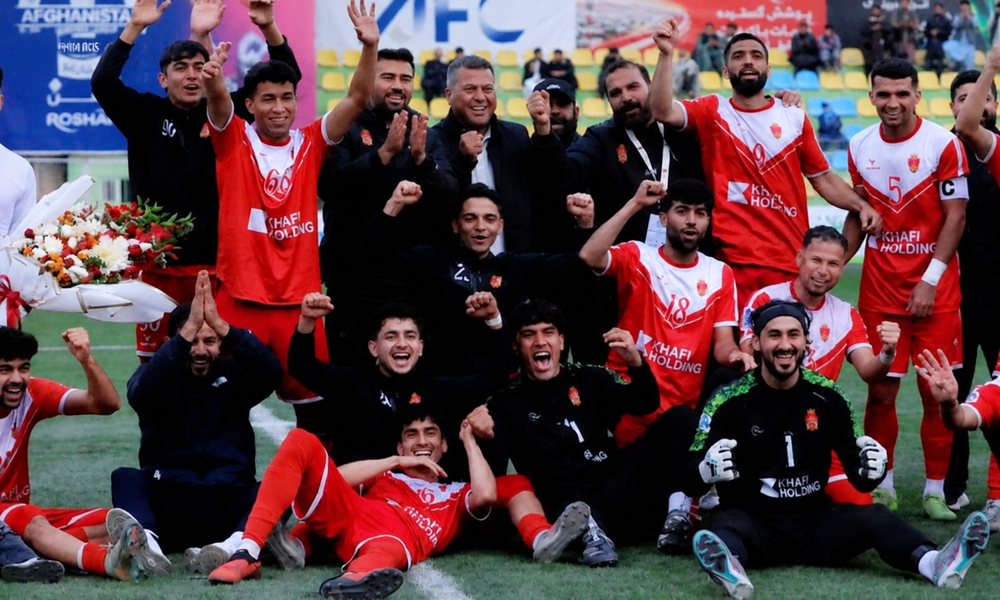
Toofan Herat defeat Arman FC 2–0 in Afghanistan Champions League
-
 Sport4 days ago
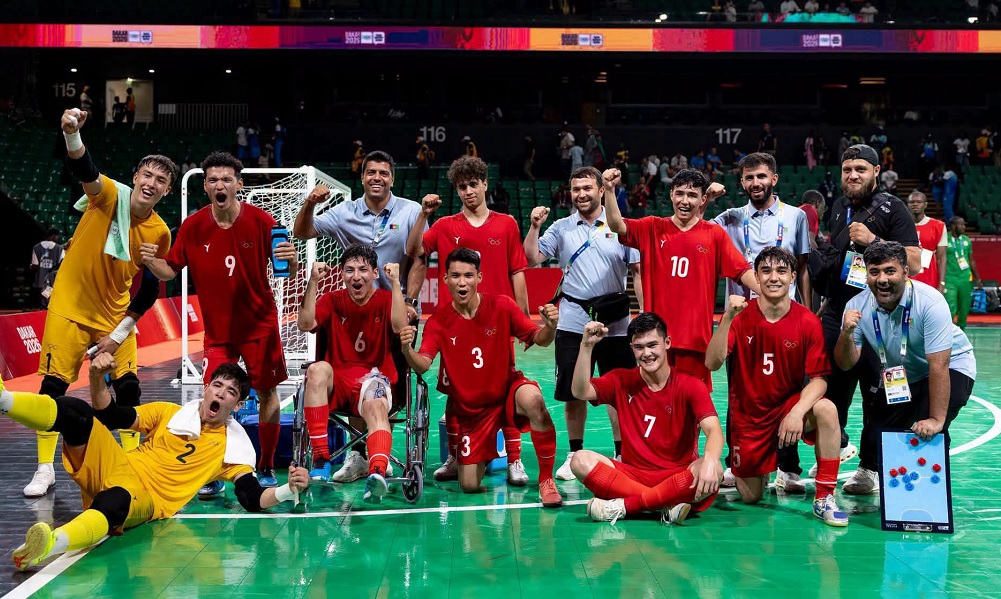
Afghanistan thrash Senegal 6-0 to reach Dakar Youth Olympics futsal semi-finals
-
 Regional4 days ago
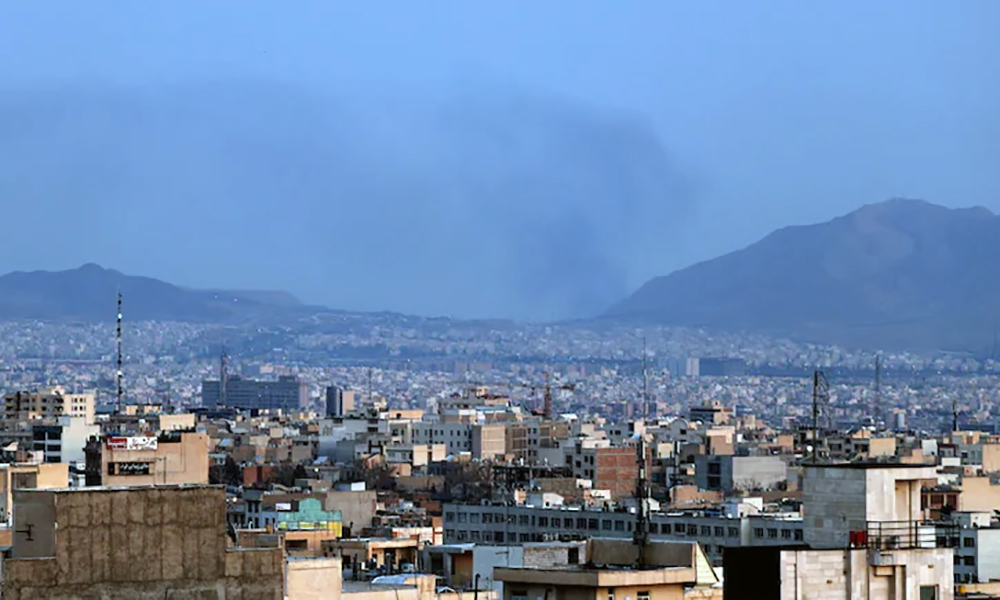
Explosions heard in areas in southern Iran, Iranian media report
-
 World3 days ago
First Muslim US senator-elect El-Sayed calls for review of aid to Pakistan
-
 Regional3 days ago
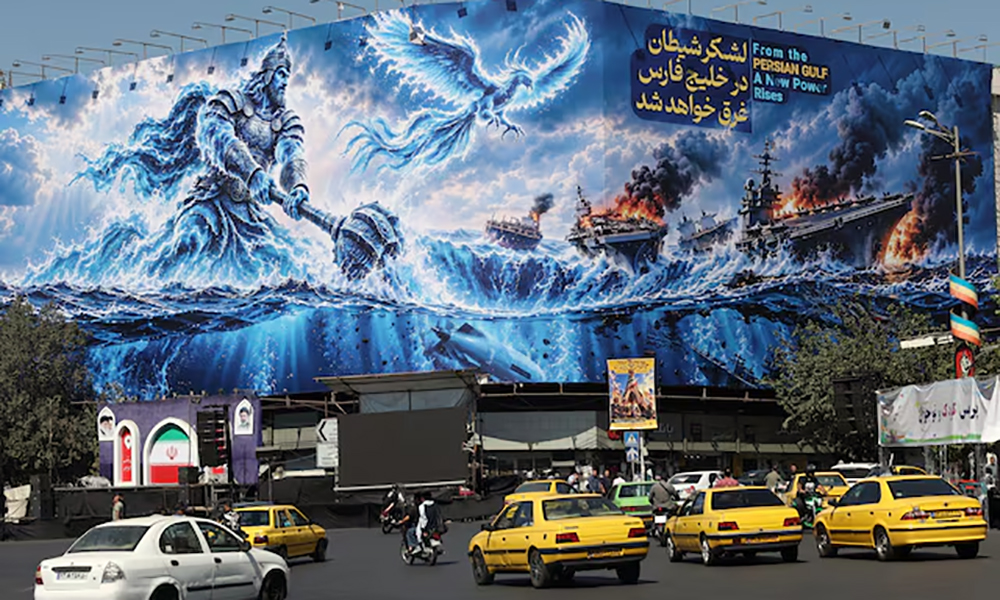
Iran defends two-day proposal for peace talks after US rejects conditions