
Latest News
What was 1398 – March 2019 through March 2020 – like, in terms of security?

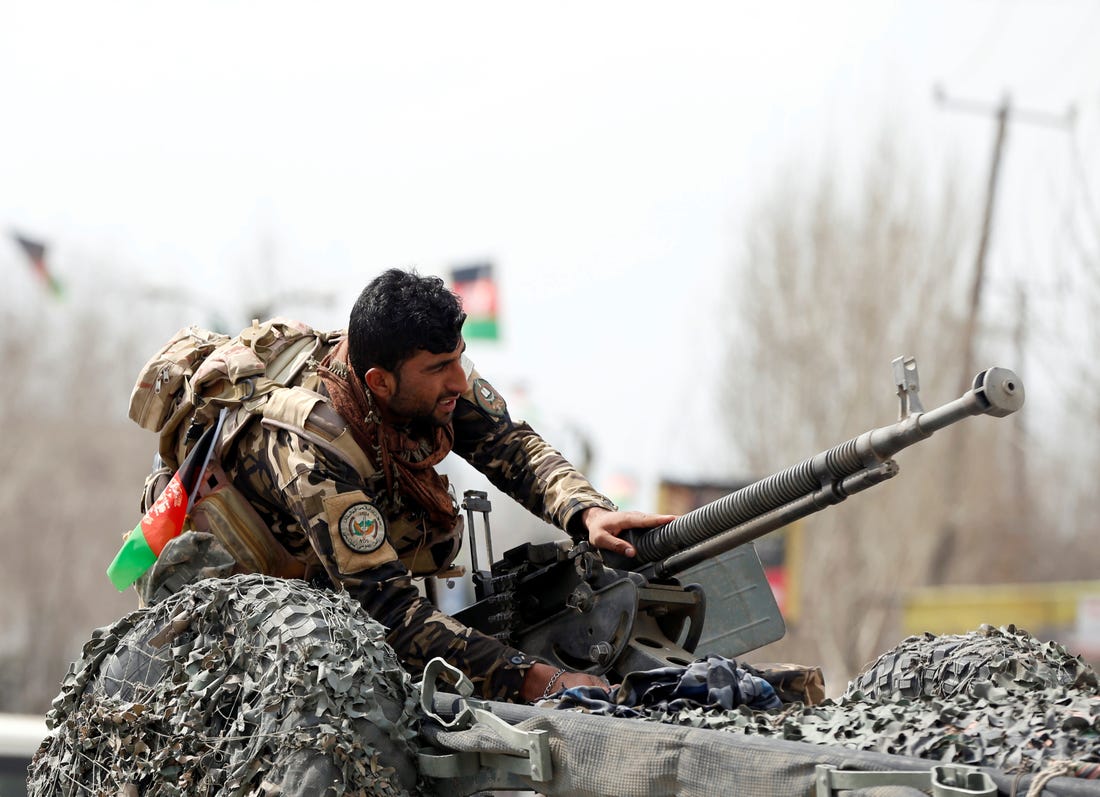
 The year 1398, scaling between March 2019 and March 2020, saw a term of reduction in violence for the first time by the parties in conflict.
According to Ariana News reports, the government’s opposition forces, the Taliban and Daesh in particular, conducted at least 21 deadly attacks, killing and injuring hundreds. The Afghan government, on the other hand, marks 1398 as ‘worse’ for the opposition forces coming under thousands of military operations.
The 1398’s bloody attacks are penned as follows:
- Three consecutive blasts on Nawroz – Persian News Year – festival, Kabul; seven killed, four wounded, and no one claimed responsibility.
- Two blasts on Nawroz – Persian News Year – festival, Lashkar Gah; killing 3, injuring 3, the Taliban claimed responsibility.
- Two blasts in Jalalabad; 5 killed, 5 wounded, responsibility unknown.
- Attack on the Counter-Part Organization; 7 killed, 5 wounded, Taliban claimed responsibility.
- A suicide attack on Marshal Mohammad Qasim University; 7 killed, 9 wounded; Daesh claimed responsibility.
- A car bombing in the 9th district of Kabul; 7 killed, 3 wounded, Taliban claimed responsibility.
- A suicide bomber on a police car in Jalalabad; 9 dead, 12 wounded, the responsibility unknown.
- An attack in the Maroof district of Kandahar; eight employees of the Independent Election Commission were killed and the Taliban claimed responsibility.
- An attack in 16th district of Kabul; 9 killed, dozens wounded including 55 children. The Taliban claimed responsibility.
- A car bomb in Ghazni; 7 killed, 5 wounded, Taliban claimed responsibility.
- An explosion on the Khakrez road, Kandahar province; 9 killed, 20 wounded, the responsibility unknown.
- A suicide attack in front of Kabul University; 8 killed, 33 wounded, Daesh claimed responsibility.
- A car of the Ministry of Mines hit by a car bomb; 11 dead, 45 wounded, and the Taliban claimed responsibility.
- An attack in the Kijran district of Daikundi; 10 policemen killed, 7 injured, the Taliban claimed responsibility.
- A car bomb in the Aband district of Ghazni; 4 policemen killed, 11 policemen and 8 civilians wounded, the Taliban claimed responsibility.
- An attack on the office of the Green Trend in Kabul; 30 killed, 50 wounded, responsibility unknown.
- An explosion on the Kandahar-Herat highway, killing 34 civilians, injuring 17, responsibility unknown.
- An explosion in the Jaghato district of Wardak province; 5 civilians killed, 3 wounded, no claimed responsibility.
- A car bomb on a security checkpoint in the 6th district of Kabul; killed 18, wounded 145, and the Taliban claimed responsibility.
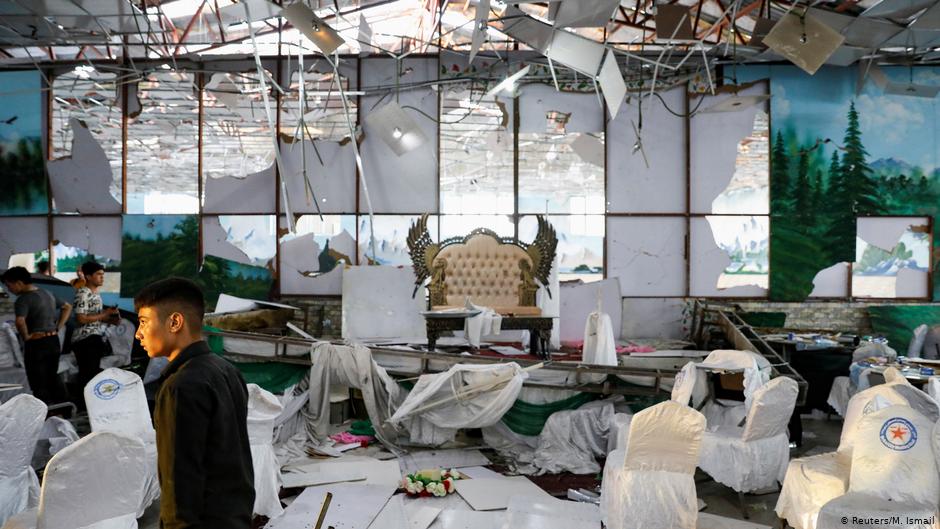
- A suicide bomber at a wedding hall in the west of Kabul, killing 63, wounding 182, Daesh claimed responsibility.
- Suicide bombing in Kabul’s Makrurayan; killed 10 civilians and 2 foreign troopers, 42 wounded, Taliban claimed responsibility.
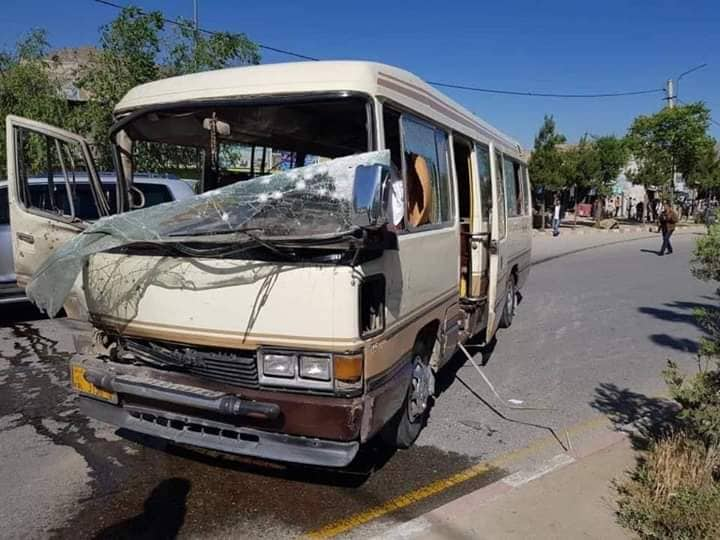 On the other hand, Interior Ministry officials say that this year, the police conducted two thousand and five hundred operations against insurgents. Although the casualties of the Afghan police are kept unrevealed, the year has been fatal for them too.
Tariq Aryan, a spokesman for the Interior Ministry, said that during 1398, the security forces were able to capture more areas from the Taliban.
This year, the Afghan forces and the armed oppositions took control of some districts on and off, but the Ministry of Defense says fourteen districts have been withdrawn from the Taliban.
Fawad Aman, the deputy spokesman for the Ministry of Defense, also said that this year was a ‘bad year’ for the Taliban.
 Airstrikes by Afghan and foreign forces were also accompanied by civilian casualties. Ghani also has been criticized for the continuous attacks. The Independent Human Rights Commission says eleven thousand civilians have been killed and injured this year.
Sher Mohammad Karimi, former Afghan Army Chief of Staff says: “Security forces should have been kept away from political agendas.”
President Ghani announced lately that the Daesh in the east had been defeated – the peace talks were heated up, the war got a bit cold and for the first time, the parties in conflict agreed on a seven-day reduction in violence. Ariana News’ findings suggest that millions of Afghanis were saved of the cost of the Afghan army during the RIV term.




Kazakhstan’s Foreign Minister Mukhtar Tileuberdi has called for pragmatic and coordinated international engagement with Afghanistan, saying the country’s long-term stability is closely linked to the security and sustainable development of Central Asia.
Speaking during the general debate of the 81st session of the United Nations General Assembly in New York on Friday, Tileuberdi said humanitarian assistance to Afghanistan remains essential but alone cannot break the cycle of poverty, displacement and dependency.
He said Kazakhstan supports a “pragmatic, coordinated and step-by-step” approach to international engagement with Afghanistan, with the United Nations playing a central role.
Tileuberdi also said Kazakhstan is working with the UN to operationalize the United Nations Regional Centre for the Sustainable Development Goals for Central Asia and Afghanistan in Almaty.
He said the success of the centre should be measured by the results and assistance it delivers to the region.


Abu Muslim Farah defeat Khurasan Faryab 2-0 in ACL season six

Saar: Concerns over Pakistan’s political crisis discussed

Afghanistan Champions League: Omar Zawak Herat beat Toofan Herat 1-0

Blast in Pakistan’s Dera Ismail Khan kills 11, injures 30

Ariana Afghan Airlines increases Kabul-Delhi cargo flights

Saudi energy group signs major Afghanistan deals covering gas exploration and pipeline plans

Trump floats idea of renaming Atlantic or Pacific Ocean

US hits Egyptian bank branches with Iran sanctions as war marks six months

Nepal flood rescue mission enters critical phase as thousands remain missing

Iranian clubs to face Gulf opponents at neutral venues in Asian Champions League Elite
Saar: Concerns over Pakistan’s political crisis discussed

Exclusive interview with Abdul Latif Mansoor, Minister of MRRD

Tawsia: Overview of Afghanistan’s iron mines

Tahawol: Discussion on fresh Pakistani airstrikes on Afghanistan

Saar: Calls for international support for Afghanistan discussed
-

 World5 days ago
CNN, MS NOW and Politico sue Trump, challenging White House ban
-

 Latest News3 days ago
Ariana Afghan Airlines ranks seventh among 45 Central Asian airlines
-

 Latest News5 days ago
UN reiterates call for respect for international law after Kunar airstrikes
-

 Regional4 days ago
US and Iran hold first talks since June after Trump’s ‘annihilation’ threat
-

 Latest News3 days ago
Silk Road highway in Wakhan corridor now reaches the China border
-

 Latest News5 days ago
Afghan Official: Pakistan’s airstrikes will not go unanswered
-

 Regional3 days ago
Iran airlines cancel flights as US sanctions hit
-

 Sport5 days ago
Afghan boxing referee heads to China for international festival