
Latest News
4,000 Children from Syria, Afghanistan, Morocco sought protection in Bulgaria in 2024: UNICEF
More than 473 million children – more than one in six globally – live in conflict-affected areas, according to the report.

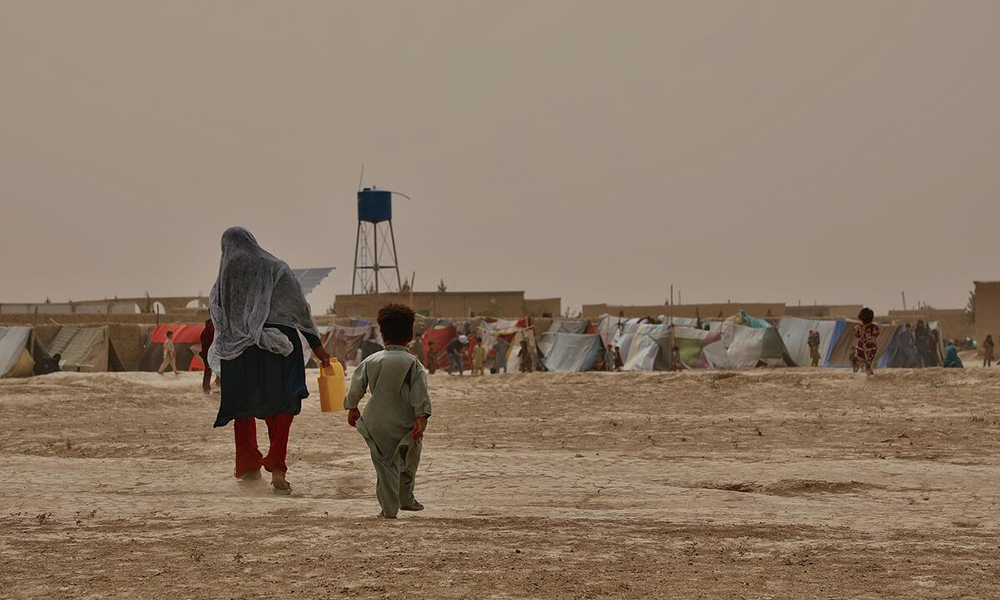
In 2024, 4,000 children from Syria, Afghanistan and Morocco and 60,000 from Ukraine sought protection in Bulgaria from military conflicts, raging in their native countries, according to a UNICEF report.
The report states that 2024 was “one of the most disastrous years for children in conflict” in the organization’s history.
According to UNICEF data for 2024, more than 12,164 people mostly from Syria, Afghanistan and Morocco sought international protection in Bulgaria, of which nearly 4,000 were children, and 64% or 2,569 of them were unaccompanied.
Since the beginning of the war in Ukraine until December 18 2024, 201 389 people received temporary protection in Bulgaria, of whom nearly 60,000 were children. To date, there are just over 70,000 refugees from Ukraine in Bulgaria and 40% of them are children.
Military conflicts have had a devastating and unprecedented impact on the lives of children worldwide in 2024, according to the UNICEF report, which reviews recent data and global trends.
More than 473 million children – more than one in six globally – live in conflict-affected areas, according to the report, which also reports currently the largest number of conflicts since World War Two. The percentage of children living in areas of conflict has doubled, from about 10% in the 1990s to almost 19% today, UNICEF warns.
By the end of 2023, 47.2 million children had been displaced by conflict and violence, with trends through 2024 pointing to further displacement due to deepening conflict, including in Haiti, Lebanon, Myanmar, the State of Palestine and Sudan.
Children make up 30% of the global population, but on average account for about 40% of refugees and 49% of IDPs. In countries affected by armed conflict, more than a third of the population lives in poverty (34.8%), compared to just over 10% in countries not affected by conflict, the report says.
“Every child has the right to safety, protection, care and support, regardless of immigration status, country of origin, gender, race or religion. Every child is first and foremost a child. Refugee children need comprehensive care, access to education, healthcare, legal assistance and psychosocial support. UNICEF will continue to support children, as well as responsible institutions, in their efforts to provide effective care and protection to refugee children,” said Christina de Bruin, UNICEF Representative in Bulgaria.
“By virtually every measure, 2024 was one of the most devastating years in UNICEF’s history – both in the number of child victims and the extent of the catastrophic impact on their lives,” said UNICEF Executive Director Catherine Russell. “A child growing up in a conflict zone is much more likely to be out of school, malnourished or forced to leave home – too often repeatedly – than a child living in peaceful areas. This should not be the new normal. We cannot allow an entire generation of children to become innocent victims of the world’s unchecked wars,” says Russell.
The Fund warns that access to education is often cut off in conflict zones and more than 52 million children are out of school in conflict-affected countries. Children in the Gaza Strip and a significant proportion of children in Sudan have missed more than a year of school, while in countries such as Ukraine, the Democratic Republic of Congo and Syria, schools have been damaged, destroyed or converted for other purposes, leaving millions of children without access to education. The destruction of educational infrastructure and the insecurity surrounding schools have worsened the already dire situation of children’s education in these regions. The report states that malnutrition among children in conflict zones has also reached threatening proportions. Conflict and armed violence continue to be the main causes of hunger in many hotspots because of food supply problems, increased population displacement and impediments to humanitarian access. In 2024, more than half a million people in five conflict-affected countries are expected to be affected by mass hunger, the fifth most extreme phase of a food crisis, according to the report.
Conflict also has a devastating effect on children’s access to life-saving health care. About 40% of unvaccinated and under-vaccinated children live in countries that are partially or fully affected by conflict. Due to lack of safety, food and health services, these children are often most vulnerable to diseases such as measles and polio, UNICEF adds, warning that the impact on children’s mental health is also huge. Experiencing violence and the loss of loved ones provokes depression, nightmares and sleep difficulties, aggressive behaviour or self-isolation, sadness and fear.
2024 became the deadliest year in the history of humanitarian organizations, with 281 aid workers killed globally, surpassing previous records, UNICEF said.
UNICEF calls on all parties to conflicts and those who have influence over them to take decisive action to end the suffering of children, to ensure that their rights are respected and to uphold their obligations under international humanitarian law, the organization said in a statement on the report.







Latest News
China’s special envoy for Afghanistan visits Türkiye, Pakistan and Afghanistan
According to China’s Foreign Ministry, Yue held consultations in Türkiye with Cihad Erginay, Director General for South Asia at the Turkish Foreign Ministry, discussing issues of mutual interest.
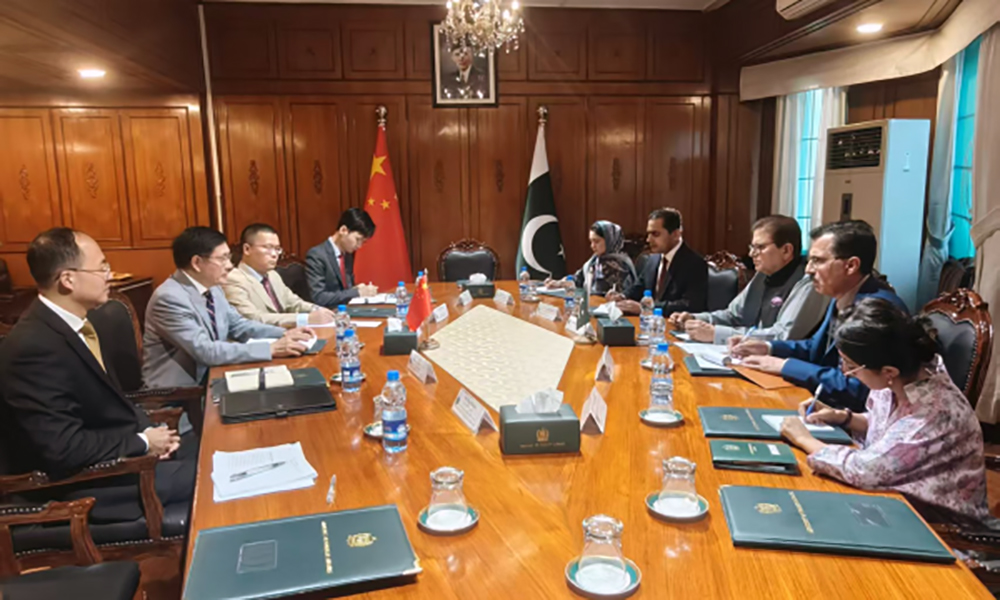
China’s Special Envoy for Afghanistan Affairs Yue Xiaoyong visited Türkiye, Pakistan and Afghanistan from July 30 to August 8, 2026, as Beijing continues diplomatic engagement on regional issues.
According to China’s Foreign Ministry, Yue held consultations in Türkiye with Cihad Erginay, Director General for South Asia at the Turkish Foreign Ministry, discussing issues of mutual interest.
During his visits to Pakistan and Afghanistan, Yue also held talks with officials from both countries on ways to improve and develop relations between Kabul and Islamabad.
China did not provide further details about the discussions.
The visit comes as relations between Afghanistan and Pakistan remain strained by ongoing security and political tensions, with both sides facing challenges in their bilateral ties.
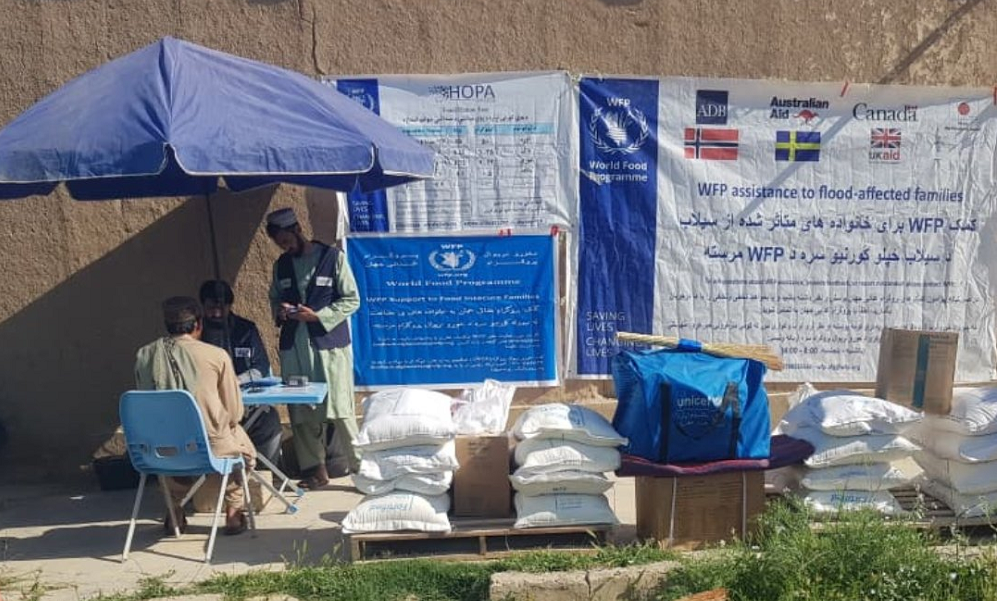
Afghanistan has received more than $11 billion in humanitarian assistance since the Islamic Emirate returned to power in August 2021, according to United Nations figures cited by the BBC.
Despite the substantial aid, the gap between humanitarian needs and available funding remains wide, with the United Nations warning that millions of Afghans continue to require assistance.
The decline in international funding, a growing number of people in need and the return of millions of Afghan migrants from neighboring countries have added pressure to the country’s humanitarian situation.
Afghanistan’s humanitarian crisis deepened following the collapse of the previous government in August 2021. The depreciation of the national currency, the loss of hundreds of thousands of jobs and reductions in some international support programs further strained the economy and living conditions.
UN data shows that Afghanistan received about $5.2 billion in humanitarian assistance in 2021, followed by around $3.8 billion in 2022 and nearly $2 billion in 2023.
For 2024 and 2025, the United Nations appealed for more than $3 billion to address humanitarian needs in Afghanistan. However, funding fell short of the amounts requested.
The assistance has largely been directed toward food, healthcare, support for returnees and other urgent humanitarian needs.
The United Nations continues to classify Afghanistan as one of the world’s largest humanitarian crises, stressing that sustained international support remains essential for millions of Afghans who continue to need assistance.
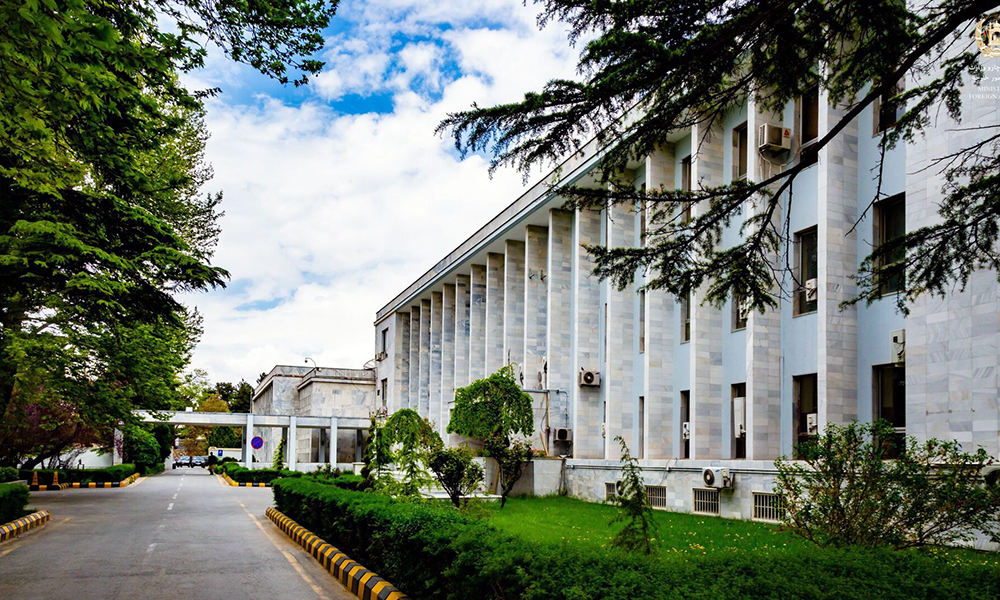
The Islamic Emirate of Afghanistan (IEA) has expressed deep sorrow over a powerful earthquake that struck eastern Indonesia, killing at least 53 people and forcing around 5,000 others to evacuate.
A magnitude-7.7 earthquake struck Flores Island and surrounding areas on Saturday, blocking roads and triggering landslides, Indonesian authorities said.
In a statement, Afghanistan’s Ministry of Foreign Affairs conveyed its sympathy and condolences to the government and people of Indonesia over the casualties caused by the earthquake.
It also wished a speedy recovery to those injured in the incident.


China’s special envoy for Afghanistan visits Türkiye, Pakistan and Afghanistan

Polio vaccination campaign set to roll out in five Afghan provinces amid new cases

Trump wants more economic pressure on Iran

Tahawol: U.S. non-recognition of IEA

Saar: Tensions between Iran and the United States

Pakistan’s governance system has ‘collapsed’: Mohsin Naqvi

Spain sweep FIFA World Cup player awards after historic triumph

First Chinese transit shipment arrives in Herat via Iran’s railway corridor

Afghanistan exports first stone shipment to US in $100,000 trade milestone

AFC confirms clubs for 2026/27 competitions; draw set for August 18
Tahawol: U.S. non-recognition of IEA
Saar: Tensions between Iran and the United States

Debate with Nooruddin Azizi, Minister of Industry and Commerce

Saar: Marking IEA’s fifth anniversary in Afghanistan discussed

Tawsia: $420M investment in TAPI gas distribution network in Herat discussed
-

 Latest News4 days ago
HesabPay unveils new visa card and digital payment app in Kabul
-

 International Sports4 days ago
AFC Champions League Elite draw nears as Al-Nassr seeded above Al-Hilal
-

 Latest News4 days ago
Afghan envoy invites Fazlur Rehman to embassy event marking IEA’s return to power
-

 Sport5 days ago
Afghanistan face Ireland with series win in sight
-
 World5 days ago
US military operations killed 153 civilians in 2025, Pentagon assessment shows
-
 Sport5 days ago
Kabul Premier League: Abasin Defenders thrash Band-e Amir Stars by 163 runs
-
 Regional4 days ago
Iran says no progress on reviving interim peace deal with US
-

 Sport4 days ago
Afghanistan clinch Ireland series with record ODI score