
Latest News
Gunmen Kidnap ICRC Employee in Kunduz

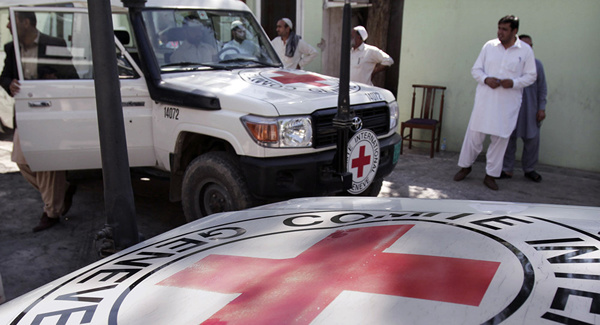
 An employee of the International Committee of the Red Cross (ICRC) has been abducted from Ali-Abad district in northern Kunduz province of Afghanistan.
Initially, four members of staff working for the ICRC including a foreign national were pulled from a vehicle by unknown gunmen in Ali-Abad district of Kunduz on Monday.
Later on, the other staffs were released while the foreign member is still missing.
ICRC did not give any details about the kidnapped employees, but a local official said, the group included two Afghan staff, one foreigner, and a driver.
“We’re extremely concerned for the safety of our colleague,” the ICRC’s head of delegation in Afghanistan, Monica Zanarelli, said in a statement,” We’re doing our best to discover what precisely happened, and to secure his safe and unconditional release as quickly as possible.”
So far no individuals or group had been claimed responsibility for the kidnapping of the aid workers and local officials says they have started efforts to release and rescue them.

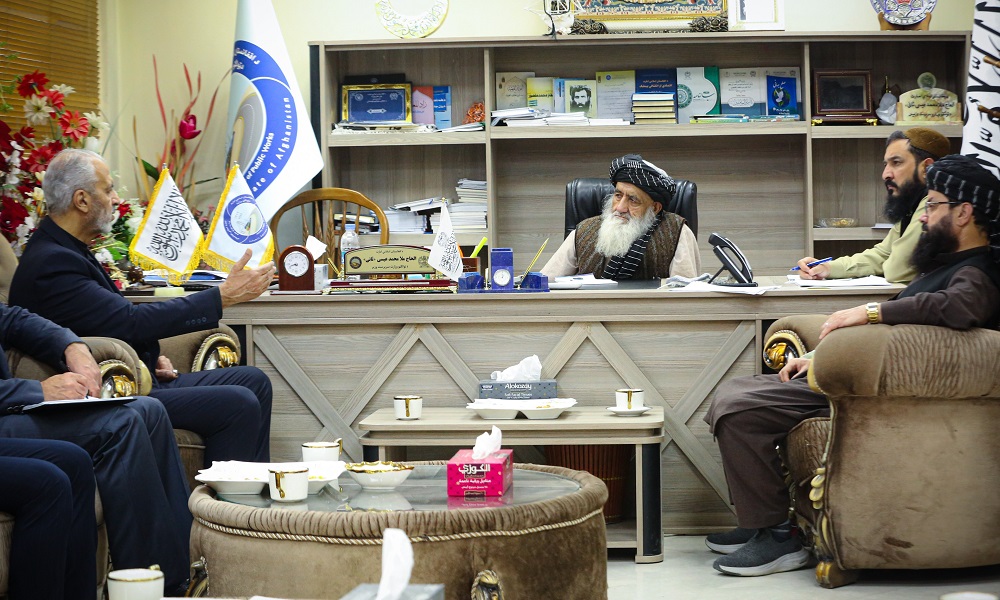
Mullah Mohammad Isa Sani, the Islamic Emirate’s Minister of Public Works, met Tuesday with Alireza Bikdeli, Iran’s ambassador in Kabul, to discuss the expansion of economic and trade relations between Afghanistan and Iran.
The talks also covered railway construction projects, increasing transport along the Khaf–Herat railway, and the comprehensive development of trade transit facilities between the two countries.
Mohammad Ashraf Haqshenas, spokesperson for the Ministry of Public Works, said that during the meeting both sides emphasized joint cooperation between Afghanistan and Iran and discussed projects related to the repair, reconstruction, and modernization of railways, roads, and bridges.
According to Haqshenas, the meeting also stressed further strengthening economic ties between Afghanistan and Iran, increasing trade exchanges, and continuing close and sustainable cooperation in infrastructure projects.
Latest News
Karzai calls on UN to condemn Pakistan’s attacks on Afghan territory
Karzai also criticized Pakistan’s historical approach toward Afghanistan, noting that over the past four decades.
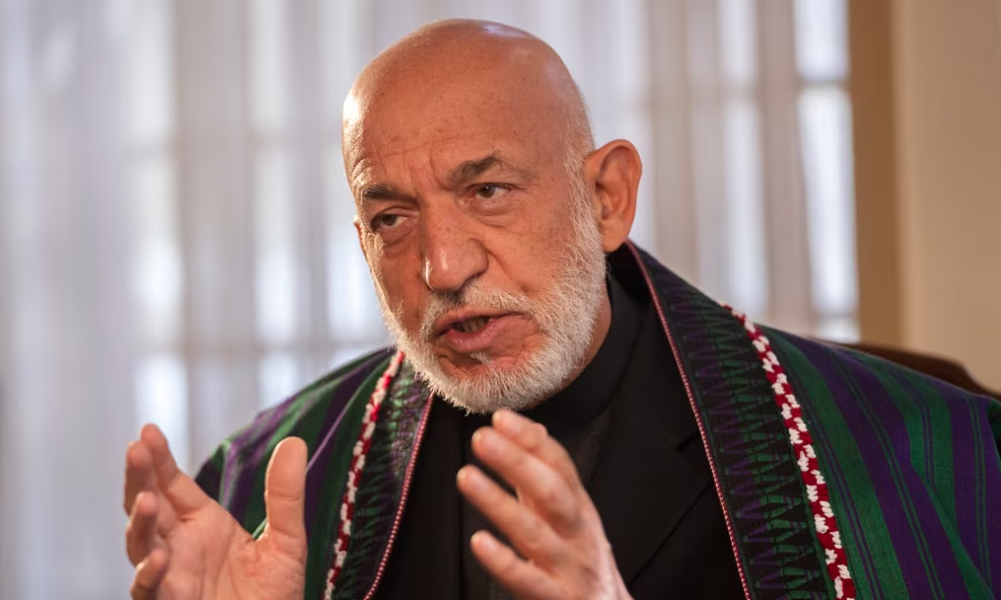
Former Afghan President Hamid Karzai has urged the United Nations to publicly condemn recent attacks by Pakistan on Afghan soil, calling them violations of international law that undermine regional stability.
In a letter to UN Secretary-General António Guterres, Karzai highlighted that the attacks have caused civilian casualties and inflicted significant damage to Afghanistan’s national infrastructure. He warned that continued cross-border aggression could exacerbate instability in an already volatile region.
Karzai also criticized Pakistan’s historical approach toward Afghanistan, noting that over the past four decades, Islamabad has often used militancy and extremism as instruments of influence. “This strategy has consistently threatened Afghanistan’s sovereignty and fueled cycles of violence,” Karzai wrote.
The former president appealed to the UN Secretary-General to leverage diplomatic channels and international mechanisms to prevent further violations. He emphasized that decisive action by the international community could reduce tensions and help avert a deepening regional crisis.
These remarks come amid renewed tensions along the Afghanistan-Pakistan border, where skirmishes and airstrikes have been reported intermittently over the past several months. Analysts warn that without sustained diplomatic engagement, the border disputes could escalate into broader confrontations, threatening peace efforts in both countries.
Karzai’s call reflects growing international concern over the stability of South and Central Asia, particularly as Afghanistan continues to rebuild after years of conflict and Pakistan navigates its own internal security challenges.
Business
Afghanistan, Uzbekistan sign $400 million trade deals in push to deepen ties
The agreements span multiple sectors, including textiles, raw materials, pharmaceuticals and other key industries.
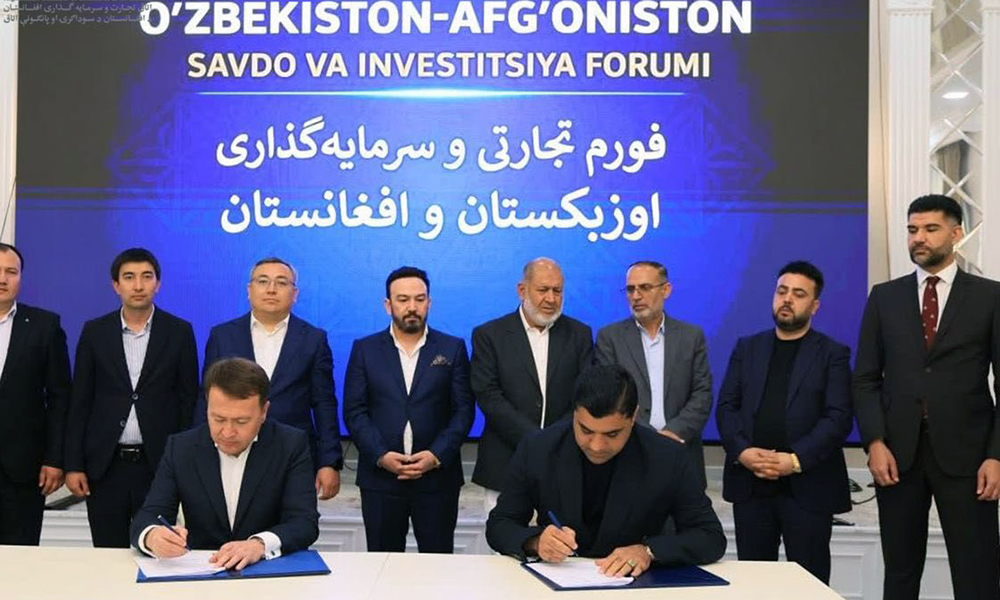
Afghanistan and Uzbekistan have signed 20 commercial agreements worth more than $400 million, marking a significant step toward expanding economic cooperation between the two neighboring countries.
The deals were finalized during a high-level business meeting in Uzbekistan’s Fergana Province, where Afghan and Uzbek private sector representatives gathered as part of an official Afghan trade delegation visit.
The agreements span multiple sectors, including textiles, raw materials, pharmaceuticals and other key industries.
The Afghan delegation was led by Zalgai Azimi, deputy for investment at the Afghan Chamber of Commerce, and included senior business figures such as Abdullah Rahimi, Syed Ahmad Noorzad, Ubaidullah Hotak, and Deputy Chief Executive Mirzaman Popal. Participants from both sides highlighted the importance of strengthening cross-border trade and building long-term commercial partnerships.
As part of the visit, Afghan delegates toured major industrial facilities in Fergana Valley to assess Uzbekistan’s manufacturing capacity and explore opportunities for future collaboration.
The agreements come as Afghanistan seeks to boost regional connectivity and revive its economy following years of conflict, isolation and economic disruption.
Trade with Central Asian neighbors—particularly Uzbekistan—has become increasingly important, with both sides investing in transport links, energy cooperation and cross-border markets.
Uzbekistan has positioned itself as a key economic partner for Afghanistan in recent years, supporting infrastructure projects and promoting trade corridors that connect South and Central Asia.
Analysts say deals of this scale could help generate jobs, increase exports and gradually integrate Afghanistan more deeply into regional supply chains.
The latest agreements signal growing momentum in bilateral relations, as both countries look to translate geographic proximity into stronger economic interdependence.


Afghan Public Works Minister and Iran envoy discuss economic, trade ties in Kabul

Millions of Afghans continue to rely on humanitarian health services

Karzai calls on UN to condemn Pakistan’s attacks on Afghan territory

Afghanistan, Uzbekistan sign $400 million trade deals in push to deepen ties

IPL 2026: Rain scuppers KKR vs PBKS match

IEA Supreme Leader issues Eid-ul-Fitr message urging unity and support for Islamic system

14 Pakistani soldiers killed after military post falls along Durand line: MoD

Afghan airstrikes target Pakistani military sites in retaliation for air attacks

Turkmenistan, Afghanistan discuss steps to speed up land acquisition for TAPI pipeline

IPL 2026 kicks off in under two weeks; Afghan players set to shine

Tahawol: Continuation of Middle East crisis discussed

Saar: Ongoing Kabul-Islamabad talks in China discussed

Tawsia: This week’s key economic developments in Afghanistan discussed

Tahawol: Start of talks between Kabul-Islamabad in China discussed

Saar: Ongoing US and Israeli attacks on Iran discussed
-
 Latest News2 days ago
IEA supreme leader orders replacement of foreign terminology in official documents
-
 Latest News2 days ago
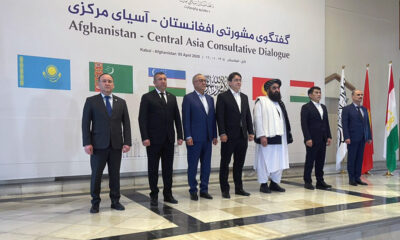
Afghanistan hosts inaugural Afghanistan–Central Asia Consultative Dialogue to strengthen regional cooperation
-
 Business4 days ago
Tripartite agreement to launch new Russia–Turkmenistan–Afghanistan transit corridor
-
 Latest News4 days ago
China says Afghanistan–Pakistan peace talks show progress
-

 Business3 days ago
Kazakhstan eyes rare metals mining projects in Afghanistan and Rwanda
-
 Regional4 days ago
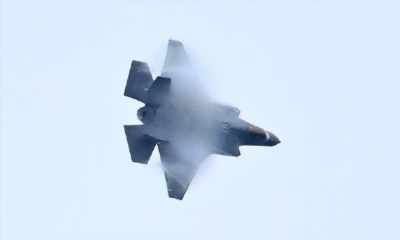
Iran claims it shot down US F-35 jet
-
 Latest News5 days ago
IEA confirms sending delegation to China for talks with Pakistan
-
 Regional4 days ago
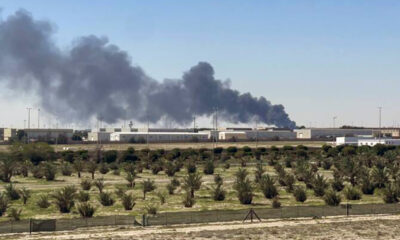
Kuwait’s Mina al-Ahmadi oil refinery hit by drones, fires break out