
Latest News
Fragile progress as US–Iran tensions shift toward negotiations, says Khalilzad
Khalilzad described these steps as positive, adding that the US president had reportedly agreed to delay a previously threatened escalation.

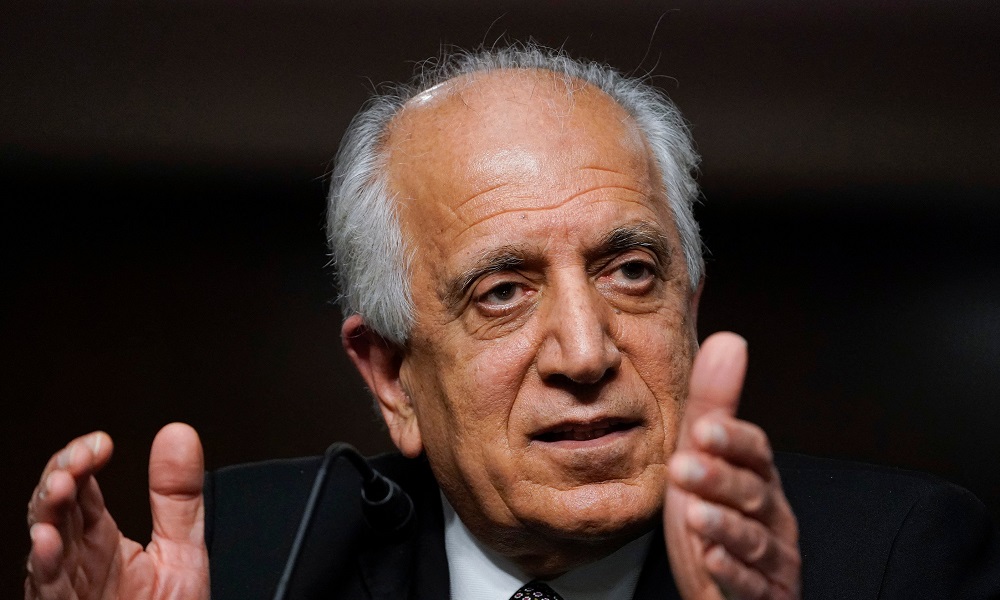
Senior former US diplomat Zalmay Khalilzad, says the conflict involving the United States, Israel and Iran has entered a new phase marked by both continued tensions and indirect diplomacy, with cautious signs of progress emerging.
In a social media post late Monday, Khalilzad, who served as the U.S. special representative for Afghanistan reconciliation, said the confrontation has shifted toward a combination of fighting and negotiations facilitated by regional powers.
He noted that developments over recent weeks include a five-week ceasefire, the reopening of the Strait of Hormuz to all international shipping, and renewed talks between Washington and Tehran on issues of mutual concern.
Khalilzad described these steps as positive, adding that the US president had reportedly agreed to delay a previously threatened escalation.
“These are positive. The President (Donald Trump) apparently has agreed to delay the escalation initially threatened for tomorrow,” he stated.
However, significant obstacles remain. According to Khalilzad, Iran is insisting on guarantees that any agreement must prevent a return to war, while the United States wants to preserve the option of resuming hostilities if negotiations fail.
“Frankly it is hard to argue with that,” Khalilzad wrote, saying it is common for conflict to resume if talks collapse without a mutually acceptable outcome.
He proposed a potential compromise in which both sides would commit not to return to war for the duration of the negotiations—a measure that could help build trust and prevent further escalation.
Tensions between Iran, the United States and Israel remain volatile, with the current phase of the conflict underscoring how quickly flare-ups can spread across the Middle East.
The Strait of Hormuz—a critical artery for global oil shipments—has emerged as a focal point, and its reopening is being closely watched as a stabilising signal for international energy markets.
Khalilzad also noted that Iran has previously accused the United States of launching attacks while negotiations were still underway.




Latest News
Iranian envoy says Afghanistan and Iran face common opportunities and threats
He said Iran and Afghanistan should closely examine their common challenges and take practical steps to safeguard the interests of both countries and the wider Muslim community.
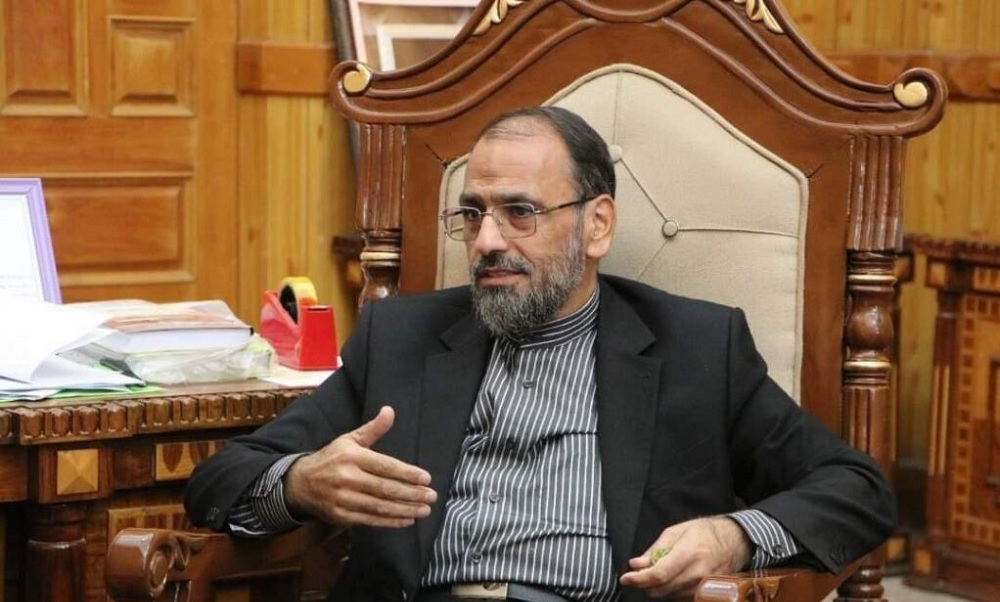
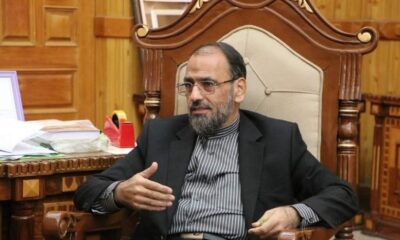
Seyed Hassan Mortazavi, Iran’s deputy ambassador in Kabul, says Iran and Afghanistan are facing common opportunities and threats amid current regional and global developments, making close cooperation between the two countries essential to address these issues.
Speaking to Radio Dari, Mortazavi said his recent visits to Kandahar and Balkh provinces and meetings with local officials were aimed at following up on shared issues more closely and strengthening relations between the two countries.
He said Iran and Afghanistan should closely examine their common challenges and take practical steps to safeguard the interests of both countries and the wider Muslim community.
Mortazavi described Kandahar as particularly important due to the presence of the Islamic Emirate’s leadership, saying Iran, like other regional countries, follows key issues not only in Kabul but also in Kandahar.
He added that during his several-hour meeting with Kandahar Governor Mullah Shirin, the two sides discussed bilateral and regional issues, including security, economic matters and border cooperation.
Mortazavi also said he met with Islamic Emirate spokesman Zabihullah Mujahid in Kandahar, where they discussed bilateral cooperation in the media sector.
Regarding his visit to Balkh and meeting with the province’s governor, Yusuf Wafa, Mortazavi said the talks covered not only issues of mutual interest in Mazar-e-Sharif but also broader matters concerning relations between Iran and Afghanistan.
He added that the two sides stressed ensuring mutual security, opposing destabilizing and security-threatening actions, and strengthening joint efforts to combat terrorism and security threats.
Economic issues and regional economic cooperation were also discussed during the meeting with the Balkh governor, he said.
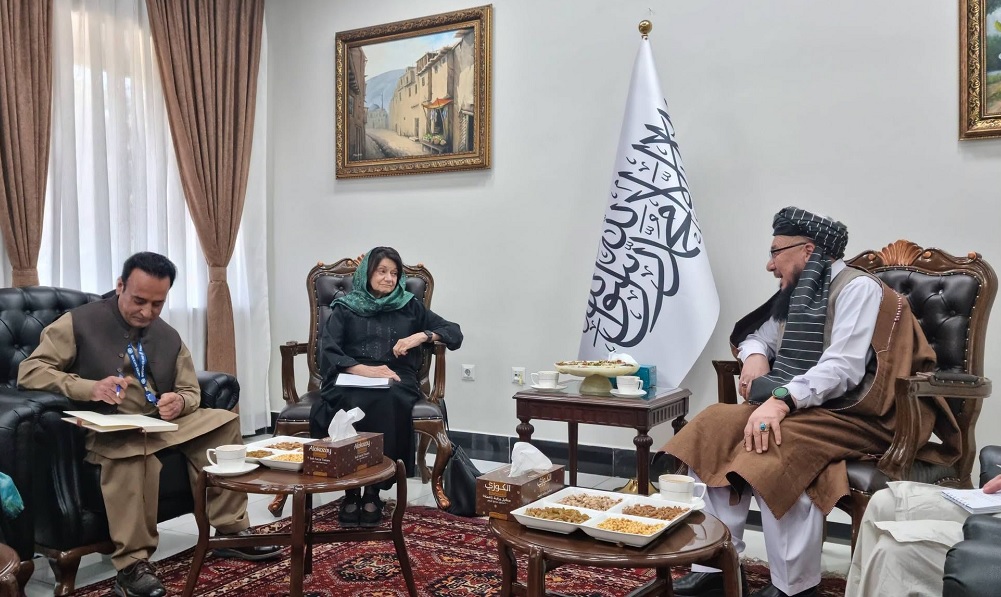
UN Deputy Secretary-General for Political and Peacebuilding Affairs Rosemary DiCarlo met with Afghanistan’s Deputy Minister of Urban Development and Housing Sheikh Madar Ali Karimi Bamiani during her visit to Kabul, with the two sides discussing a range of key issues concerning Afghanistan.
The meeting focused on governance, regional peace and stability, housing, the return of Afghan migrants, the Kuchi issue, and the closure of transit and transportation routes between Afghanistan and Pakistan, according to Bamiani’s office.
The two sides also exchanged views on other social challenges facing Afghanistan.
DiCarlo emphasized the United Nations’ continued support and cooperation with the people of Afghanistan, saying the UN will remain alongside the Afghan people and will not forget them.
Latest News
Muttaqi heads to Moscow for 8th Moscow format meeting
Takal added that the Moscow Format meeting is scheduled to begin on Monday, October 5, in Moscow.
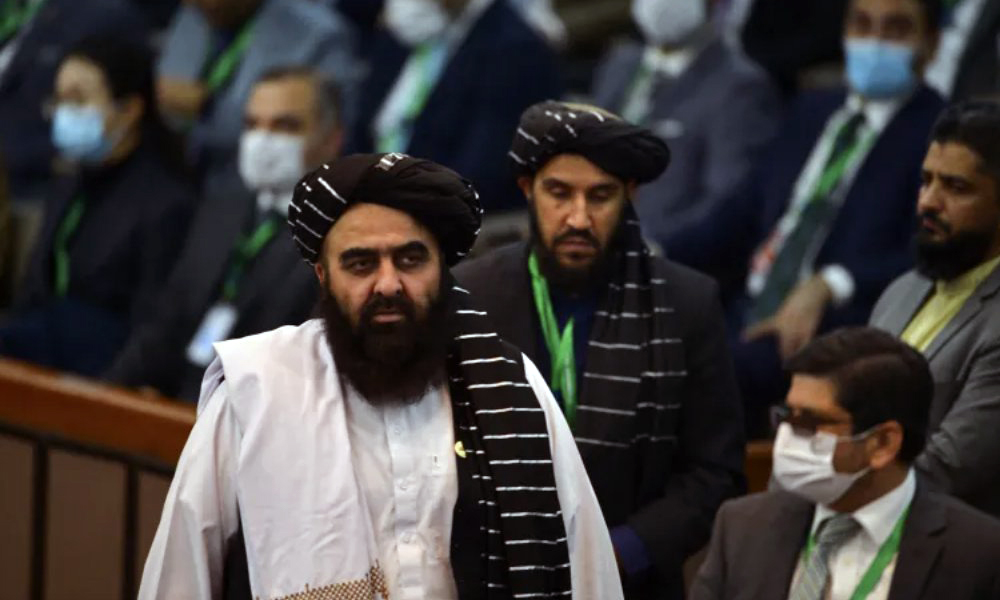
Afghanistan’s Foreign Minister Amir Khan Muttaqi has traveled to Moscow to participate in the eighth meeting of the Moscow Format on Afghanistan.
According to Afghanistan’s Ministry of Foreign Affairs, Muttaqi is expected to meet with Russian Foreign Minister Sergey Lavrov and other senior officials during his visit to discuss issues related to Afghanistan.
Hafiz Zia Ahmad Takal, head of the ministry’s public relations department, said discussions at the eighth consultative meeting will focus on Afghanistan’s current situation and the country’s relations with the region.
Takal added that the Moscow Format meeting is scheduled to begin on Monday, October 5, in Moscow.


Trump picks John Coale as special presidential envoy for hostage affairs

Iranian envoy says Afghanistan and Iran face common opportunities and threats

UN political affairs chief meets Afghan urban development deputy minister in Kabul

Afghanistan U19 to face Bangladesh, Oman in Youth ODIs

Yemeni government launches offensive to seize all areas from Iran-backed Houthis

Saudi energy group signs major Afghanistan deals covering gas exploration and pipeline plans

Khalilzad: Afghanistan ready to attract major investment

Messi returns to Inter Miami after Argentina retirement

Imam Abu Hanifa exhibition to draw exhibitors from more than 20 countries

Maryam Nawaz says Punjab faces greater security threats from neighbouring provinces

Tahawol: Doha process seeks new cooperation opportunities

Saar: Moscow forum 8th consultative meeting on Afghanistan

Tahawol: Escalation of internal political crisis in Pakistan discussed

Saar: Continuation of crisis in the Middle East discussed

Tawsia: Review of three key economic developments in Afghanistan
-
 Latest News4 days ago
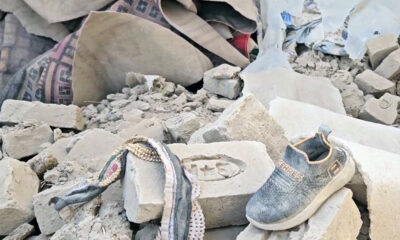
Four members of one family killed in Helmand in Pakistan airstrike
-
 Sport3 days ago
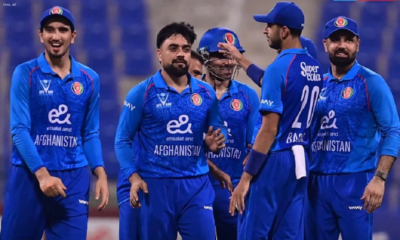
ACB announces Afghanistan squads for Bangladesh, Zimbabwe series
-
 Latest News4 days ago
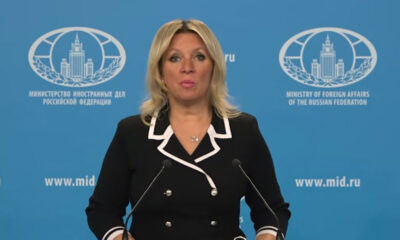
Moscow to host 8th meeting of Afghanistan consultations on October 5
-
 Latest News3 days ago
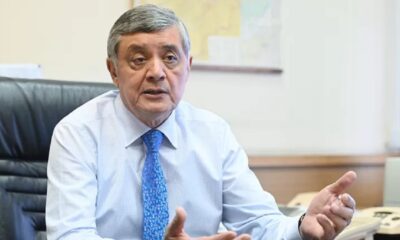
Russia expects to ease Afghanistan-Pakistan tensions at Moscow Format meeting
-

 Sport4 days ago
Rashid Khan, Azmatullah Omarzai maintain top spots in ICC ODI rankings
-
 International Sports3 days ago
Afghanistan to face Pakistan, India and Australia at 2027 Cricket World Cup
-
 Regional3 days ago
Saudi-led coalition says Houthis attacked power station for Prophet’s Mosque in Medina
-
 Latest News5 days ago
DHS review finds errors in 40% of Biden-era Afghan asylum files