
Latest News
UN envoy optimistic about peace prospects in Afghanistan

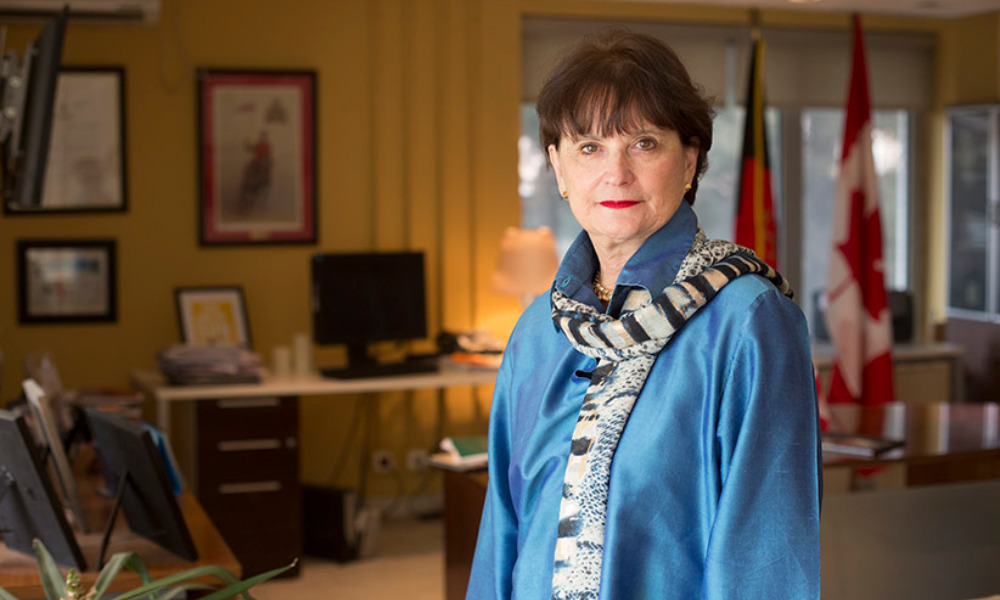
The UN’s top envoy in Afghanistan said the country now has a unique opportunity to turn the corner to a brighter, more stable future after four decades of war.
Deborah Lyons via a video conference told the Security Council on Thursday that even as an unprecedented global pandemic threatens to unravel many of the hard-won socio-economic gains Afghanistan has made over the years, there is now a moment of “emerging hope.”
The UN envoy, who is the Secretary-General’s Special Representative for Afghanistan, said she is “cautiously optimistic” that the talks between the Islamic Republic of Afghanistan and the Taliban negotiation teams will start in the next few weeks in Doha.
“As the two sides embark on what will likely be a long and complex series of talks, I have encouraged them to show the necessary flexibility and foresight, the commitment to peace and, most importantly, compassion for their people that will be needed to bring these negotiations to a successful conclusion,” she told the Security Council.
Lyons, who is also head of the UN Assistance Mission in Afghanistan (UNAMA), described how the formal announcement of a three-day Eid ceasefire by the Taliban and the Government led to a welcome and much-needed reduction in violence.
“A reduction in violence is essential to an environment conducive for peace talks and to pave the way for an eventual permanent ceasefire,” she stressed, telling the Security Council that the United Nations stands ready to support direct peace talks and noting that she has been in discussion with both sides to identify and address their needs, going forward.
The UN envoy described how she has engaged with partners from the region and beyond, and said she is confident that a constructive atmosphere for the peace process can be fostered. But at the same time as new opportunities for peace emerge, she said, COVID-19 is casting a shadow over daily life in Afghanistan.
“Under the leadership of the Afghan Government, the UN is supporting a coordinated response to fight this epidemic,” she said, pointing out how she is counting on the continued generosity of the international community to allow the United Nations to carry forward with the Afghan Government an essential response to the COVID-19 pandemic.
“By working together, we can overcome #COVID19 and support #Afghanistan at the beginning of its nascent peace process so that its people can finally achieve the lasting peace they deserve.” – UN envoy @DeborahLyonsUN tells Security Council. More: https://t.co/4VUs83dcEC. pic.twitter.com/d0lnJkOrjZ
— UNAMA News (@UNAMAnews) June 25, 2020
In addition to presenting an update on prospects for peace and the fight against COVID-19, Lyons highlighted developments in human rights and the humanitarian situation. She spoke about the harsh realities of life for many Afghans and the human cost of Afghanistan’s conflict, which continues to take a devastating toll on civilians, especially children.
In closing, Lyons stressed that COVID-19 is not just a health crisis. She called it a “multi-dimensional crisis impacting an already fragile country.” But by working together, she said, we can overcome COVID-19 and support Afghanistan at the beginning of its nascent peace process so that its people can finally achieve the lasting peace they deserve.
“The UN will continue to stand in partnership with the Afghan people through this time of unprecedented challenge and fragile hope,” she said. “The Afghan people will look to the guidance, to the support, and to the unity of this Council as they chart their way forward on their long road to peace.”




Latest News
Muttaqi, Russian deputy PM discuss expanding economic ties
Overchuk expressed Russia’s readiness to expand economic cooperation with Afghanistan, saying conditions are now in place for launching practical cooperation.
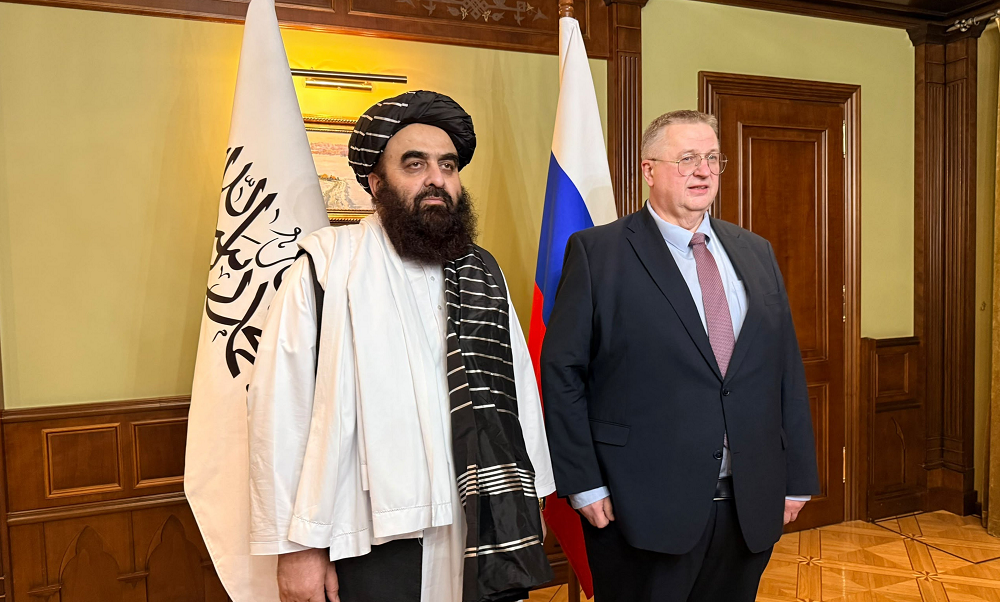
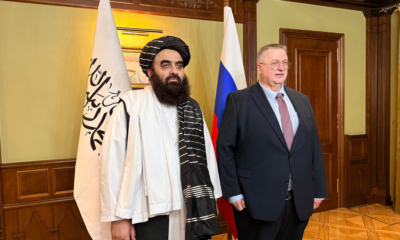
Afghanistan’s Foreign Minister Amir Khan Muttaqi met with Russian Deputy Prime Minister Alexei Overchuk in Moscow to discuss expanding political and economic cooperation between the two countries.
The talks focused on strengthening trade, transit, regional connectivity and energy cooperation, as well as investment and other areas of mutual interest, Afghan foreign ministry said in a statement.
Muttaqi highlighted the positive trajectory of political relations between Kabul and Moscow and thanked the Russian leadership for what he described as its positive policy toward Afghanistan.
He said the existing political understanding should be translated into practical economic partnerships, stressing the need to expand trade and transit, attract Russian investment to Afghanistan, cooperate in energy and mining, and facilitate banking and payment mechanisms between the two countries.
Overchuk expressed Russia’s readiness to expand economic cooperation with Afghanistan, saying conditions are now in place for launching practical cooperation.
He also stressed the importance of expanding joint work in transit, transport, energy and other sectors, while pointing to a significant increase in bilateral trade last year. He expressed hope that further practical economic cooperation between the two countries would develop in the near future.
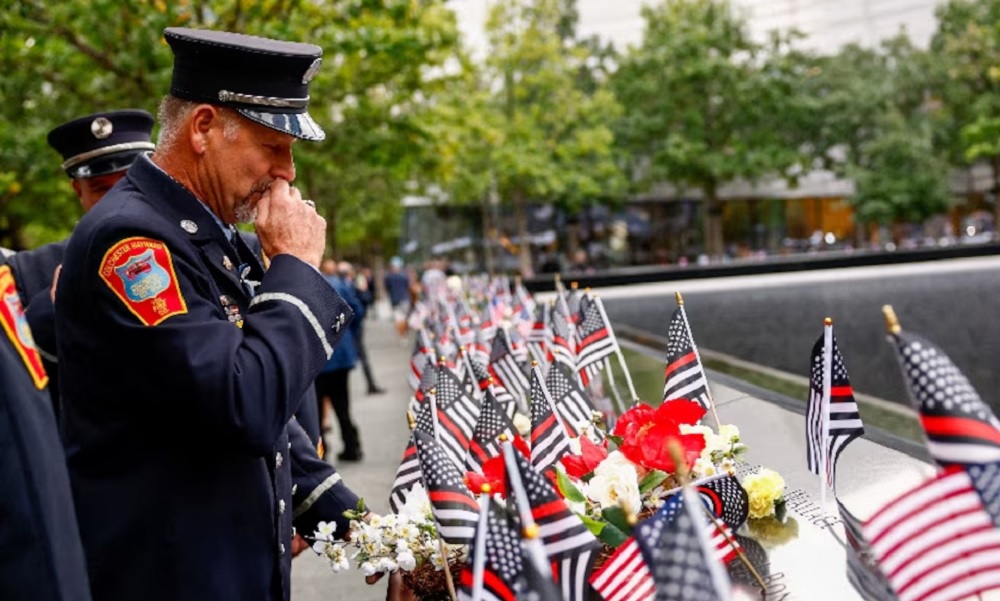
The attorneys general of 30 US states have asked the US Supreme Court to review a case involving around $3.5 billion in frozen assets of Da Afghanistan Bank that victims and families of the September 11 attacks are seeking to use for compensation.
The Iowa Attorney General’s Office said in a statement on Monday that the states filed a brief with the Supreme Court in support of the victims and their families, who have obtained compensation judgments in US federal courts.
According to the office, after years of legal proceedings, the victims and their families have secured nearly $17 billion in court-ordered compensation.
However, the US Second Circuit Court of Appeals ruled that around $3.5 billion in assets belonging to Afghanistan’s central bank cannot be used to satisfy those compensation awards.
The assets were frozen by the U.S. Treasury Department on August 15, 2021, the day the Islamic Emirate entered Kabul.
The state attorneys general argue that US law allows the frozen assets to be used to satisfy court-ordered compensation.
Iowa Attorney General Brenna Bird said the victims and their families had pursued justice and compensation through the US legal system and should be able to access the money awarded to them by the courts.
This comes as the Islamic Emirate has repeatedly called for the release of Da Afghanistan Bank assets.
Latest News
Ariana Afghan Airlines ends 15-year control of ticketing and operational systems by Pakistani firm
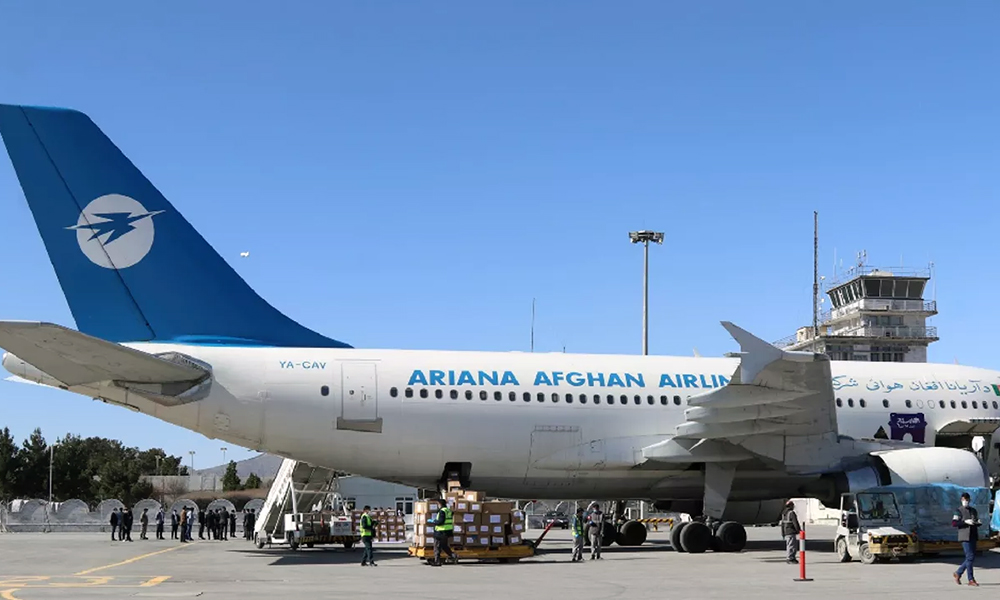
Ariana Afghan Airlines has ended a nearly 15-year arrangement under which a Pakistani company, Zapways, controlled the airline’s ticketing, operational systems and website, the airline said.
Ariana’s press office said Zapways had managed the airline’s ticketing and operational systems for years despite charging high fees. It added that technical information and data related to the systems were also held by the Pakistani company.
The airline said it has now launched a new system in cooperation with a Turkish company whose modern and standardized services are used by more than 80 international airlines across Europe, Asia and Africa.


Muttaqi, Russian deputy PM discuss expanding economic ties

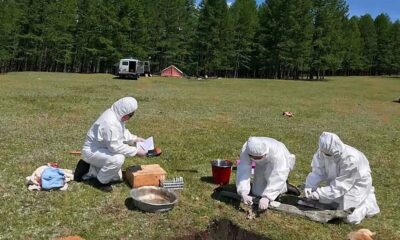
Russia investigates suspected pneumonic plague; Trump ready to ‘help’

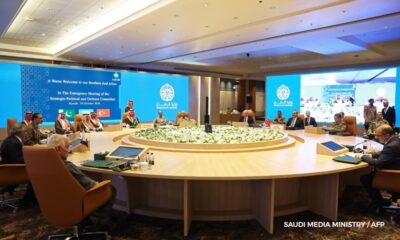
▶️Saudi Arabia, Turkey, Pakistan activate Mecca defense pact

Thirty US states seek access to Afghan assets for 9/11 victims

Yemeni government forces seize strategic strait from Houthis

Saudi energy group signs major Afghanistan deals covering gas exploration and pipeline plans

Khalilzad: Afghanistan ready to attract major investment

Imam Abu Hanifa exhibition to draw exhibitors from more than 20 countries

UAE firm eyes investment in Salang’s second tunnel and pharmaceutical factories

US envoys make first Kyiv visit amid Ukraine war peace push

Tahawol: Afghanistan-Iran: shared opportunities and challenges discussed

Saar: Pakistan’s hostile policy toward Afghanistan discussed

Tahawol: Doha process seeks new cooperation opportunities

Saar: Moscow forum 8th consultative meeting on Afghanistan

Tahawol: Escalation of internal political crisis in Pakistan discussed
-
 Latest News5 days ago
Four members of one family killed in Helmand in Pakistan airstrike
-
 Sport4 days ago
ACB announces Afghanistan squads for Bangladesh, Zimbabwe series
-
 Latest News4 days ago
Russia expects to ease Afghanistan-Pakistan tensions at Moscow Format meeting
-

 Sport5 days ago
Rashid Khan, Azmatullah Omarzai maintain top spots in ICC ODI rankings
-

 Sport23 hours ago
Cricket Bonanza: Afghanistan set for packed international schedule
-
 International Sports4 days ago
Afghanistan to face Pakistan, India and Australia at 2027 Cricket World Cup
-
 Regional4 days ago
Saudi-led coalition says Houthis attacked power station for Prophet’s Mosque in Medina
-
 Regional4 days ago
Cargo stacks up as Pakistan seizes containers to block capital routes