
Latest News
Without work and food, hundreds flee to Pakistan and Iran daily


A main bus terminal in Kabul is nowadays crowded as many residents of the city try to find their way out of Afghanistan into some neighboring countries.
Bus drivers at the Paitakht Bus Terminal said many families were trying to leave Kabul each day, but many could not afford the bus fare to destinations near the border cities.
“There are many families traveling (out of here) these says days. Most of them travel from here to Mazar-i-Sharif, and then many of them cross the border to Iran from Mazar-i-Sharif,” said bus driver Sahil.
Underlining the economic pressures building on Afghanistan’s new Islamic Emirate government, prices for staples like flour, fuel and rice have risen and long queues are still forming outside banks as they strictly ration withdrawals.
Some humanitarian aid has started to arrive and limited trade has returned across land borders with Pakistan, but a severe cash shortage is crippling day-to-day economic activity and decades of war have left much infrastructure in tatters.
Foreign aid payments, which accounted for 40% of Afghanistan’s gross domestic product, have all but stopped as the West considers how to deal with the IEA that, until August, led an insurgency against the U.S.-backed government.
Abdullah, one Kabul resident hoping to leave, said: “We will leave for Pakistan or Iran because we don’t have work here. We work the whole day for a single bite of bread. What else can we do? We have brought these items at home and have brought them here to sell, since there is no money and no work.”
This comes amid a continuing economic crisis including a severe cash shortage in the heavily dollarized country.
With dollar shipments to Afghanistan having been stopped and with sanctions against the IEA in place, thousands of government employees have not been paid and work has dried up especially as banks have a strict weekly withdrawal limit.
Members of a Russia-led security bloc that includes some countries adjacent or close to Afghanistan meanwhile have no plans to host Afghan refugees, bloc member Kazakhstan said last week.
The Collective Security Treaty Organisation (CSTO) includes three Central Asian nations – Tajikistan, which has a lengthy border with Afghanistan, Kyrgyzstan and Kazakhstan – as well as several more remote former Soviet republics.
At a heads-of-state meeting of the bloc in Tajikistan on Thursday, Kazakh President Kassym-Jomart Tokayev “supported the joint CSTO position that the placement of Afghan refugees or foreign military bases on our countries’ territories is unacceptable”, his office said in a statement.
Two more Central Asian nations, Uzbekistan and Turkmenistan, border Afghanistan but are not CSTO members. However, Uzbekistan has also said it would only allow short-term transit of refugees by planes to third countries.

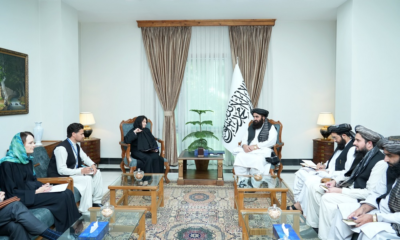



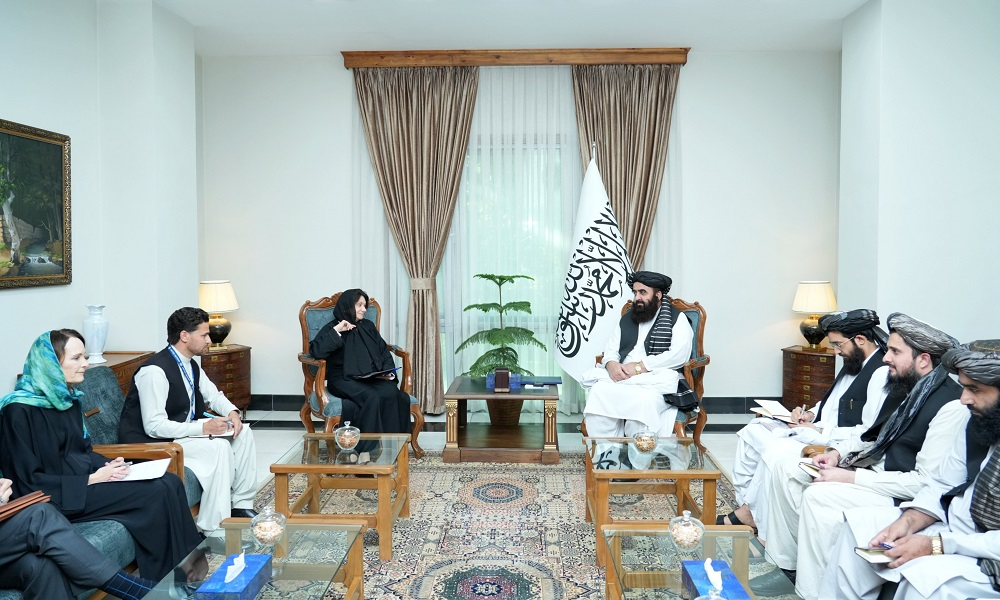
Amir Khan Muttaqi, Minister of Foreign Affairs of the Islamic Emirate, and Rosemary DiCarlo, UN Under-Secretary-General for Political and Peacebuilding Affairs, discussed the state of cooperation between Afghanistan and the United Nations, humanitarian assistance, and the needs of returning Afghan migrants.
According to a statement from the Ministry of Foreign Affairs, the two sides emphasized the importance of joint and coordinated efforts for the sustainable reintegration of returnees.
Afghanistan’s needs in the areas of climate change and water, increased cooperation in these sectors, and the regional situation were also among the topics discussed.
The two sides also exchanged views on ways to identify new opportunities within the framework of the Doha Process.
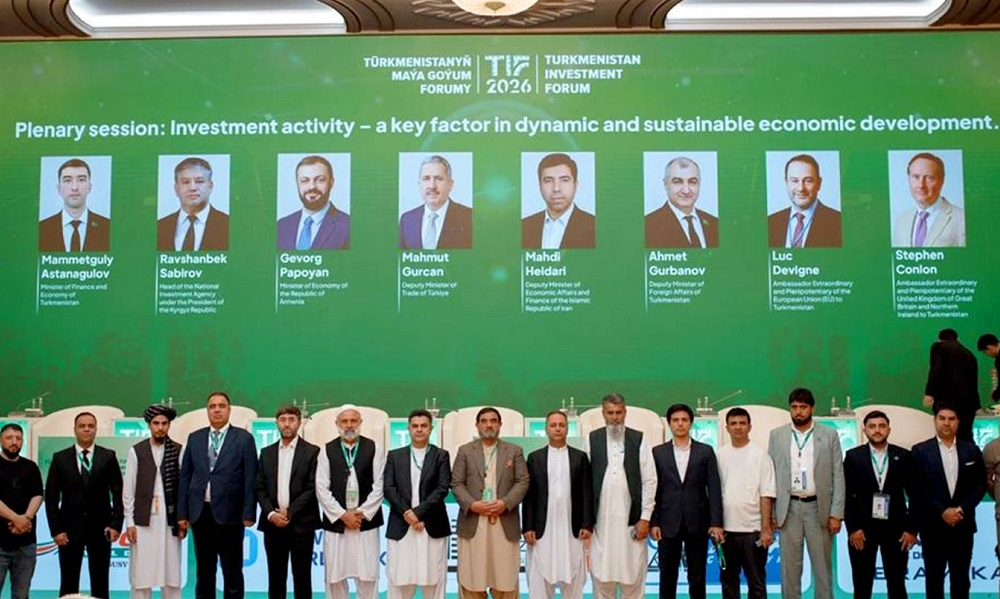
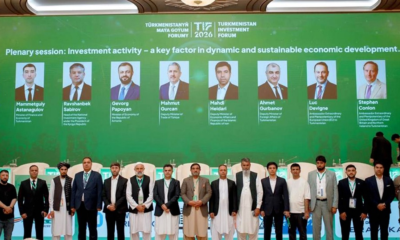
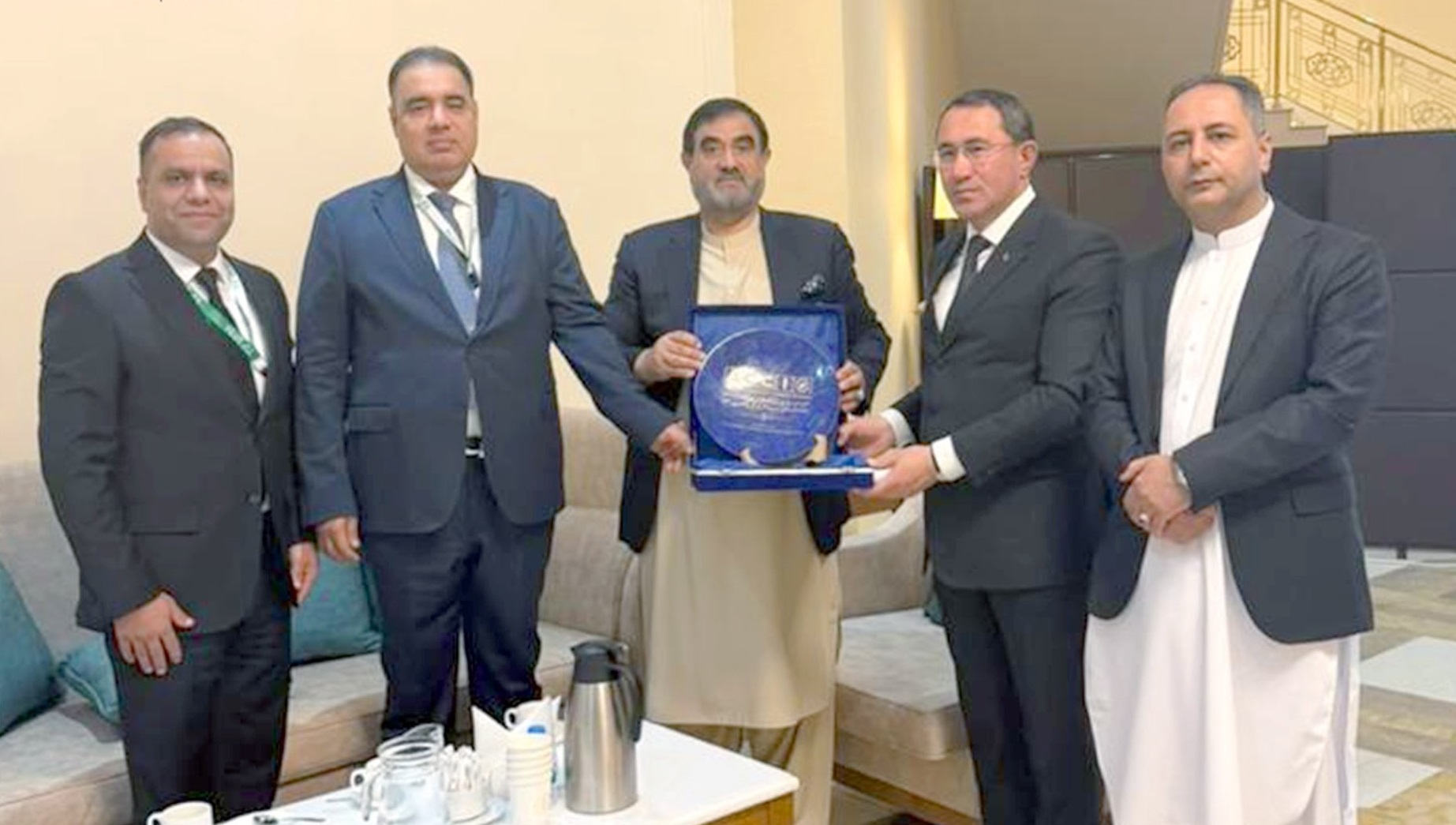
A delegation from the Afghanistan Chamber of Commerce and Investment (ACCI), led by Director General Sayed Karim Hashemi, attended the Third Turkmenistan Investment Forum in Ashgabat on October 1, 2026.
The forum was held at the invitation of Turkmenistan’s Ministry of Economy and brought together official delegations, economic and commercial institutions, traders, and investors from several countries.
According to the ACCI, participants discussed investment opportunities, economic potential, and ways to expand trade and economic cooperation among participating countries.
The chamber said its delegation used the forum to present Afghanistan’s economic potential, explore investment opportunities, expand export markets, and strengthen trade and economic ties with Turkmenistan and other countries in the region.
On the sidelines of the forum, Hashemi invited the Chairman of the Chamber of Commerce and Industry of Turkmenistan to visit Afghanistan at the head of a trade and economic delegation.
The invitation was welcomed, and the two sides agreed that the Turkmenistan chamber chief would visit Afghanistan in November 2026.
Latest News
Iran’s Qaani: We must strengthen the belt of defense and dignity from Afghanistan to Yemen
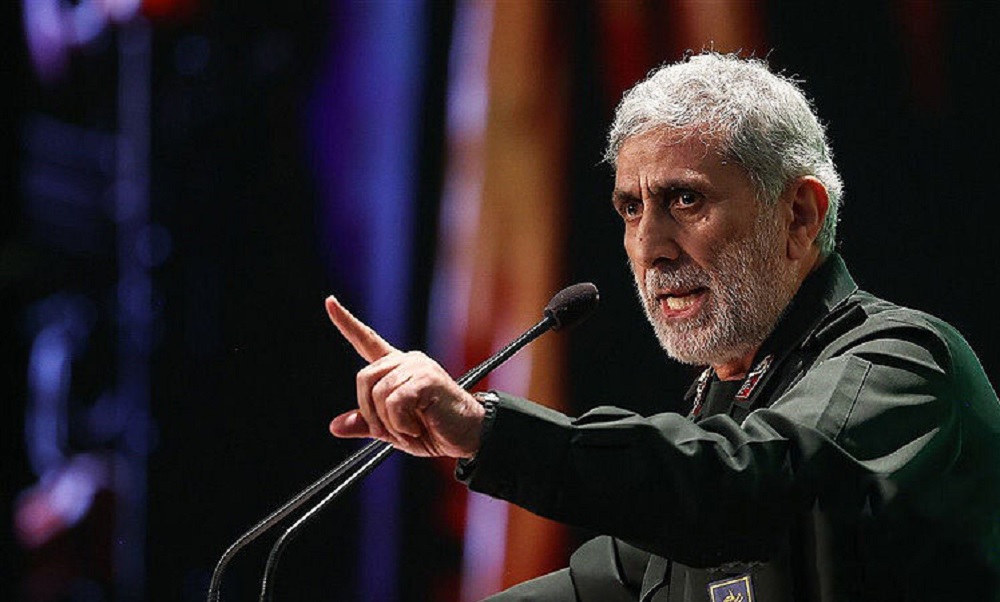
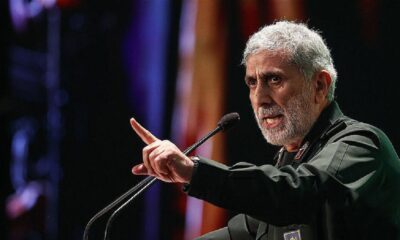
Esmail Qaani, commander of Iran’s Islamic Revolutionary Guard Corps Quds Force, has called for strengthening what he described as a “belt of defense, independence and dignity” from Afghanistan to Yemen.
Speaking at a ceremony in Tehran on Thursday, Qaani said: “We must strengthen the belt of defense, independence and dignity from Afghanistan to Yemen, and from Iran to Gaza and Lebanon, across the Muslim world.”
He also claimed that the so-called “resistance axis” continues on its path despite the killing of a number of its commanders.
The Quds Force commander further claimed that the United States had been expelled from Iraq despite its extensive capabilities and equipment, and had suffered a defeat against Iran.
Qaani added that the U.S. had believed it could force Iran to surrender within four days or, at most, two weeks, but instead faced circumstances that were different from its calculations.


Tahawol: Escalation of internal political crisis in Pakistan discussed

Saar: Continuation of crisis in the Middle East discussed

Muttaqi and DiCarlo discuss Afghanistan-UN cooperation

Afghanistan chamber delegation attends Turkmenistan Investment Forum

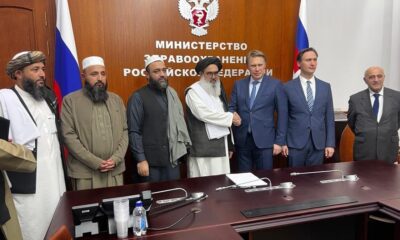
Afghan, Russian health ministers discuss cooperation

Saudi energy group signs major Afghanistan deals covering gas exploration and pipeline plans

Khalilzad: Afghanistan ready to attract major investment

Khyber Chamber demands reopening of Torkham crossing

Messi returns to Inter Miami after Argentina retirement

Imam Abu Hanifa exhibition to draw exhibitors from more than 20 countries
Tahawol: Escalation of internal political crisis in Pakistan discussed
Saar: Continuation of crisis in the Middle East discussed

Tawsia: Review of three key economic developments in Afghanistan

Tahawol: Pakistan’s airstrikes on civilians in Afghanistan discussed

Tahawol: Improvement in Afghanistan-China relations discussed
-
 Regional5 days ago
US, Iran separately talk with mediators in latest bid to end war
-
 Regional4 days ago
US imposes sanctions on 13 tied to Iran weapons procurement
-
 Latest News3 days ago
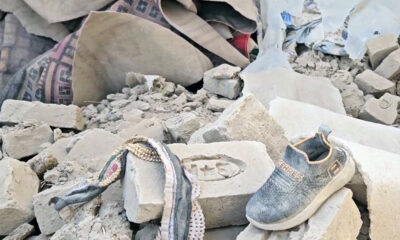
Four members of one family killed in Helmand in Pakistan airstrike
-

 Sport5 days ago
Istiqlal Kabul beat Khurasan Faryab 2-0 with late goals
-

 Climate Change5 days ago
Afghanistan on climate front line as Kabul faces groundwater warning
-
 Latest News5 days ago
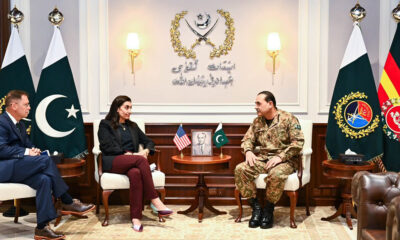
US Afghanistan War Commission meets Asim Munir over Pakistan’s role in conflict
-

 Sport4 days ago
Afghanistan Champions League: Toofan Herat and Aino Mina Kandahar draw 1-1
-
 Business5 days ago
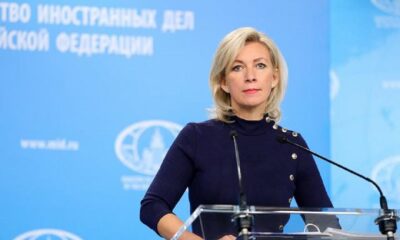
Russia accuses West of double standards over deportation of Afghans