
Latest News
Acting Interior Minister Haqqani shows face for first time

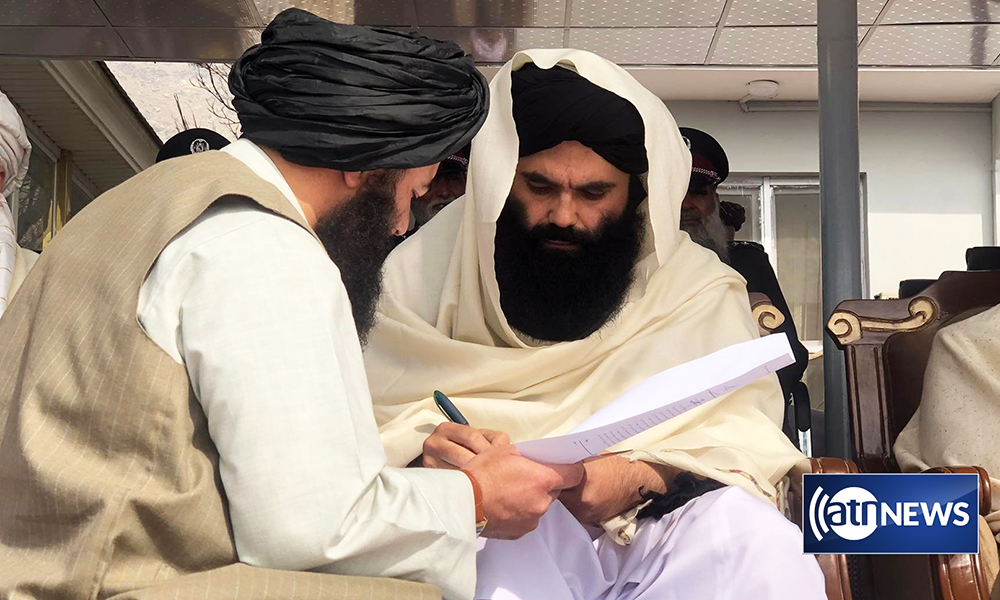
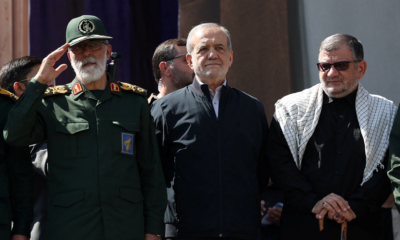
Sirajuddin Haqqani, the acting interior minister of the Islamic Emirate of Afghanistan (IEA) and a longtime leader of the so-called Haqqani network with a US bounty on his head, has appeared in front of the media for the first time.
Haqqani, nicknamed Khalifa, made the rare public appearance during a ceremony that saw the graduation of hundreds of police officers in Kabul on Saturday.
“Since we had not appeared in front of the media, we have now openly appeared in front of the media in order to build trust. Allah Almighty bestowed on us this honor and happiness,” Haqqani said.
In his speech, Haqqani gave serious orders to the security forces over the ongoing house search operation, telling them not to harass people and reach out to the local religious scholars if they encounter any problems during the operation.
“Please be patient and do not harass people during house to house searches and seek help from local clerics in case of any problems,” Haqqani said.
He also said that the IEA was committed to the Doha agreement signed with the United States in 2020 that paved the way to a pullout of US-led international troops that culminated in late August.
Haqqani told the graduating police cadets that the world faces no threat from Afghanistan; and countries that used to spend large sums of money on war in the past can now spend it on the development of Afghanistan.
“We also assure the world that no country will be threatened from Afghanistan’s soil. We protect the lives and property of the people, and it is our responsibility,” Haqqani added.
Haqqani had never allowed himself to be filmed, and an FBI notice of a $10 million bounty on his head for alleged activities featured only a blurry image of a bearded man mostly shrouded by a blanket.
The ceremony was also addressed by Deputy Prime Minister Abdul Salam Hanafi who said IEA was planning to have 350,000 security personnel to ensure security and defend Islamic values and Afghanistan’s territorial integrity.
“The leaders of the Islamic Emirate are committed to building a national and professional police, national and professional army and national and professional security force; we wholeheartedly support all our national facilities,” said Hanafi.
A total of 470 cadets including women graduated from Kabul Police Academy on Saturday.
The force has been trained at the center for four years in the criminal, logistical and border fields, and will be deployed in government departments according to their profession.


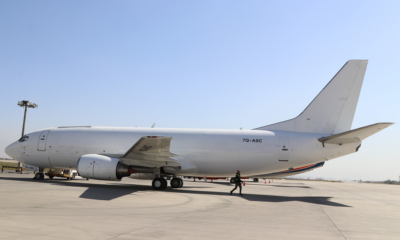

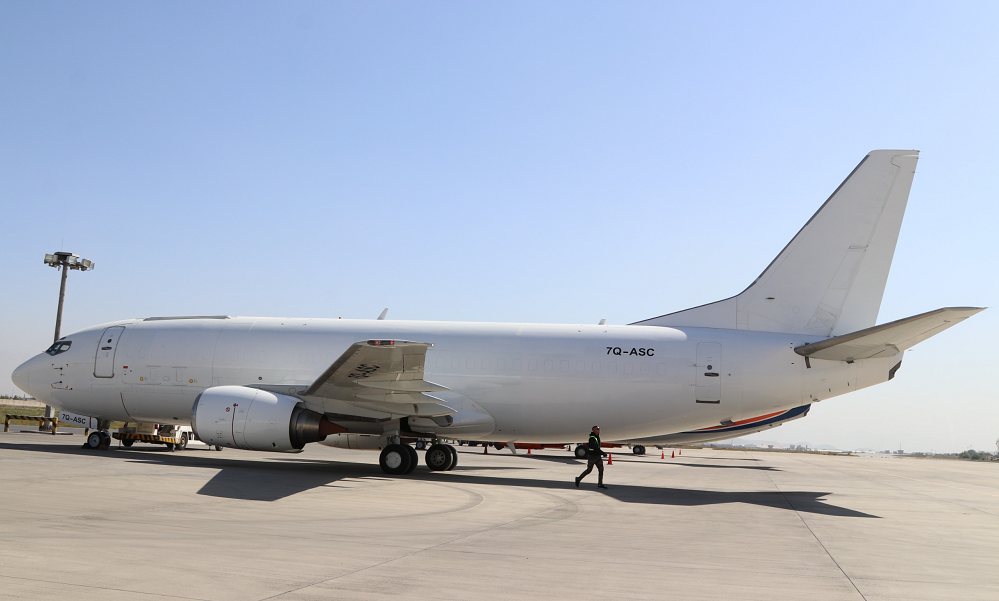
A Boeing 737-300 cargo aircraft operated by Ariana Afghan Airlines arrived at Kabul International Airport on Monday.
According to the airline, the aircraft will be used to transport commercial goods on international routes and has a capacity of around 17 metric tons of cargo per flight.
Ariana said it has signed a one-year contract with UAE-based Air Charter Express to operate the cargo aircraft.
Bakht-ur-Rahman Sharafat, head of Ariana Afghan Airlines, said the company is working to expand its air cargo network, to boost Afghan exports and to strengthen the country’s air transportation capacity.
He said the new cargo service will give Afghan traders an opportunity to transport their products to international markets more quickly, safely and at competitive rates.
Ariana said it aims to provide reliable and competitive air cargo services while strengthening Afghanistan’s connections with regional and international markets.
Latest News
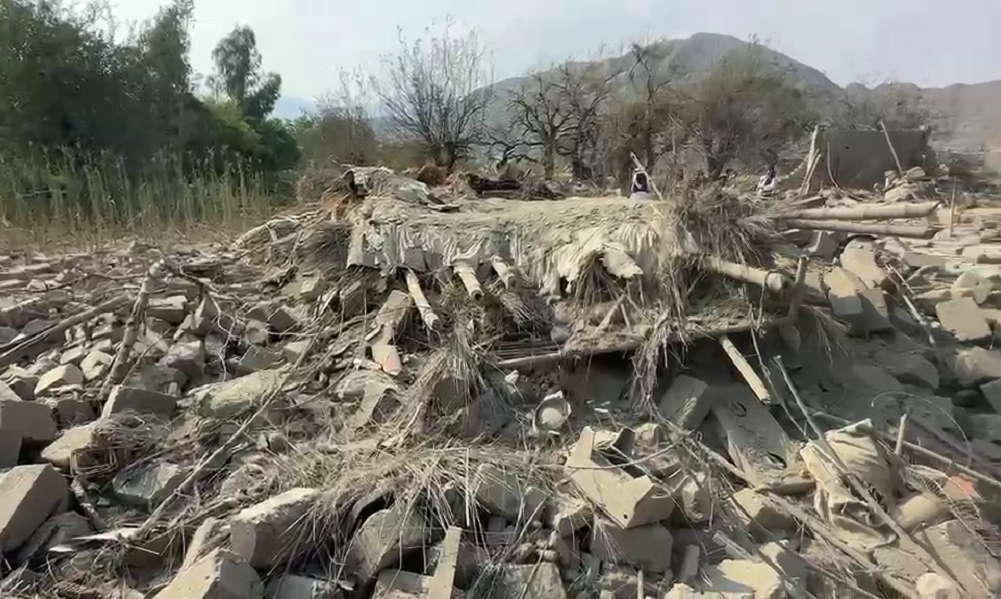
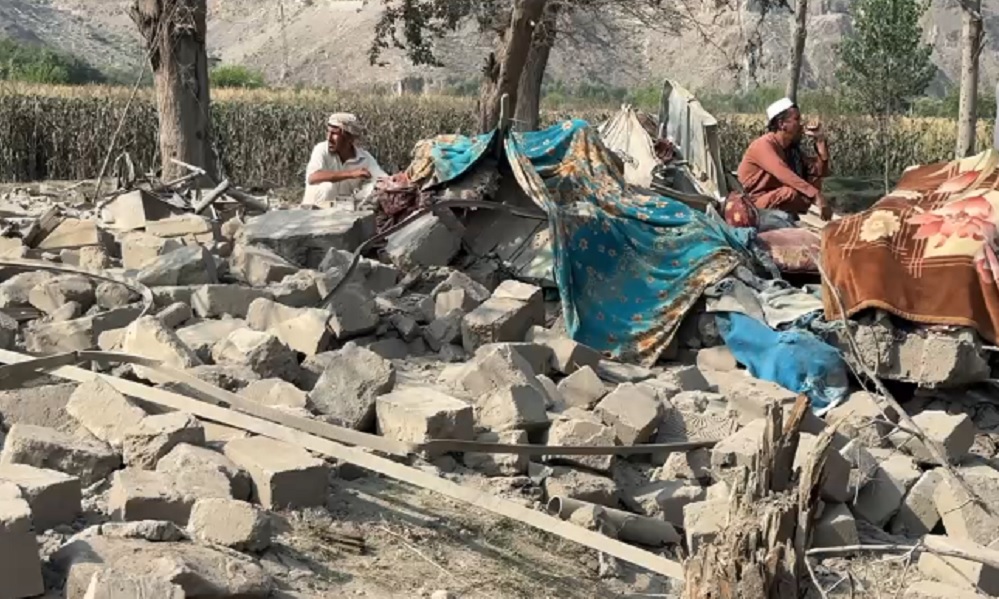
Afghanistan vows ‘appropriate response’ after Pakistani airstrikes in Kunar, Paktika
The Islamic Emirate spokesperson condemned the reported airstrikes, describing them as a continuation of what he called “crimes” against Afghan civilians.


Afghanistan to face Japan and Nepal in Asian Games cricket group stage

Four-day polio vaccination campaign begins across Afghanistan

Humanoid robot sales tally hit 7,000 globally last year

Ariana Afghan Airlines Boeing 737-300 cargo plane arrives in Kabul

Iran and US trade threats after Houthi attacks escalate regional conflict

Four mediators struggle to secure lasting Pakistan-Afghanistan ceasefire

Afghanistan’s trade diversification challenges Pakistan

Saudi energy group signs major Afghanistan deals covering gas exploration and pipeline plans

ATN secures exclusive rights to broadcast T20I series in India across Afghanistan

Afghanistan squad announced for three-match T20I series against India

Tahawol: Impact of middle East war on Afghanistan

Saar: Pakistan blames Afghanistan for deadly attack

Tahawol: Kabul’s warning over any threat from Pakistan discussed

Debate on Afghanistan and New Investment Opportunities

Tahawol: Reasons behind Qatari, Turkish security officials’ Kabul visit discussed
-

 Latest News4 days ago
Five years out of school: Amnesty raises alarm over Afghan girls’ education
-
 Latest News4 days ago
Russia urges dialogue and economic support for Afghanistan, warns against excessive pressure
-
 Sport5 days ago
ACL: Ariana Khost win, Aino Mina and Khurasan Faryab draw
-
 Latest News3 days ago
Afghanistan seeks stronger ties with Saudi Arabia, dialogue with Pakistan: Mujahid
-
 Regional4 days ago
US officials met Iran-backed Houthis in Oman over the weekend
-
 Latest News5 days ago
Sirajuddin Haqqani meets Turkish intelligence chief
-
 Tahawol5 days ago
Tahawol: Afghanistan’s readiness for US relations discussed
-
 Latest News4 days ago
US sentences Afghan man to 20 year in case linked to 2021 Kabul airport bombing